
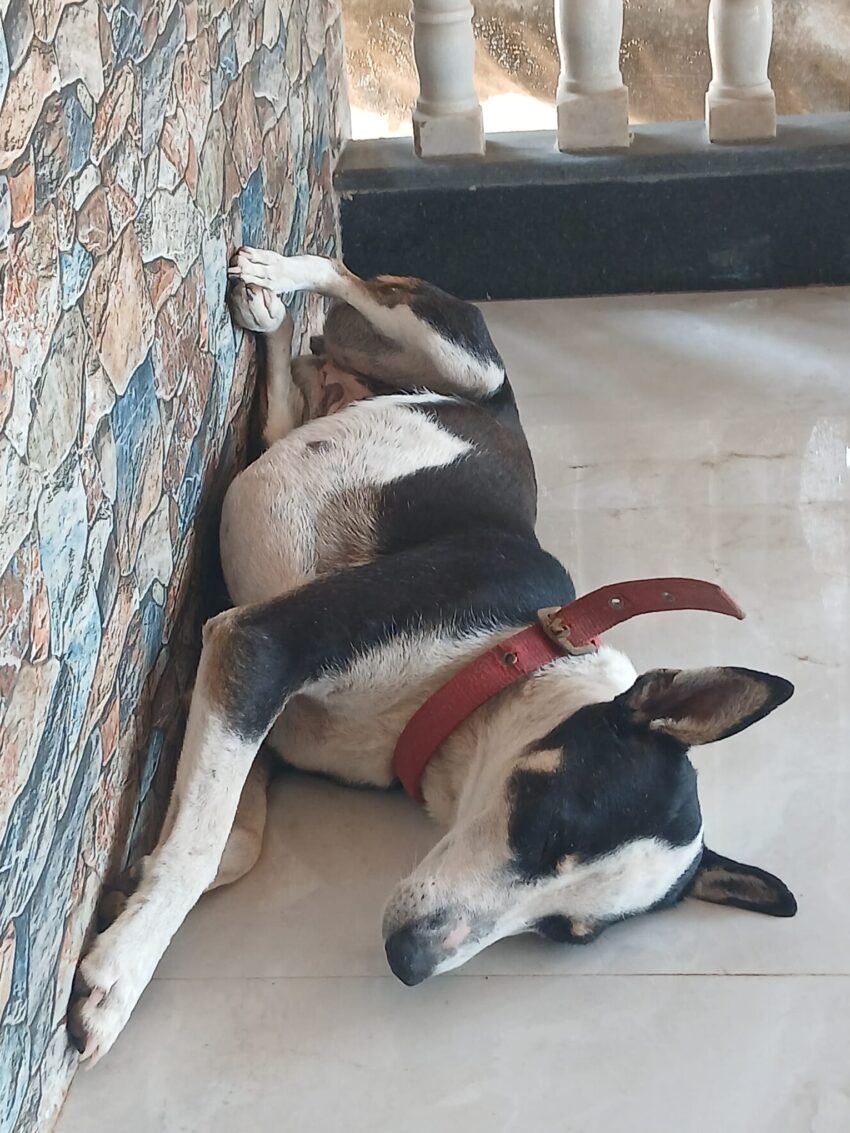
Paws of India
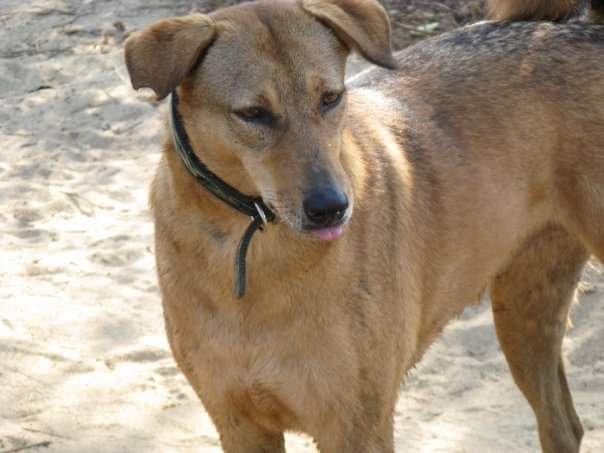
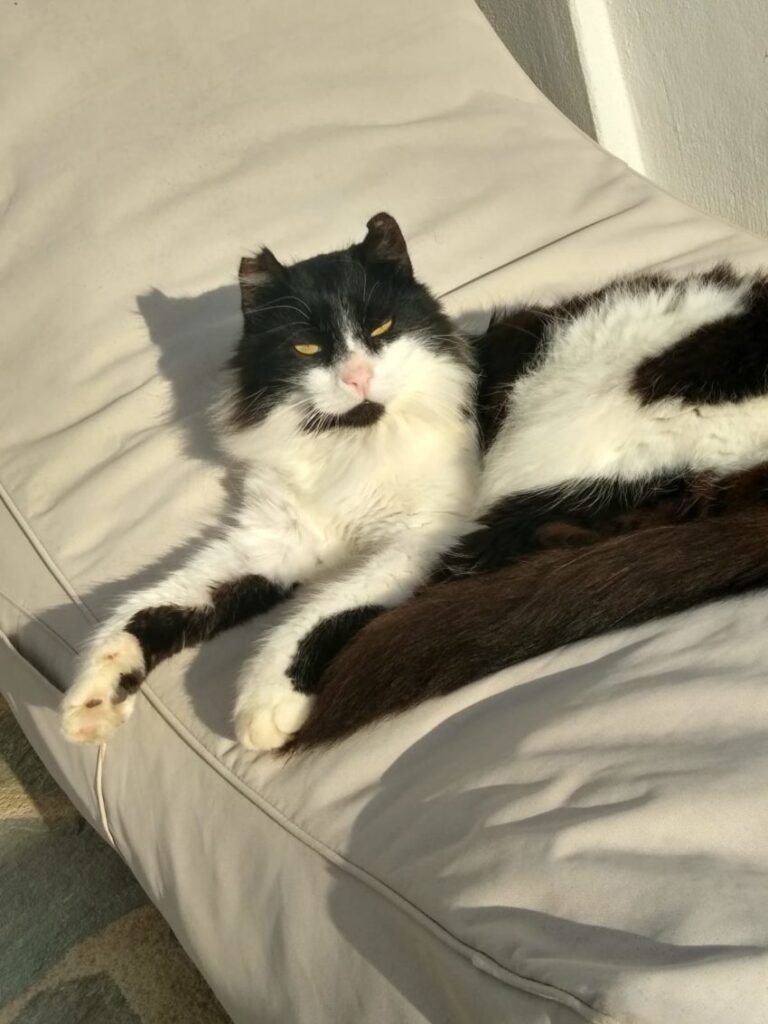
From all our blog pieces, all around the world, you will see we highlight the animals a lot, especially the paws of India, and of course cats, which there were a lot of in Greece.
We love our furry friends. Indeed, ‘Dog’ is ‘God’ spelt backwards afterall!
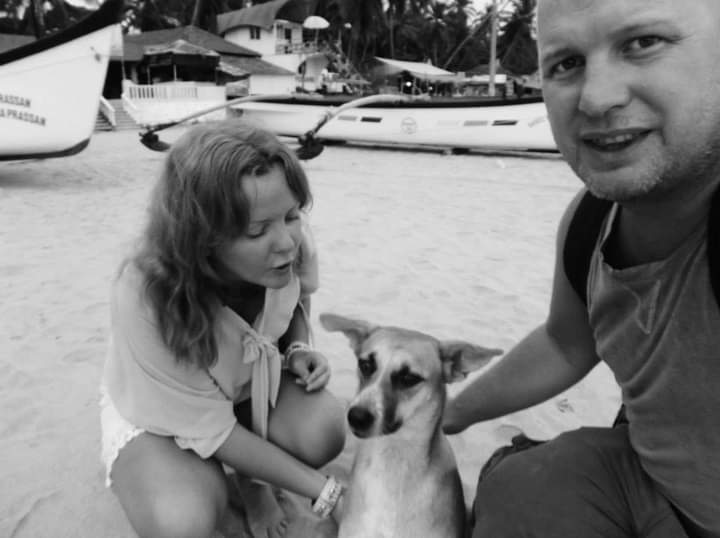
The population
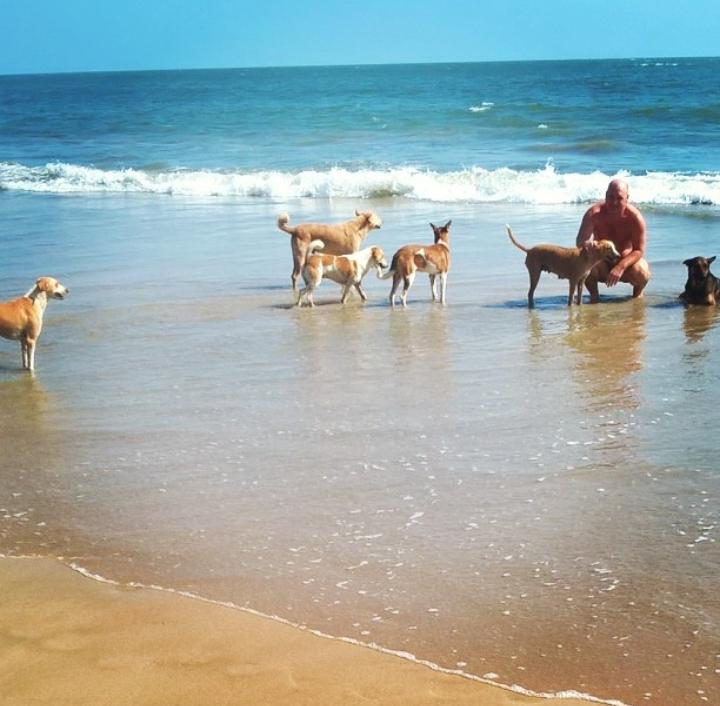
In India, there are many stray cats too. However, the dog population can be extreme, but an earthly heaven if you adore dogs in particular!
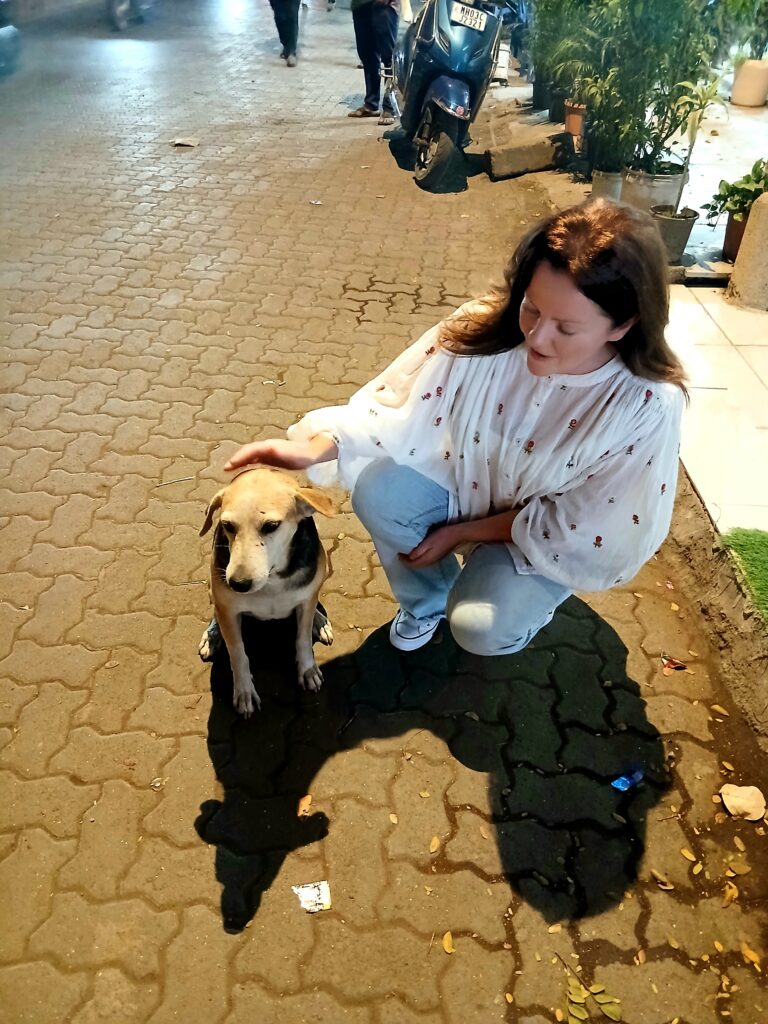
How many is many?
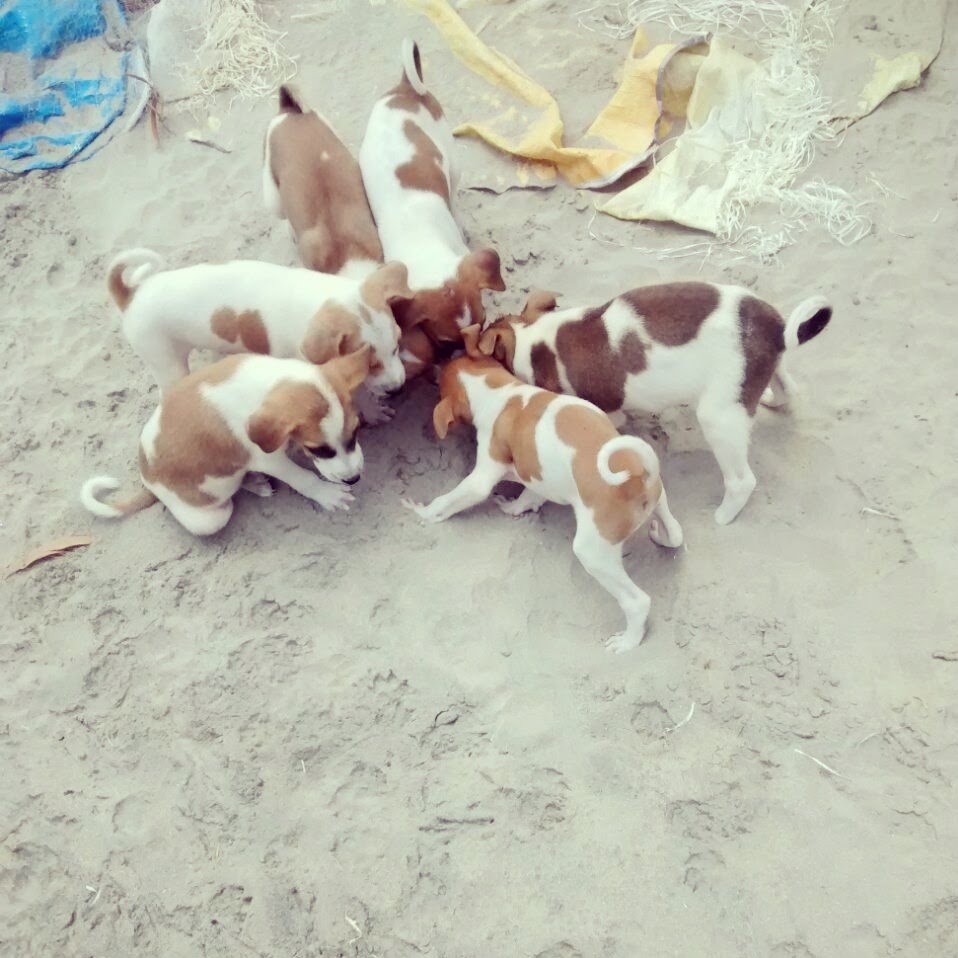
You will find dogs everywhere, whether that’s around busy city roads, the office block, roaming in the countryside, or on beaches. They are on every corner, nook and cranny, just like a pub is in Ireland!
Chaotic, dangerous roads for those Paws of India.
The roads in India are something else. Traffic is everywhere and beeping of horns is how you warn another driver or pedestrian they are in your way.
Cities are worse. However even in small villages in Goa, like Palolem forexample, the roads are crazy. Many dog injuries are from accidents and carelessness on the roads. Some dogs, though, have no road sense and can walk infront of oncoming vehicles or be standing in the road oblivious.
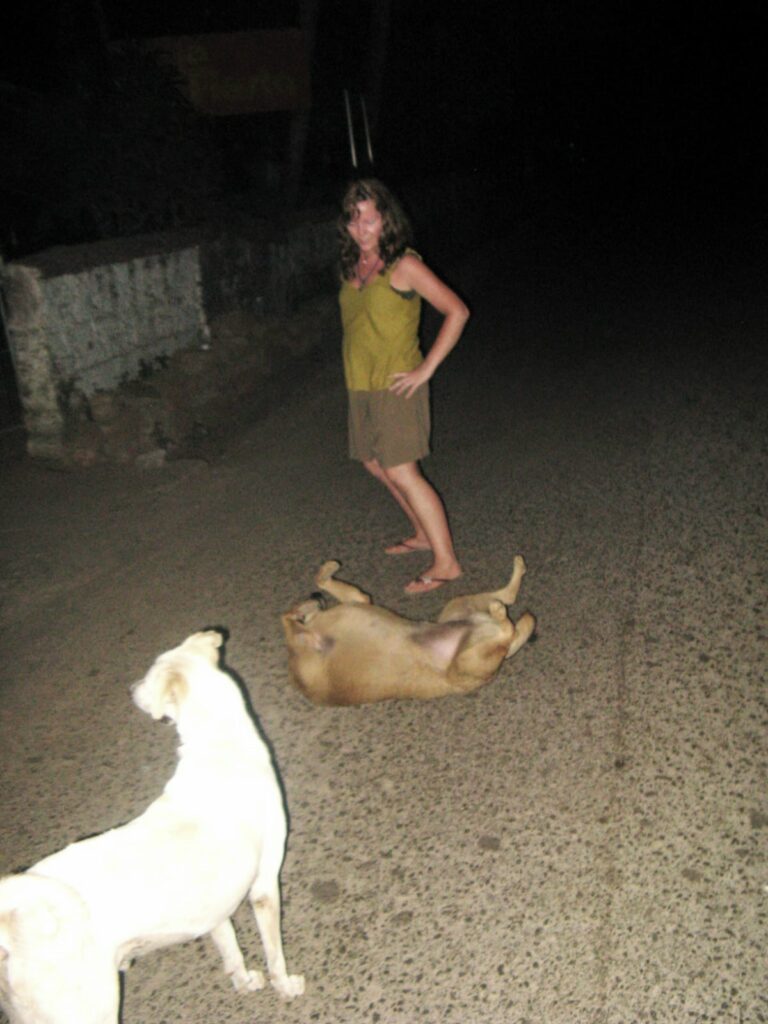
No fault of their own off course, they know no better, but its a dangerous situation, especially when some drivers couldn’t care less if they hit them. There are also the drunk drivers who speed late at night – This is what happened to poor Coalman, the patriarch of Martha’s pack (more about our wee doll later).
There are too many dogs to count that have minor limps, after a paw being caught by a vehicle. Some unfortunately never recover and then there is the ones who will be disabled very badly, with no use of some limbs at all.
Paws of India hiding spots.
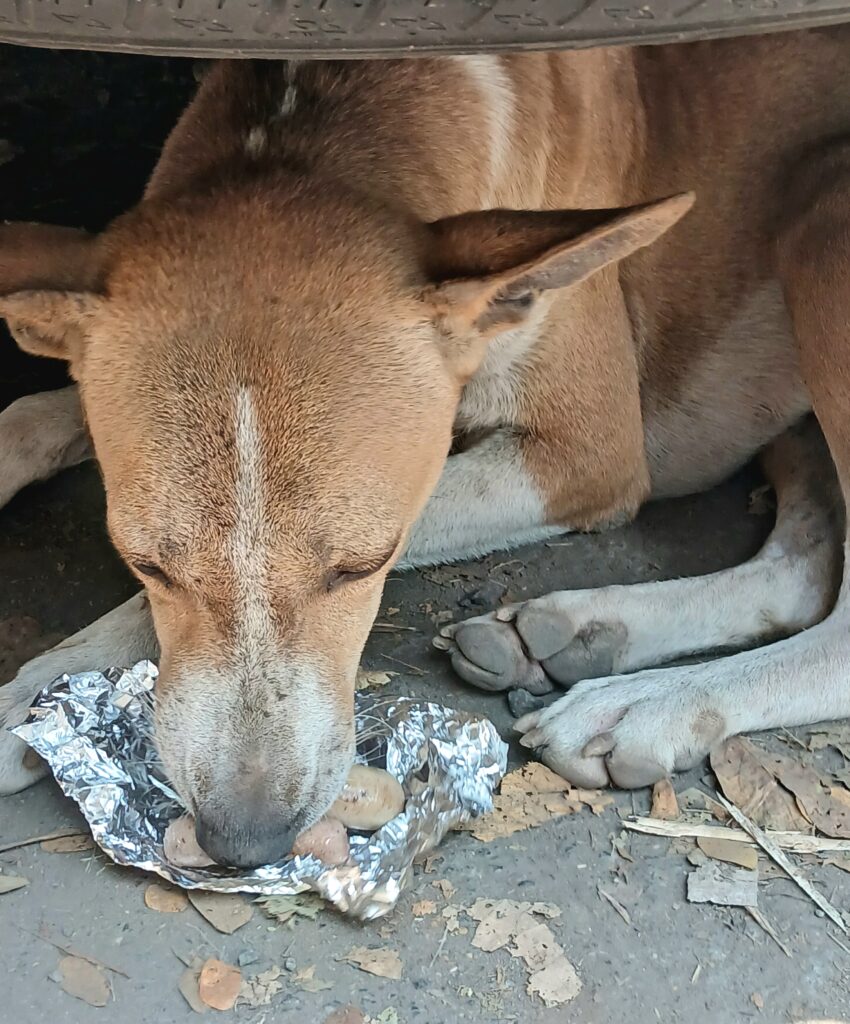
Surviving India’s scorching climate is tough for everyone.
Shady spots under trees or boats, digging in cool dirt or sand, on the cool tiles of covered buildings etc is a must.
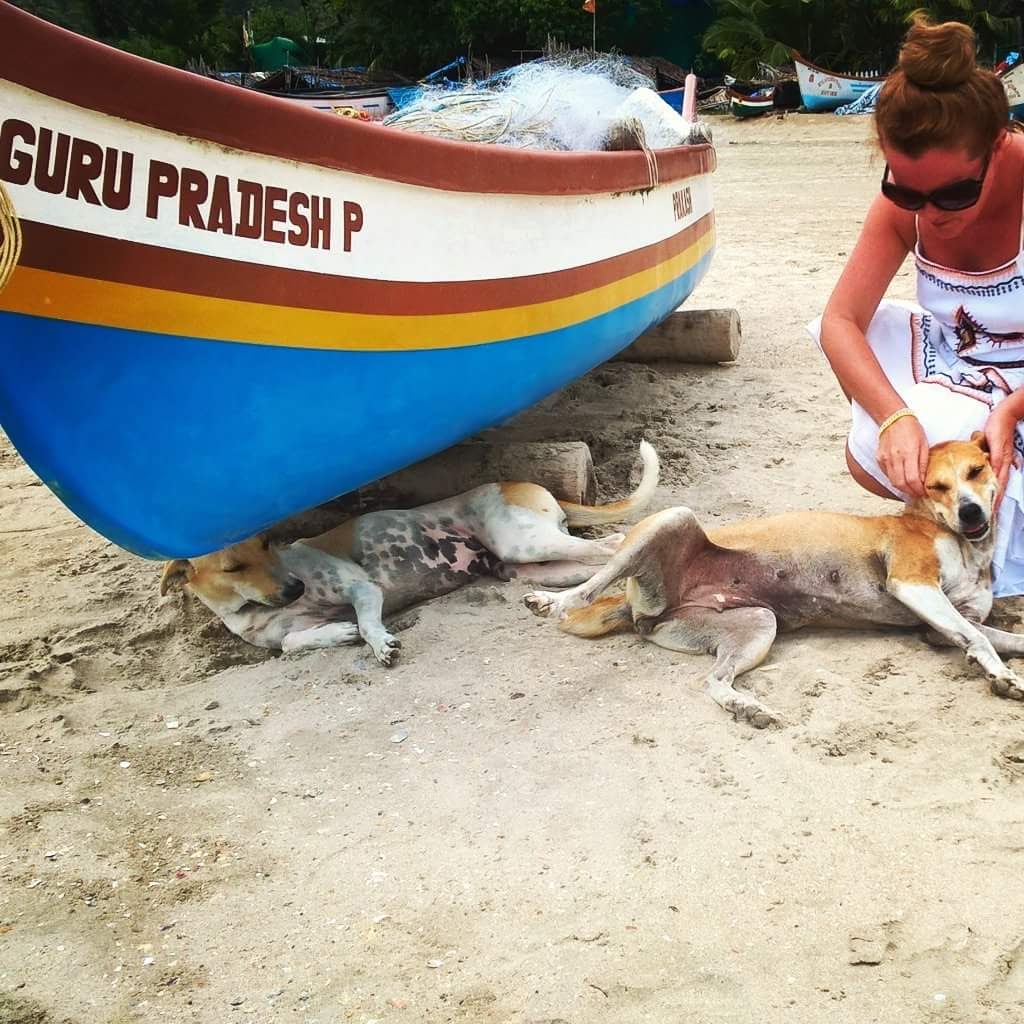
The street dogs are also notorious for hiding under the parked cars to shade from the sun.
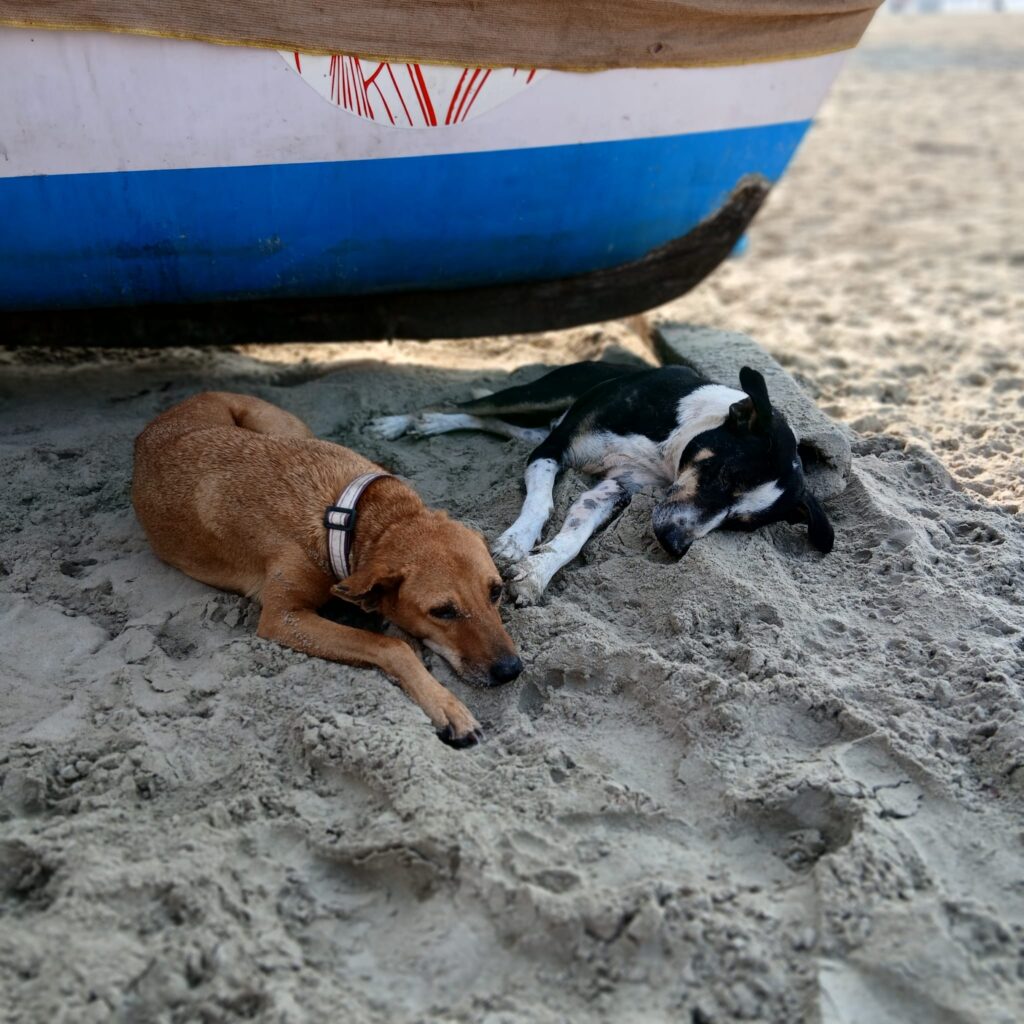
Unfortunately, people will use their cars at some stage and not check for dogs laying under them. So dogs can get burns from the exhausts or a tire running over their paws. Rough times for them.
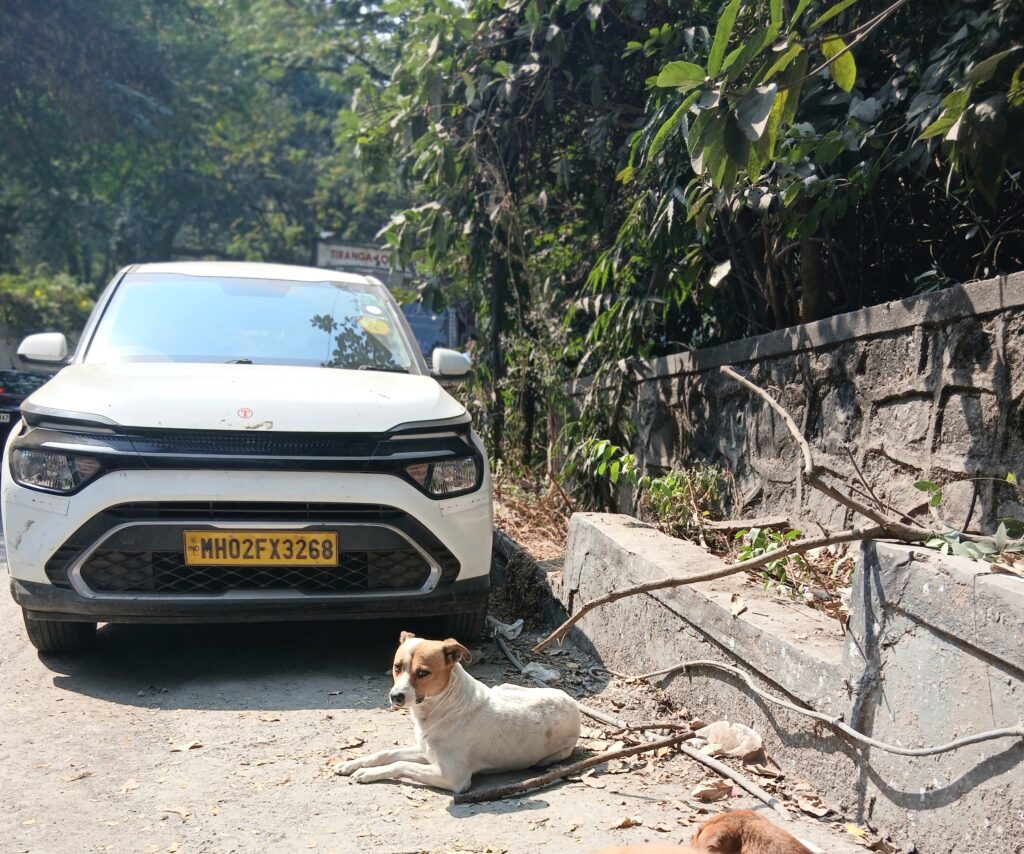
Dogs are more resilient than humans though, and they can still lead, a difficult but decent life on the street all the same. Some love the hobo freedom. Reminds us of the 1980s series, The littlest hobo. Dogs definitely have a purpose and a lot of love to give.
Skin problems
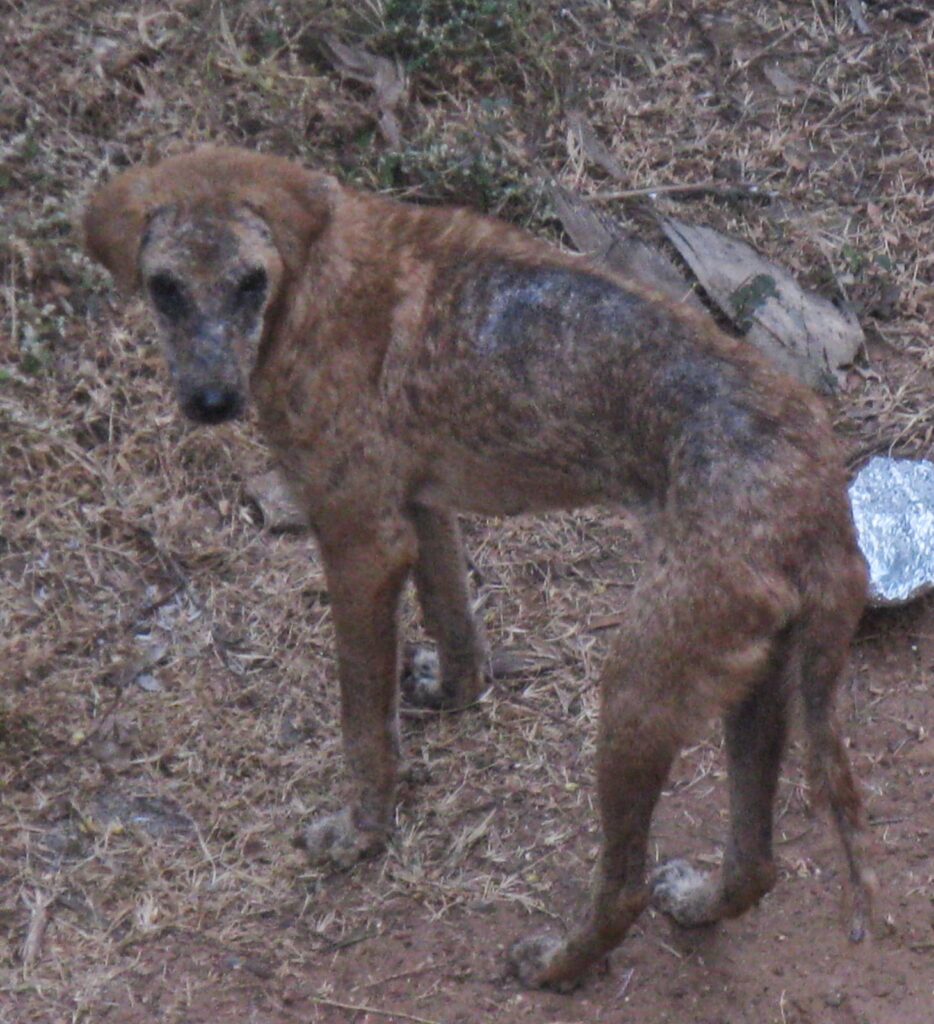
Living on the streets can cause skin issue’s for the dogs, most commonly mange, bacterial and fungus infections.
These infections are caused by malnutrition, heat, and parasites; such as fleas and ticks. Symptoms include intense itching, hair loss, scabs, and open wounds, often unfortunately leading to secondary infections.
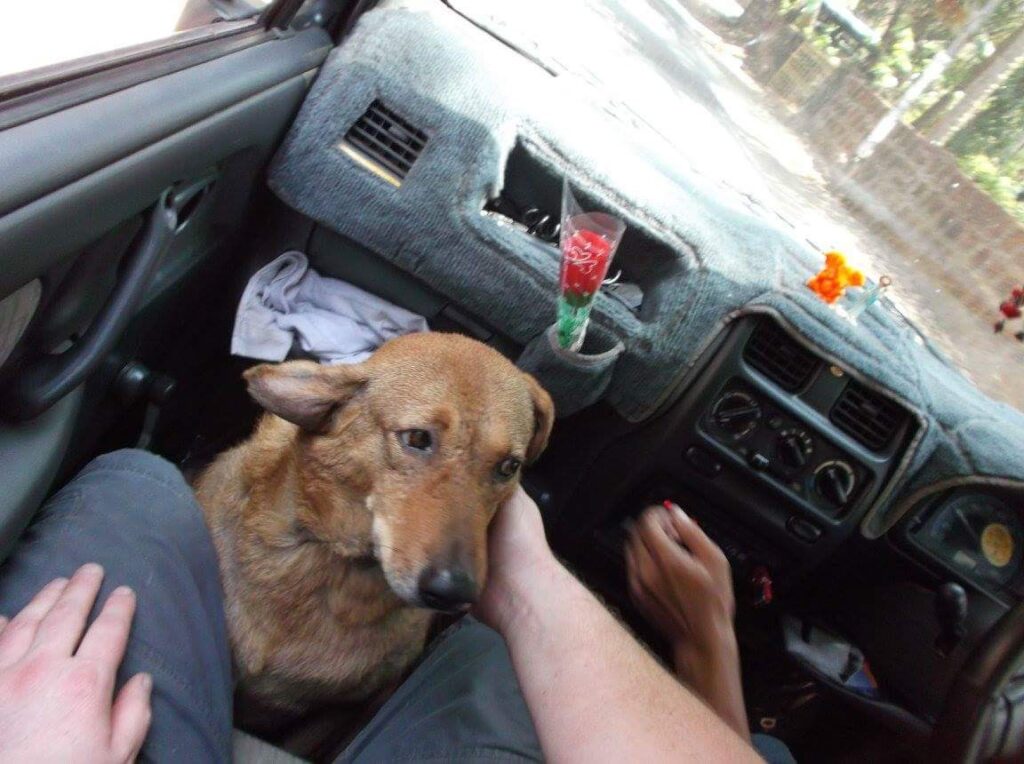
The good news is these issues are treatable. Unfortunately for street dogs, these can go unnoticed, or to put it bluntly, people do not want to take responsibility to treat them.
Lend a helping hand
Topical medicines, medicated baths, and oral meds can effectively kill mites and bacteria and are all readily available from vets or even instamarts.
Try feeding a healthy, balanced diet to help rebuild their immune system.
The numbers
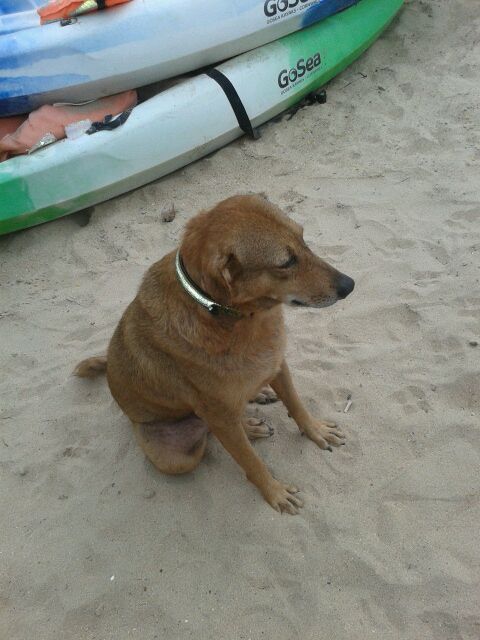
It is recorded that there are around 15 million stray dogs in India, but in reality, as thought by animal rescue centres, these numbers could be as high as 60 million, or more.
Even in Mumbai alone, there are thought to be approximately 90,000 stray dogs. In some areas there can be around 30 dogs within a 30 metre stretch.
There aren’t enough shelters, to deal with the doggy population.
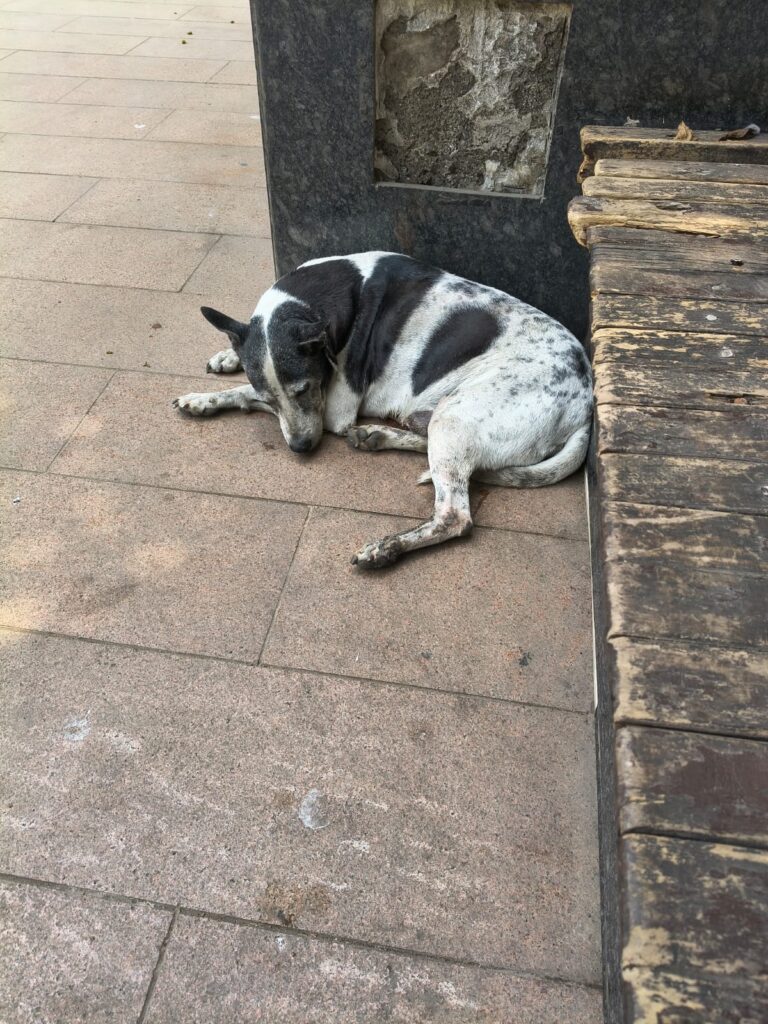
I wish more people would adopt street dogs, rather than buying from breeders.
Dog law
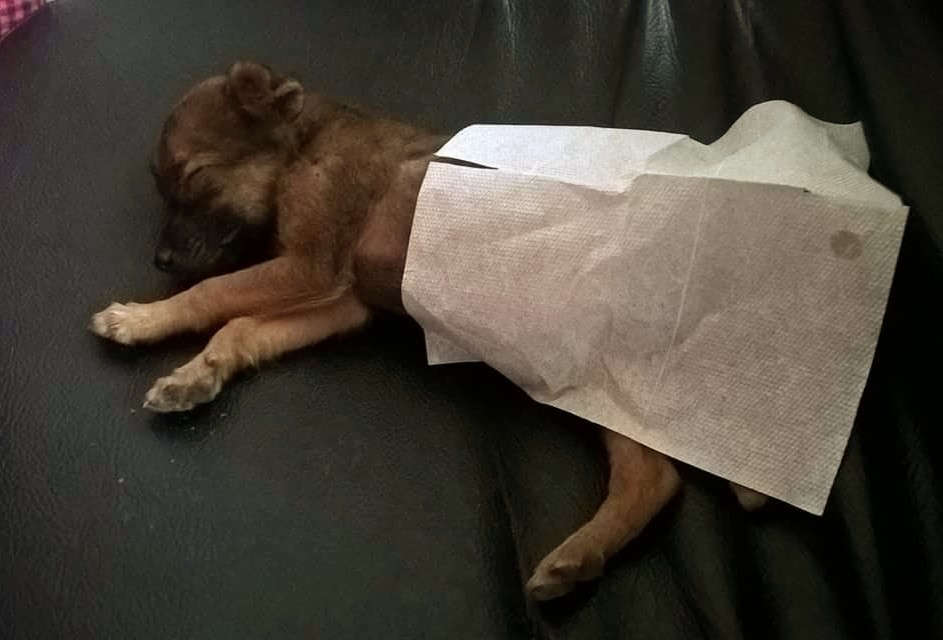
The killing of stray dogs is strictly forbidden in India. Under the Animal Birth Control (Dogs) Rules, 2001, enacted under the Prevention of Cruelty to Animals Act, 1960, killing, poisoning, or, in many cases, relocating healthy stray dogs is illegal.
The law mandates sterilization and vaccination to control the population, and the Supreme Court of India has affirmed that these dogs have the right to live. Thank god!
Killing, poisoning, or maiming animals is a punishable offense under Sections 428 and 429 of the Indian Penal Code, with penalties including up to 5 years imprisonment.
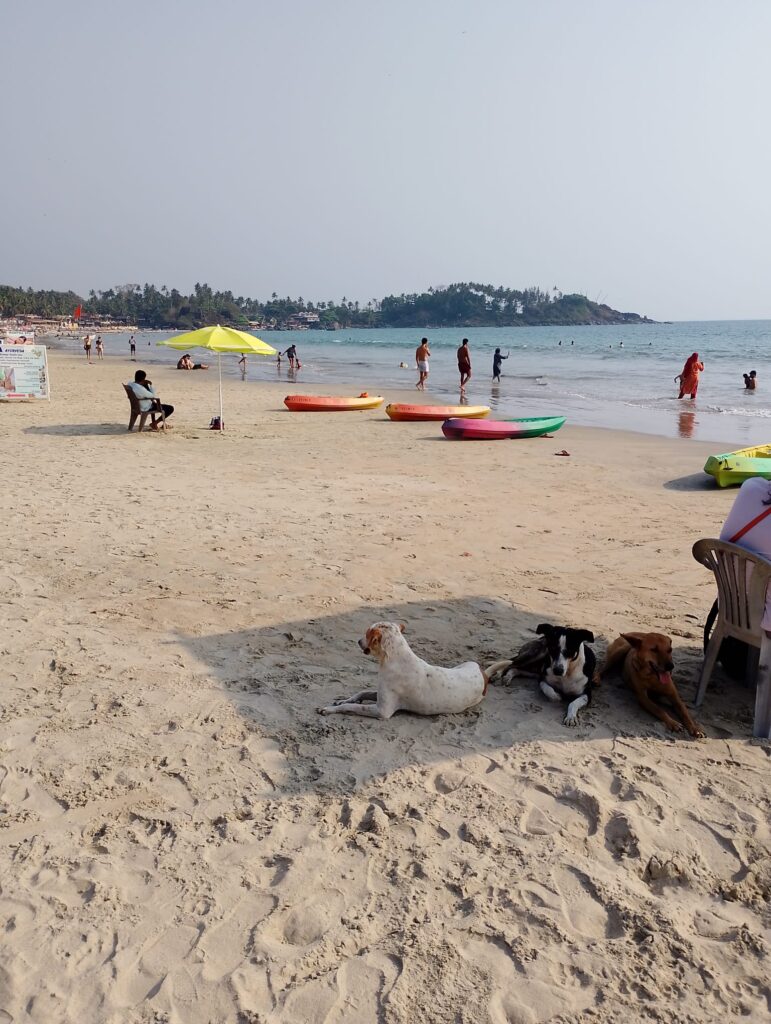
However, sadly people still take matters in their own hands. We have witnessed many poisoning of the dogs when in Goa.
Some of these dogs, were our long term friends. There were even pups, so you can imagine the rage we felt when their bodies got thrown on trucks to be desposed off after their cruel murder.
The poison is sometimes rat poison mixed with enticing yummy food. An easy bait for a hungry dog.
And, what a cruel, cowardly act. When a dog gets poisoned, toxins can cause immediate or delayed symptoms, ranging from breathing difficulties, organ failure and seizures. Common signs include lethargy, tremors, pale gums, and bloody vomit or stool. Its hard to imagine the pain and suffering the animal goes through.
Its vital if you recognise a dog is in distress from poisoning that you call a vet immediately, or in India the Pet Poison Helpline (855-764-7661).
How to control the stray dogs?
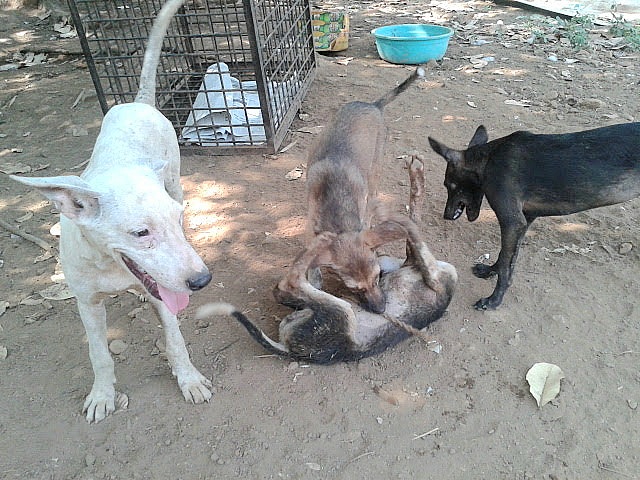
Its a hard job getting every single dog sterilised. Some dogs just don’t want to be caught or are very elusive, or simply want to keep their bits intact, thank you very much.
The dogs that are sterilised are under the control of the ‘Capture/Neuter/Vaccinate/Release’ program.
This means the dogs are refrained from having babies and vaccinated against rabies. You will usually see a little triangle cut out of a dogs ear to show they have already been ‘done”.
The program includes a 5-day post-operative care period before releasing dogs back to their original locations.
Dogs are creatures of habit and also releasing dogs back into their own location is very important, due to territorial balance.
New ‘laws’
Unfortunately, a recent article, of March 2026 suggests new shelters will be built for dogs who live in ‘public’ places.
https://www.mumbailive.com/amp/en/civic/mumbai-stray-dogs-may-soon-disappear-from-public-places-as-bmc-plans-new-sanctuary-92007
A so called sanctuary remains to be seen and there are questions to be asked.
How will they remove the dogs?
Will the dogs be removed with their peers?
Will the dogs really live a better life?
The questions could go on. The article states there will be a 6 foot fence. The street dogs are used to roaming. Keeping them locked up will be a doggy prison.
Will they also be in crates or cage most part of their day?
The packs
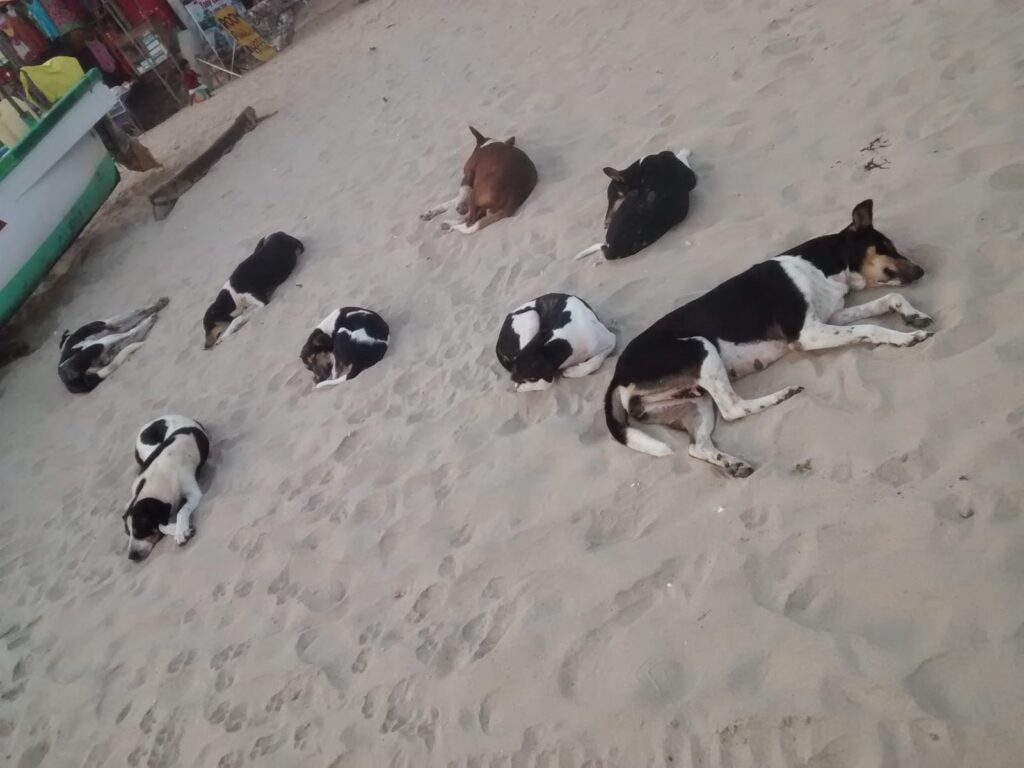
The dogs mostly come in packs, which we find reassuring as it means they have each other. It’s natural for them to be in a pack as it creates a social hierarchy, protection in numbers, and maternal assistance when the mother needs a rest.
We understand this can be intimidating to some, however, the majority are very friendly. I have yet to meet an aggressive dog, unless they are protecting their pups, food or are injured.
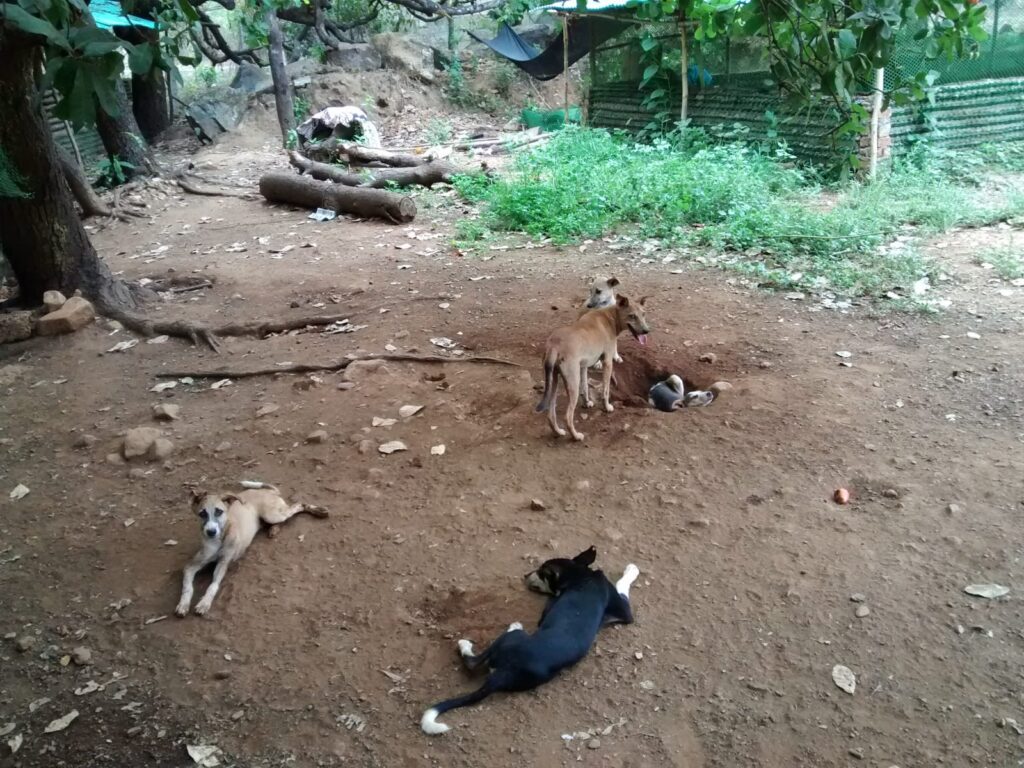
Only the lonely
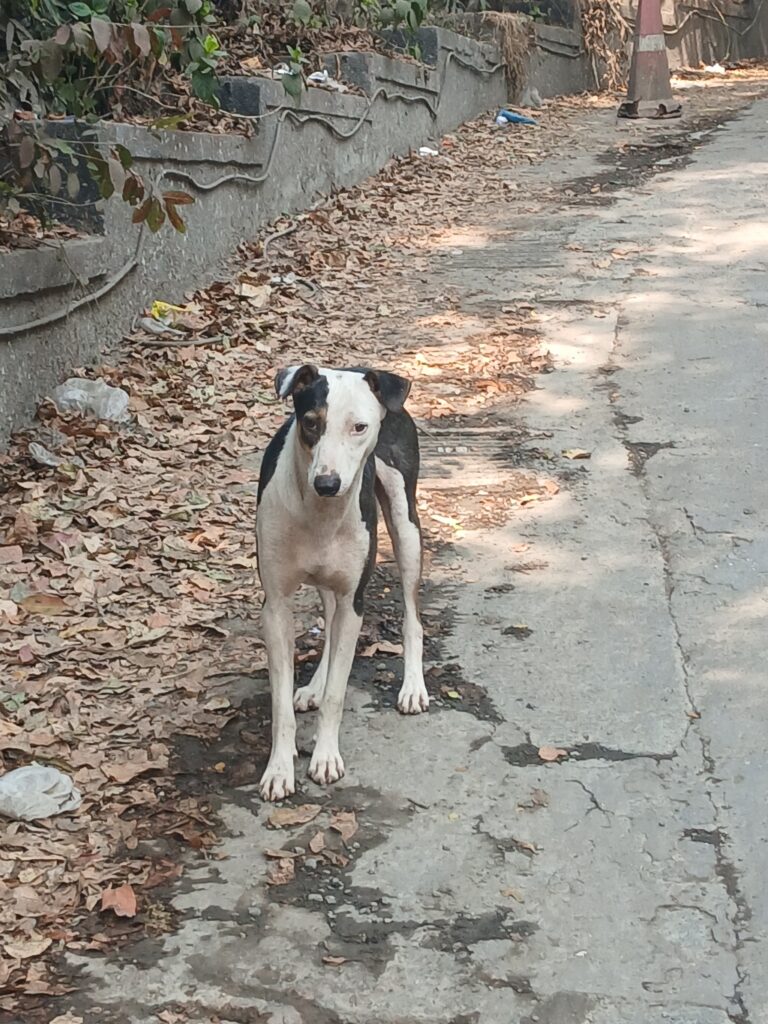
However, when you see a lonesome dog, you know their life will mostly be more difficult.
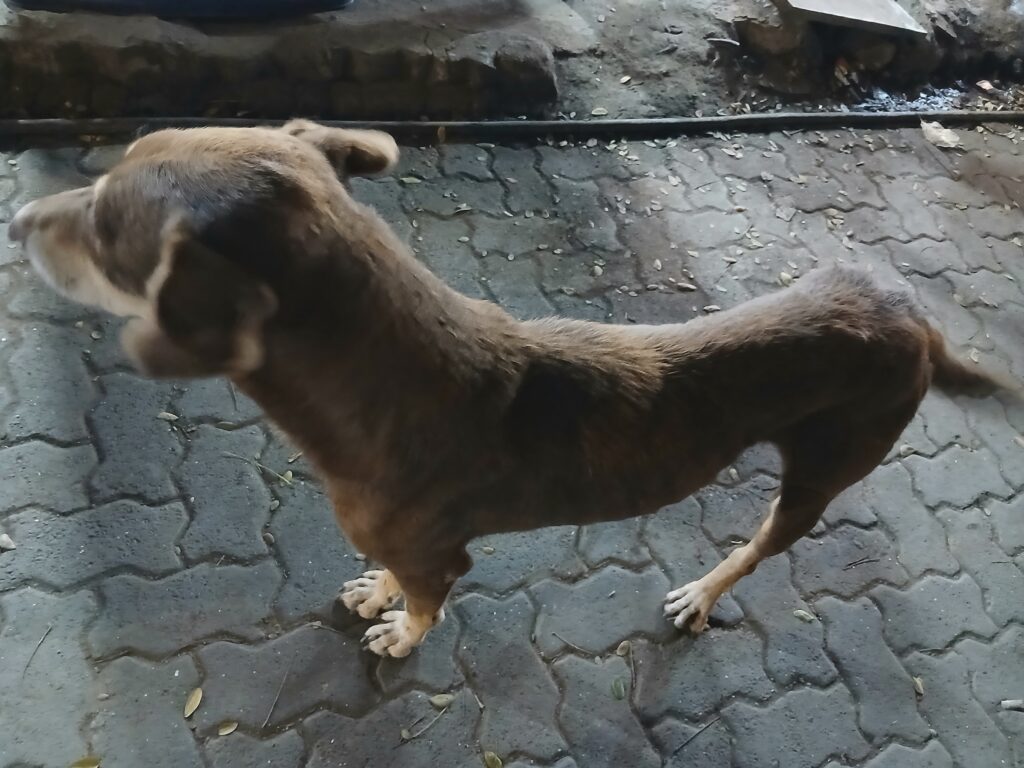
For example it won’t be able to defend itself if going into other dogs territory, especially when on the hunt for much needed food.
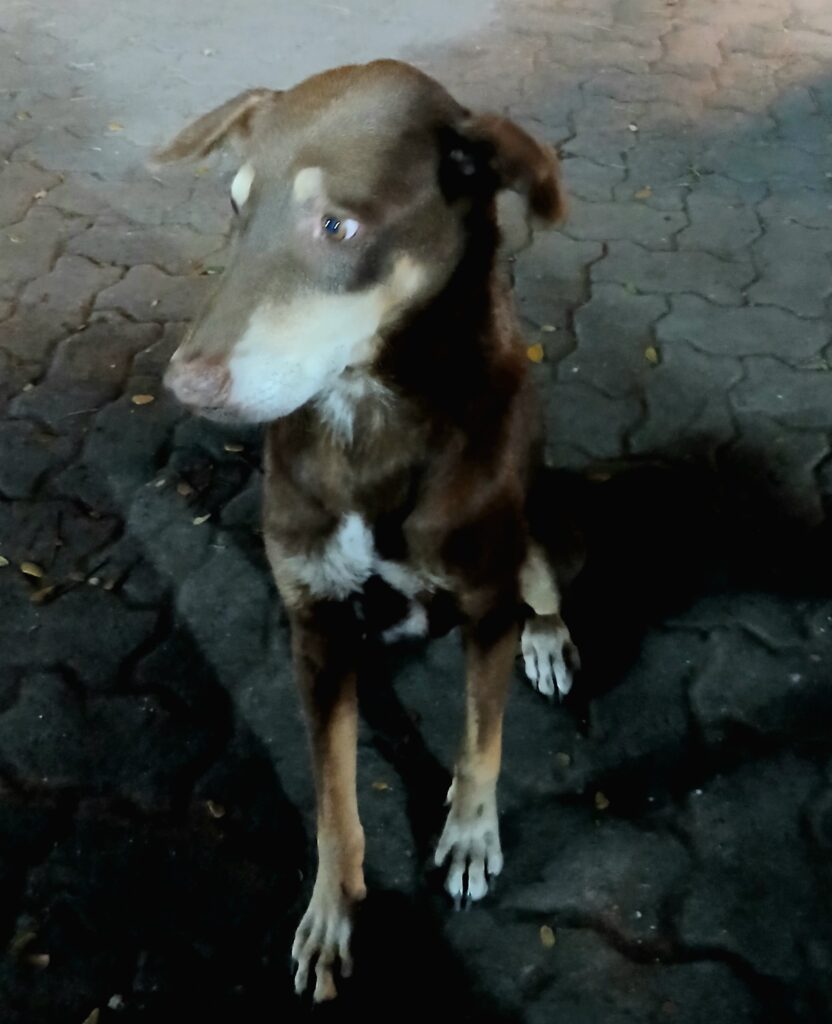
Lonesome dogs are mostly more malnourished, nervous and less likely to trust humans.
The boss dogs
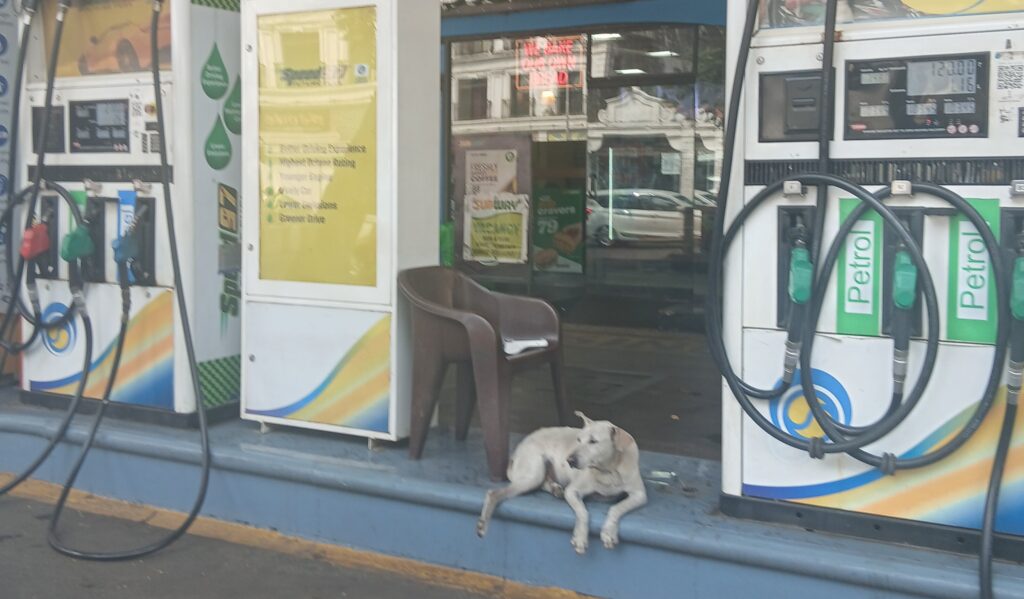
Off course not all alone dogs are like this, some like their own company and can cope well on their own rightly.
This helps when they’ve had an okay start in life, seeing the good side to the human, getting fed regularly and even human touch.
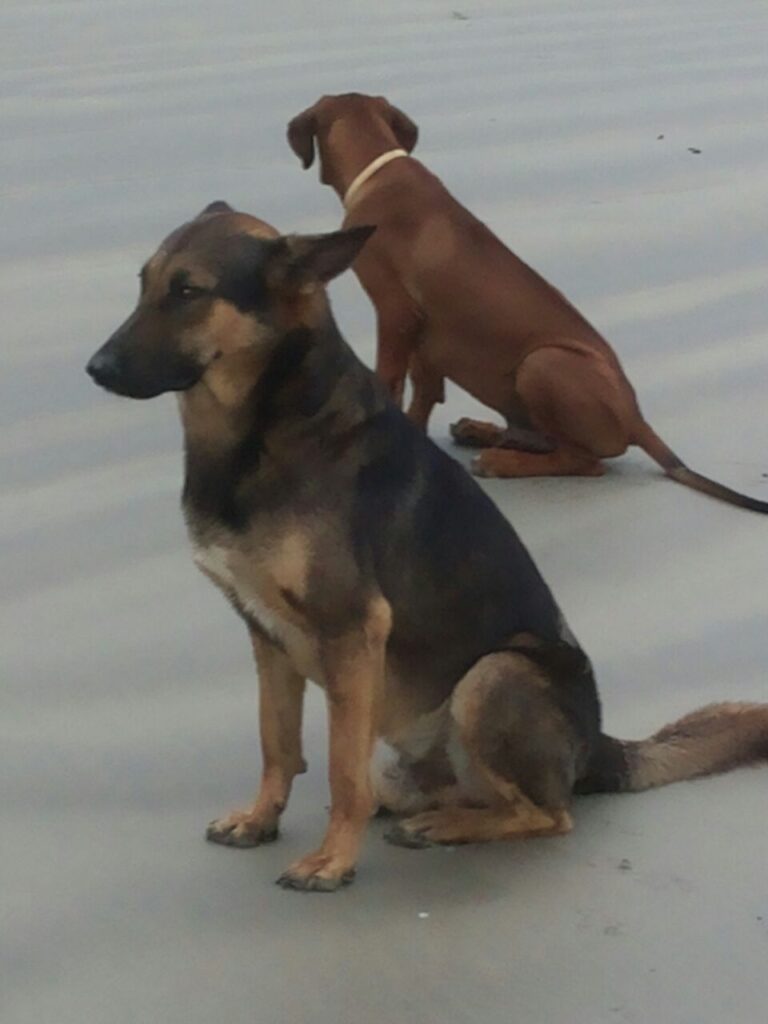
Remember some dogs are owned also. The beautiful German Shepherd and Lab breed is very popular.
Volunteer at a rescue centre
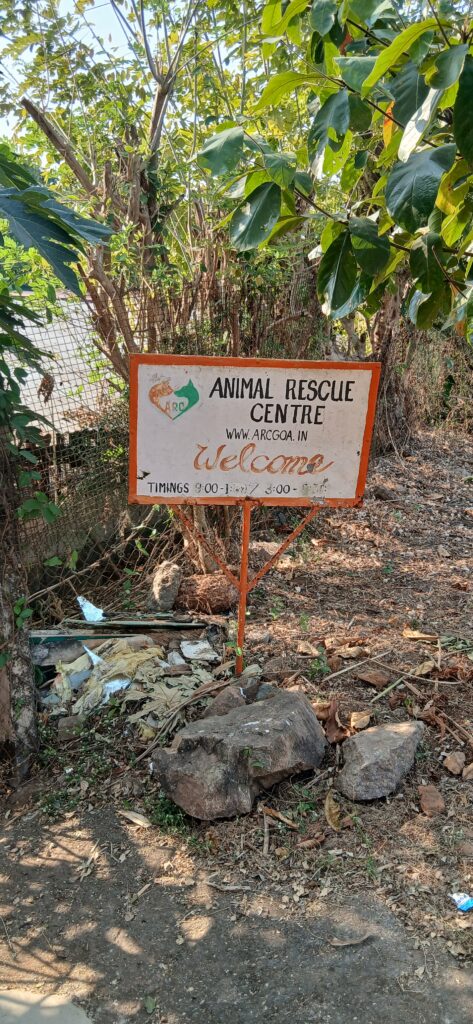
The ARC, Animal Rescue Centre, is rescue centre we would volunteer at when in Palolem.
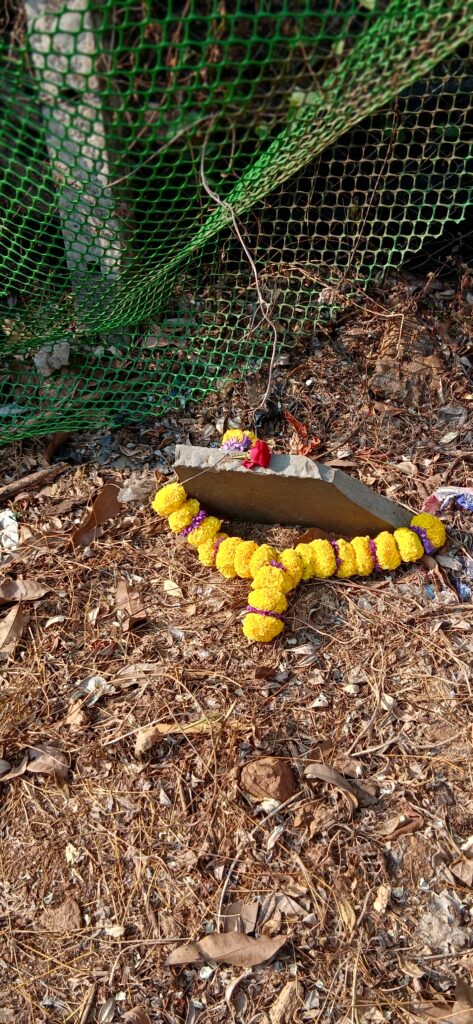
As well as paying respects at our beloved Martha’s grave at the site.
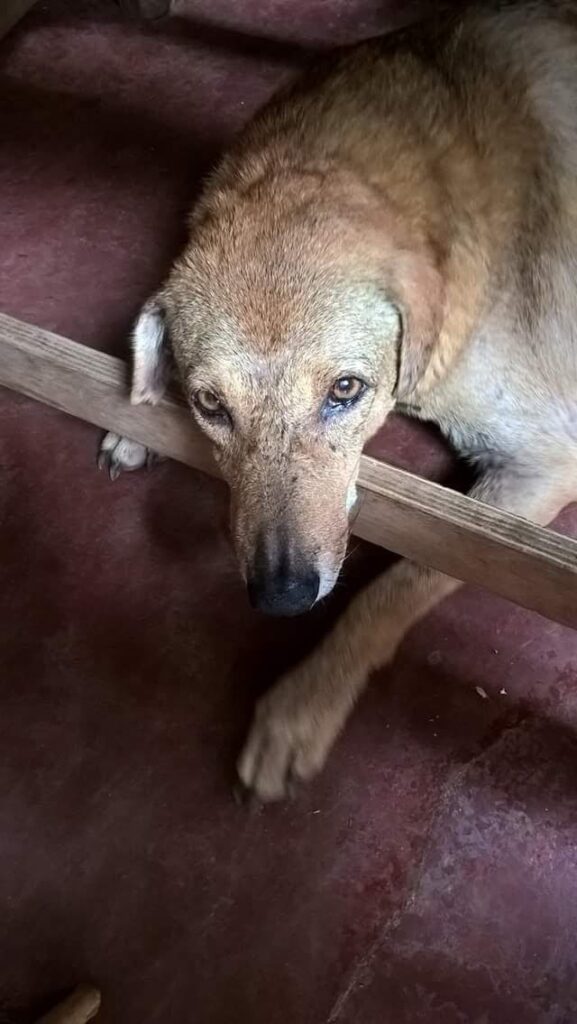
Like ARC and many rescue centres, they are crying out for volunteers, as once one dog gets adopted, there’s 10 more plus arriving at the shelter.
What can you offer?
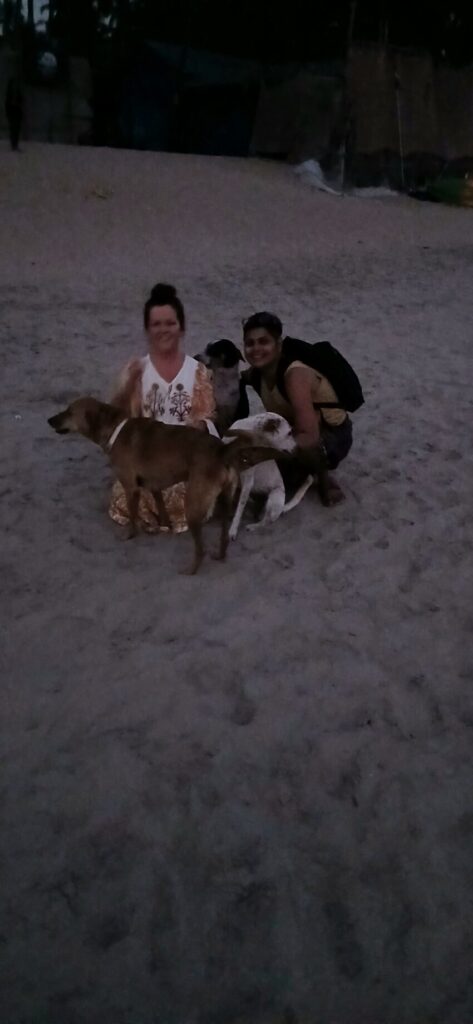
So whether its playing with the puppies or cats, feeding, grooming, or taking the dogs for a walk, your time is greatly appreciated at Arc. Indeed, there are a large number of animals needing care.
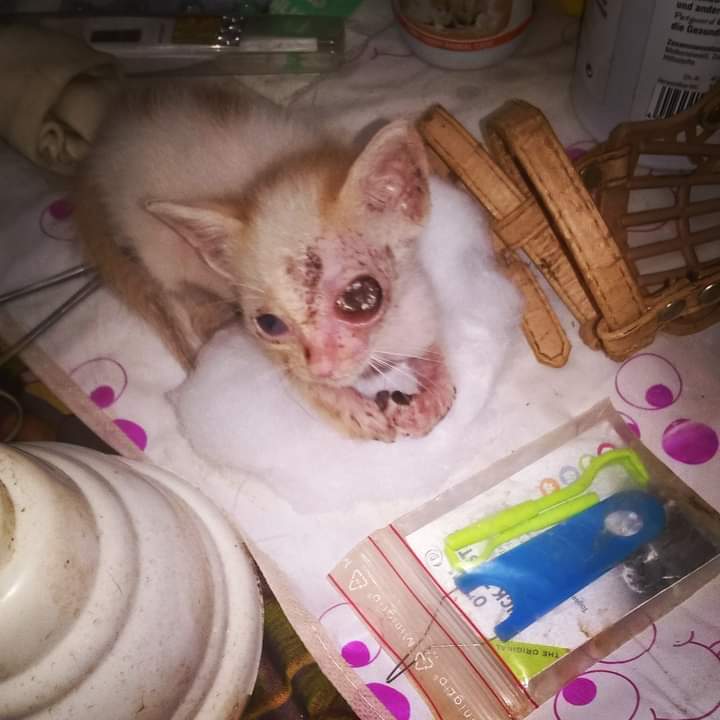
They also have dogs, cats, even goats and cows on occasion boarding there.
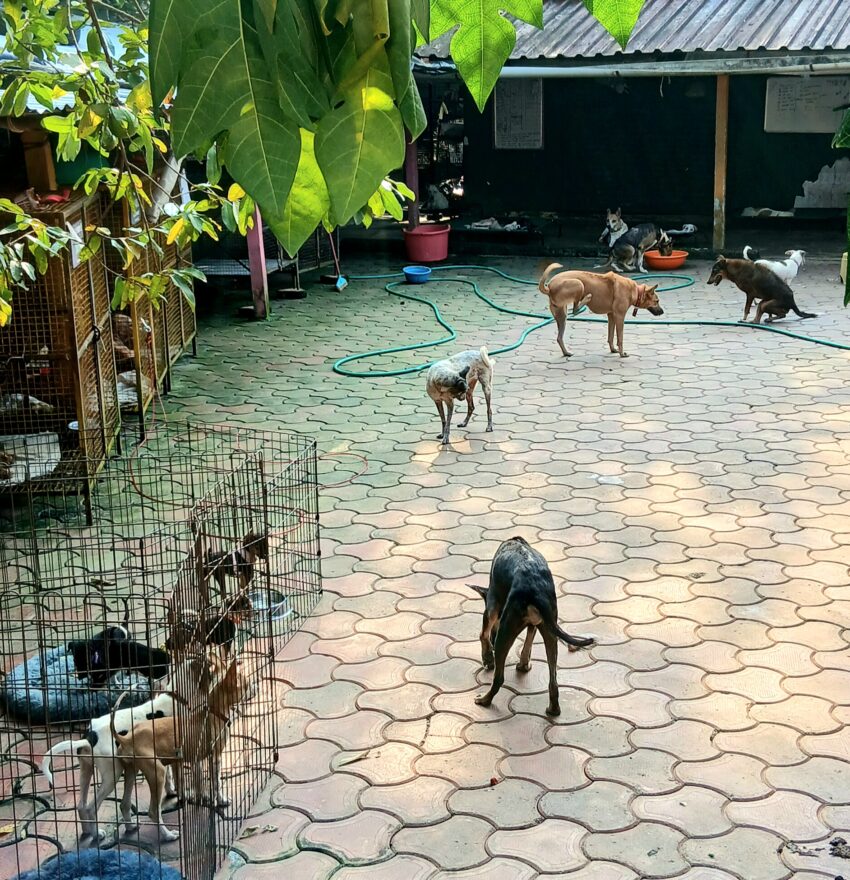
Or a safe place when a pet is lucky to be owned, it has a holiday there, when the pet parents go on holiday.
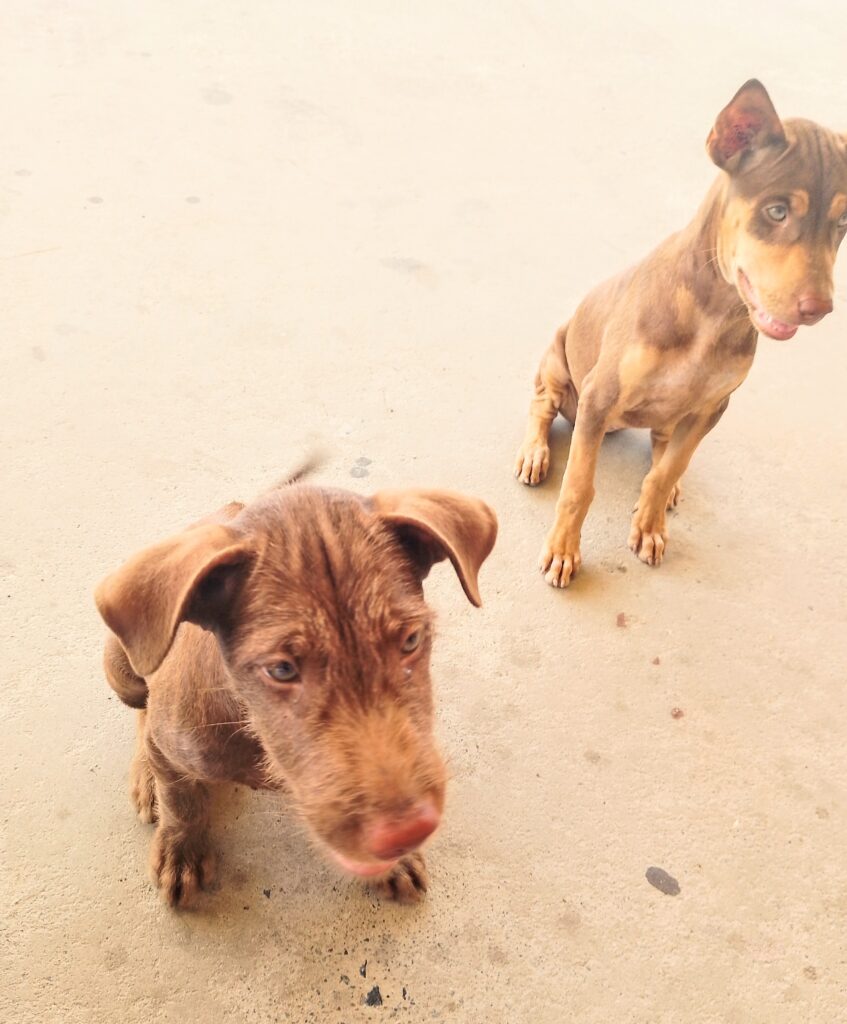
Unfortunately, some pets get left, for the ‘parents’ not to return.
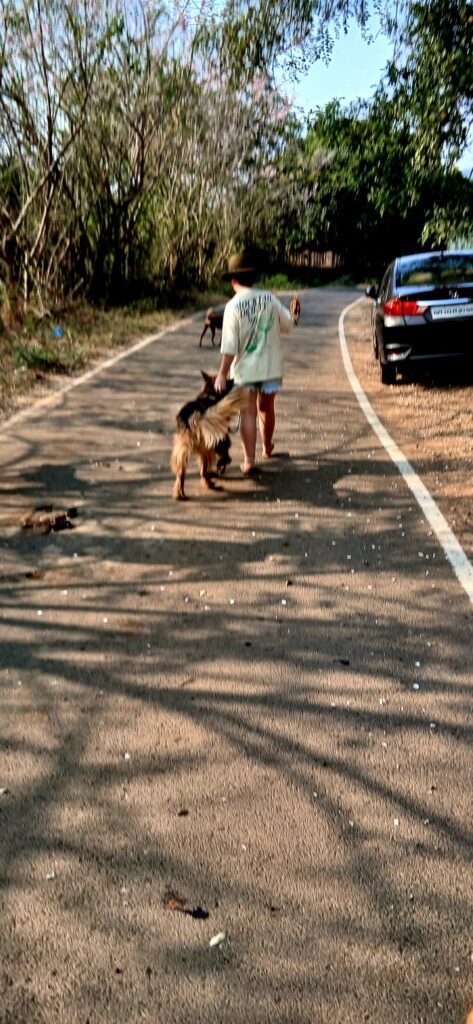
Which was the fate of this long haired German Shepherd, I (Miko) had a soft spot for.
Arc has been in Palolem for over 20 years. (Donations always appreciated). They even looked after our Martha, when she passed over. We were obviously distraught but Janie, the owner, give Martha a burial fit for the queen she was. It helped Martha also knew Janie from way back.
They do great work and are always in need of donations.
They even now have a Cruelty officer. Some people get pets as a status symbol only to tie them up constantly. One example was a Doberman who was tied in a small space, were her mental health started to suffer and she walked round and round daily. Luckily Arc got wind of the situation and gave the so called owners several warnings. In the end after the usual excuses, the dog, Dolly was still in the same state. With the Cruelty officer then on the scene, they finally had to surrender the poor dog who was in a deplorable condition. Now, after lots of love and care, Dolly is on her way to Wales, UK to a loving family.
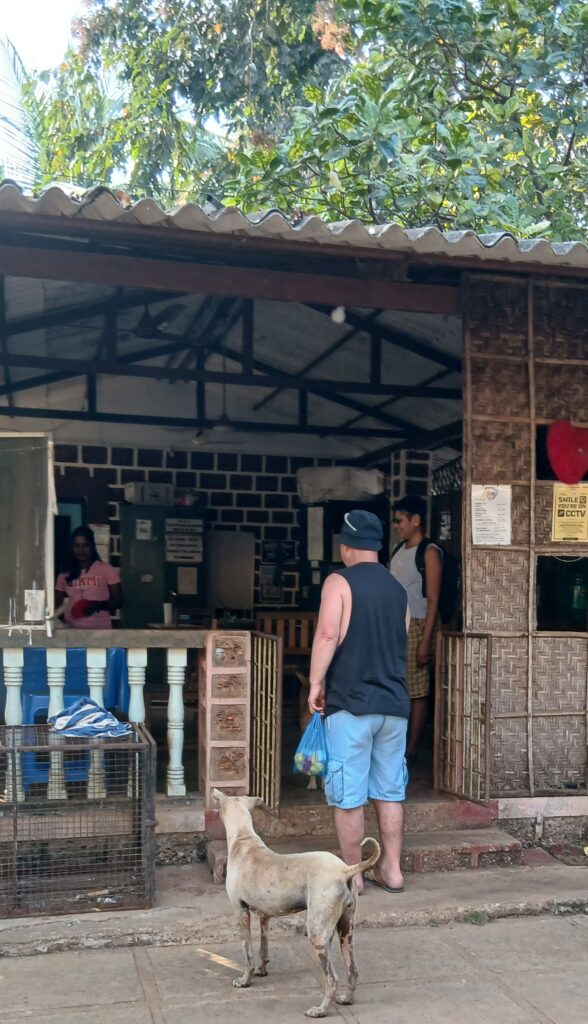
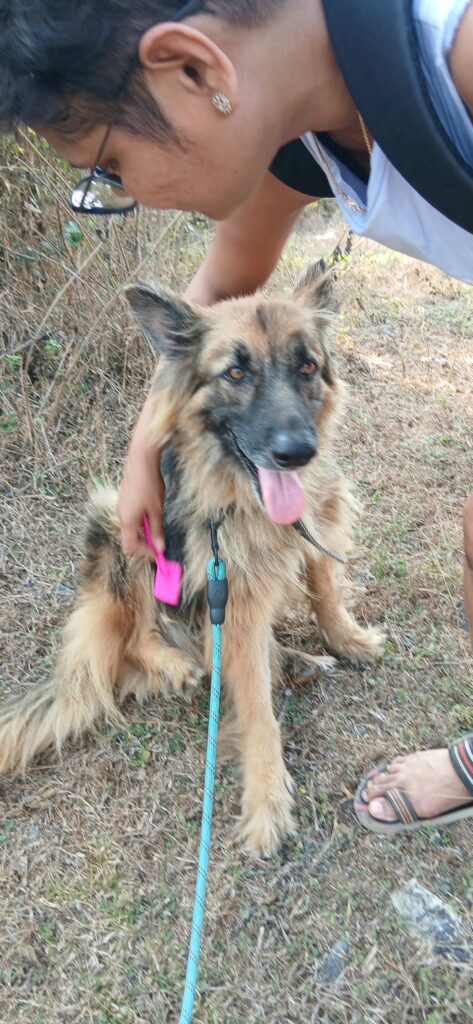
Feed and give much needed love to the stray dogs & cats, or even a cow!
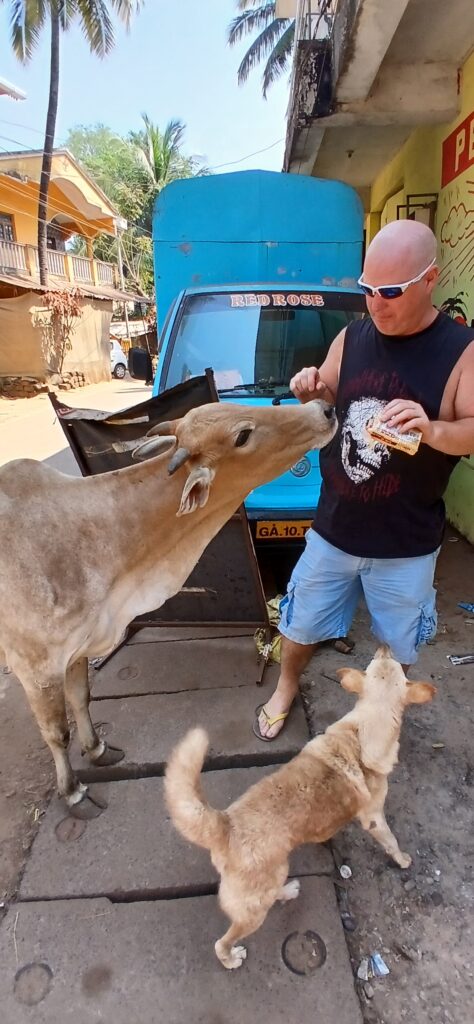
It doesn’t cost much to put a smile on a dogs face (yes, we believe dogs can smile), and feed them some doggy biscuits or pet food, all readily available.
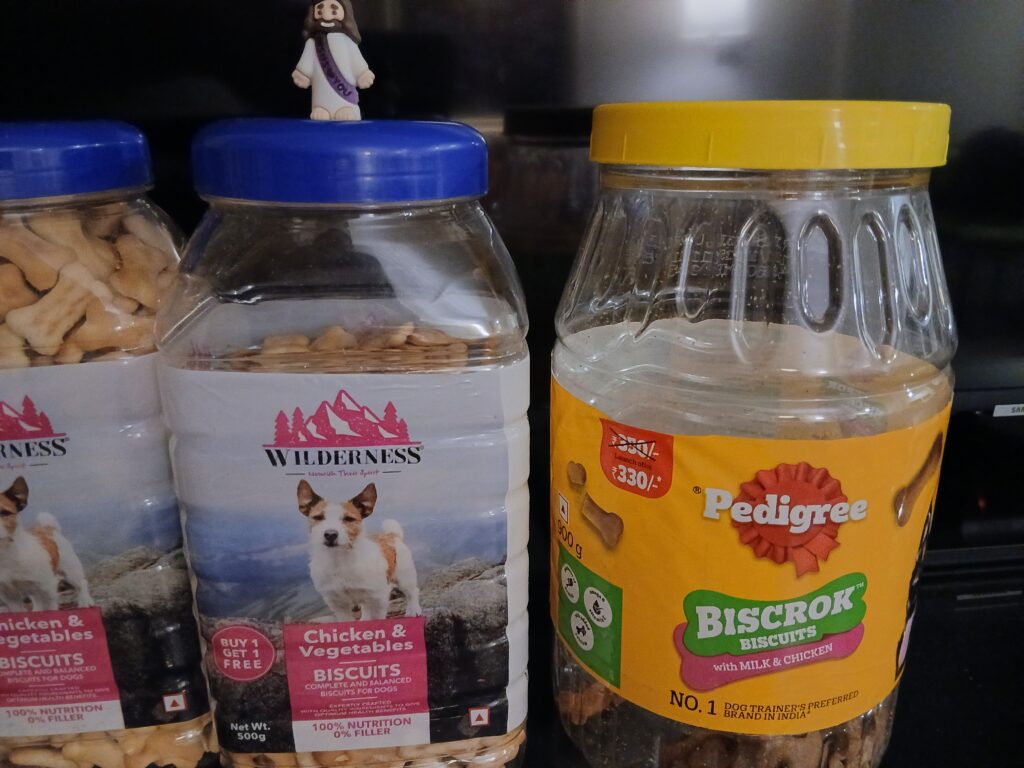
We usually treat them to a nice piece of fish or chicken rice, or lolly pops from the local restaurants.
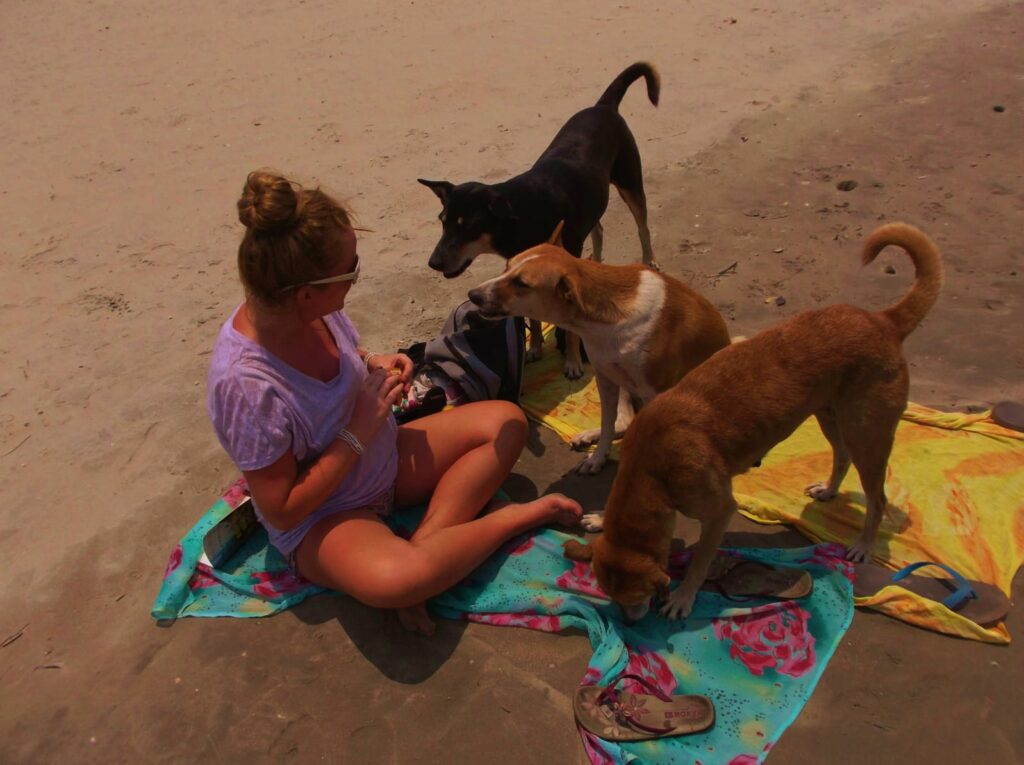
These go down a treat to a hungry dog! Its wonderful to see them so happy!
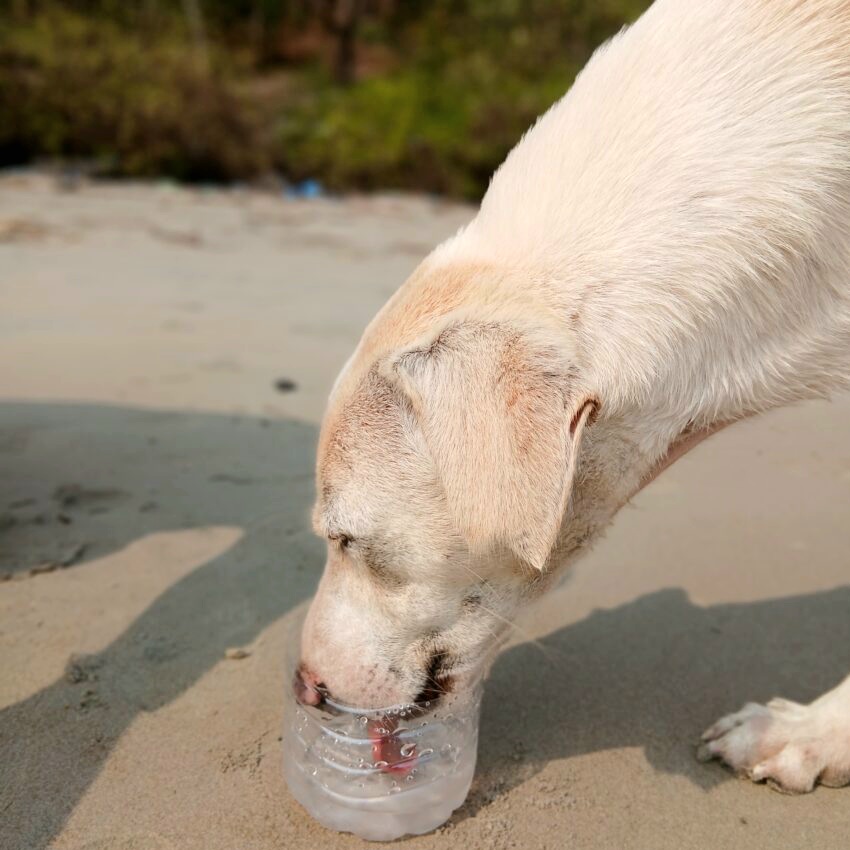
Don’t forget the water too. Dogs need hydrated, just as us humans do, especially in the scorching heat.
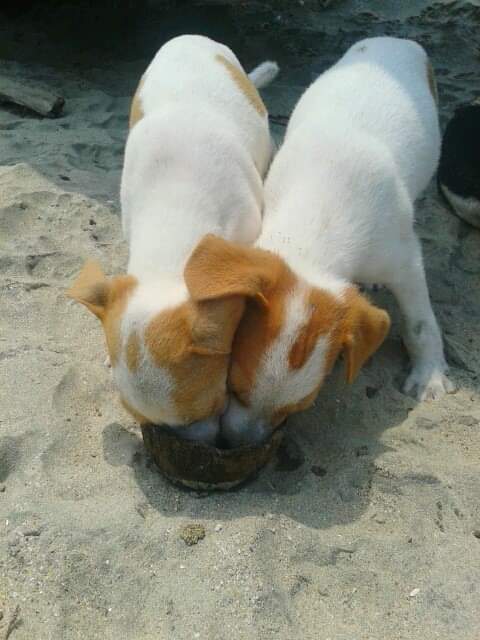
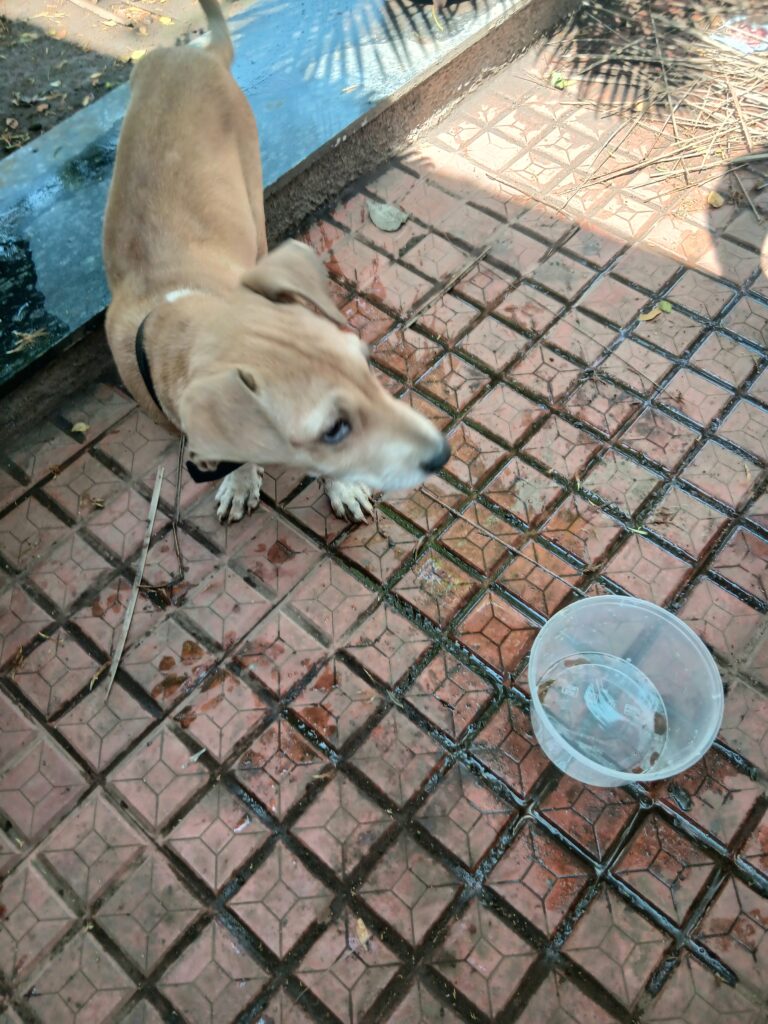
You can buy collapsible water bowls. If you don’t have one at hand, we usually cut a big water bottle down as a bowl, which works just as well. The dogs lap it up, and its better than the dirty street water.
Can I adopt a street dog?
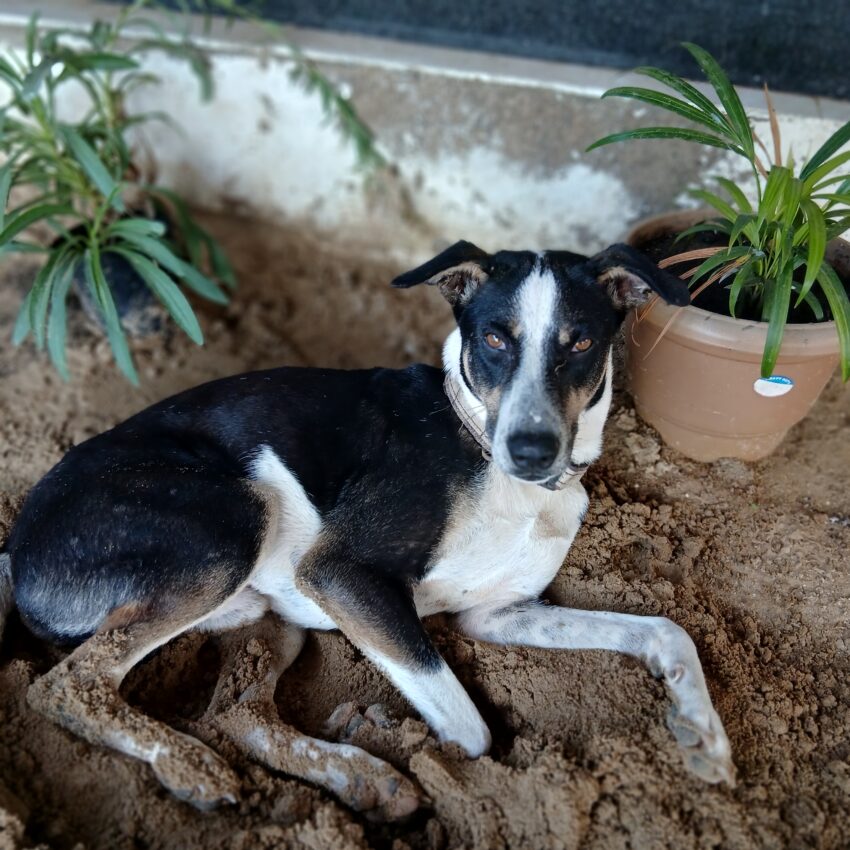
Adoption directly from rescue centres is ideal. The dogs can be ready to go, with all their health checks.
You can even arrange yourself, a dog you’ve fallen in love with to go home with you. Bare in mind its a lengthy and expensive process if you live overseas, taking up to 4 months or more.
You will have to consider if you think its worth it to put the dog through long quarantine and health checks.
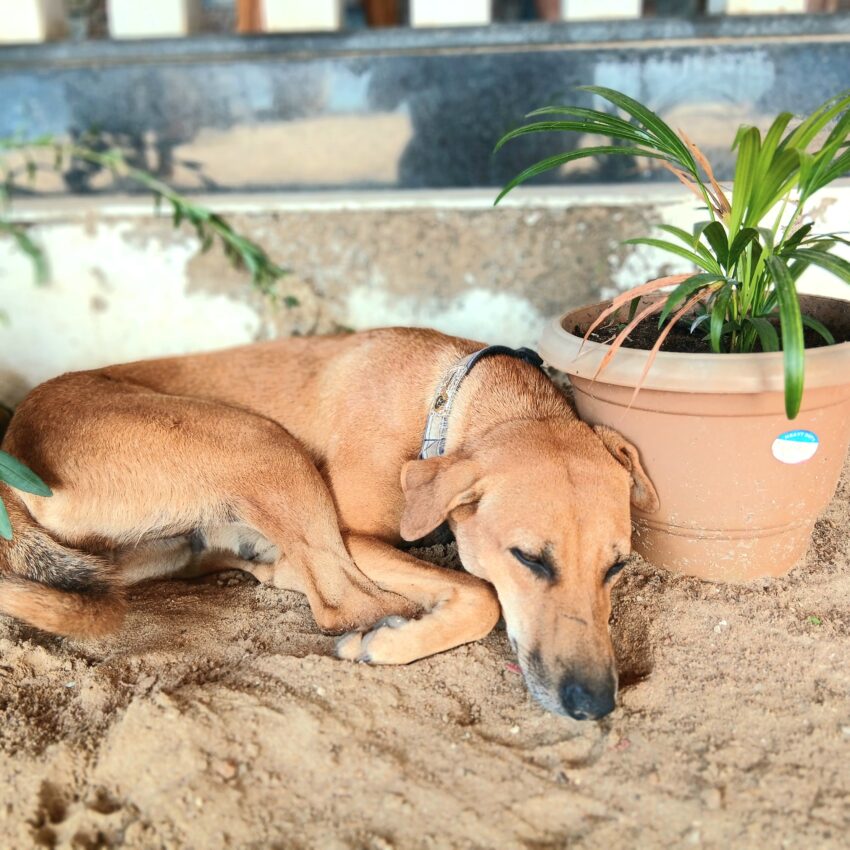
One other thing to consider is, even though the dogs seem ‘homeless’, they do have a regular place were they return for food or love. An obvious way to see this, is a collar.
Although on occasion some tourists or businesses put collars on on dogs, as ownership, but never to return.
Additionally, some dogs just love the freedom of the street/beach. Bear in mind, if healthy and well enough fed, that they may find it difficult to adapt to a more confined life as a pet (more on that below).
Another consideration is the pack they may be in. How will the wider social scheme be affected?
Ok I want to adopt a street dog, what do I do?
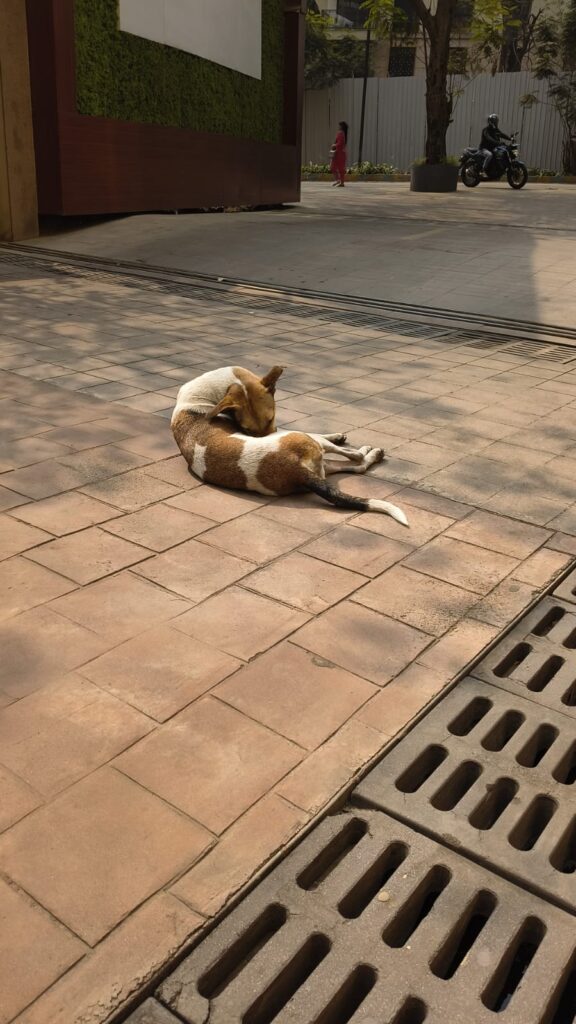
You can do your own research online or start enquiring at the animal shelter in the area. They will have a wealth of knowledge, re bringing dogs abroad, as they have done it all before. Some can even start the process for you.
Depending on your country, bringing a dog abroad can cost anything between £1,000 – £3,500. This will include everything from medical, flights, boarding and checks.
Some dogs are happy were they are.
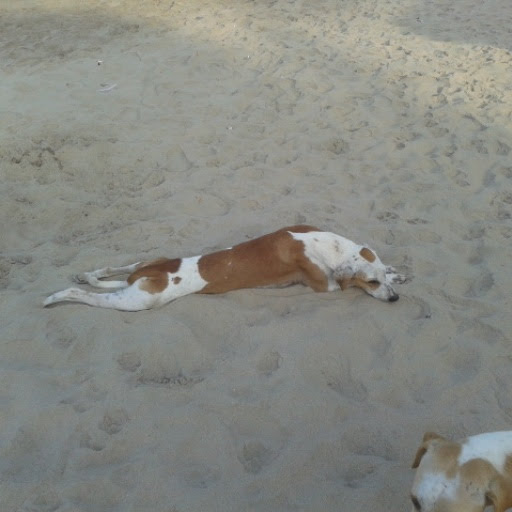
As noted above, some street / beach dogs are completely content and happy were they are.
It may look rough to you and I, but that little space they mill about in is their home. Some dogs just aren’t used to being mollycoddled and cooped up inside, but may appreciate a pet, a bit of food, and some attention in their gaff and on their terms. They just want to roam, as street / beach dogs do, and there is absolutely nothing wrong with that. They deserve space in this world like we all do.
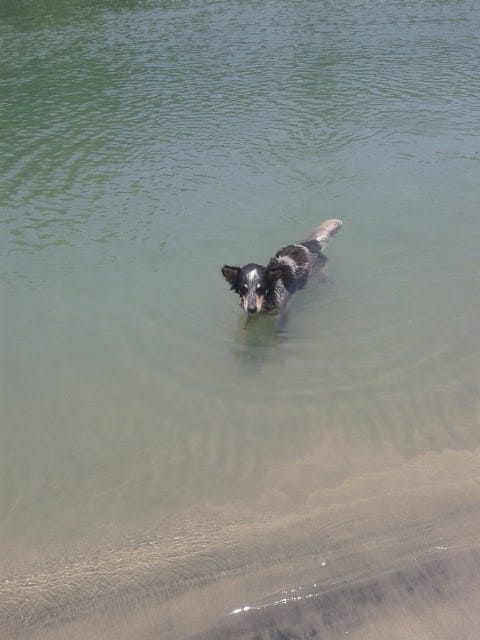
The more adoptable guys, are the ones you know will not survive on the big bad streets, or the ones that don’t have a pack. And, yes, there are the ones that just love humans, and will thrive with human contact and a loving home.
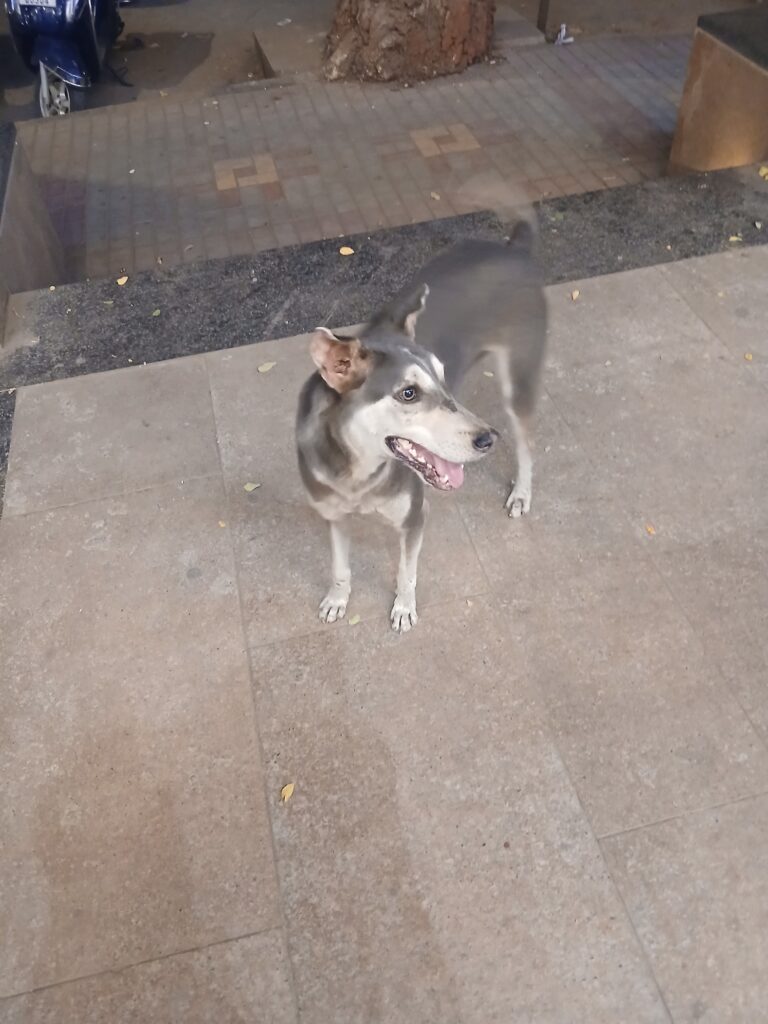
Our Martha
We met our Martha in 2005 when on a RTW trip. She sought us out with a shake of the paw.
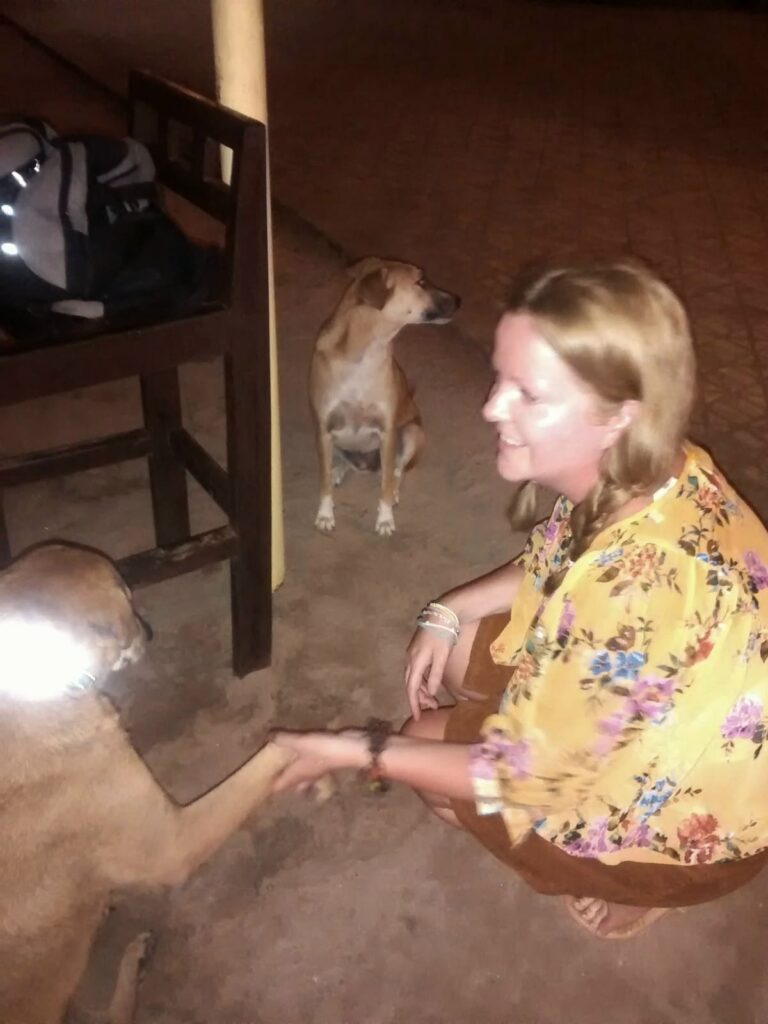
We were stunned to learn her name was Martha, as its not a popular name in India and it was the name of my dear mum who passed away several years earlier.
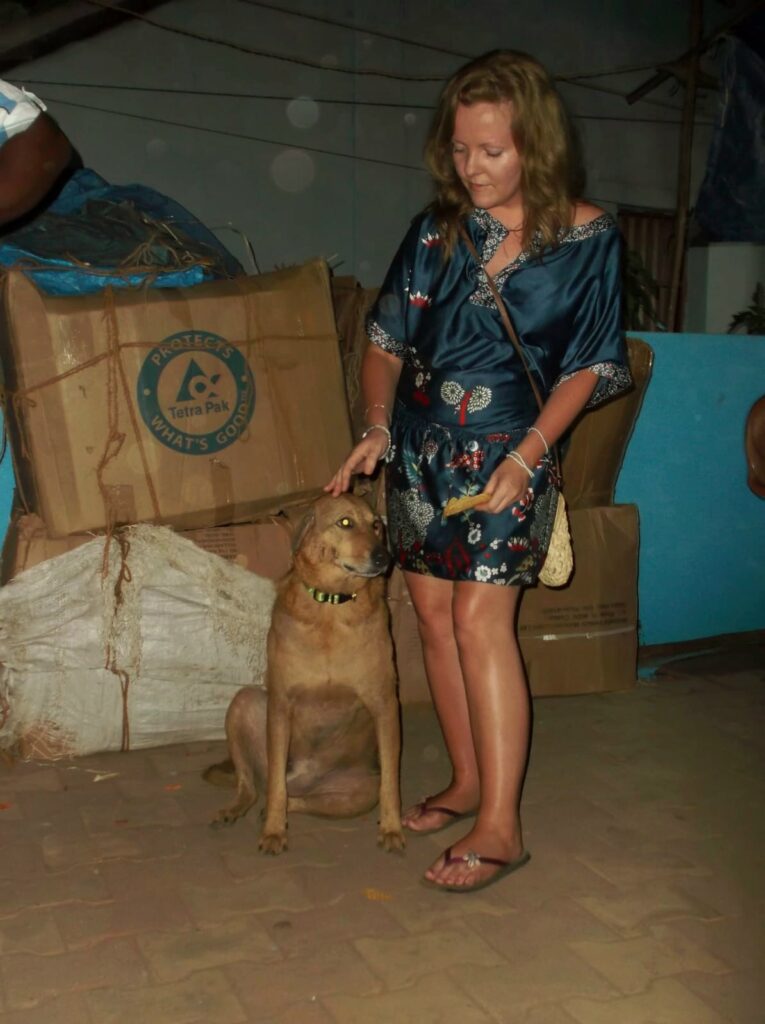
I took it as a sign there was still joy to be had in the world.
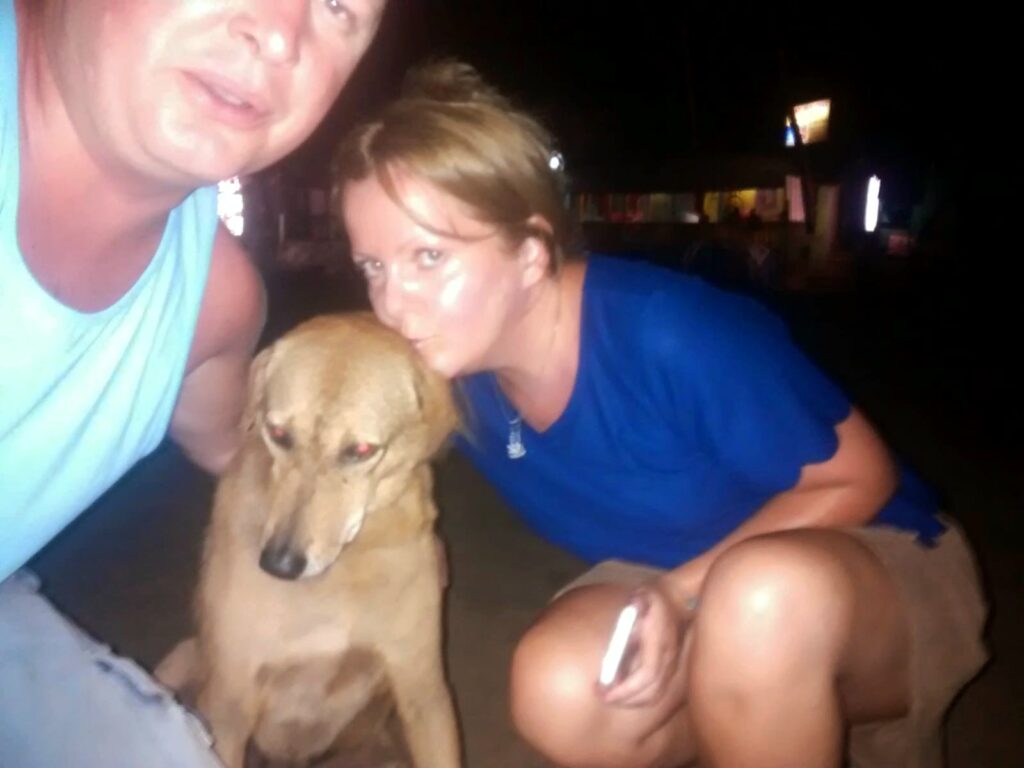
Relaxed living
She lived in Casa Fiesta, a restaurant in Palolem, Goa, with her family pack.
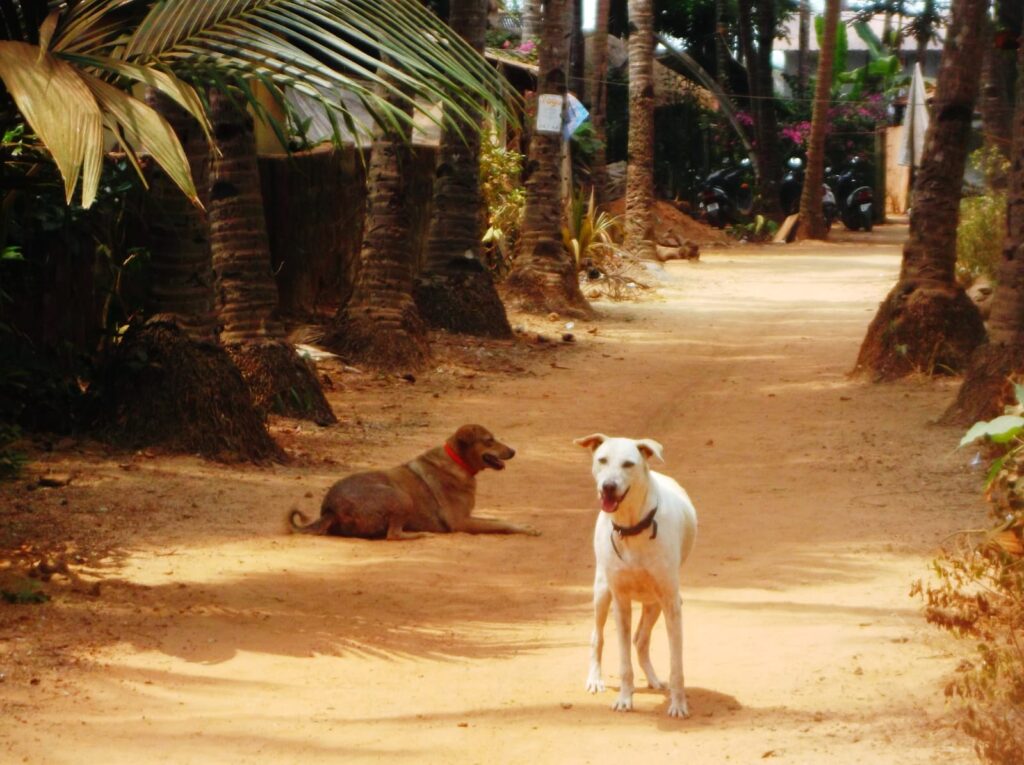
Shanty (her mother), Milky (her grandmother) and Coalman (the grandfather and the boss). You also had Mushroom, the cousin of Martha, who lived down the road hanging about a lot.
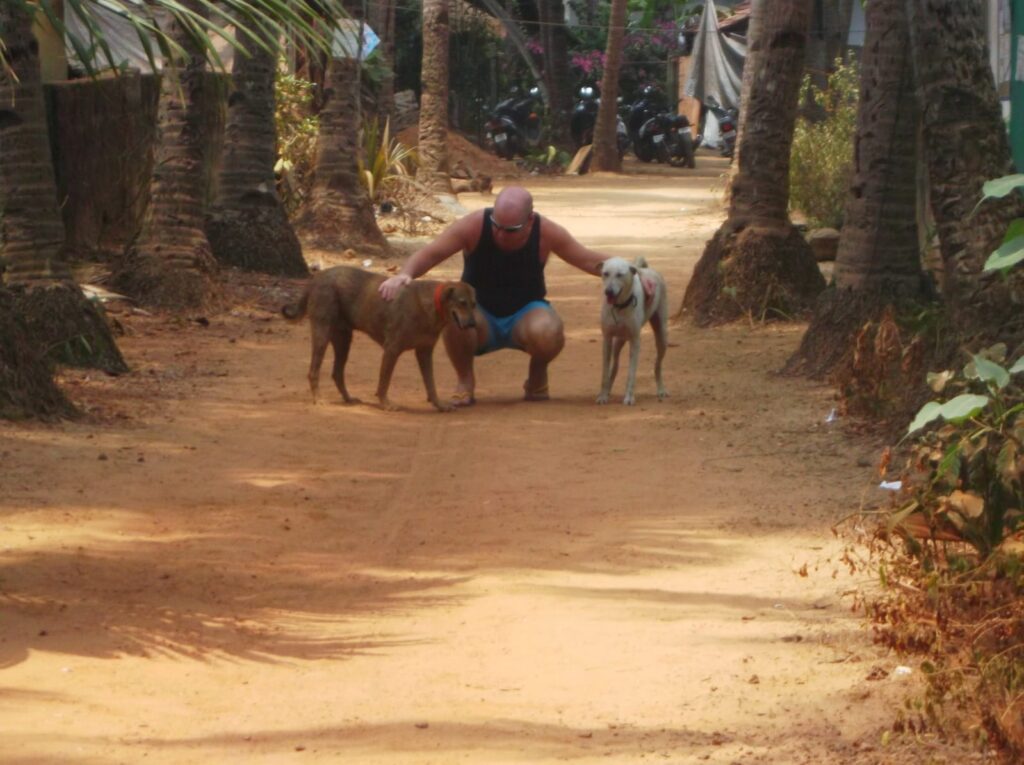
Martha and Mushroom got on very well. However when together they could get very mischievous. They would love to follow us to the beach. However, that was difficult with the packs there.
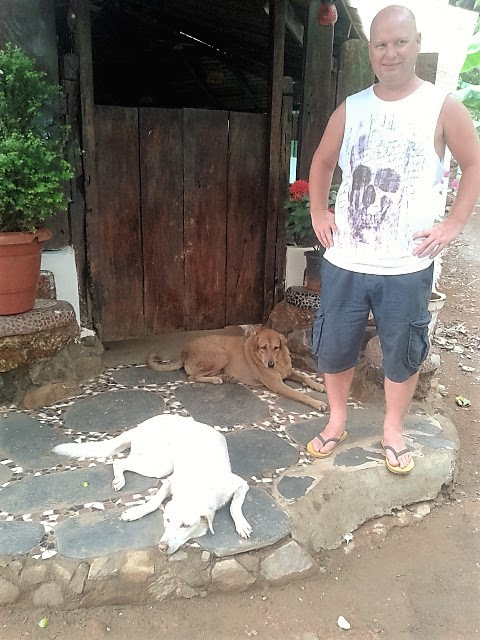
You could say Martha and her family had a good life. Definitely better compared to other dogs in the area.
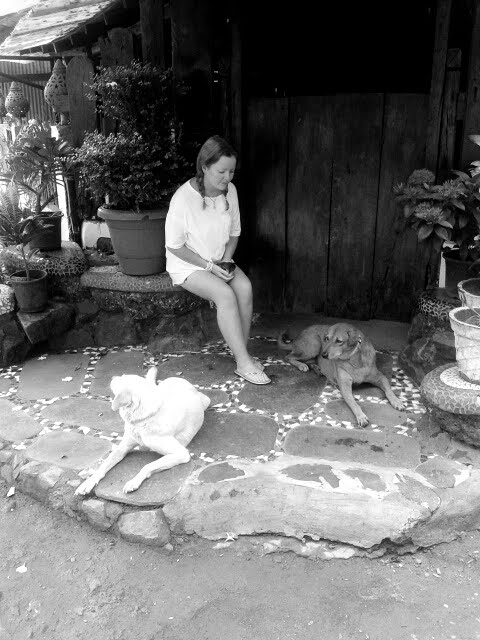
A change in circumstances
Unfortunately, the restaurant closed when she got older and that’s when things with her and her pack went down hill a tad.
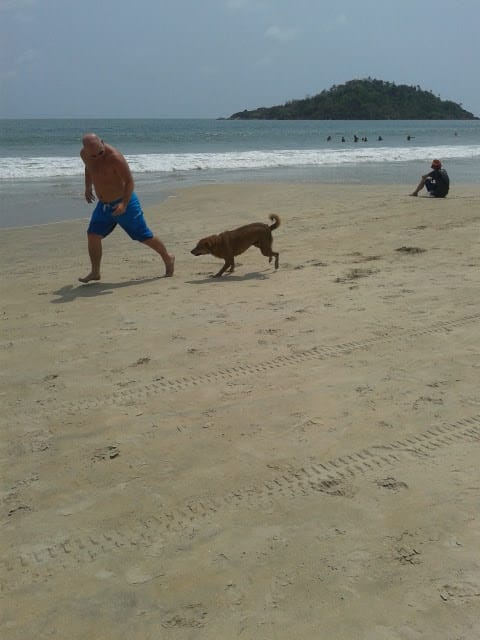
Coalman died, by a hit and run before Casa closed, so it was only Martha, Milky, Shanty and Mushroom left. The family who rented Casa at the time had a shop and a house not far, so Martha and Milky would go there on occasion. They still got fed but not as regularly as when the restaurant was open. Shanty still hung around Casa regardless of it being closed. Maybe she didn’t realise, or maybe she was glad of the peace and quiet. She always loved sitting high up on the wall.
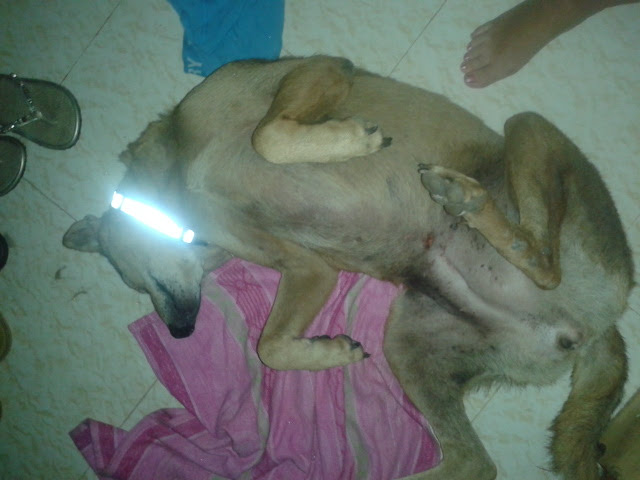
As time went on, you could see all the dogs were unkempt and weren’t getting fed as regularly. Martha had skin issues and ear problems that needed attention. Unfortunately, during that time, Milky also passed away. She was older at probably around 14.
We always considered bringing Martha back to Ireland, even in the early days, but who were we to take her out of our home and away from her family? She had a good life.
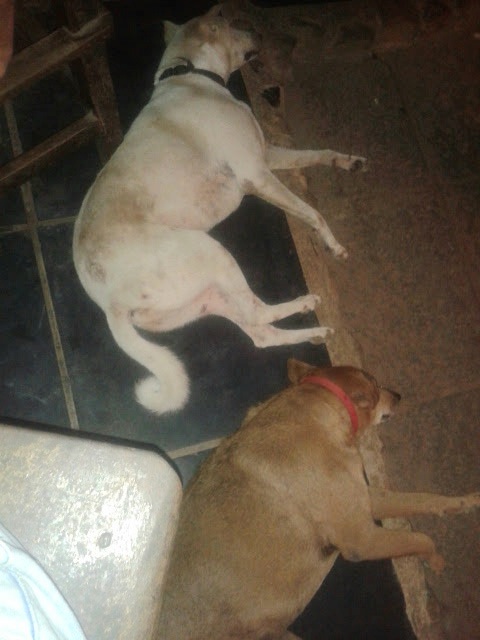
It got harder at the end though, but at that stage we were advised she would be too old to make the long journey. Fortunately, there were several people who looked out for her, which we our eternally grateful for. Sangam, a worker in Cheeky Chapati would ensure she got fed and bath her regularly. Janie, from ARC, also would treat her with kindness when ever Martha had to visit the vet. It was never the same as Casa days. It was hard for us, and her, being thousands of miles apart.
The Martha we shall never forget
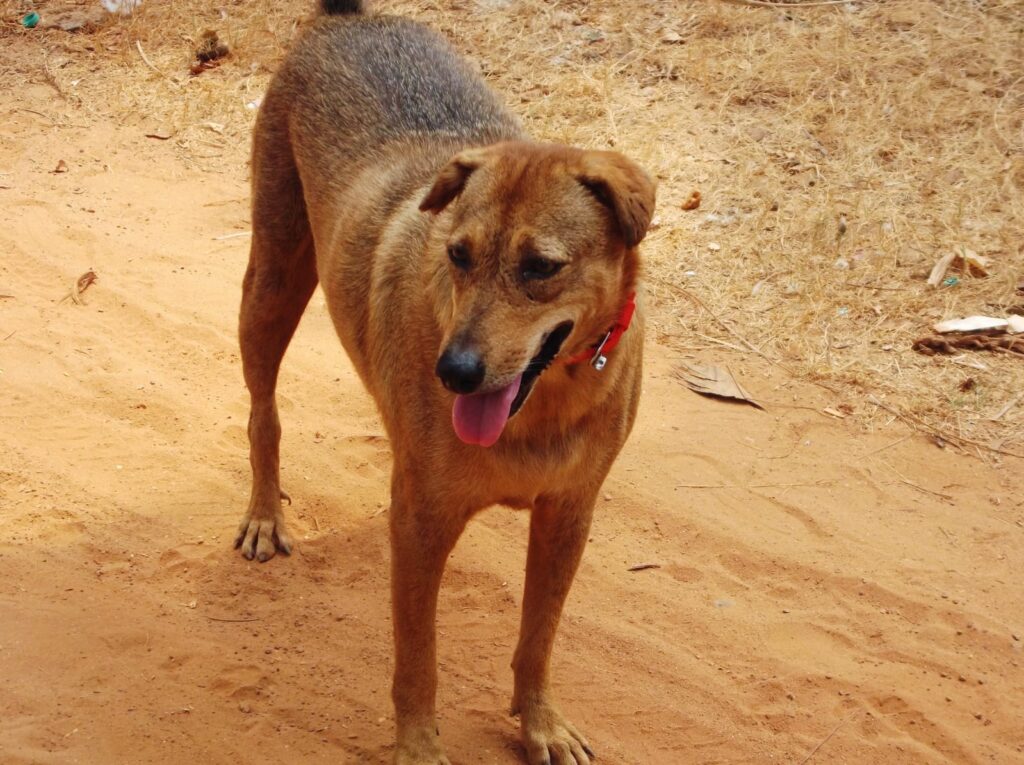
Martha was one of a kind. A good-looking dog with a turned up, curly tail and a strut that could shame any catwalk model. She was loved by most locals and had stolen our hearts.
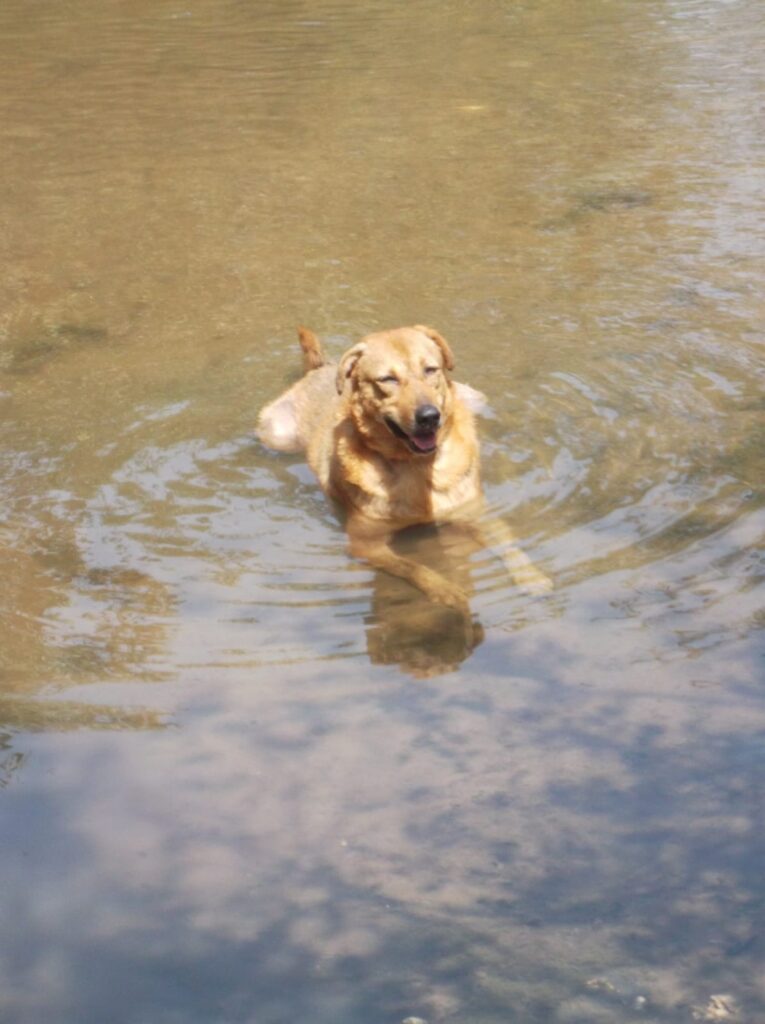
Over the years that dog, give us so much joy and laughs. She loved laying in the river but not the sea.
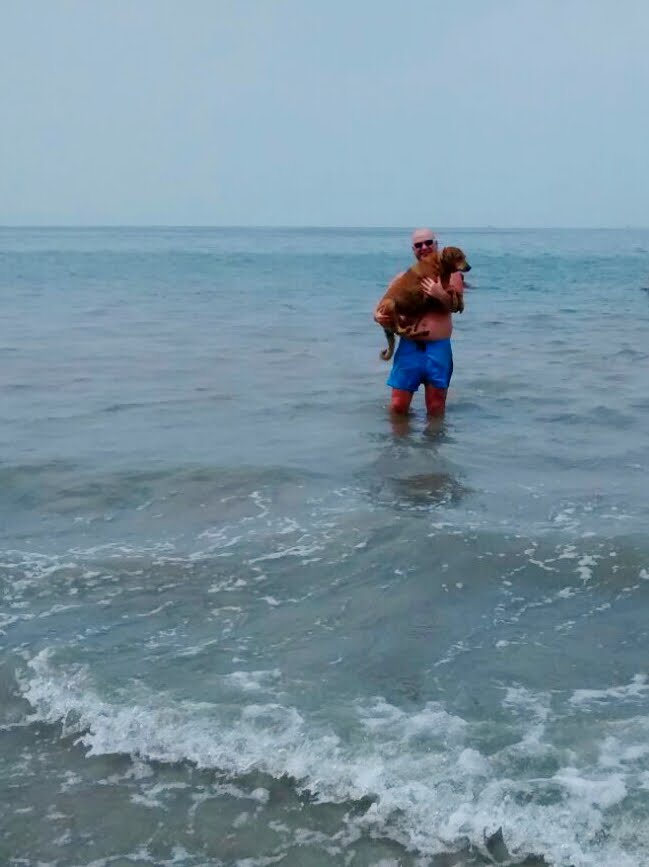
Try putting her in the sea and her dirty look would have knocked you down. Quite funny really lol
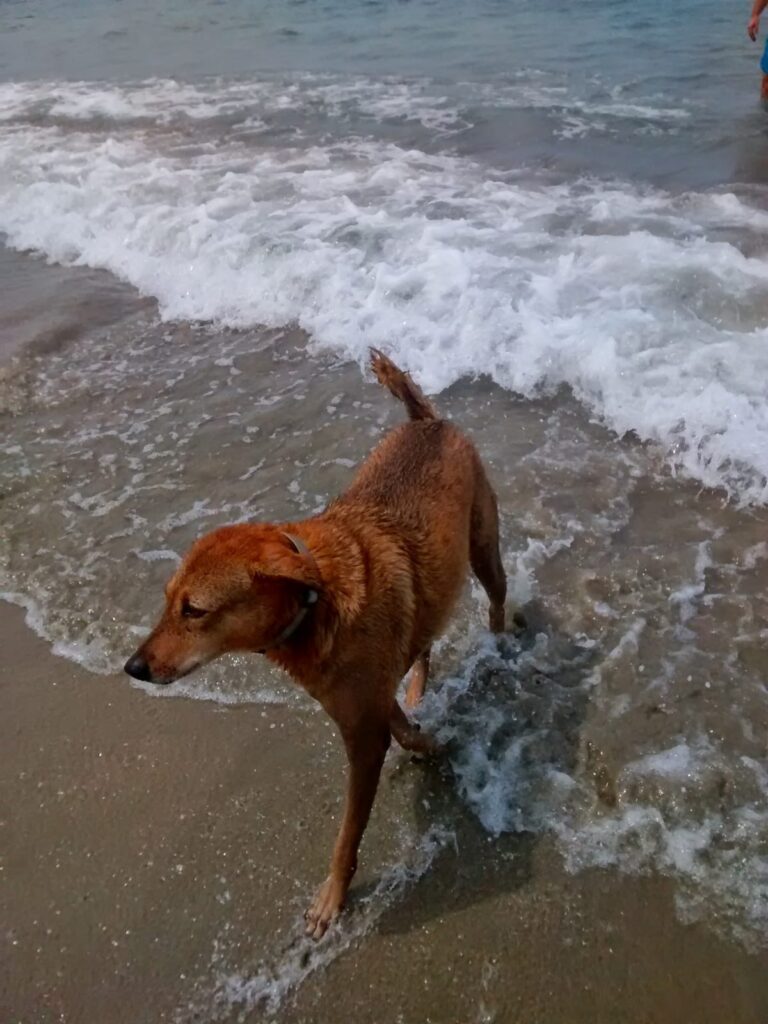
She did adore running on the beach though. Due to there being so many packs, it was a rare treat for her.
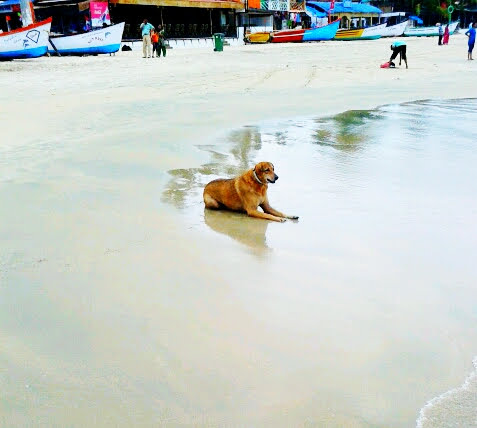
Sometimes, cheekily, she would follow us down there without us knowing until she popped out giving us her mischievous grin! She’ll always be a massive part of our lives and will always be close to our heart.
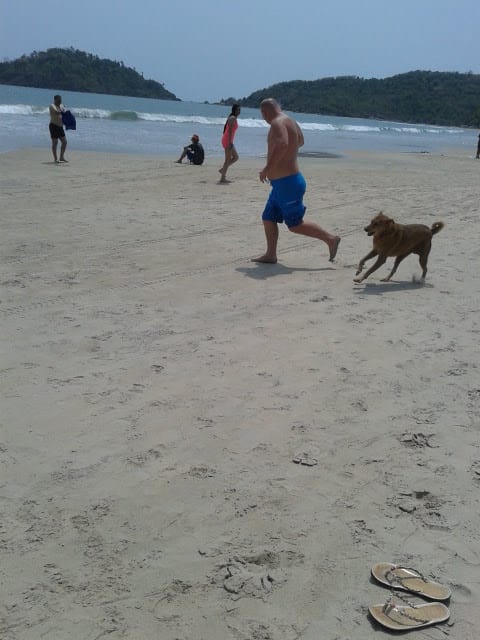
She passed in November 2016 around 11 years old. ❤️
Shanty
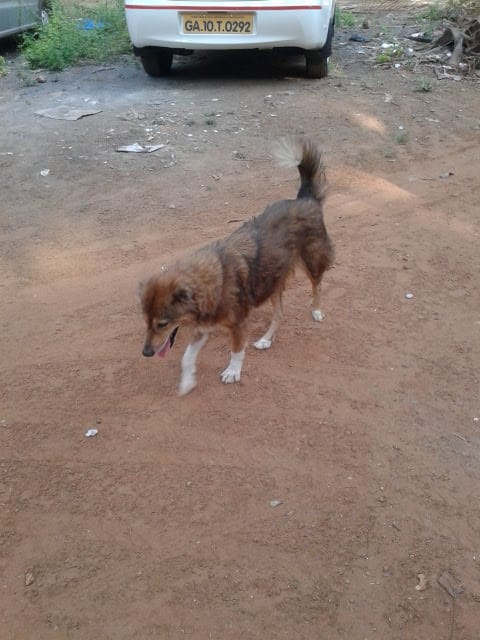
Shanty was a lovely girl, a long coat, crimped in places. She preferred to go off on her own sometimes, whether that was laying in a quiet, undisturbed spot, high on a wall or in a corner somewhere out of sight.
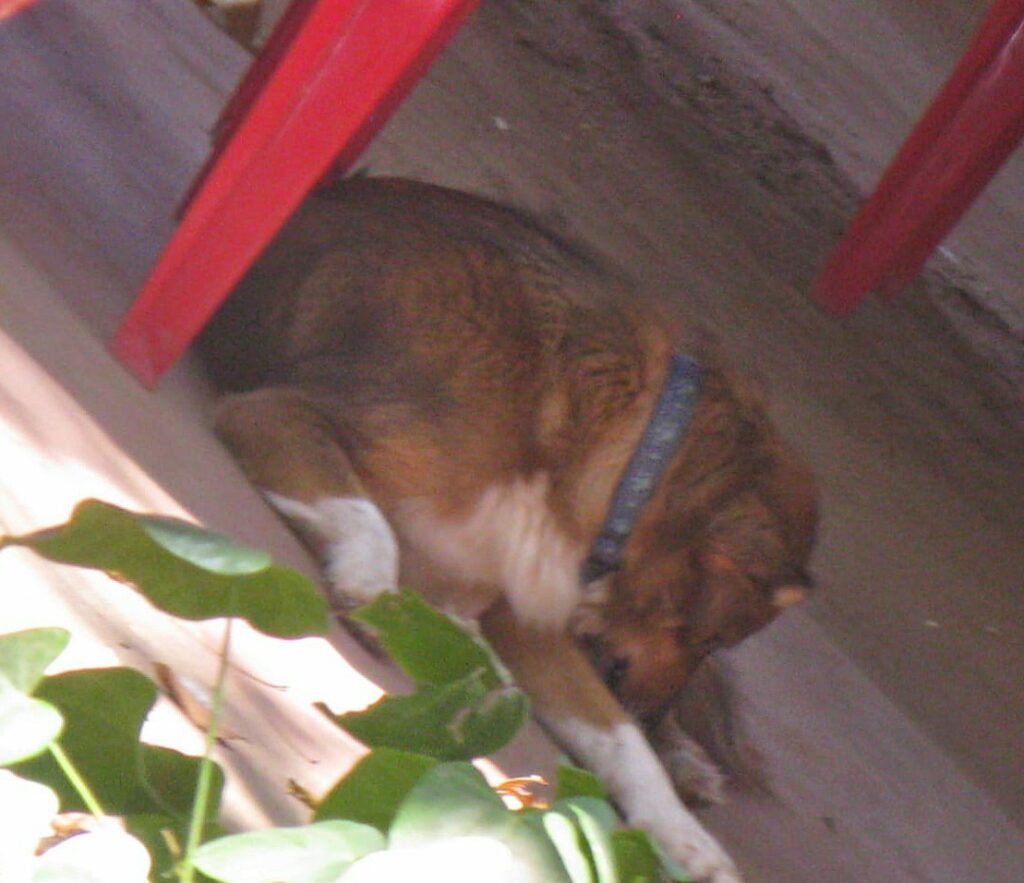
Shanty was the last one of the clan to pass, not long after her daughter Martha. Never forgotten.
Milky
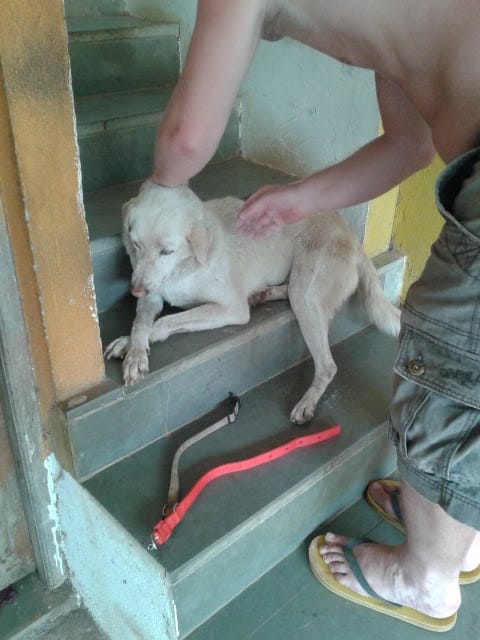
Milky, the grandmother was a timid girl but once she gained your trust, she was loyal and affectionate.
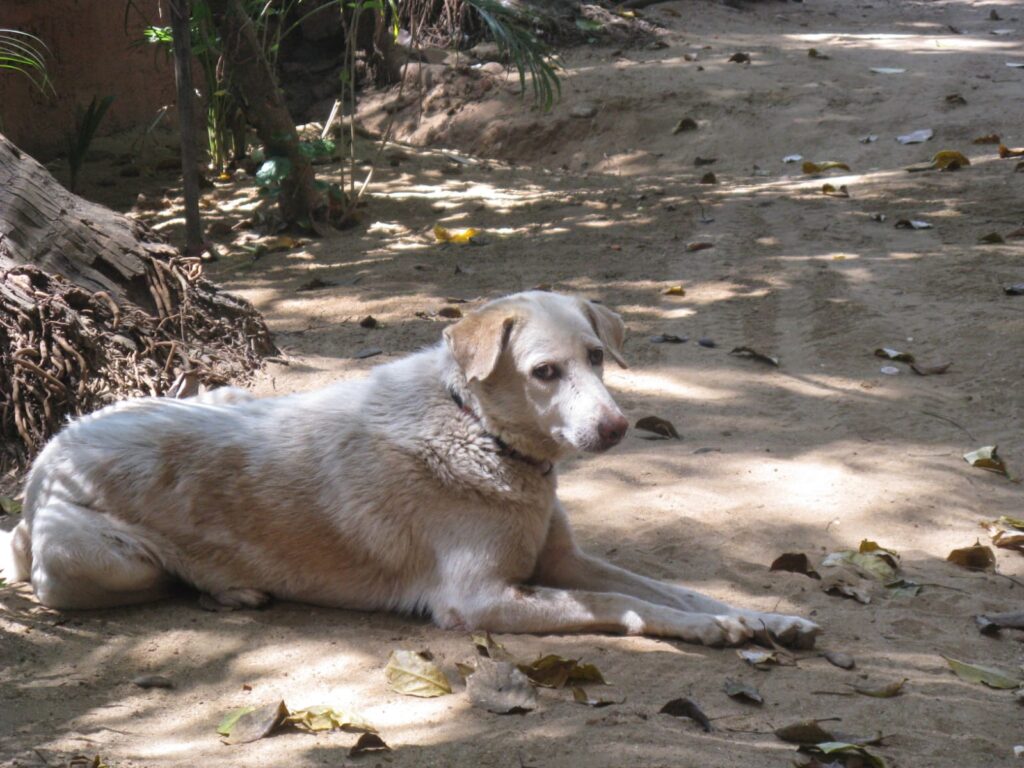
She also had another side to her, which was protective of her territory and family.
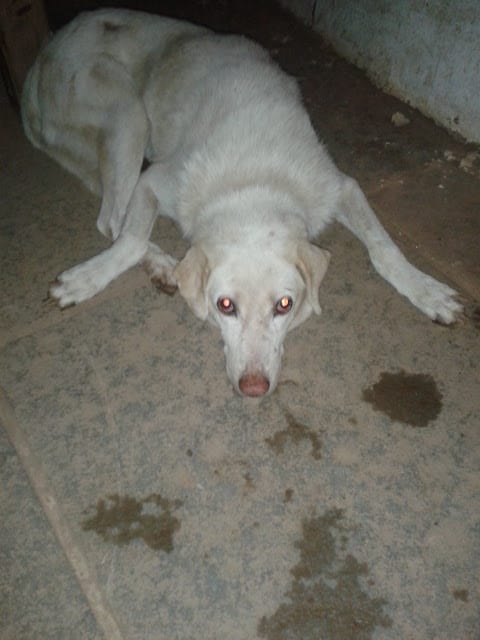
Another lady close to our heart.
Mushroom
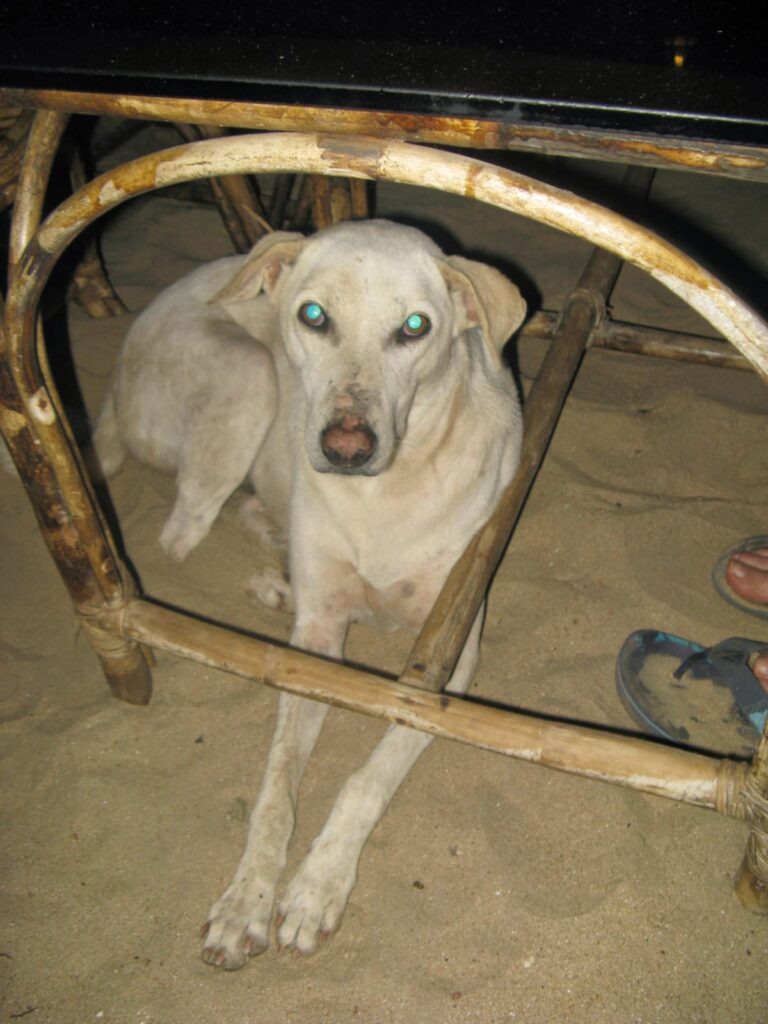
Mushroom was a lovely, gentle but mischievous boy. He loved nothing more than lifting his leg and marking his territory. It didn’t go down well with the stall holders, when he and Martha came on a walk with us to the riverbank. We did have a giggle.
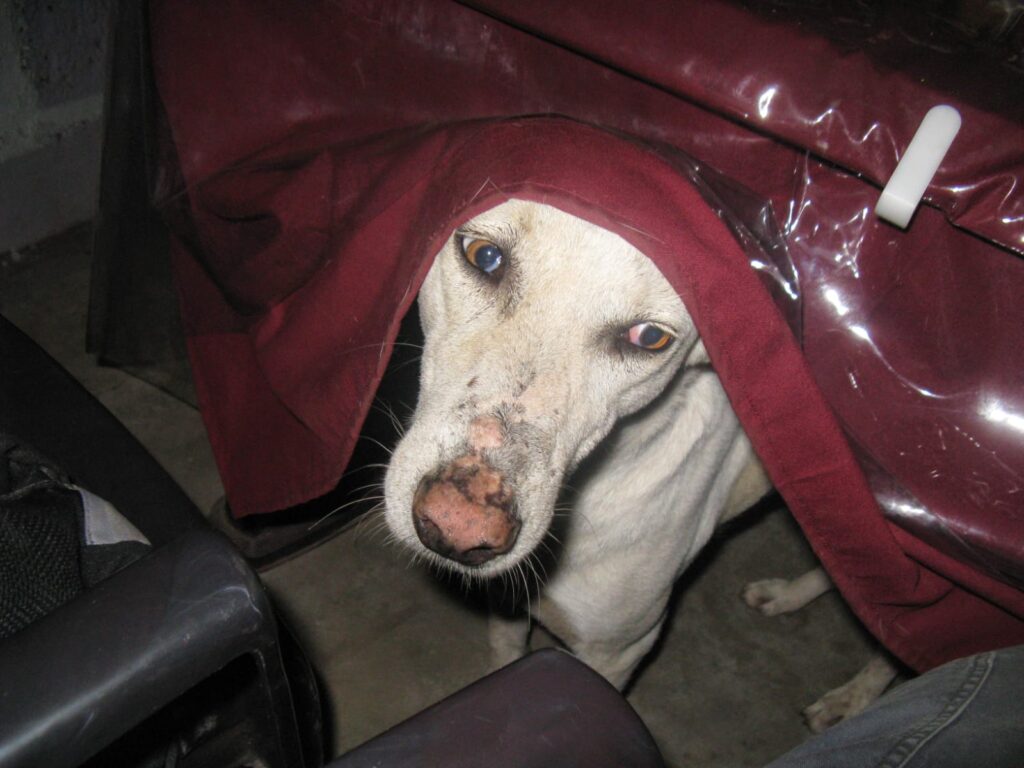
Sadly Mushroom also died from a hit and run.
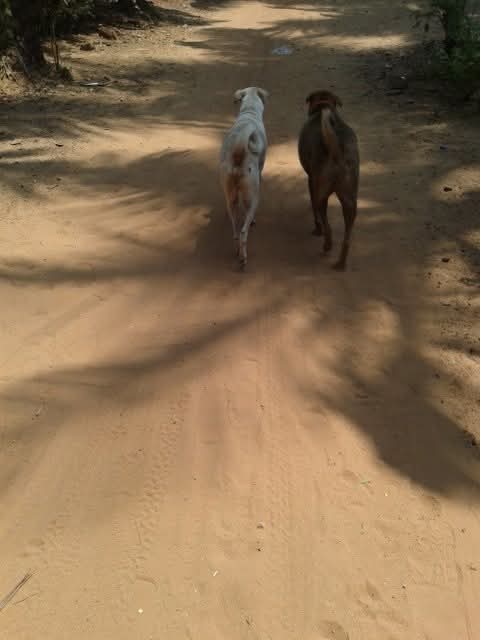
He was only around 8 years old. Martha especially missed him terribly.
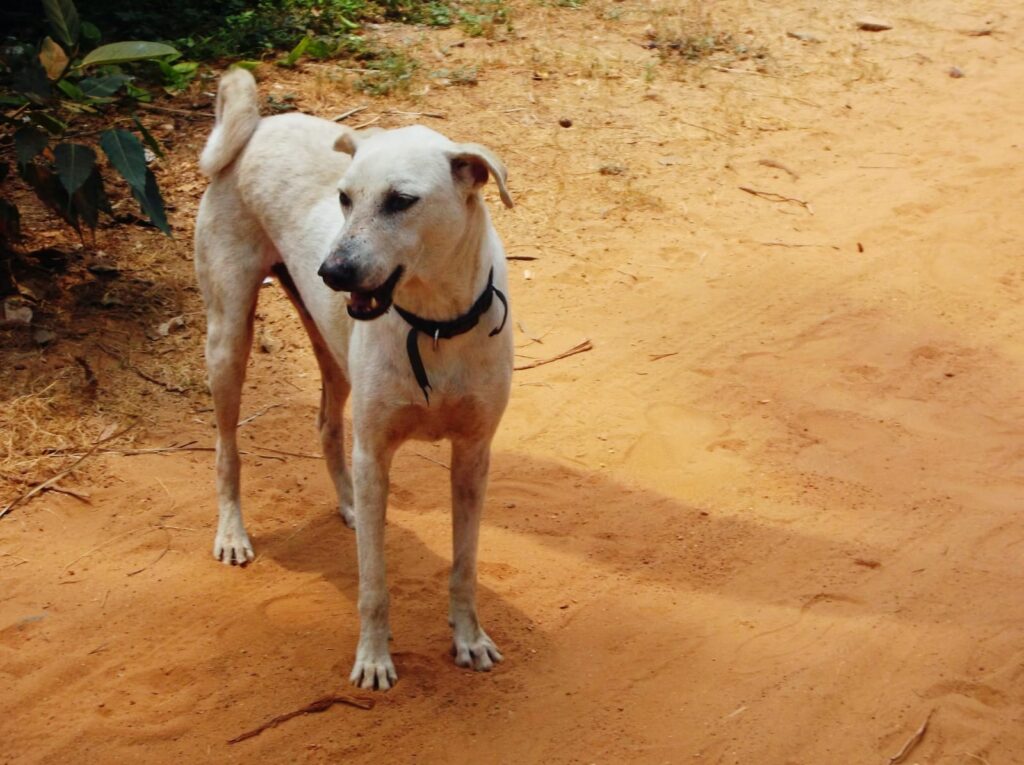
The unconditional love of dogs…
Whether its a dog you have as your best buddy, or even a cat, goat, cow, bird, gerbil, or horse! In fact, any animal being that we form a relationship with and are lucky enough to have a special bond with, will undoubtedly show us unconditional love.
An animal can become part of the family. The loyalty an animal can give is sometimes more than a human can ever give.
They’re there for you when no-one else is. Their ears are always ready to listen without judgement. They know when you’re sad or happy. These friends even get us off our butt’s when we don’t feel like it. Taking responsibility for another being gives us a sense of purpose. Whether that’s taking a dog a walk, cleaning out a gerbil cage, or simply just feeding a horse, we all have to admit, it makes us feel good afterwards. And, that love and kindness can be only a good thing, that makes the world go round.
Please remember when you spot a dog, or any animal that needs some love and care. Reach out, it would be the best thing you ever do.
If you liked reading Paws of india, you maybe interested in:
Palolem in South Goa
Mumbia- The big dusty city