Mumbai Sightseeing – The big dusty city
While the main reason of being in the city was work, we still wanted to explore the Mumbai sightseeing. Mumbia is huge, with a population of around 26 million, not including the street dogs. There are many neighbourhoods, from the Dharavi slums to the fancy Altamount Road known as India’s Billionaires’ Row, due to its luxurious apts and opulent homes.
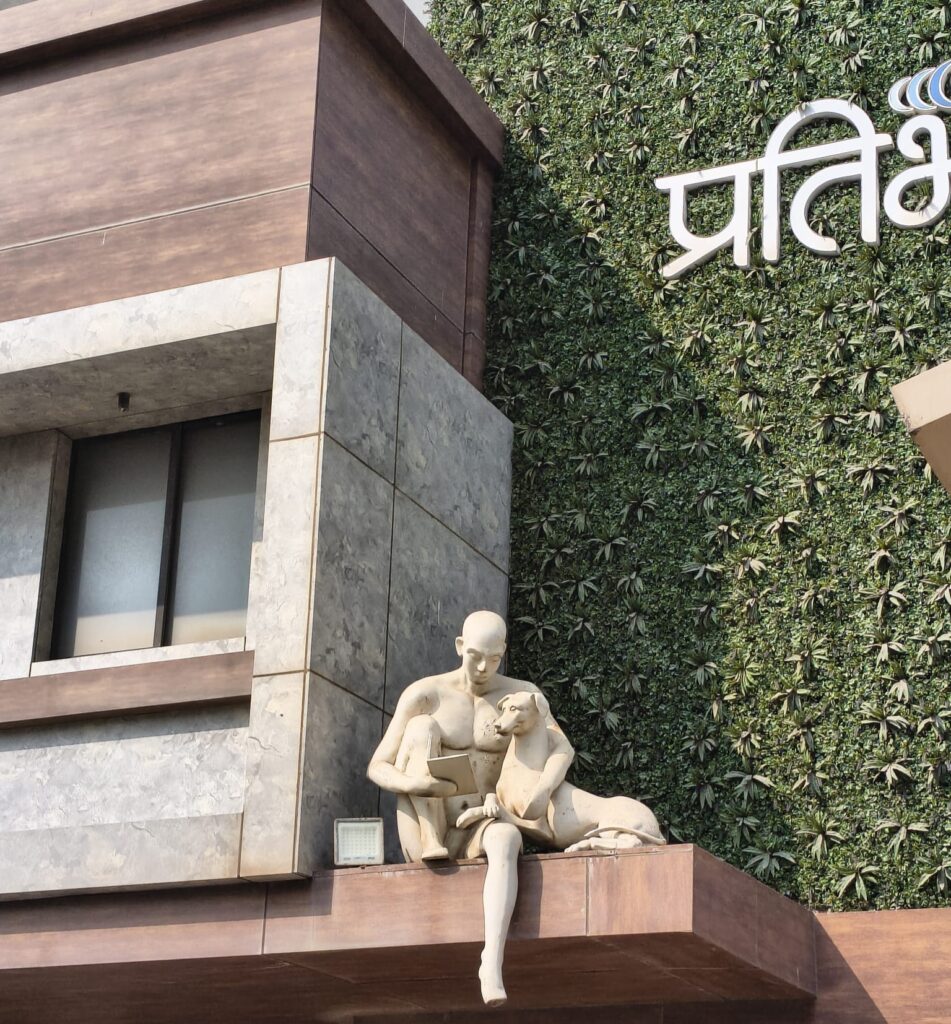
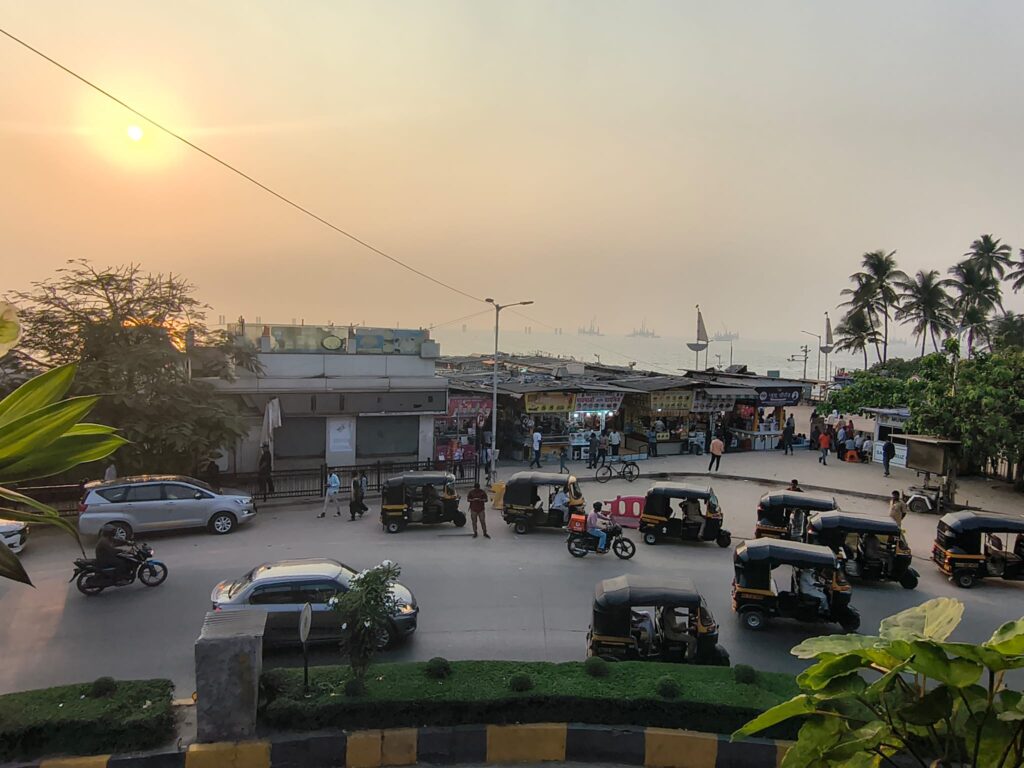
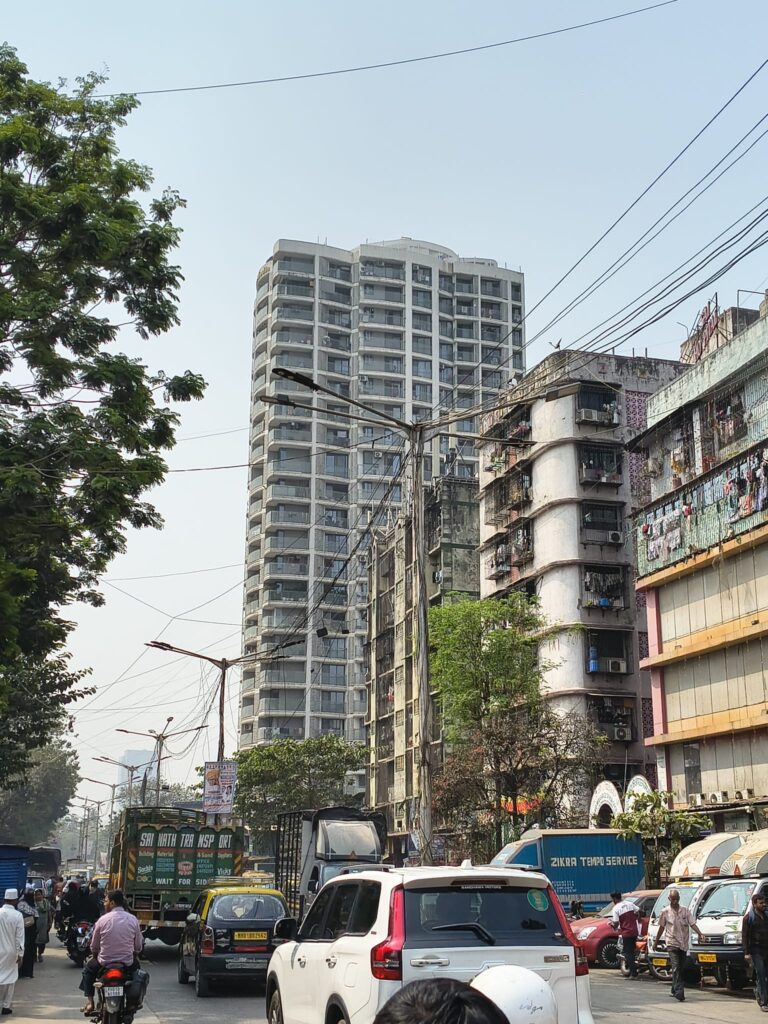
The city is chaotic, dusty and noisy, with horns beeping constantly.
There is a unique mixed smell in Mumbai, that of spices, petrol, dust and garbage. It takes a bit of getting used to.
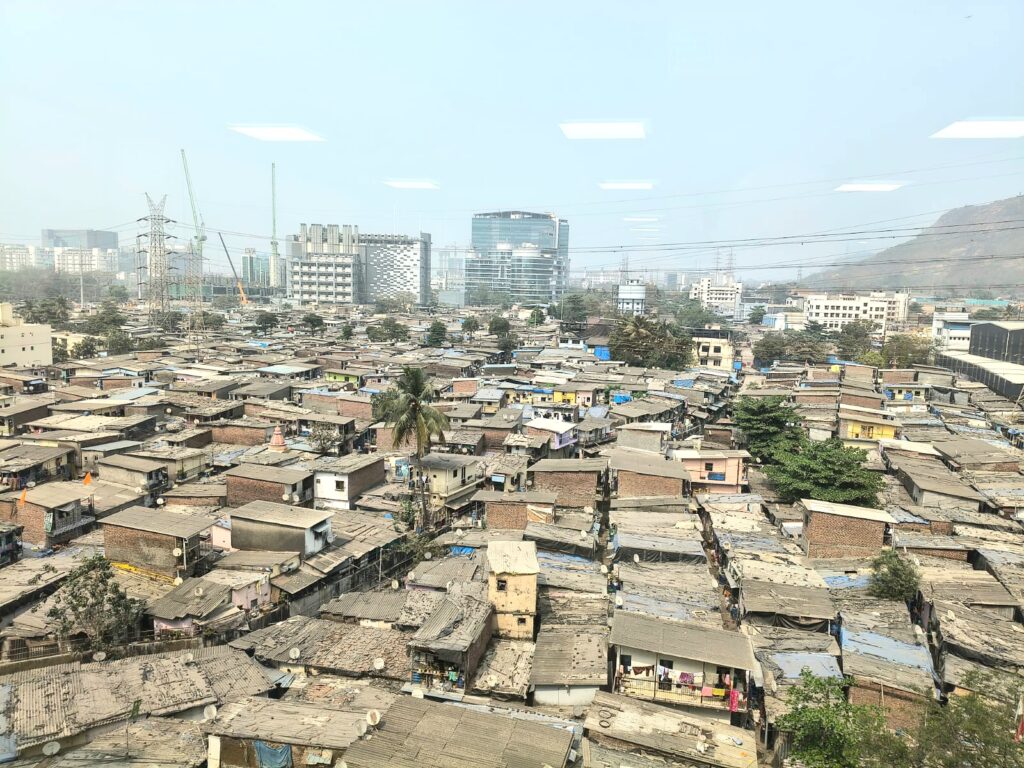
Amongst the big, new shiney buildings, you will see shanty towns. However, even the shanty towns have satellite dishes, as well as the families sporting accessories such as iPhones and ipads!
What to do in Mumbai?
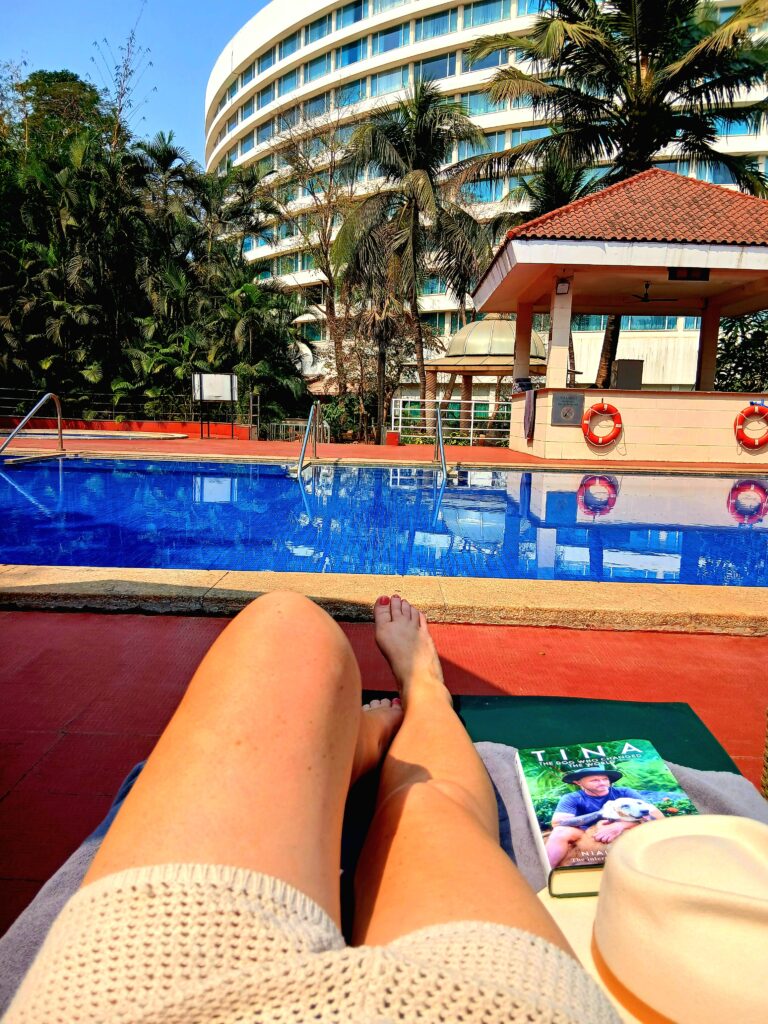
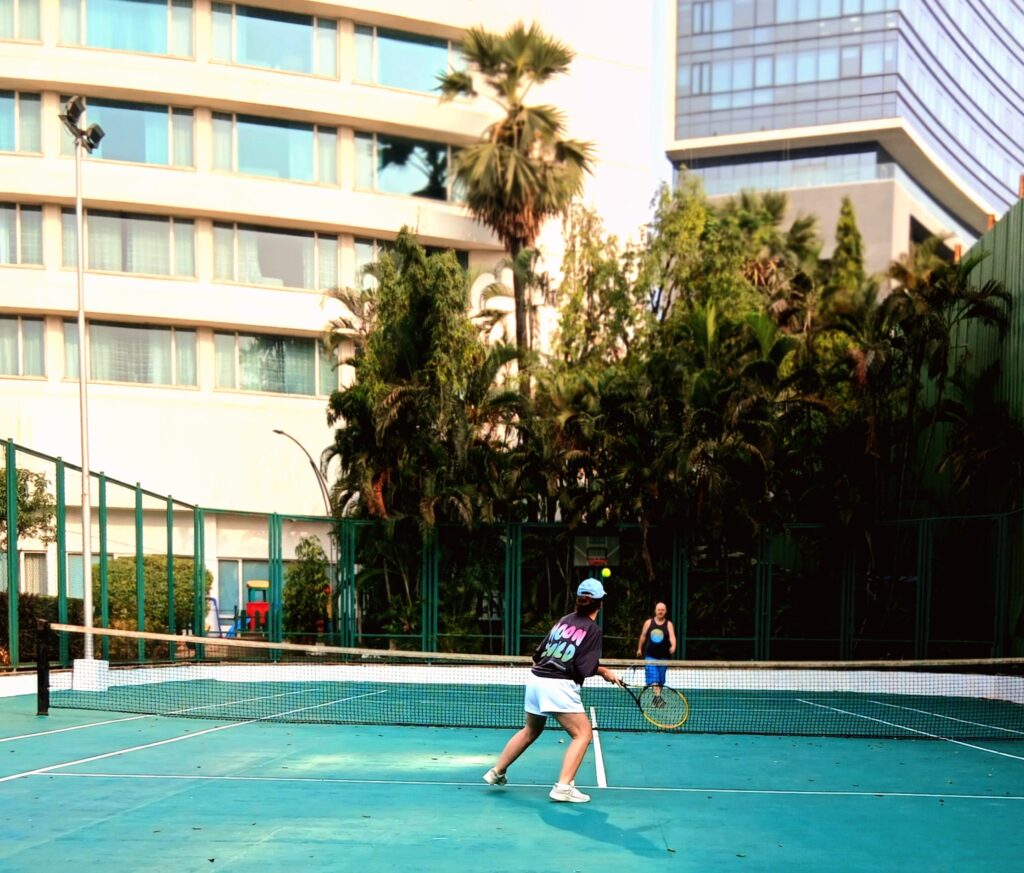
Home is at the hotel / apt complex, Marriott Lakeside executive apts and chalets, for the next 6 months, which has all the comforts of the pools, spa, restaurants, bars, gym and tennis courts.
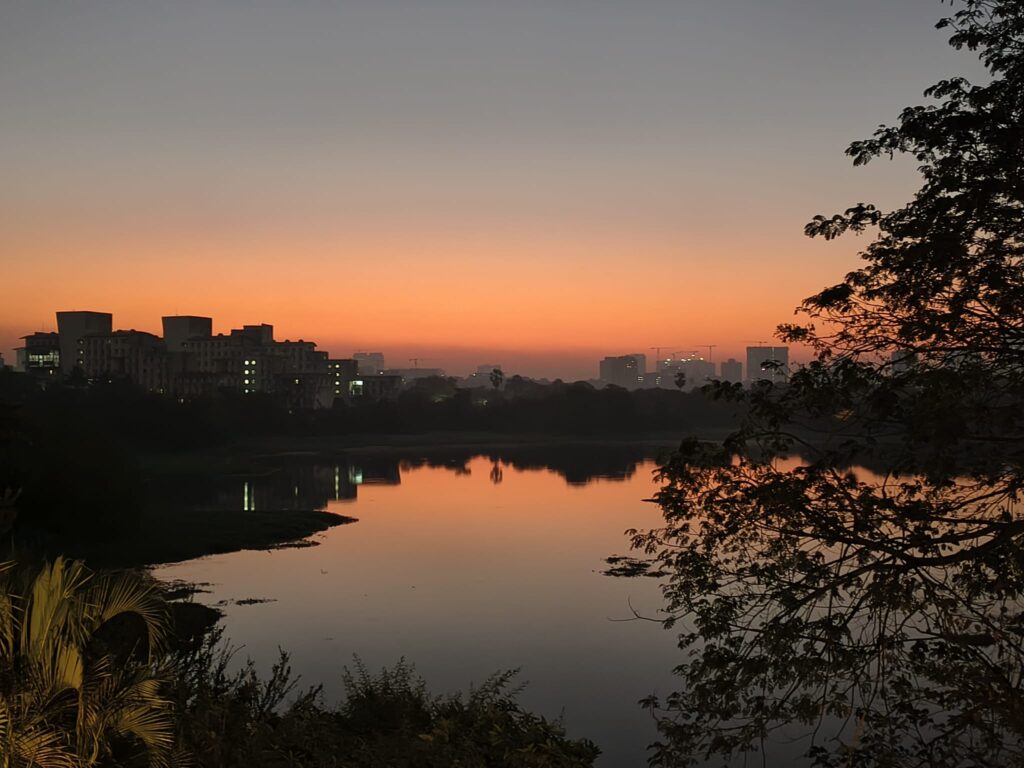
It was a bonus going to the gym early, to wake up with the stunning sunrise over Lake Powai.
However, we still need to venture out of that bubble to explore and take in a bit of Mumbai sightseeing.
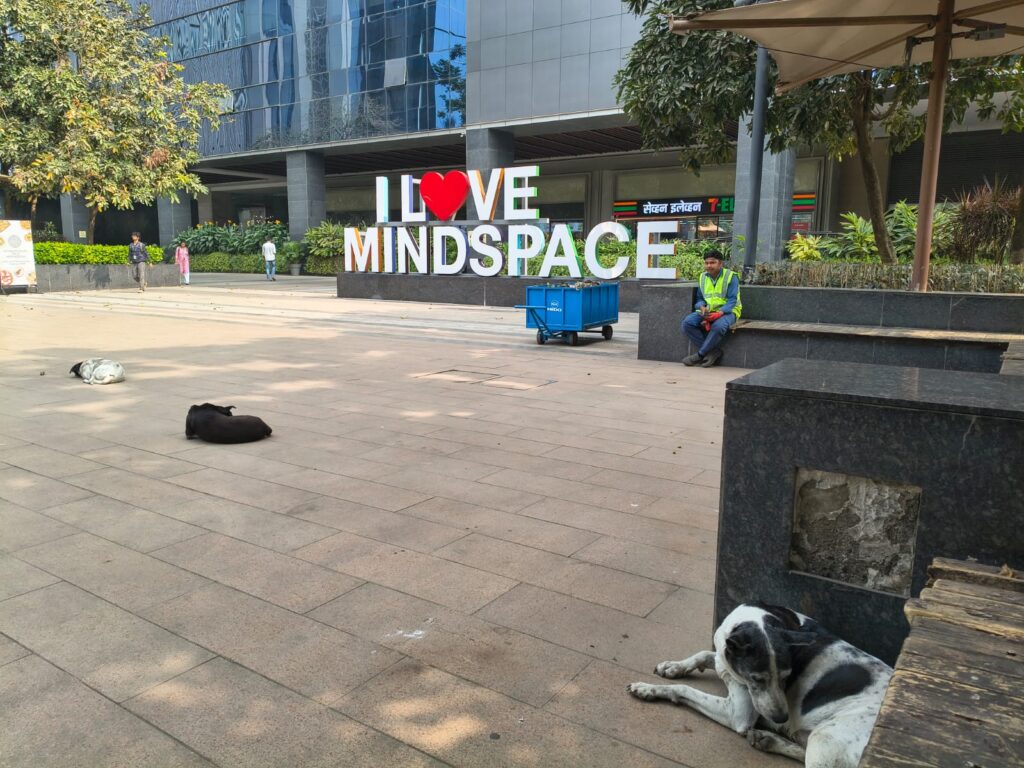
Even though we have been to Mumbai several times, and already saw some sights, we hadn’t done the ‘proper tourist’ thing in a while. So while we are here, we reckoned it was a good opportunity to go freshly over the old Mumbai sightseeing again.
Mumbai Sightseeing
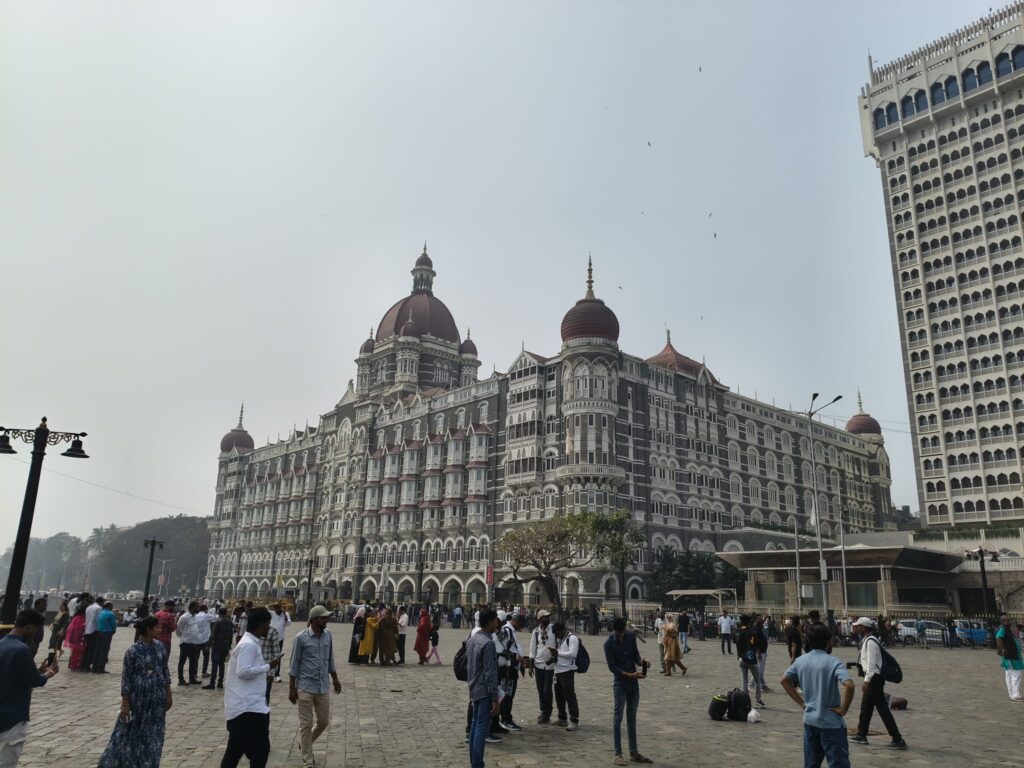
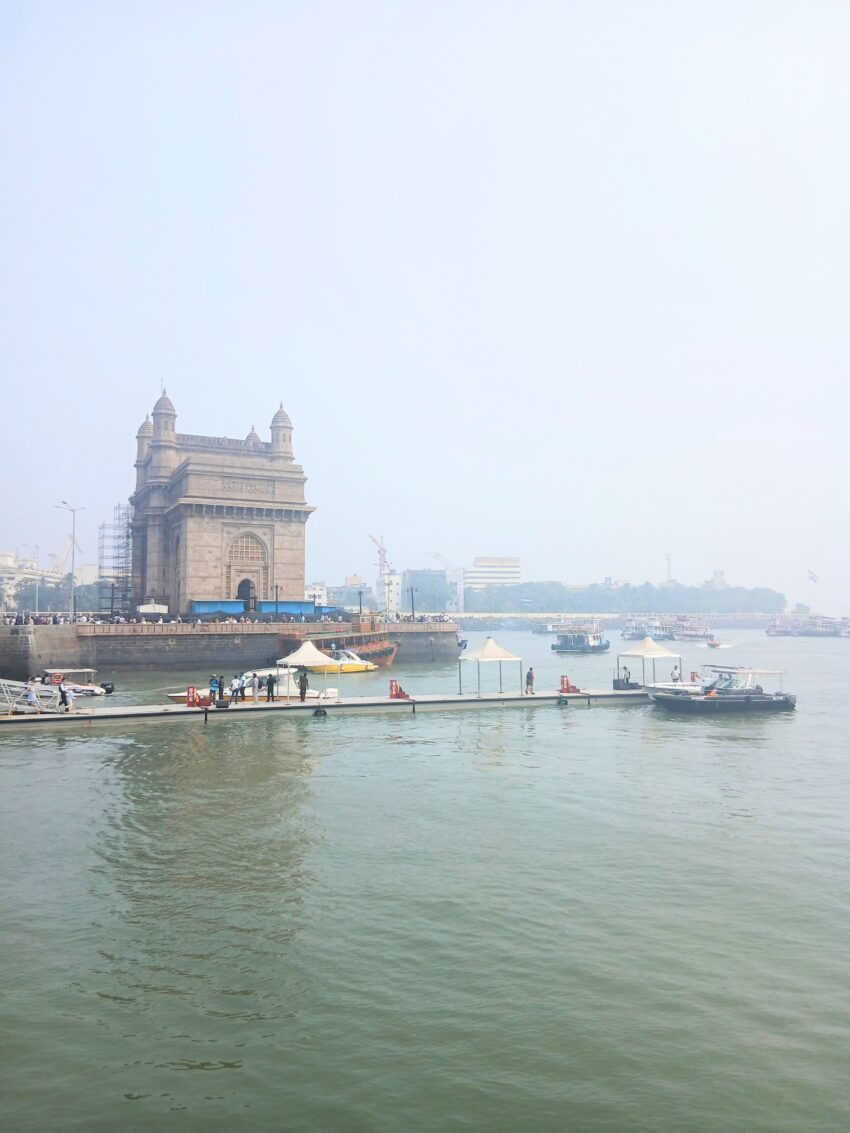
Always a good place to start the traversing through Mumbai, is the gateway of India.
Number 1 Mumbai sightseeing – The Gateway of India
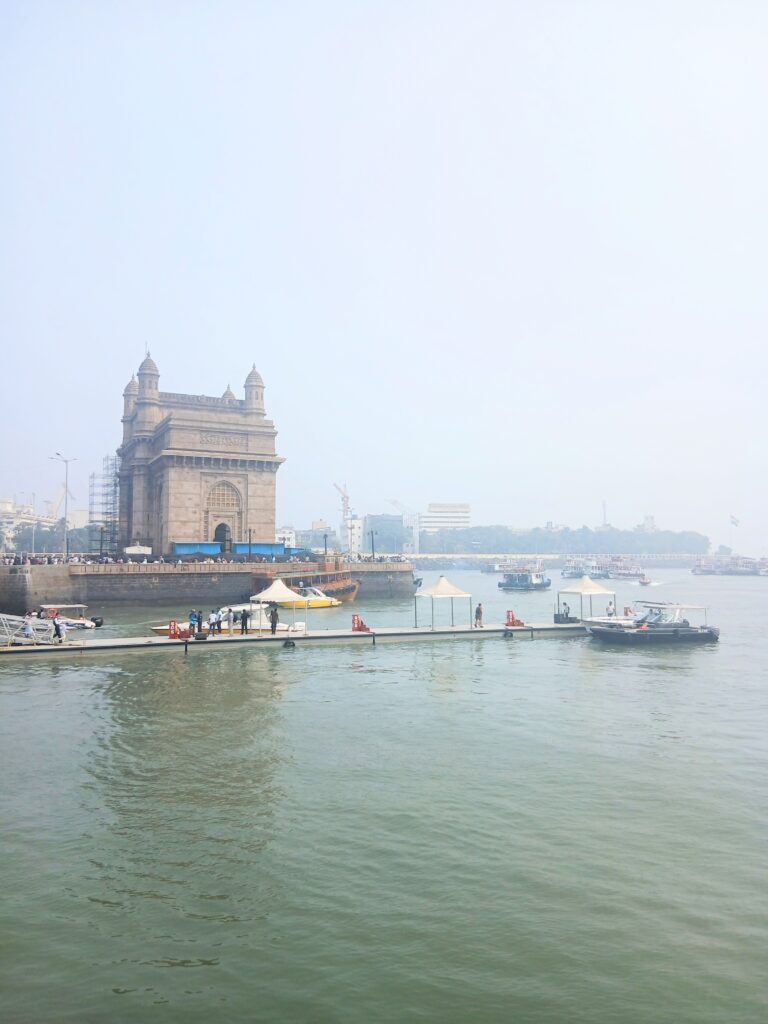
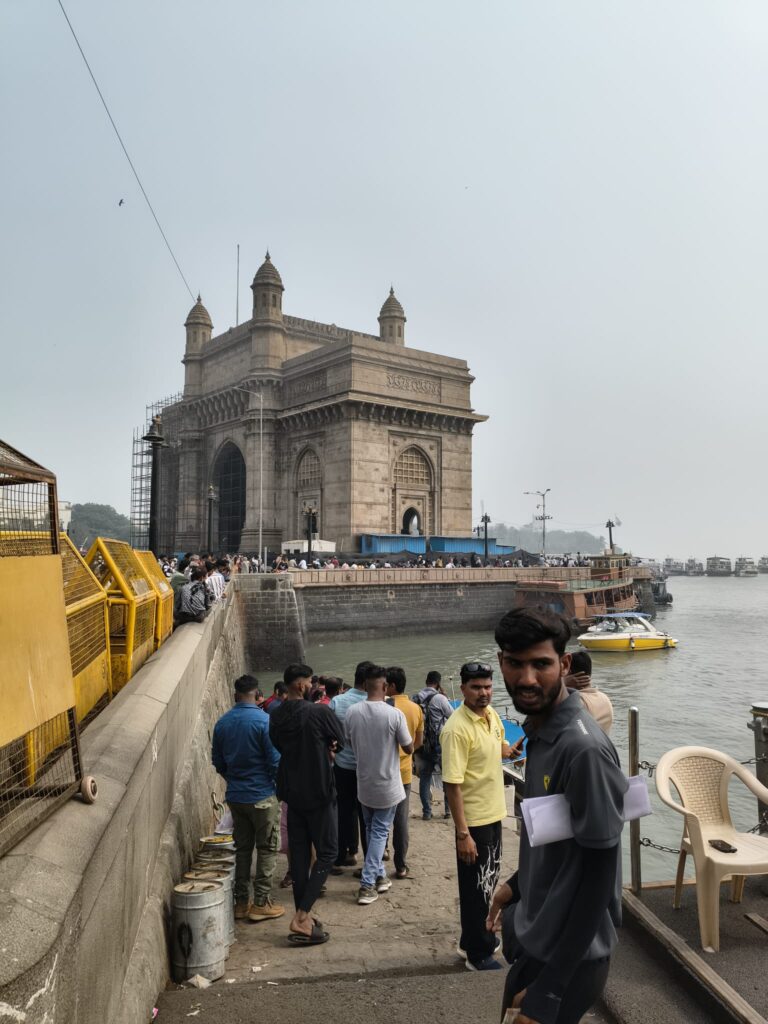
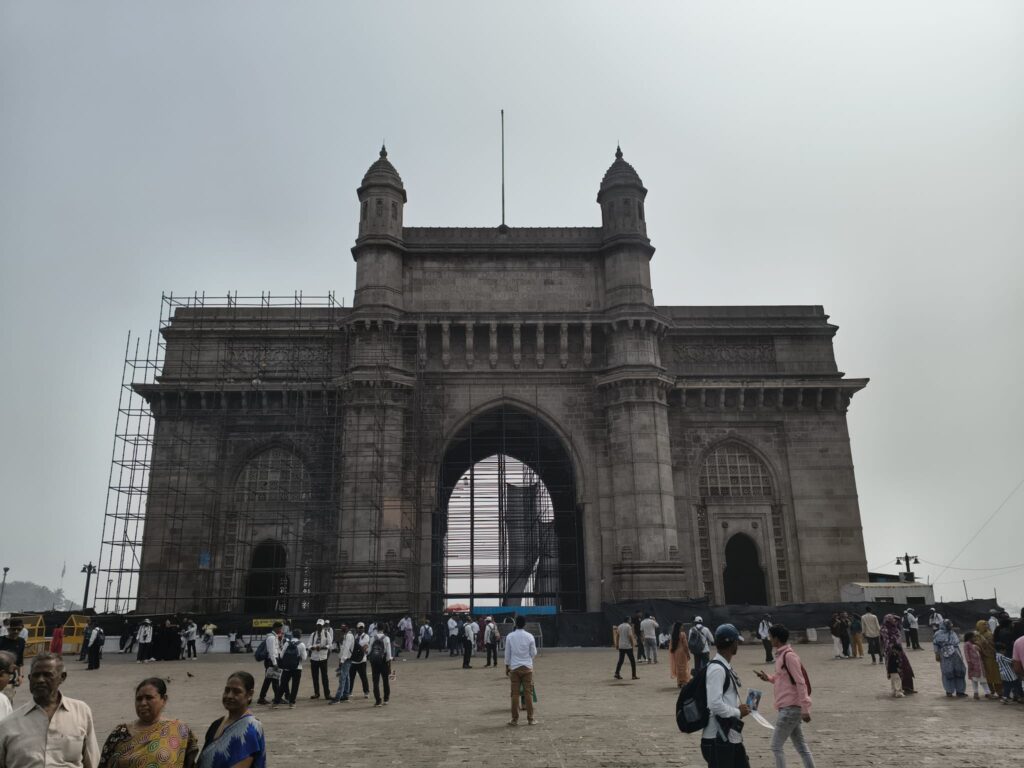
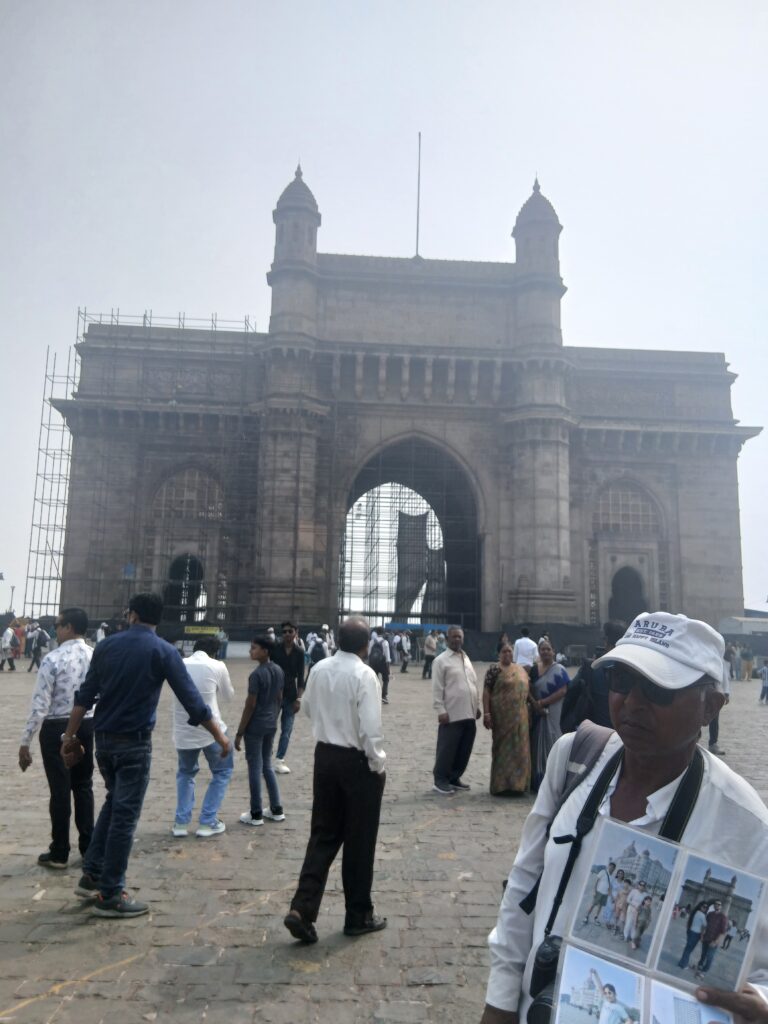
The Gateway of India is an arched Monument which stands at 26 metre high.
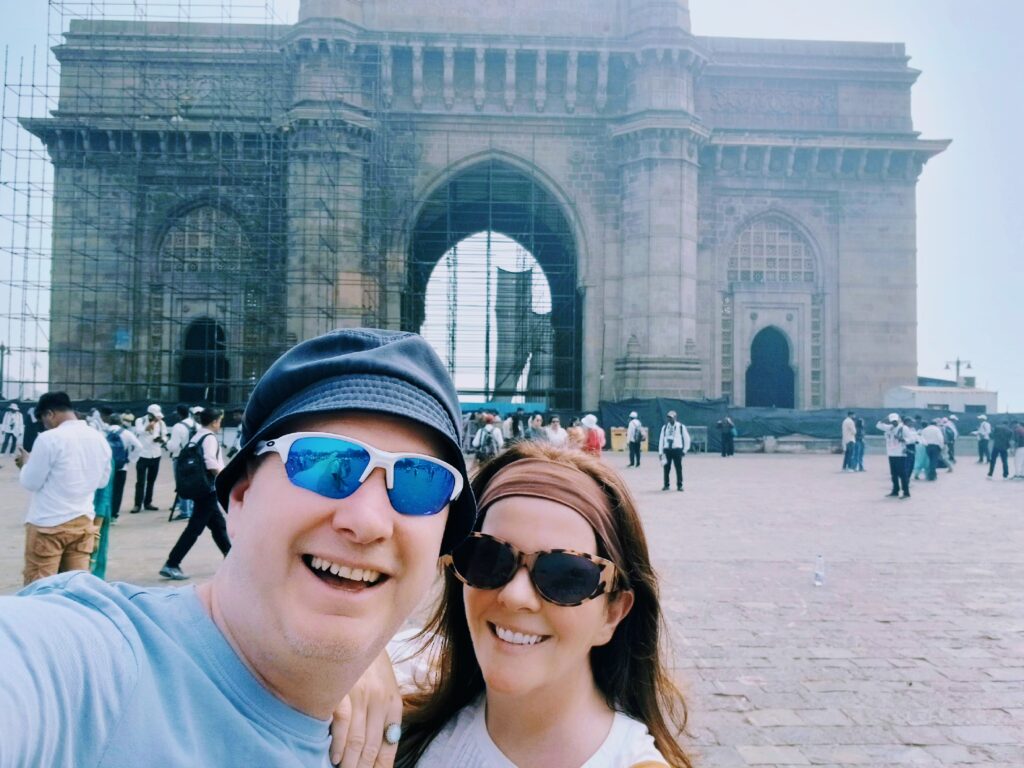
It is located at the waterfront at Apollo Bunder. Built between 1911 and 1924, it commemorates the visit of King George V and Queen Mary to India.
Mumbai Sightseeing – Colaba area.
With shops, bars, restaurants, museums, government buildings etc, this area is bustling and only a few mins from the Gateway of India. Definitely a place on the Mumbai sightseeing list for many tourists. Here are a few of the things we took in while in the area.
Leopold cafe
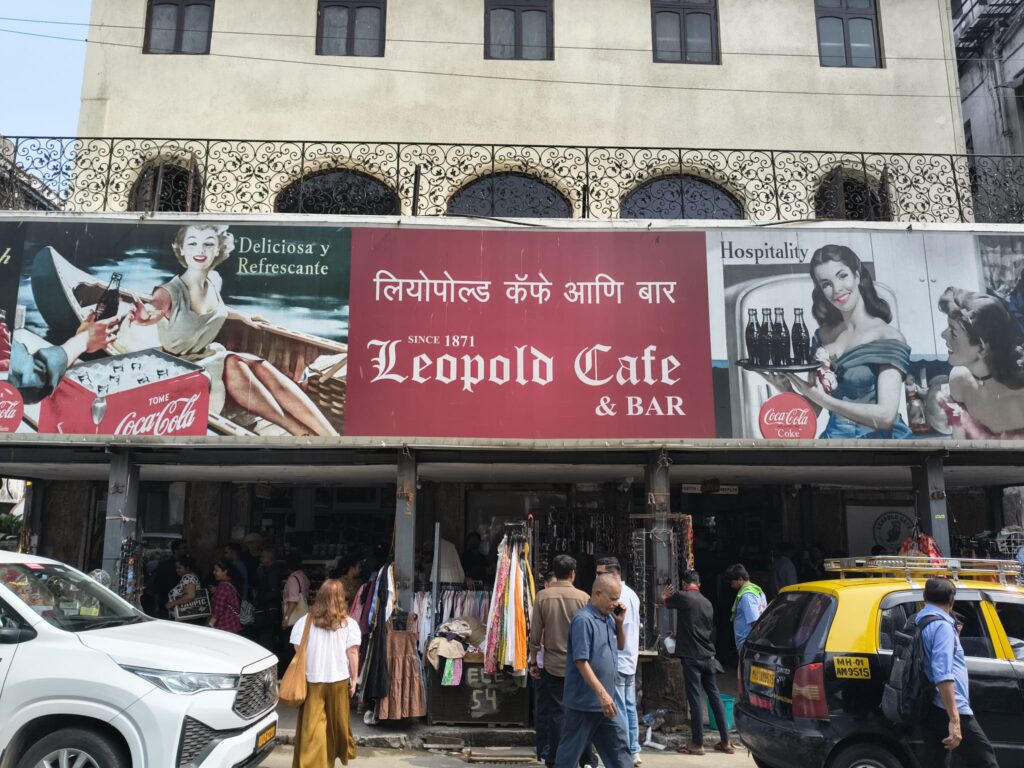
Leopold was established in 1871, and is one of Mumbai’s oldest establishments, evolving from an oil shop to the famous cafe on the busy Colaba Causeway.
From Mumbai sightseeing to conflict tourism
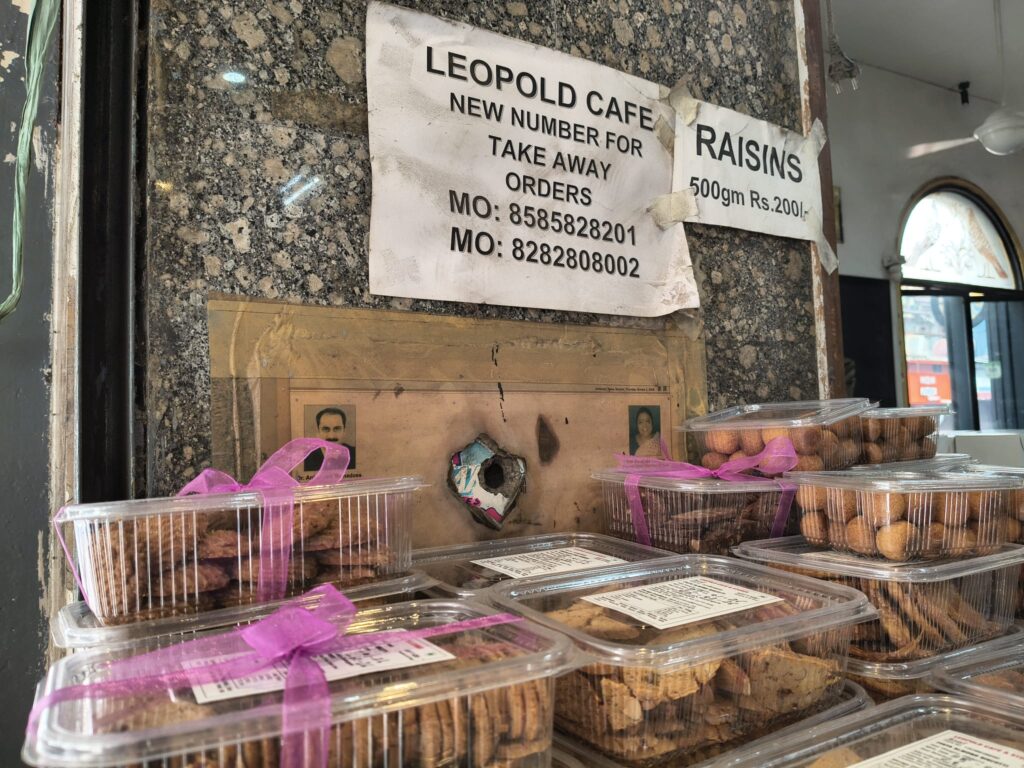
Bullet holes also mark the walls from the 2008 terrorist attacks. Shattered mirrors were also preserved as memorials. Leopold opened only days after the terror attack showing a great resilience and spirit.
Taj Mahel Palace hotel
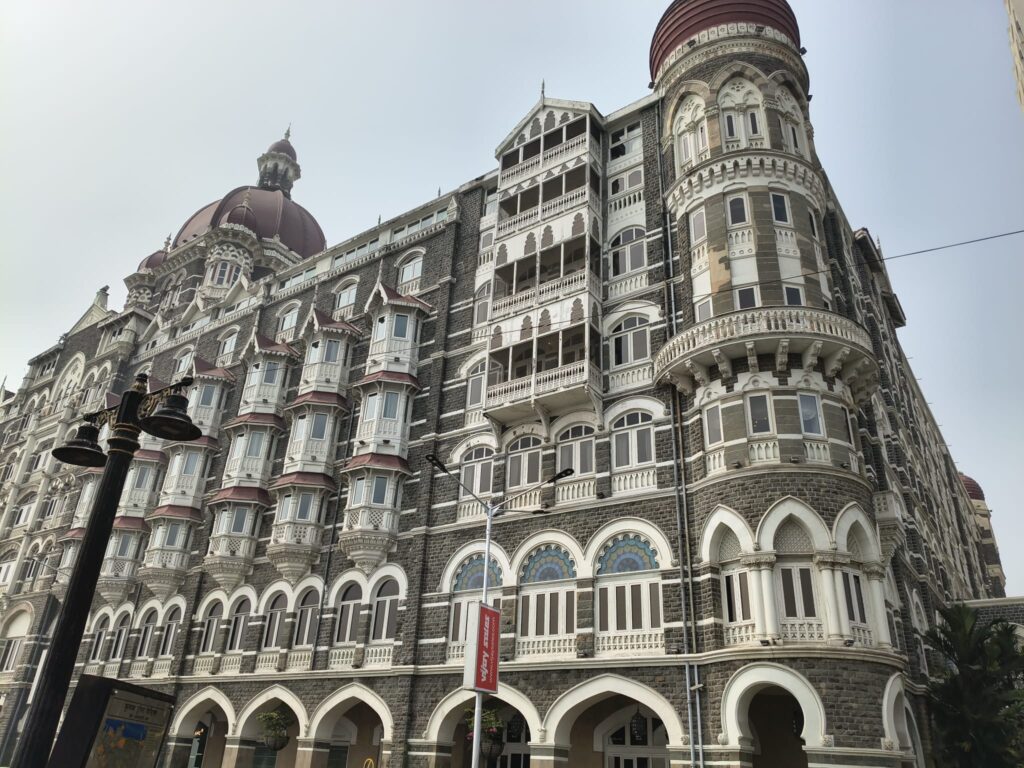
The iconic Taj hotel in Colaba, offers stunning views of the Gateway of India and the Arabian Sea. Owned by Jamsetji Tata, the Taj Mahal Palace, was built for £500,000 and opened its doors to its first 17 guests on December 16, 1903.
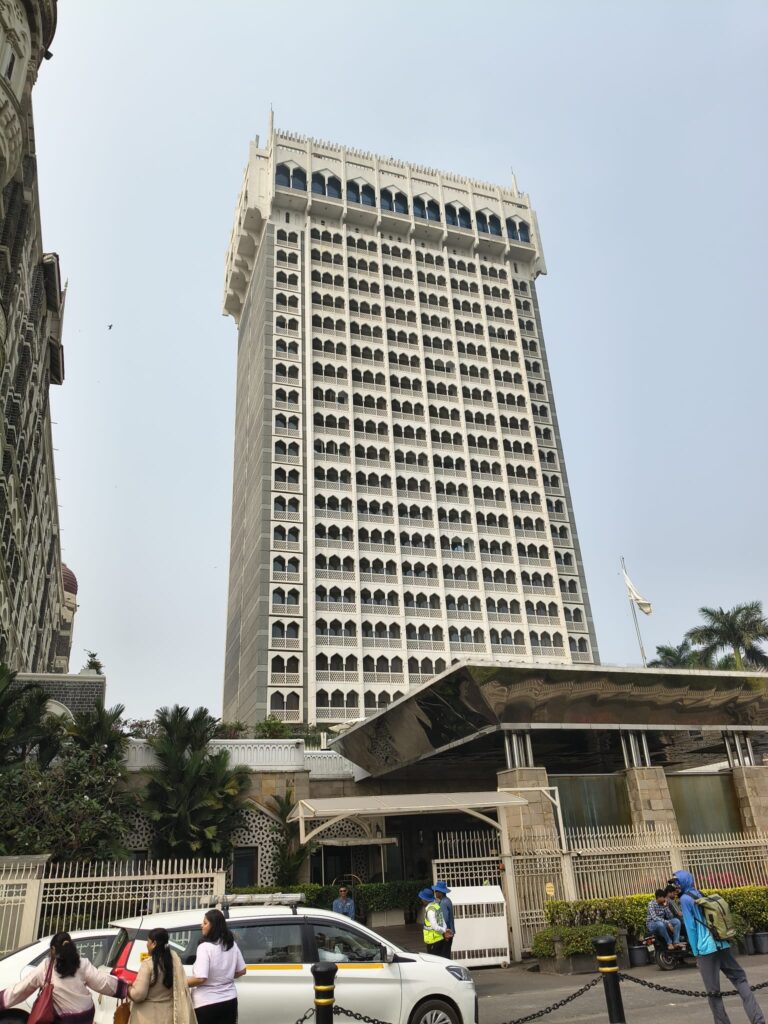
We first entered the Taj Mahel in 1999, where we escaped the deafening crowds and heat of our first Mumbai sightseeing tour, to have a rather expensive, cheese and tomato toastie and a refreshing beer. We remember the peace and cool a/c to this day, allowing us to come to terms with the culture shock. It definitely was needed for our own sanity.
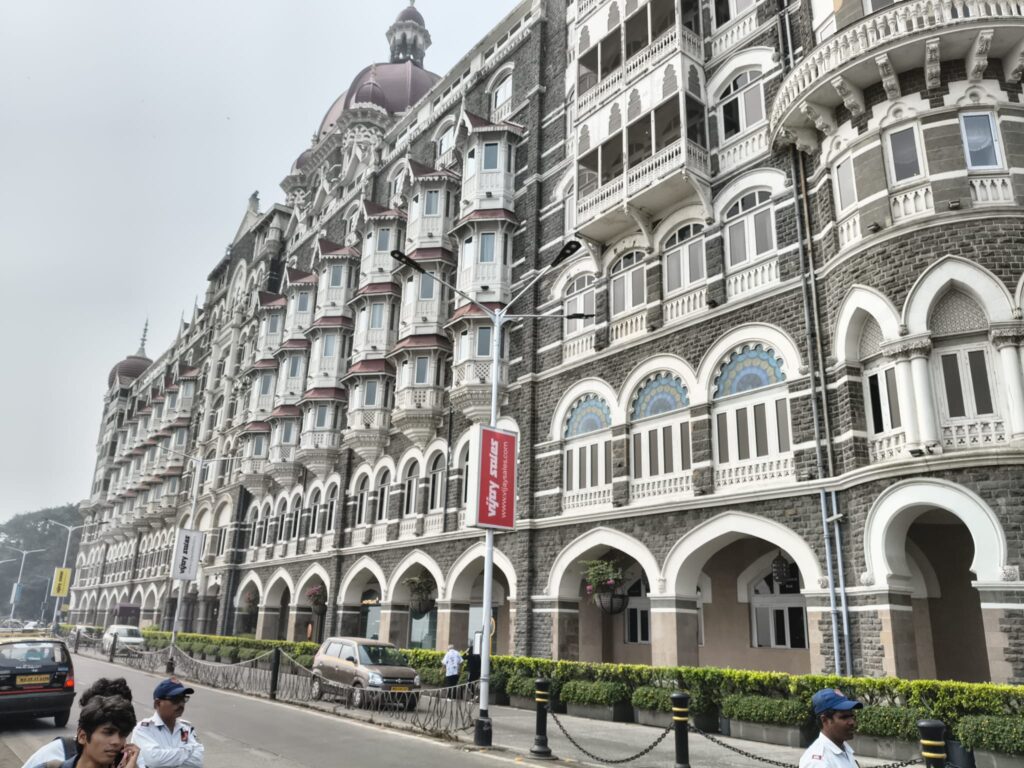
Mumbai sightseeing and a Target
Unfortunately in November 2008, terrorists launched coordinated attacks across Mumbai, with the iconic Taj Mahal Palace Hotel becoming a target, trapping many guests and staff inside. During that awful time, the bravery of the staff saw them hide many guests in secret rooms or cupboards, saving many lives. Unfortunately 173 people died in the attacks and approximately 300 injured.
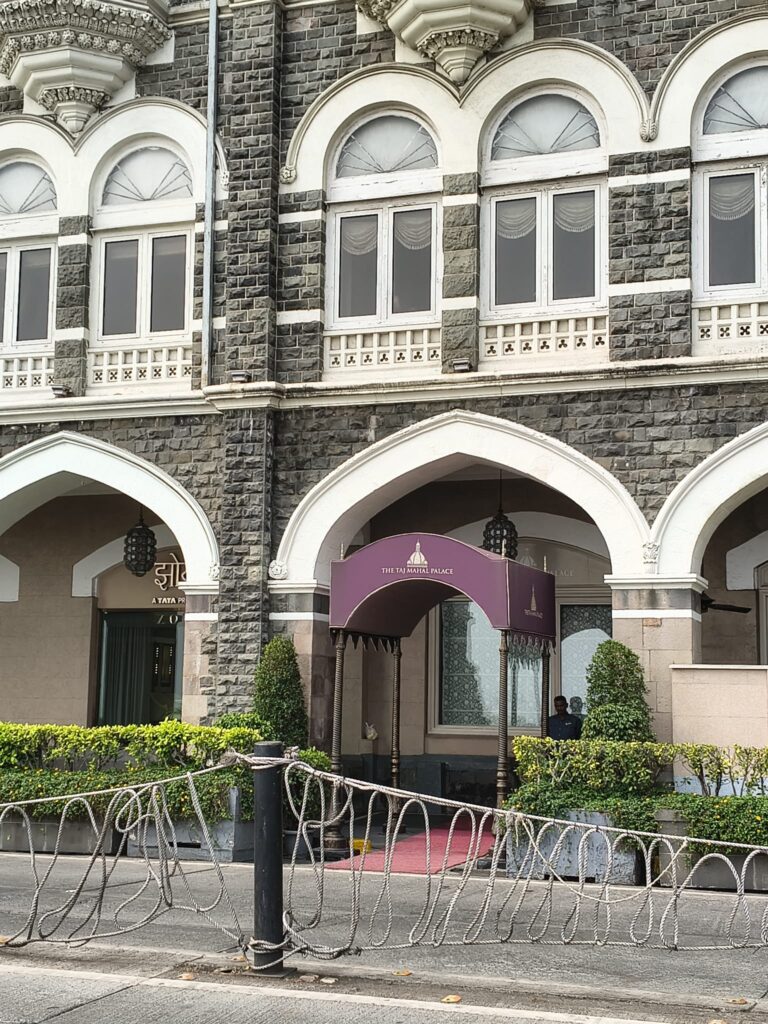
9 of the terrorists also were killed. However one survived. He was executed by hanging on November 21st 2012 at Yerwada Central Jail in Pune, India, at 7:30 a.m.
Restoration of the Taj took place less than a month later. Today no bullet holes are visible and guests rooms completely destroyed by the blasts are restored back to their former glory.
Mondegar Bar/Cafe
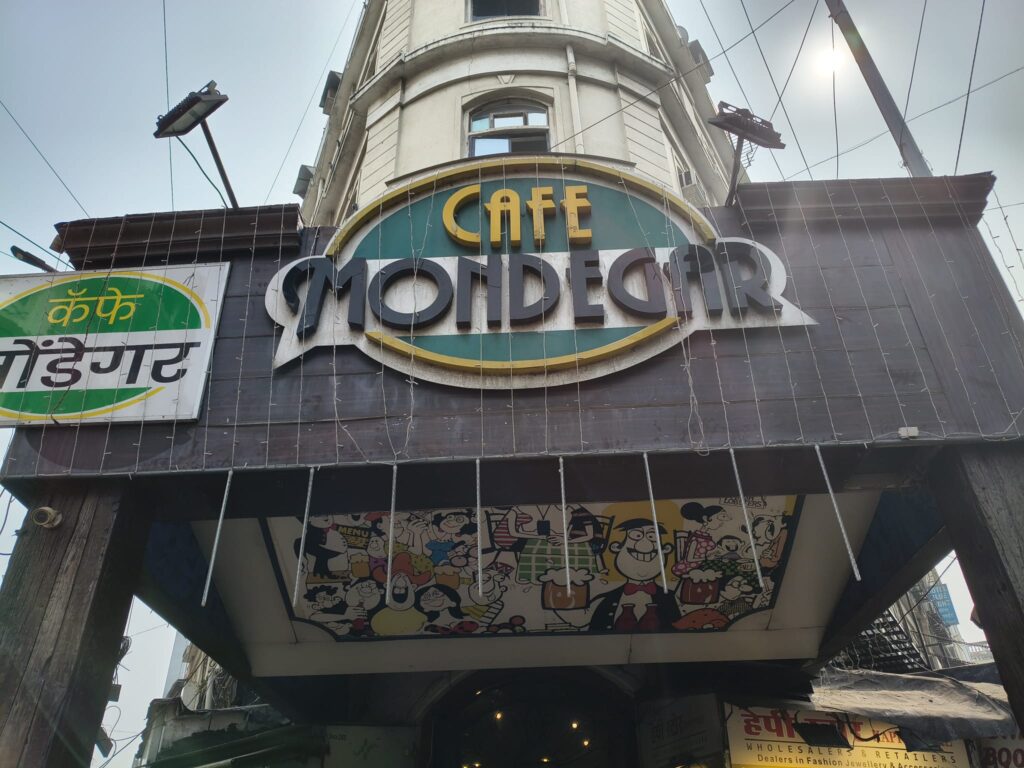
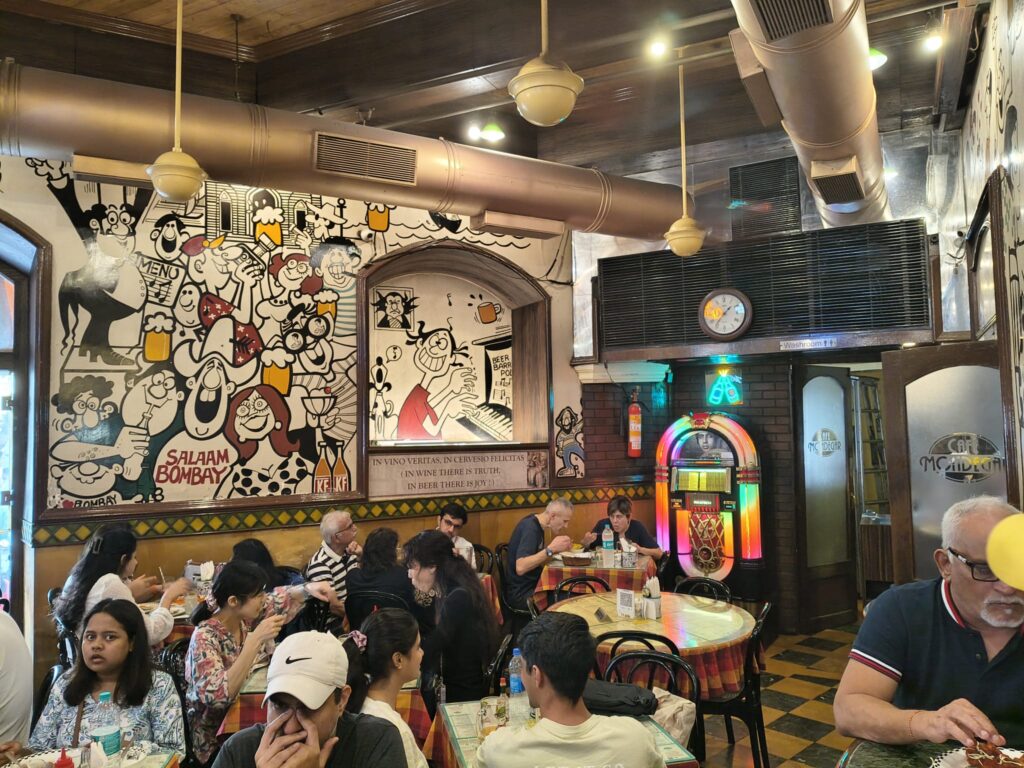
The retro cafe is a quirky stop to escape the maddening crowds for a bite or chilled drink.
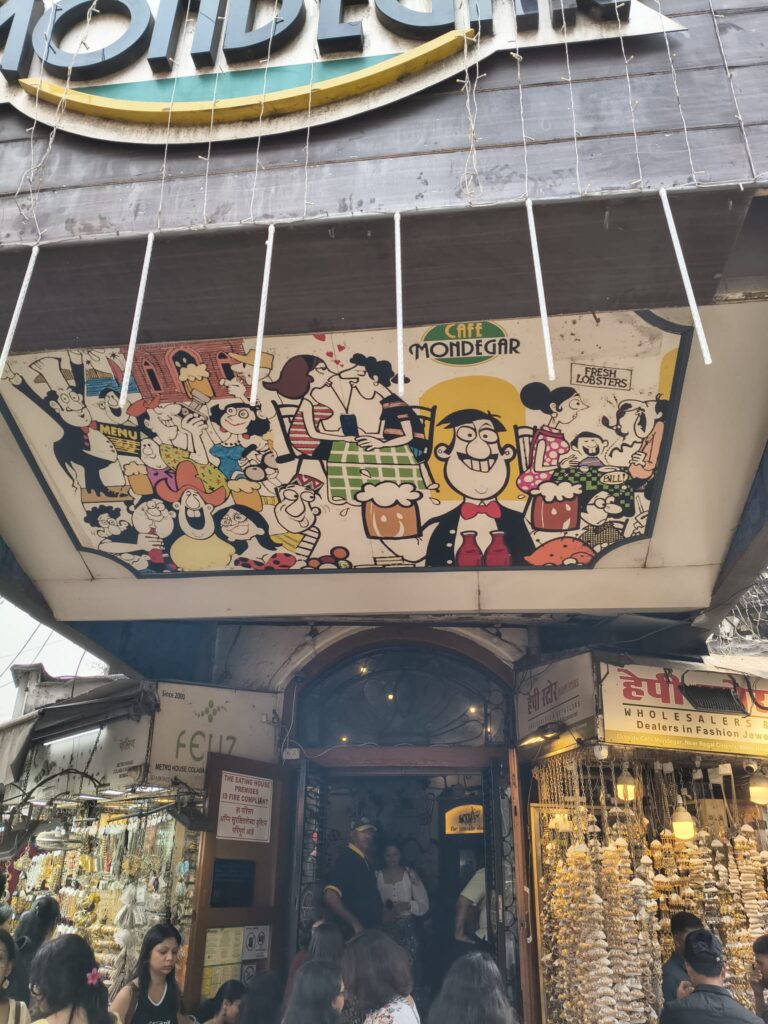
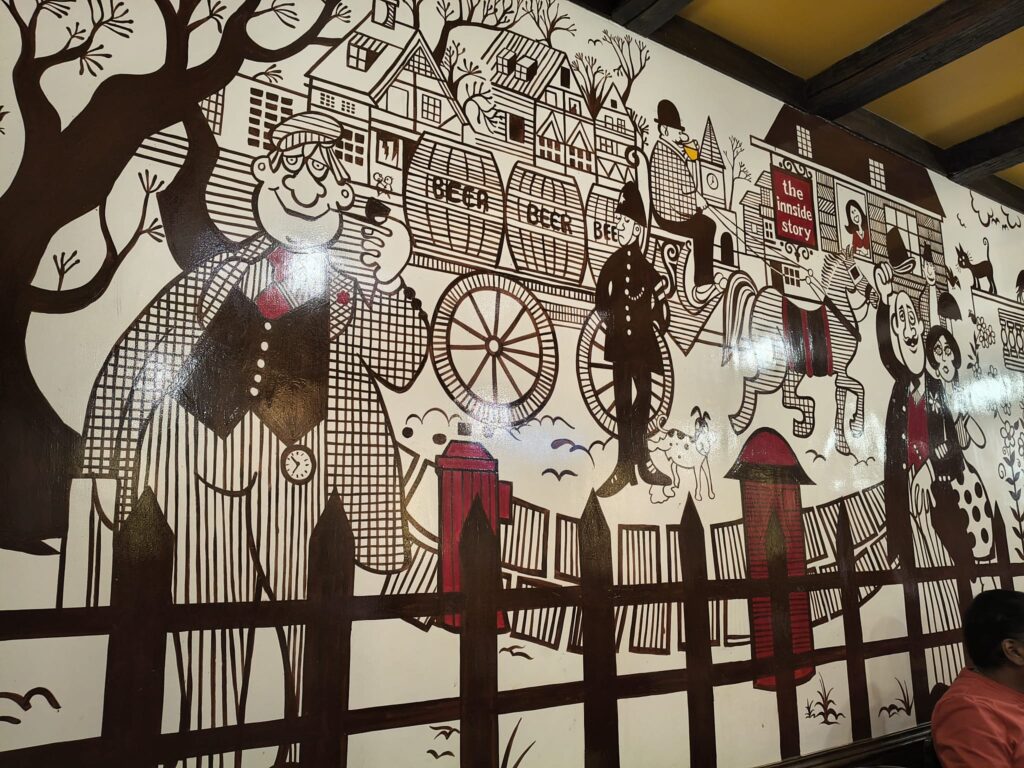
The Famous Indian cartoonist and painter Mario Miranda painted the walls and ceiling with his cartoons.
Effingut brewery bar
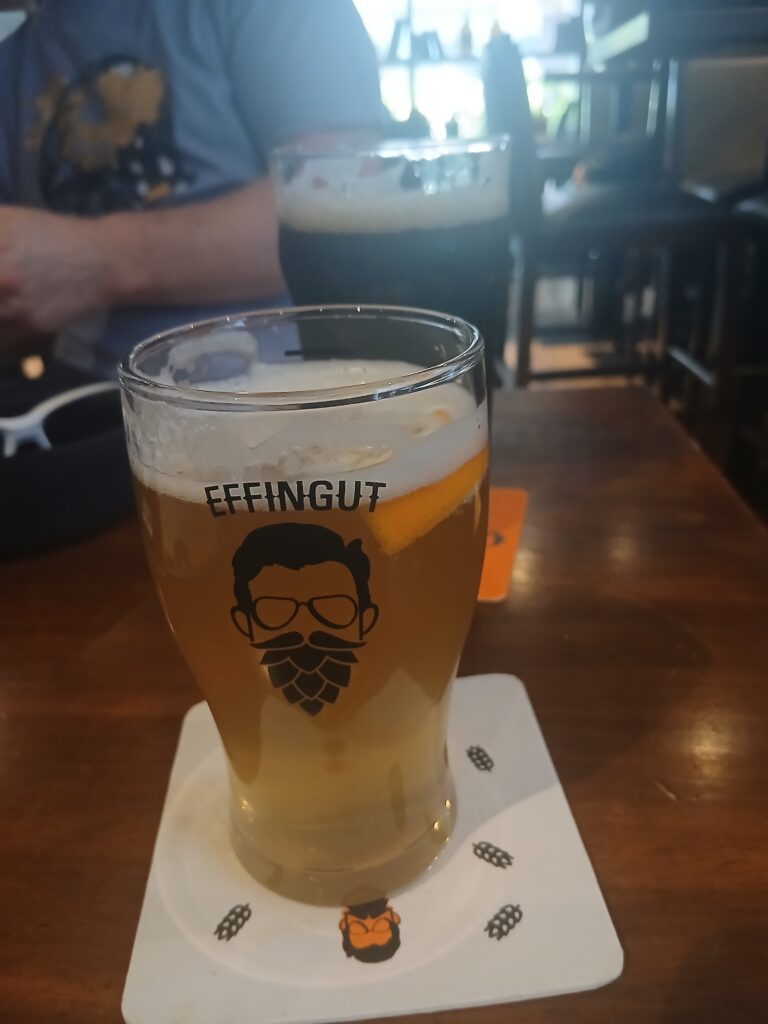
The Effingut bar was a cool place to spend a few hours and rest from Mumbai sightseeing. Set up as a ‘proper’ bar, which made their own craft beers, the atmosphere is relaxed where you can mix with other westerners and locals.
Marine Drive
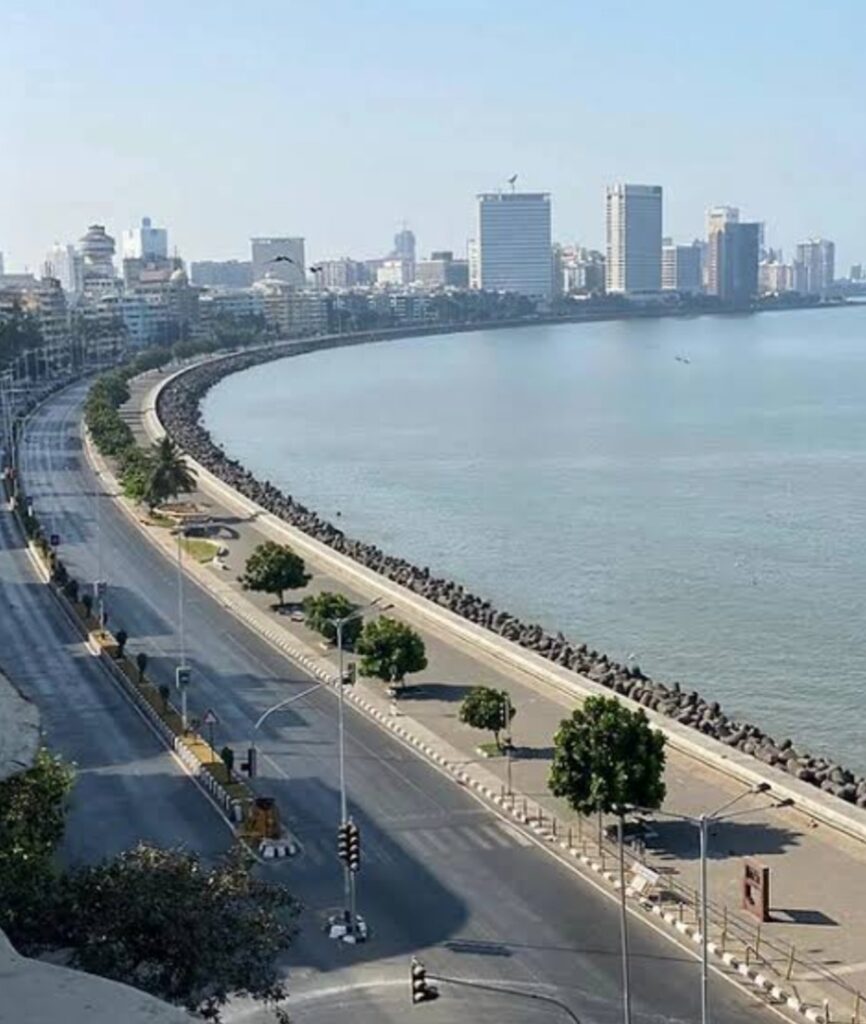
Marine drive sits on a boulevard stretching along the Arabian Sea. The new road follows the coastline from South Bombay up to Bhandra. At It’s southernmost point, in Churchgate, people throng there in the evening to catch what sunset rays the smoggy sky will afford. It’s a great place to go for a run, walk or chill among the bustle on the promenade.
It is well known as, ‘The Queens Necklace’, as the streetlights below at night create a bright crescent shaped arc resembling a necklace.
The road has definitely become part of Mumbai sightseeing as it departs from the busy streets and imposes itself along the coast.
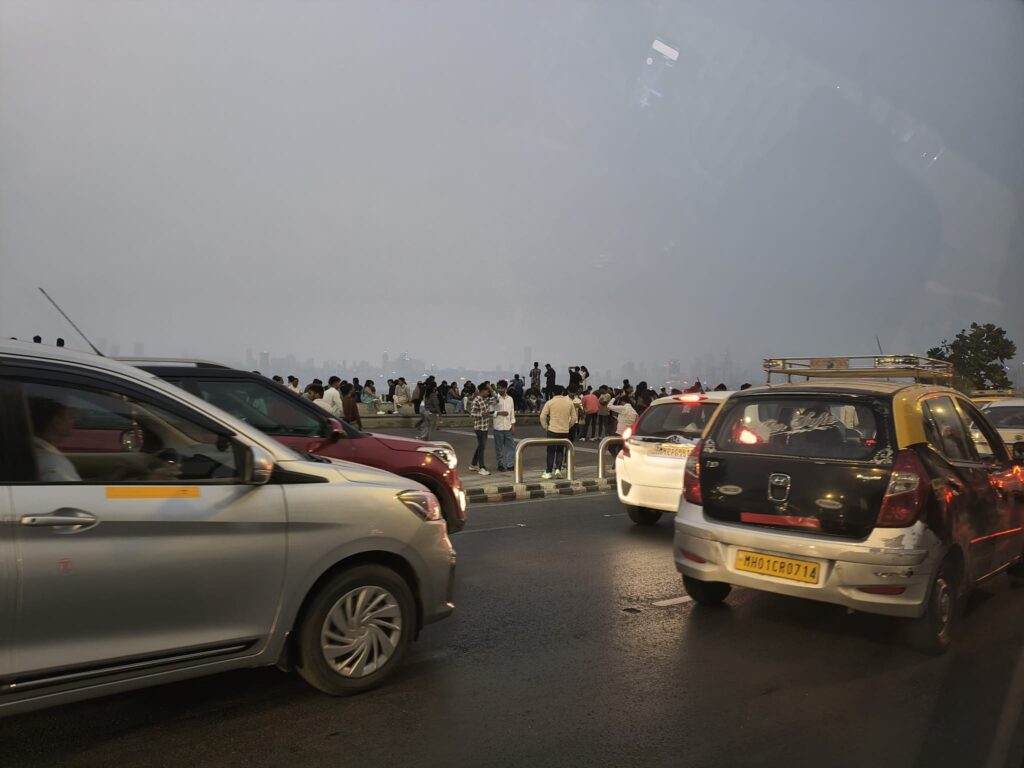
Malabar Hill
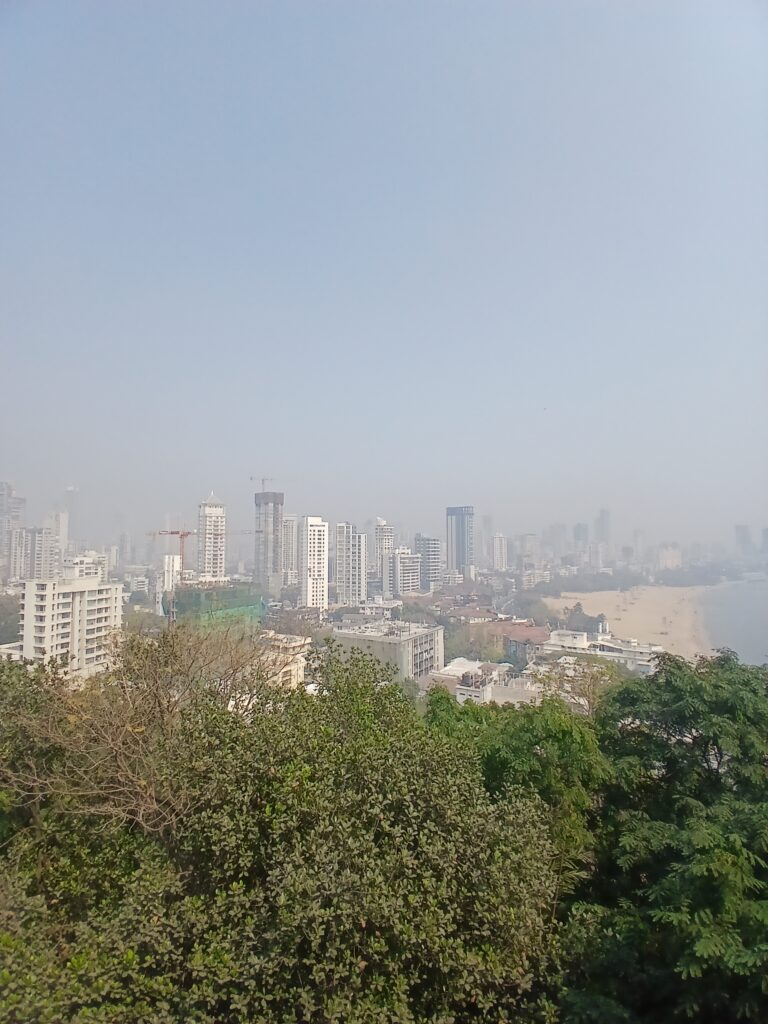
You can view the quirky image from vistas such as Malabar Hill. We went in the day time, so we didn’t see any pearl necklace, however the view was great otherwise!
Hanging Gardens
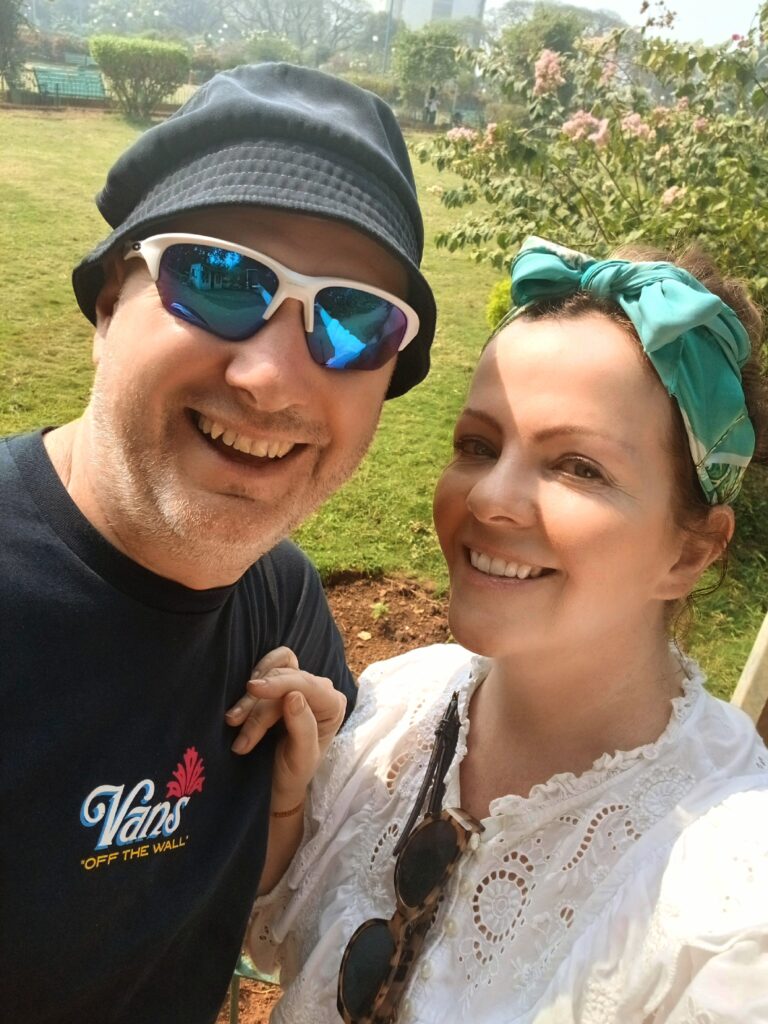
The hanging garden’s were created in 1881 by Ulhas Ghapokar over the main Bombay reservoir line.
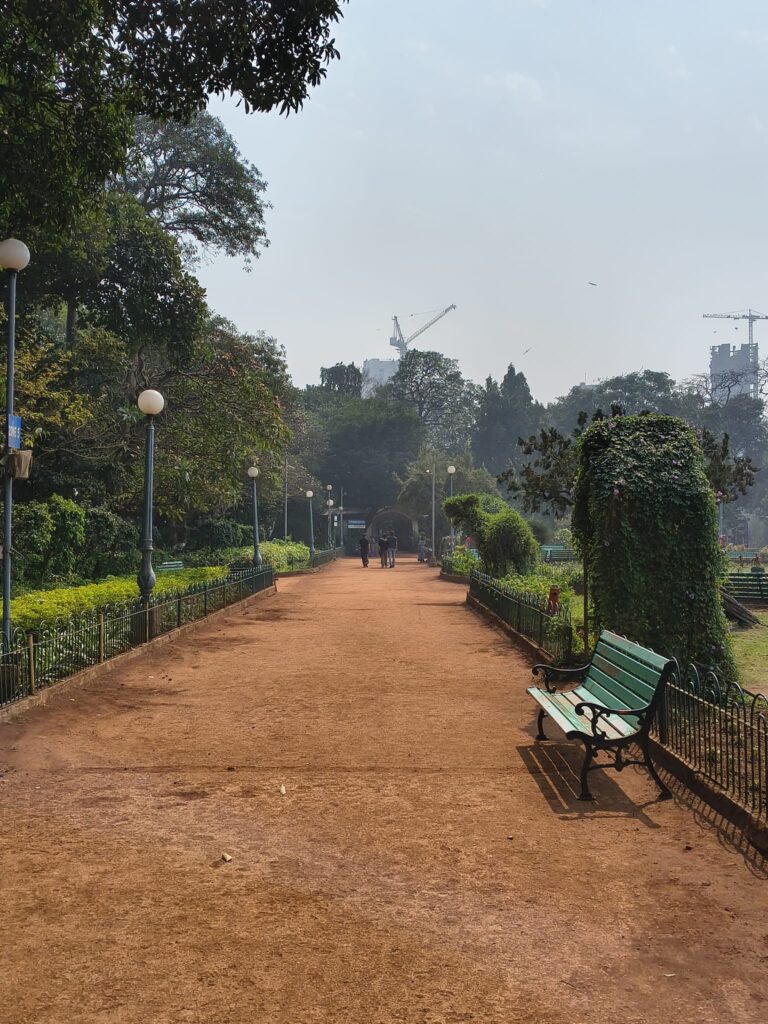
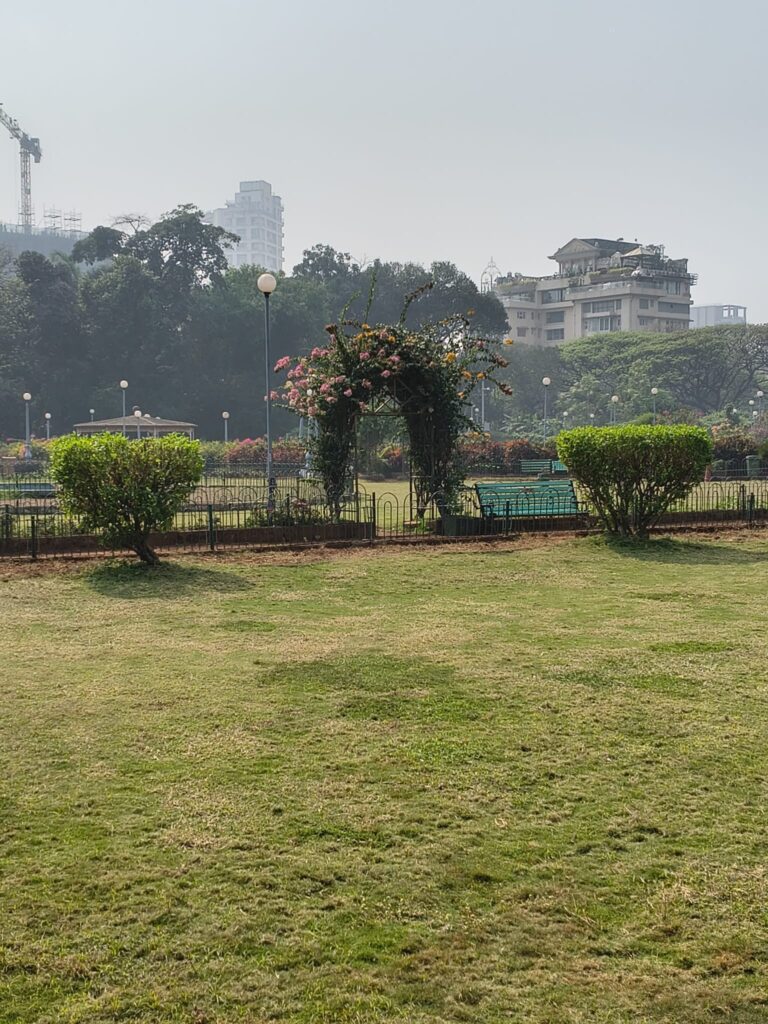
The park is full of beautiful trees, plants and flowers and is an ideal place for a picnic or for respite from the chaos.
Bhandra
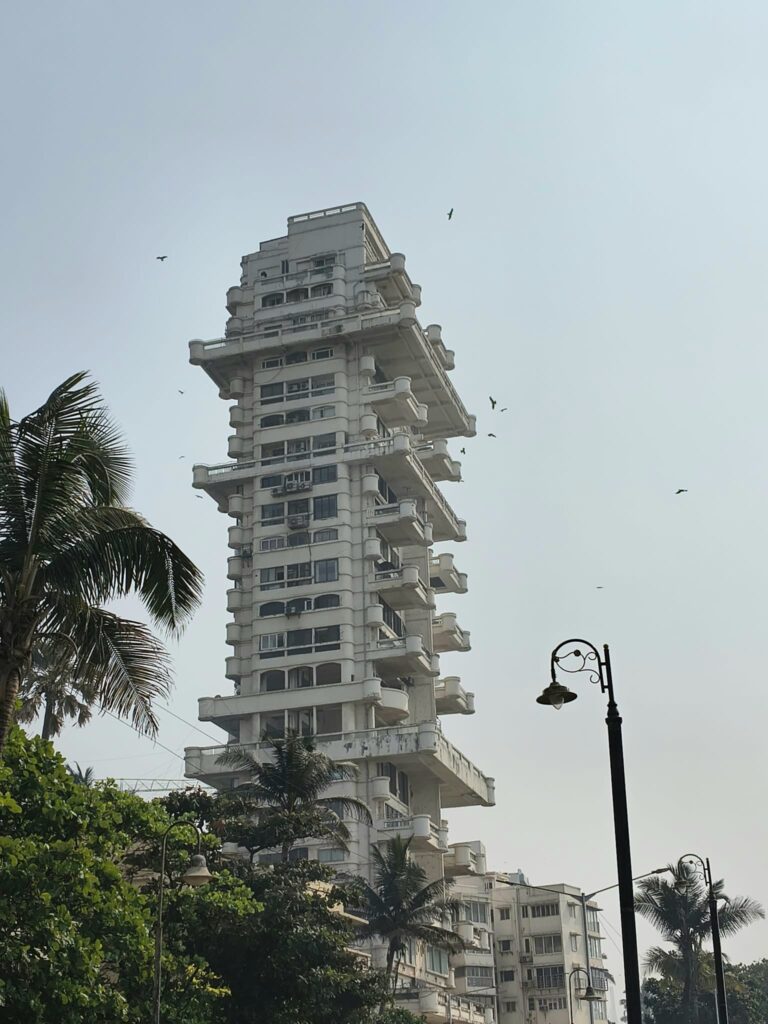
An affluent area in Mumbai with leafy streets and tall residential apartment buildings.
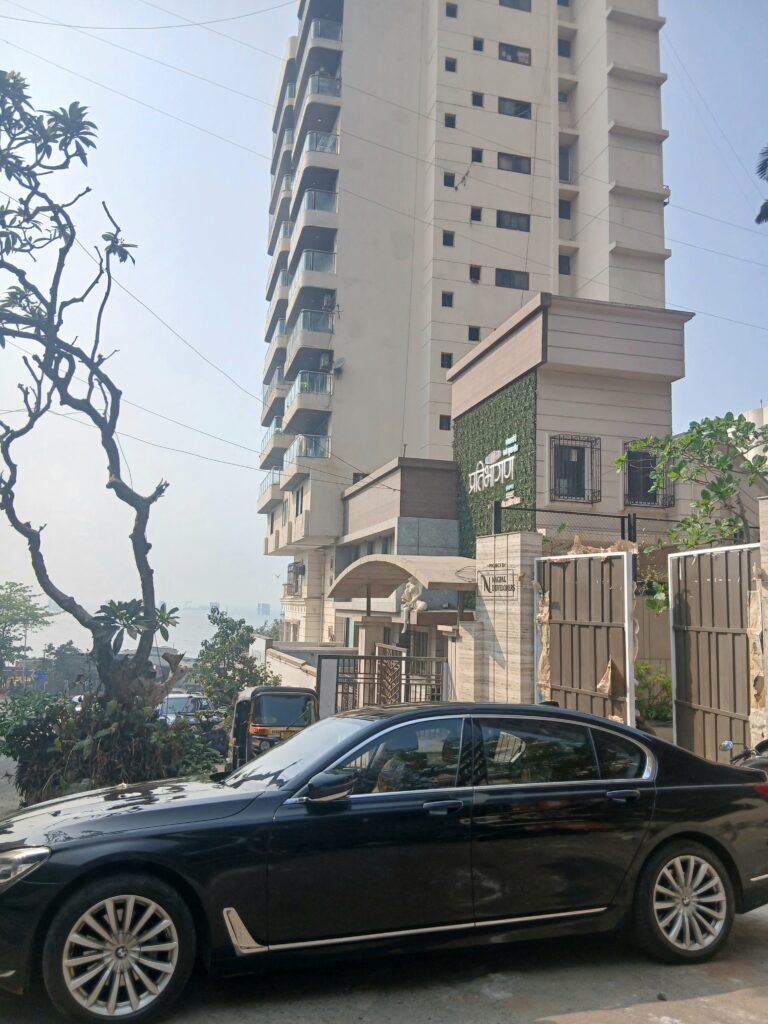
You’ll see more flashy cars, such as Jags, Land-rovers, Mercedes and BMWs. Then there are the shops for the flashy people to shop in. There is little left of the old bhandra.
Mount Mary Basilica
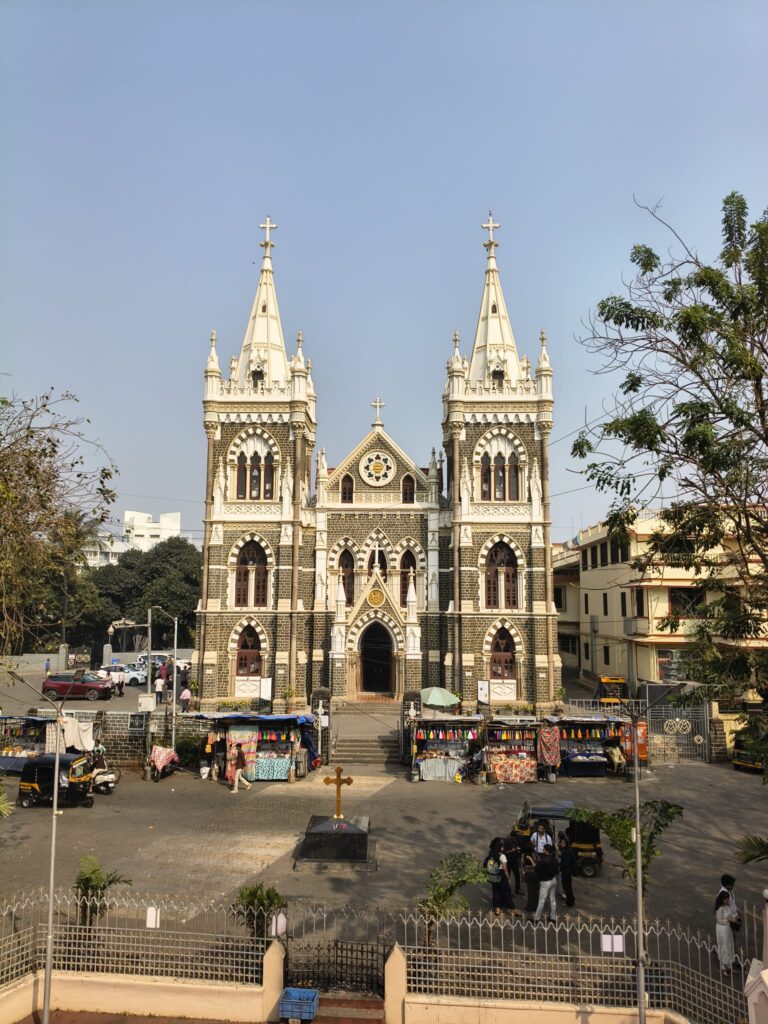
A renowned 100-year-old Roman Catholic church located on a hill.
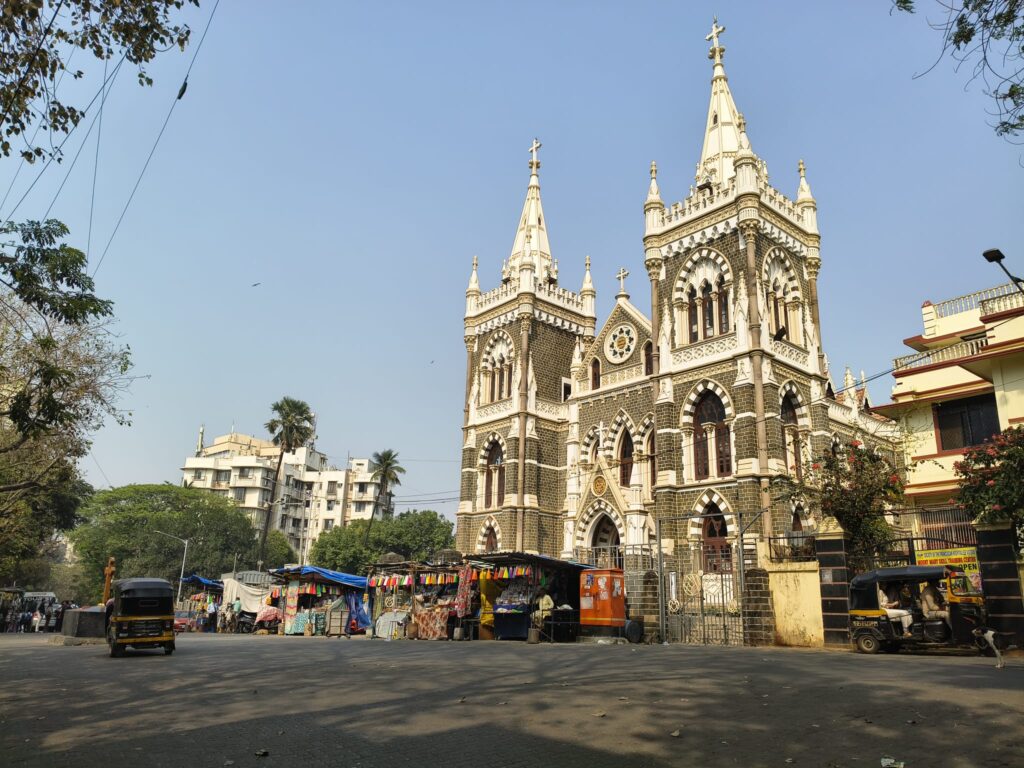
We found there was a sense of calm here, with some friendly, well fed dogs around too! Therefore, well worth a visit on the Mumbai sightseeing circuit.
The history of Mount Mary Church goes way back to the 16th century when the Portuguese missionaries first erected a chapel.
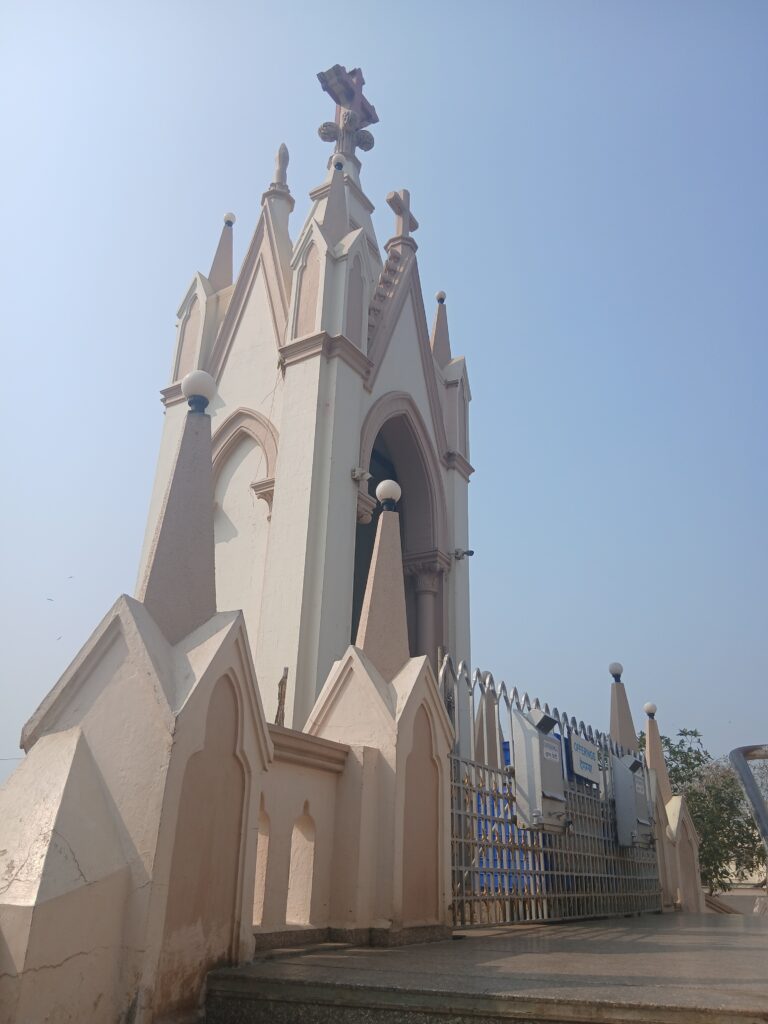
Legend has it that the church was named after a statue of the Virgin Mary.
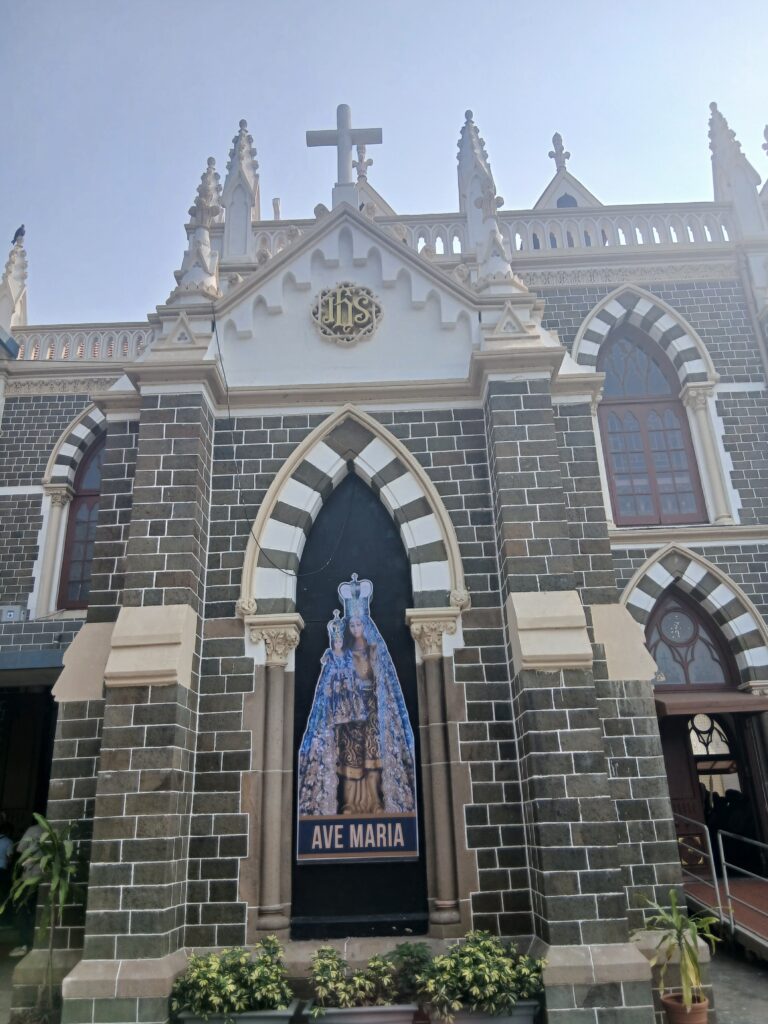
The statue was brought by the Portuguese from Portugal in the 16th century and found its way to the site.
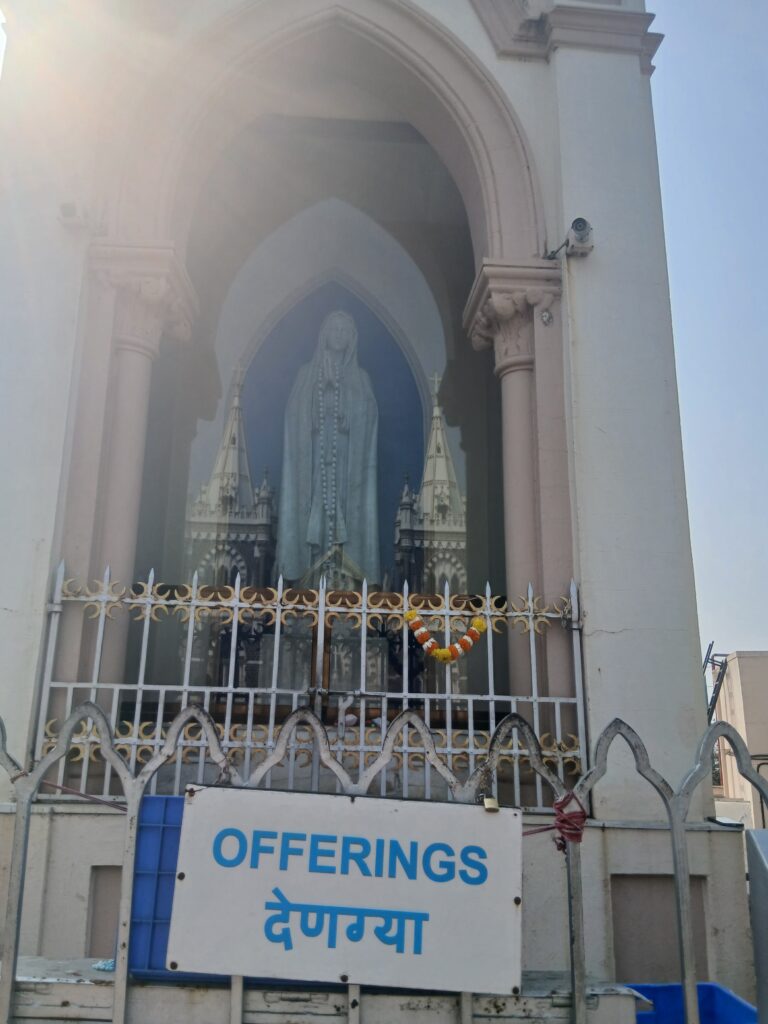
After visiting the church, there is an easy amble down to the promenade.
Bhandra fort
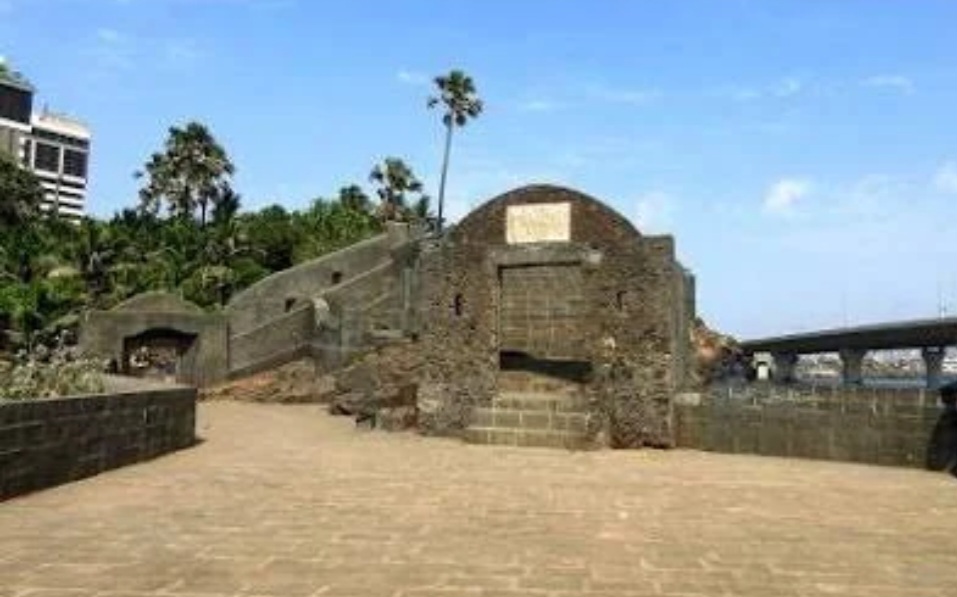
Bhandra Fort, also known as Castella de Aguada was built by the Portuguese in 1640 as a watchtower overlooking the Arabian Sea, and the southern island of Mahim, after defeating Bahadur Shah of Gujarat.
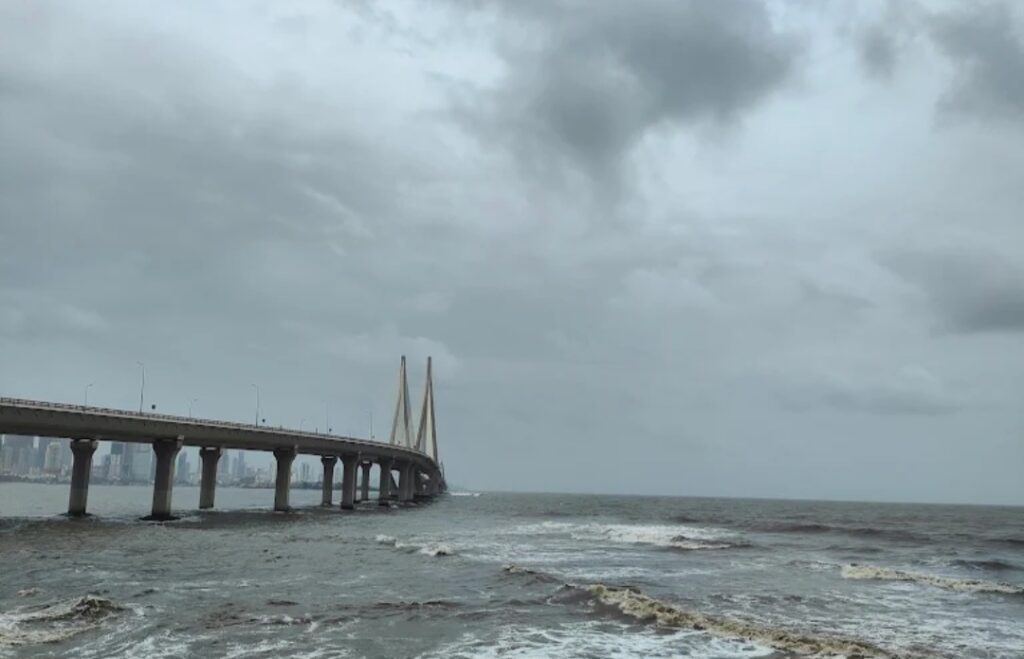
The fort was partially destroyed by the British after the decline of the Portuguese in the 18th century as precautionary. The demolition was to stop the possibility of the fort being captured by the Marathas, and being used as a forward military base to attack British Bombay.
Bandstand Promenade
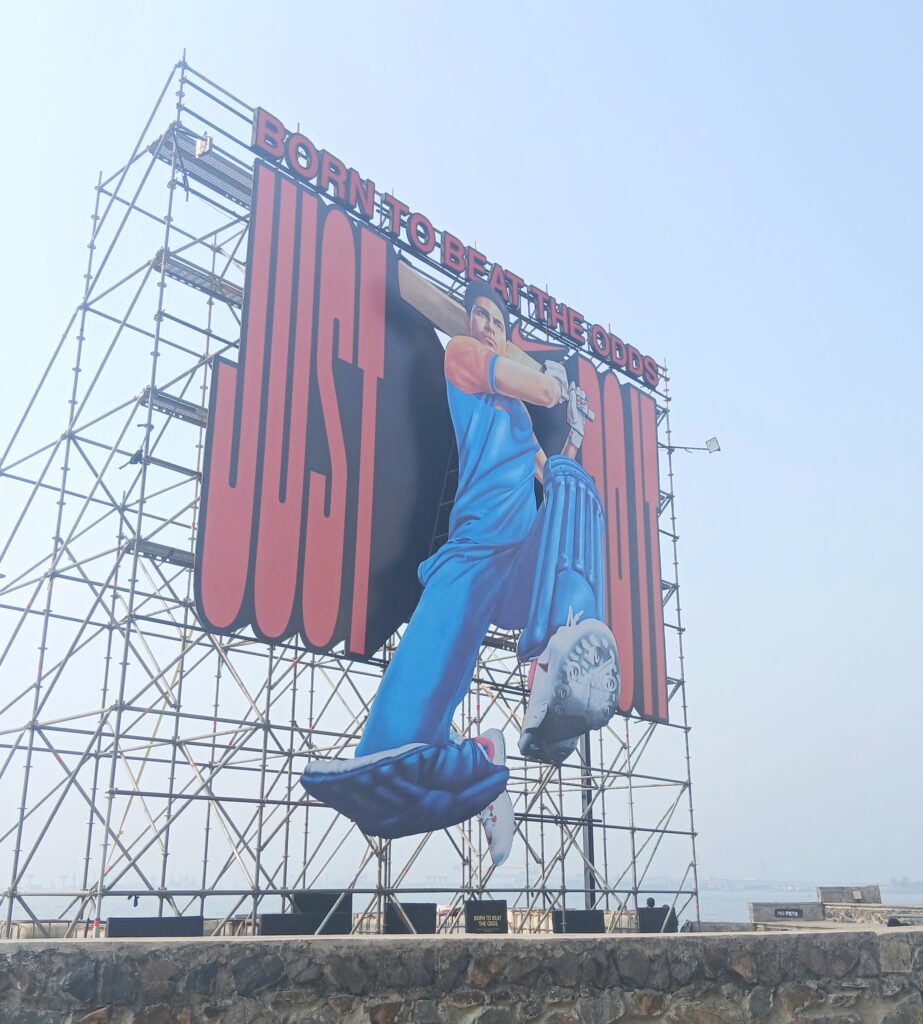
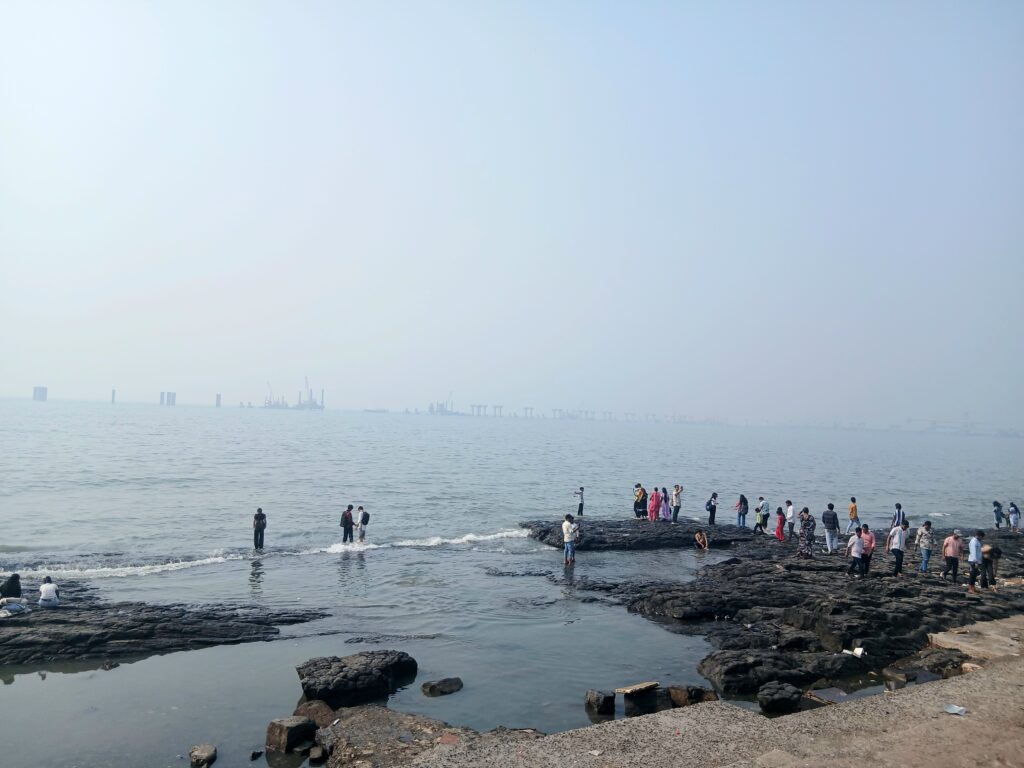
A popular coastal walkway, famous for the sunsets and the “Walk of the Stars” bumming up the Bollywood actors. The copycat of ‘Hellywood’, and no that’s not a typo.
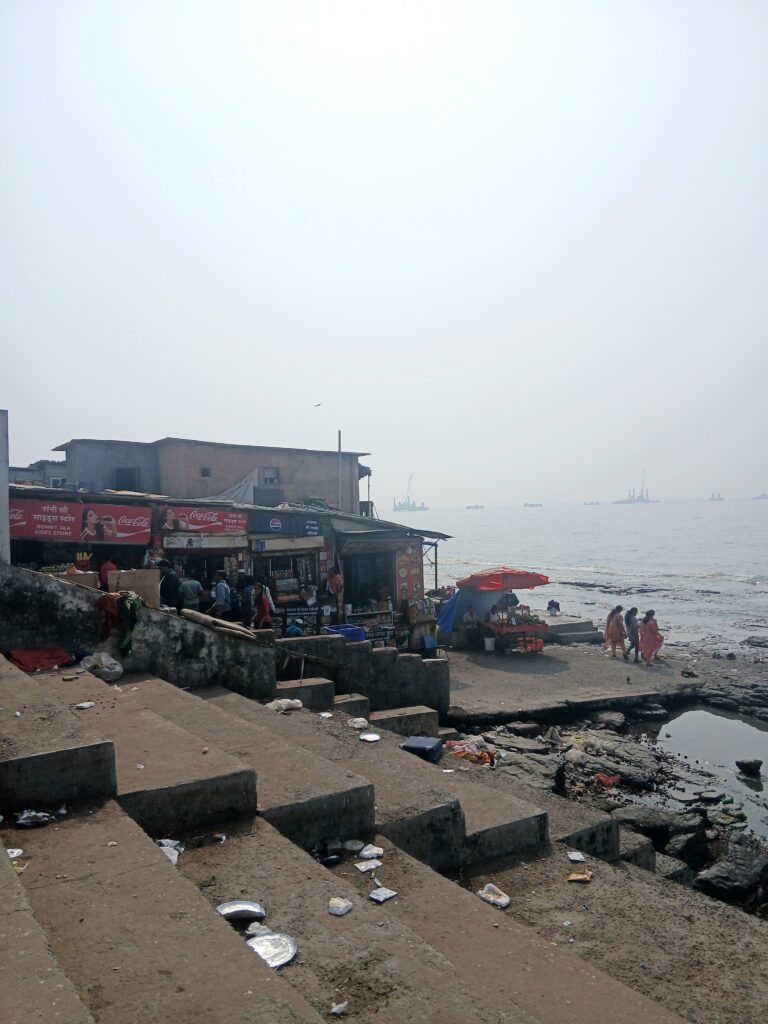
For such a ‘posh’ area of Mumbai, the area was still filled with rubbish.
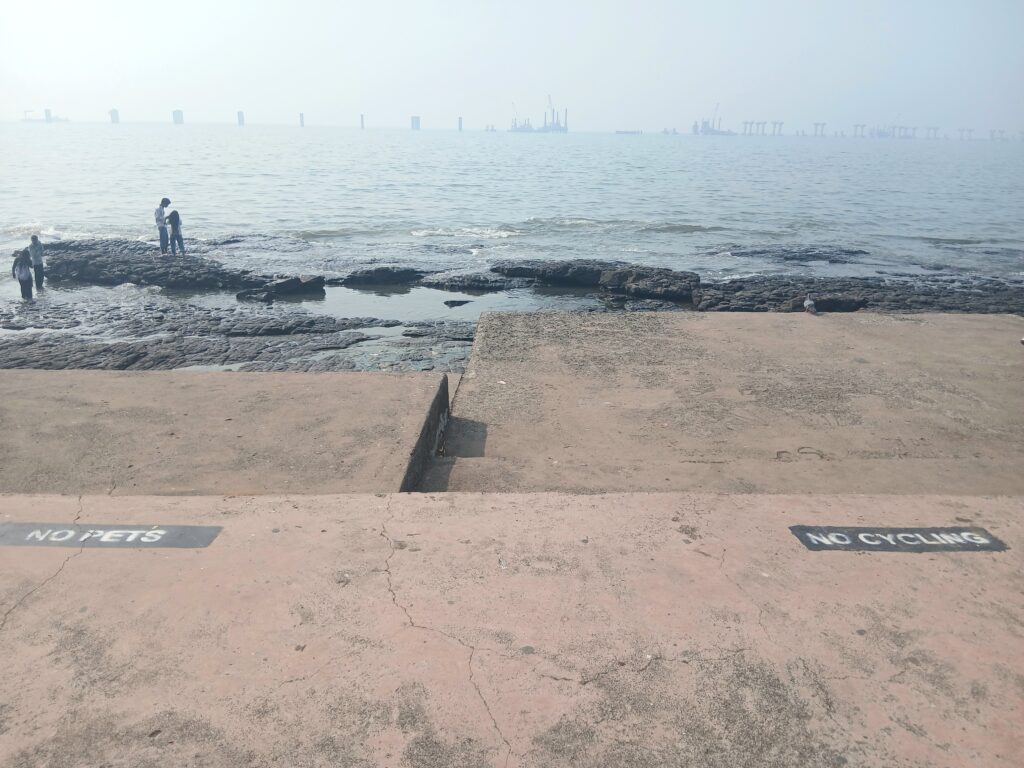
We had to laugh at the signs etched into the pavement.
Rules such as, No cycling, no alcohol, no eating , no pets.
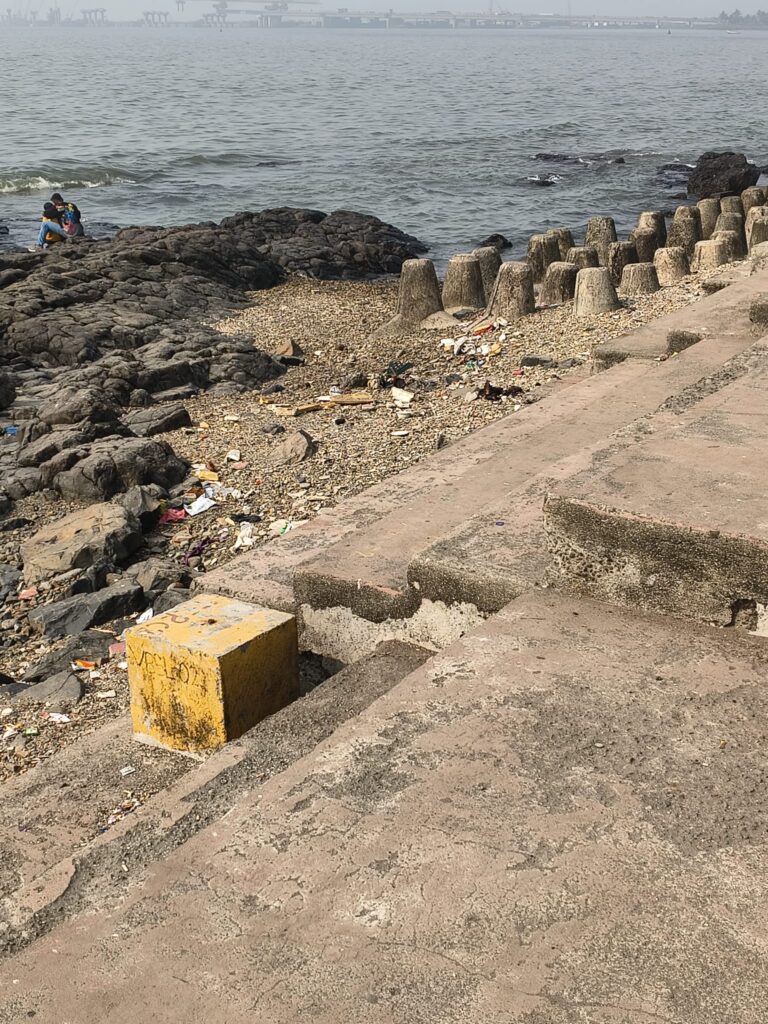
We didn’t see any positive rules, such as, Bring your rubbish home with you, don’t leave your garbage behind, clean up after yourselves, or have a fun walk with your dog. Sad really.
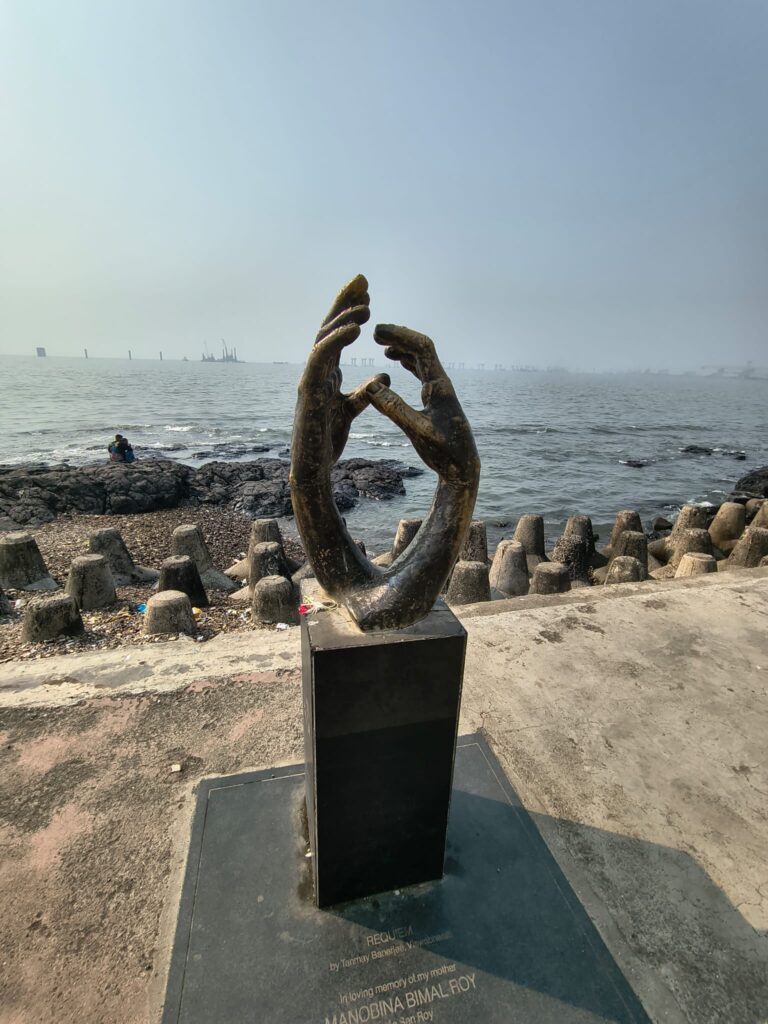
Jehu beach
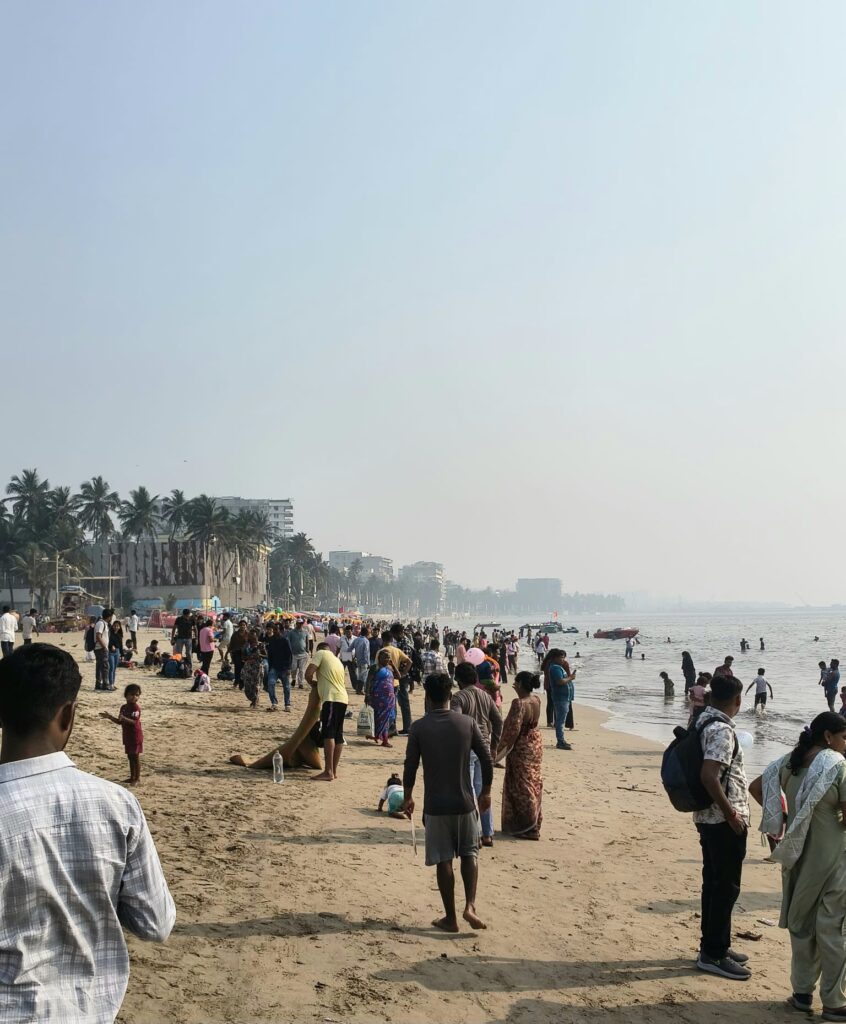
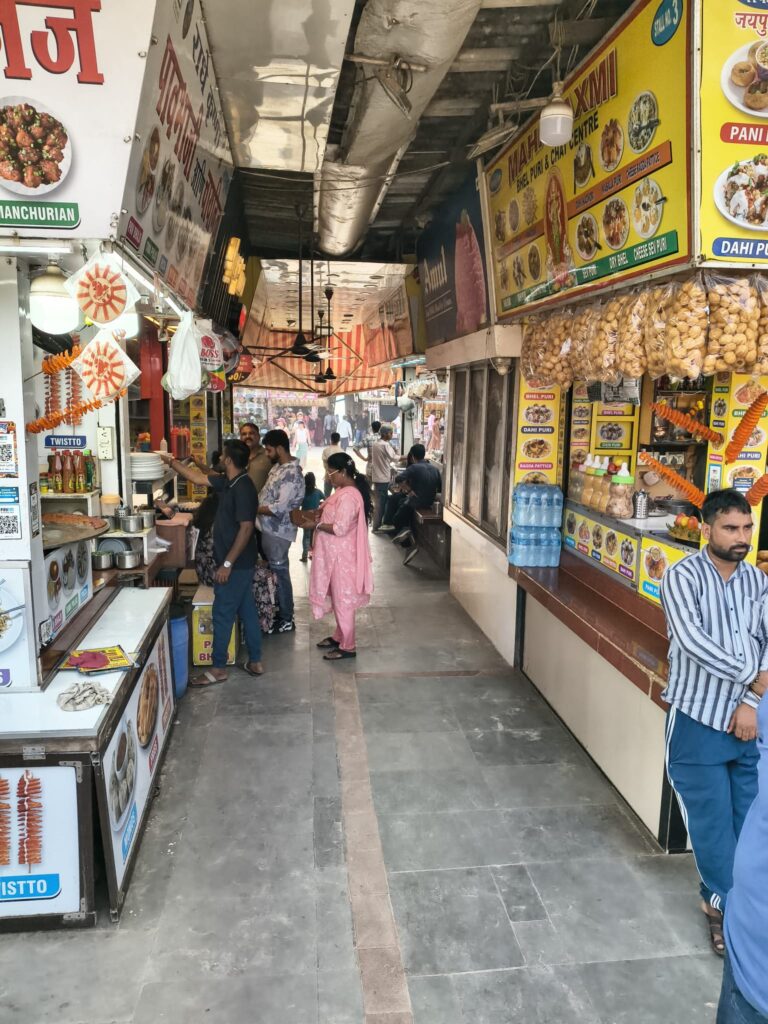
Known for its lively, chaotic vibe, featuring carnival-like attractions, horse rides, and a massive street food market called Chowpatty.
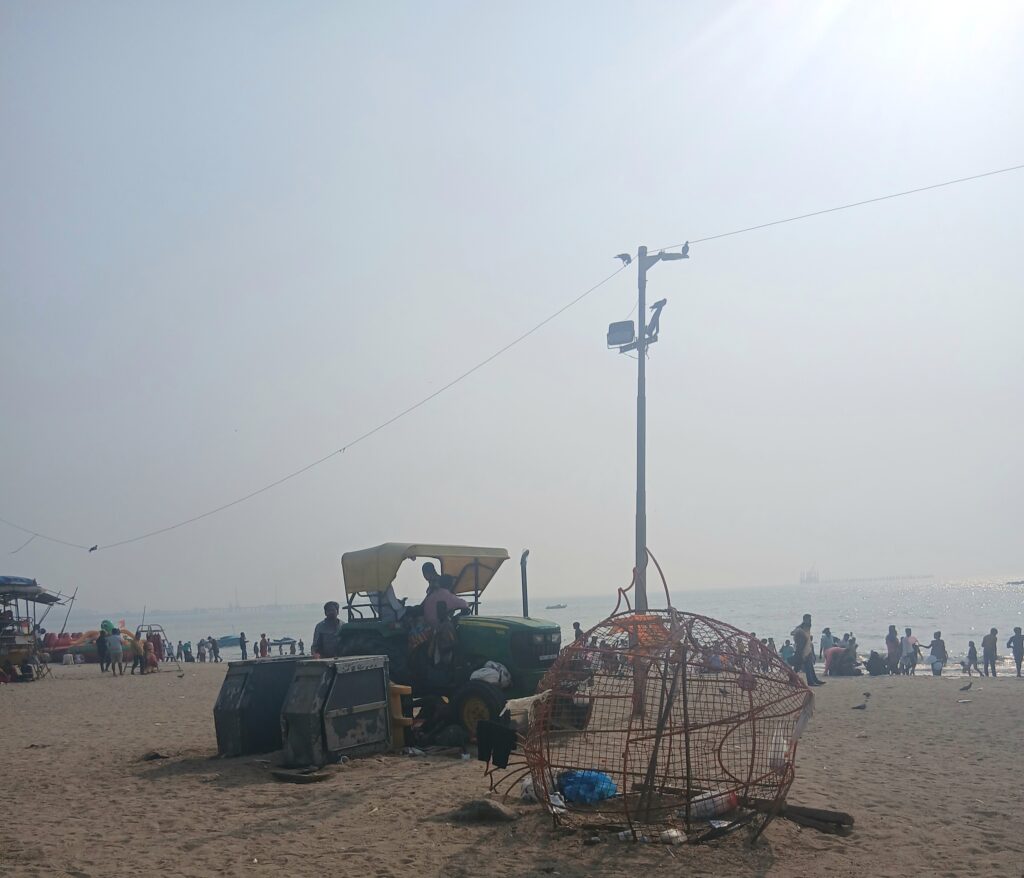
The beach stretches for 6 km and would be perfect for a stroll, if it wasnt for the stench of garbage and rotton fish.
Many people gather here to watch the sunset.
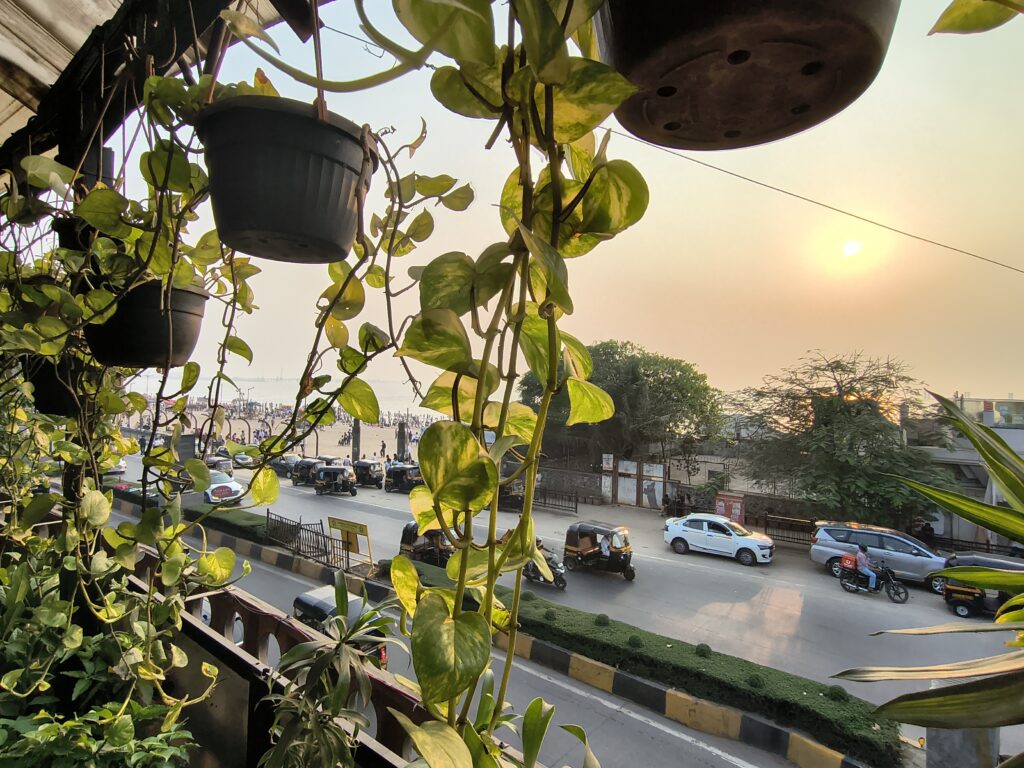
Although we found that ironic when the chemtrailed ‘whiteout’ skies dictated the sunsets.
You could barely see one to be honest.
Dharavi slums – a Mumbai sightseeing must!
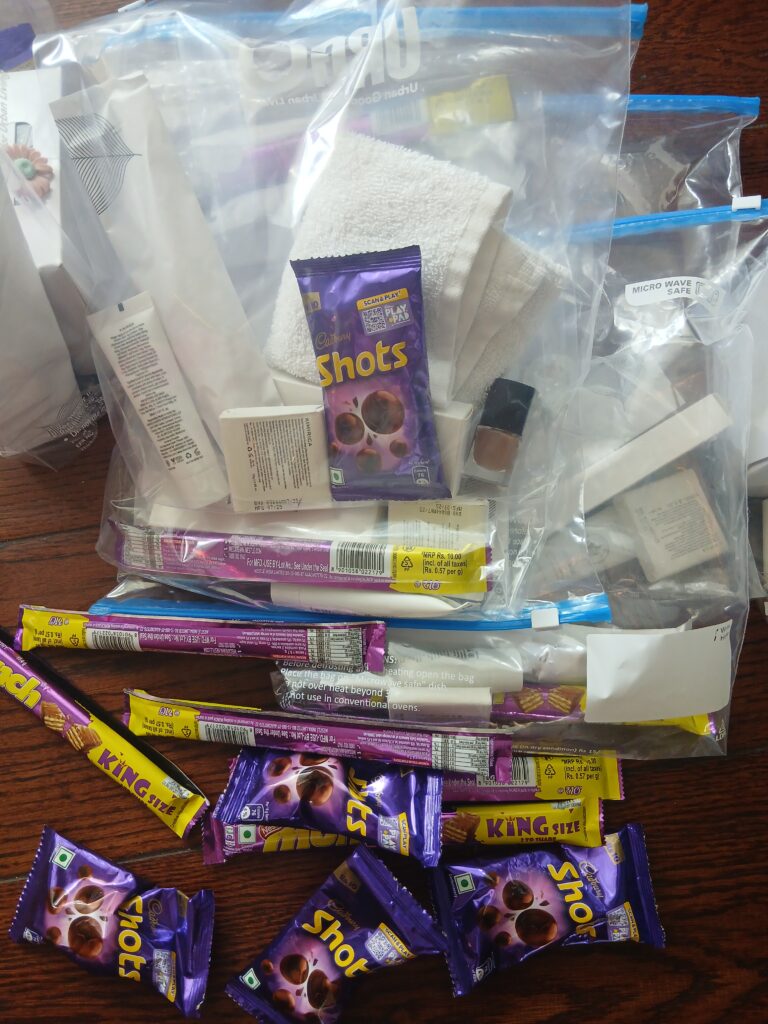
Putting Dharavi as a Mumbai sightseeing must gives an insight into old Bombay and how it developed.
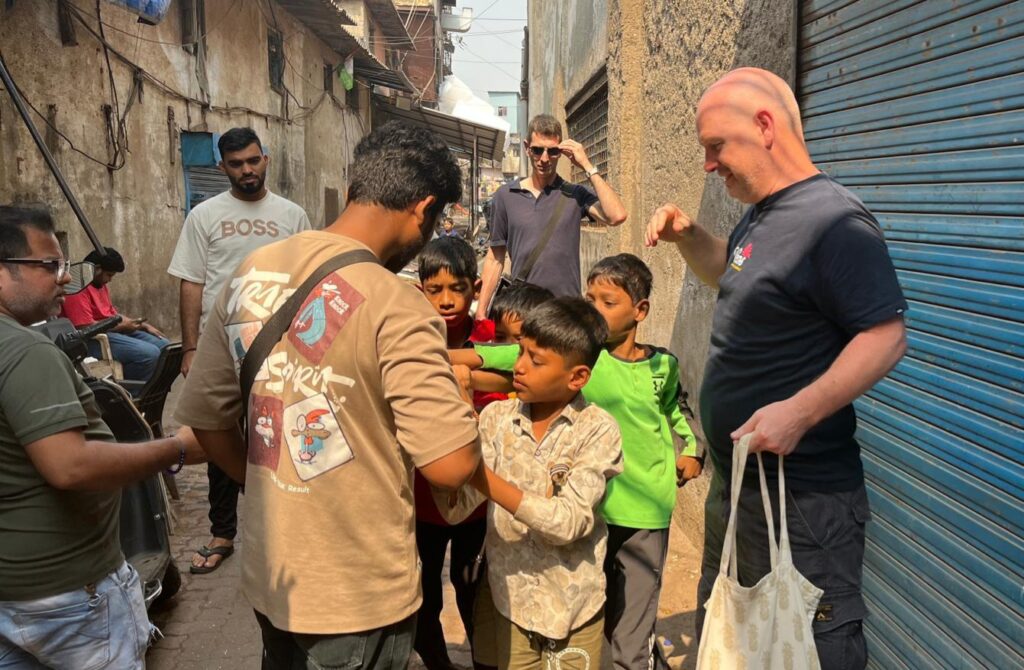
Before arriving at Dharavi slums, we made sure we put together bags of essentials to hand out. Stuff that maybe appreciated, like dental kits, soaps, tissues, lotions, shaving kits, facecloths, paper and pens.
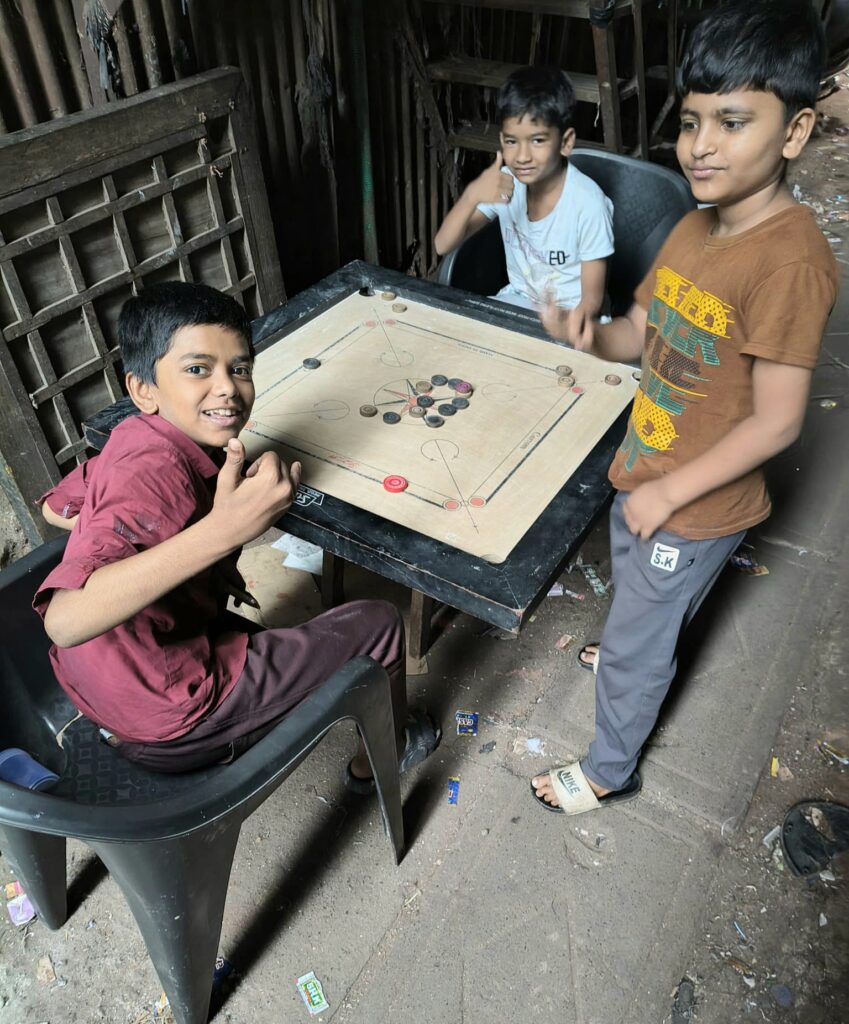
We also had some jewellery and chocolates for the children. This gave us a chance to interact with the inhabitants, put a smile on a few faces, and to separate from just being a tourist intruding in their patch.
Meeting point
We usually go on our own to sightsee. However after reading reviews online, it seemed it would be safer, and also to get more insight knowledge, if we hired a guide. His name was Siddesh, whom happened to be from the slums himself.
We met him, and the rest of the group, of 8 others, at the meeting point, called, Third Wave Coffee, approximately a 40 minutes drive from Powai.
Entering Dharavi
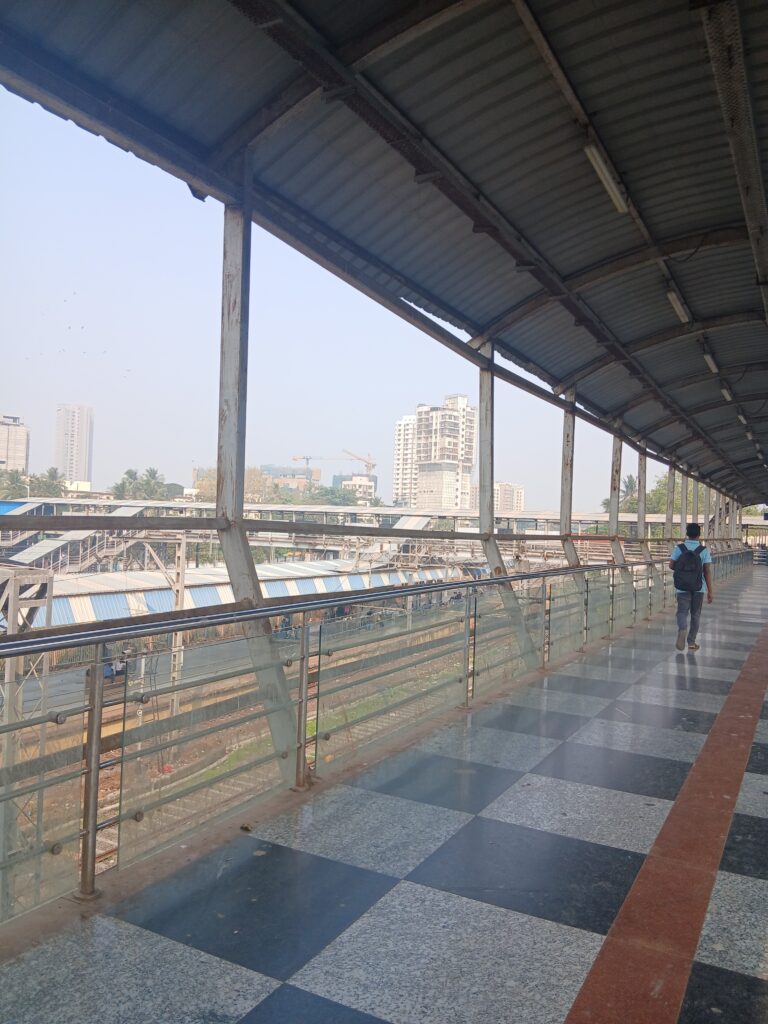
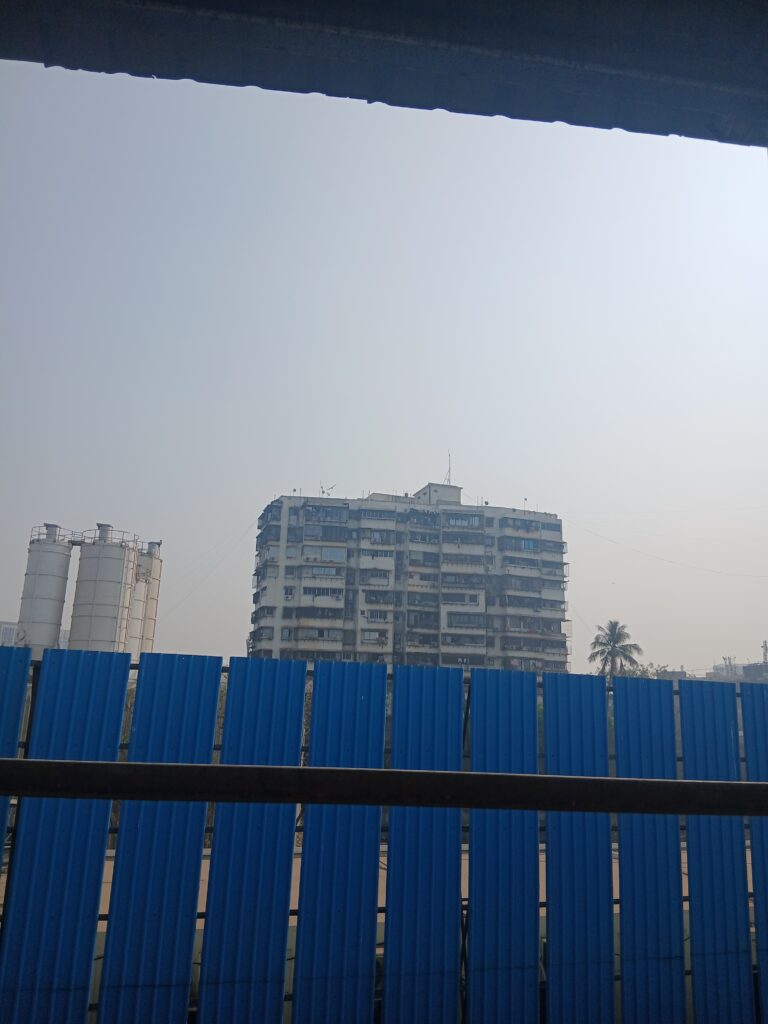
As the tour commenced, we strolled across, being used the Mumbai by this stage, the dusty crazy busy road to get to the railway station and bridge the tracks. Here Siddesh stopped, to discuss what we would see on the tour and to give a bit of background. Dharavi derives it’s name from the flow of the river and the sun.
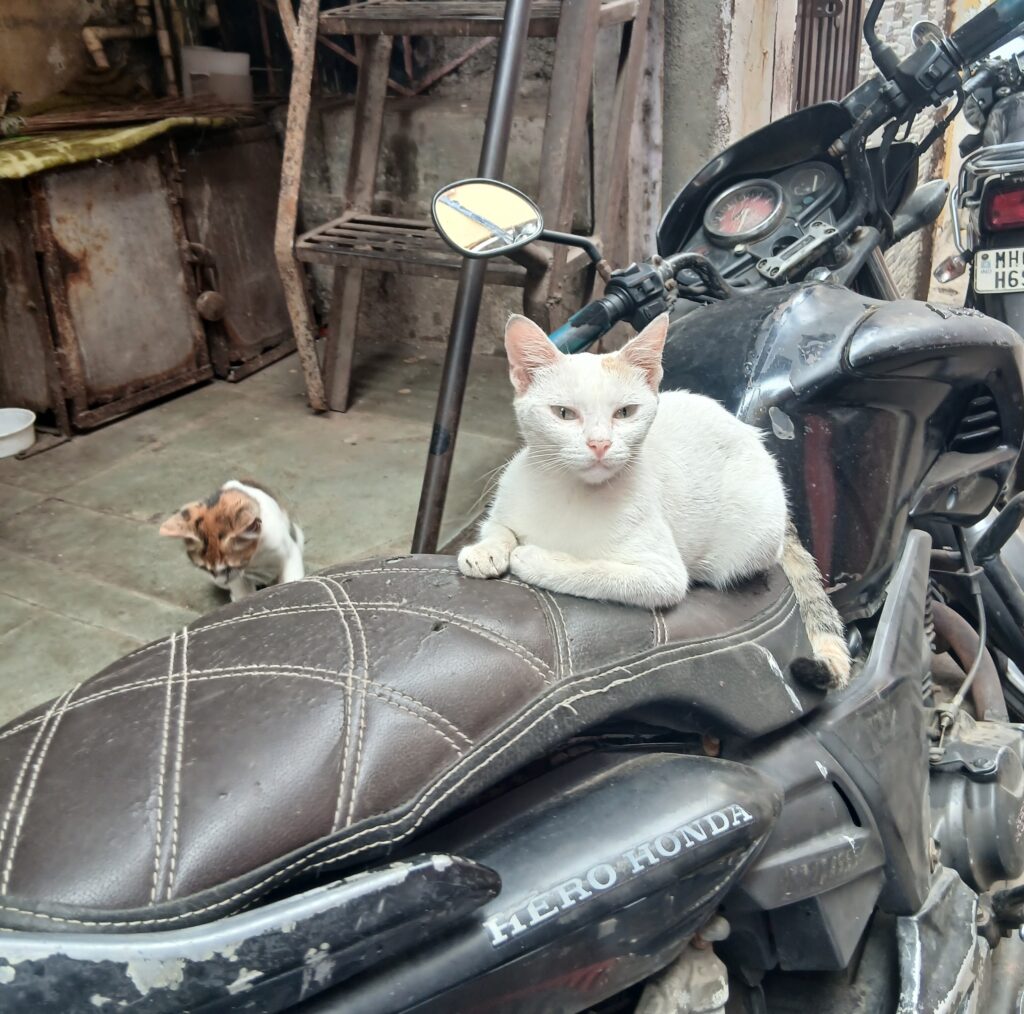
They call Dharavi neighbourhood the richest slums in Mumbia.
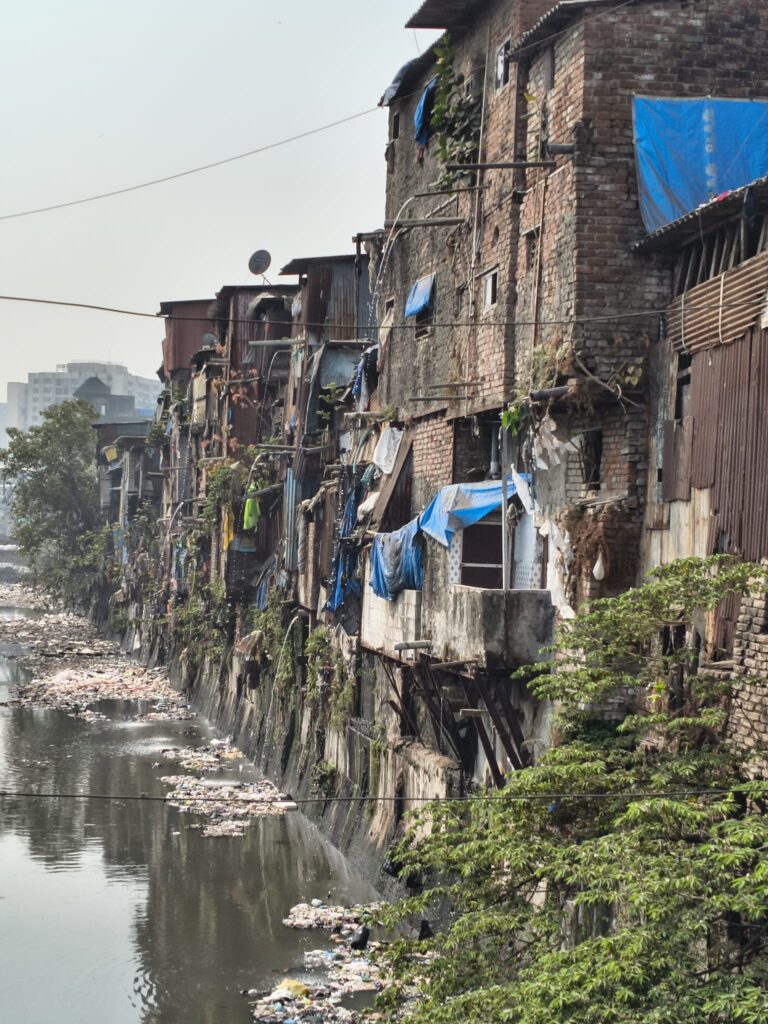
A strong knit community works together at Dharavi.
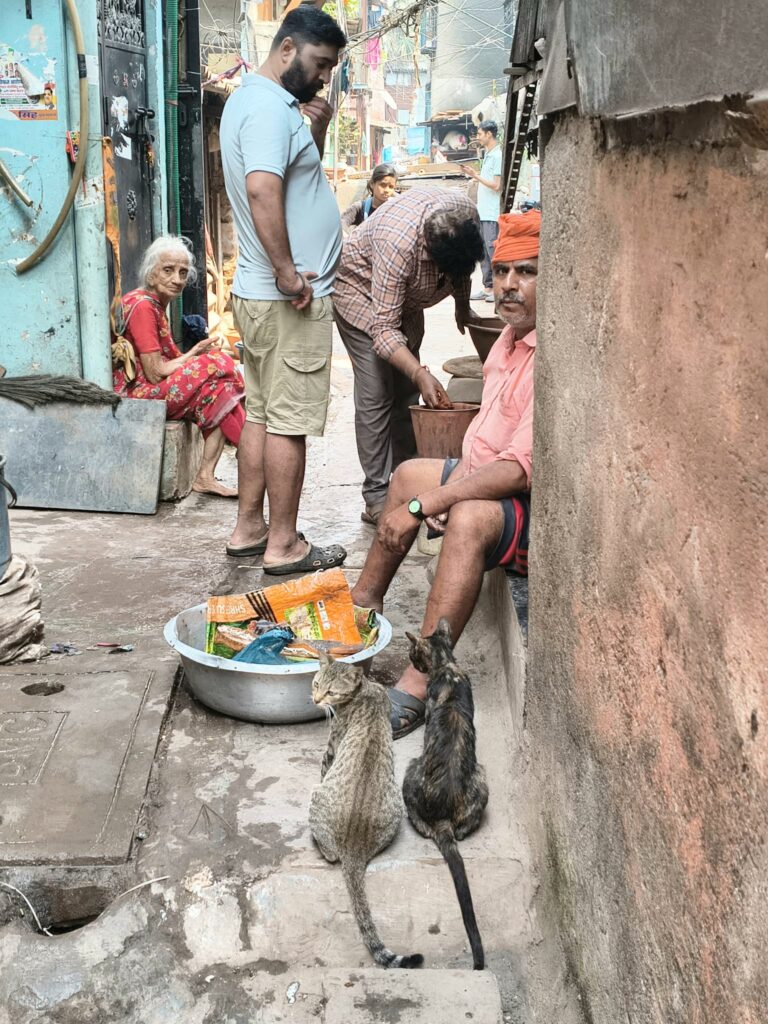
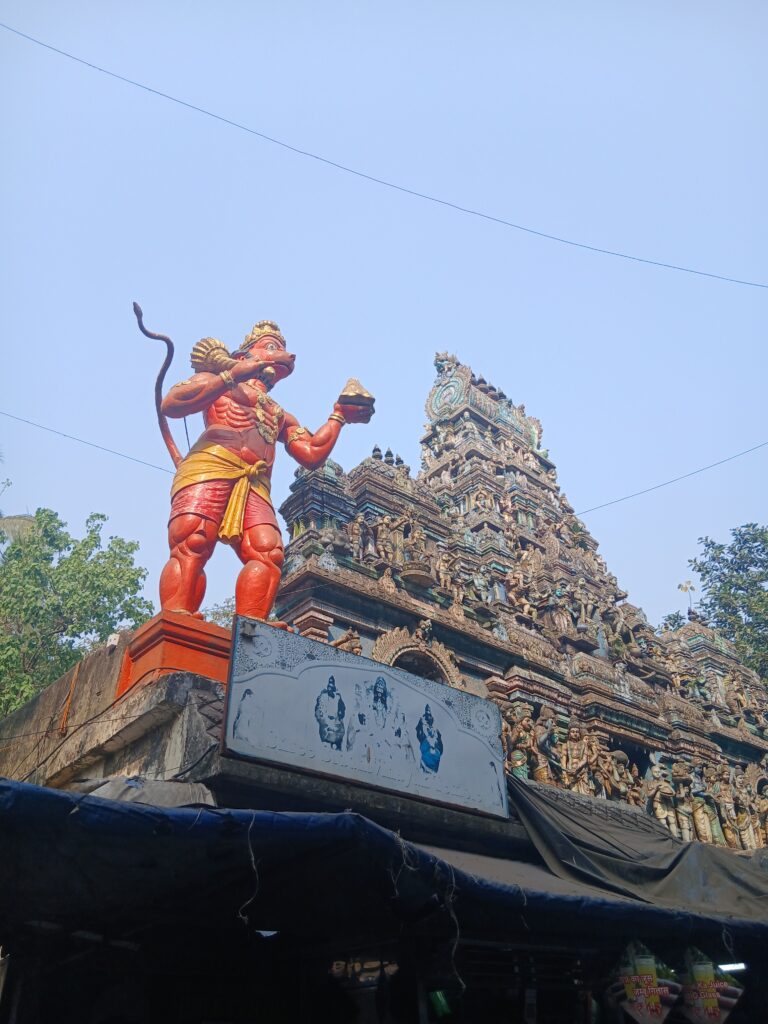
There’s religions of all kinds, such as Hindu, Muslim and Christian etc.
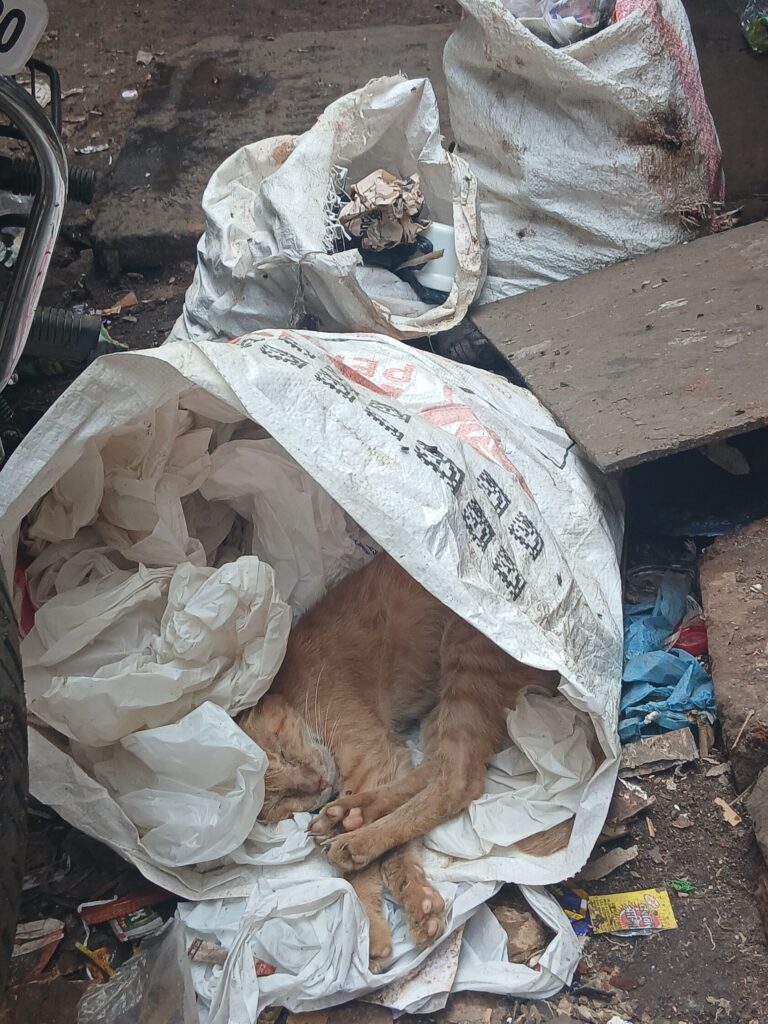
Amongst the people, we saw chickens, goats, dogs, cats, cows and geese. There was one pup in particular we would have been tempted to scoop up and taken home. He was a smart boy.
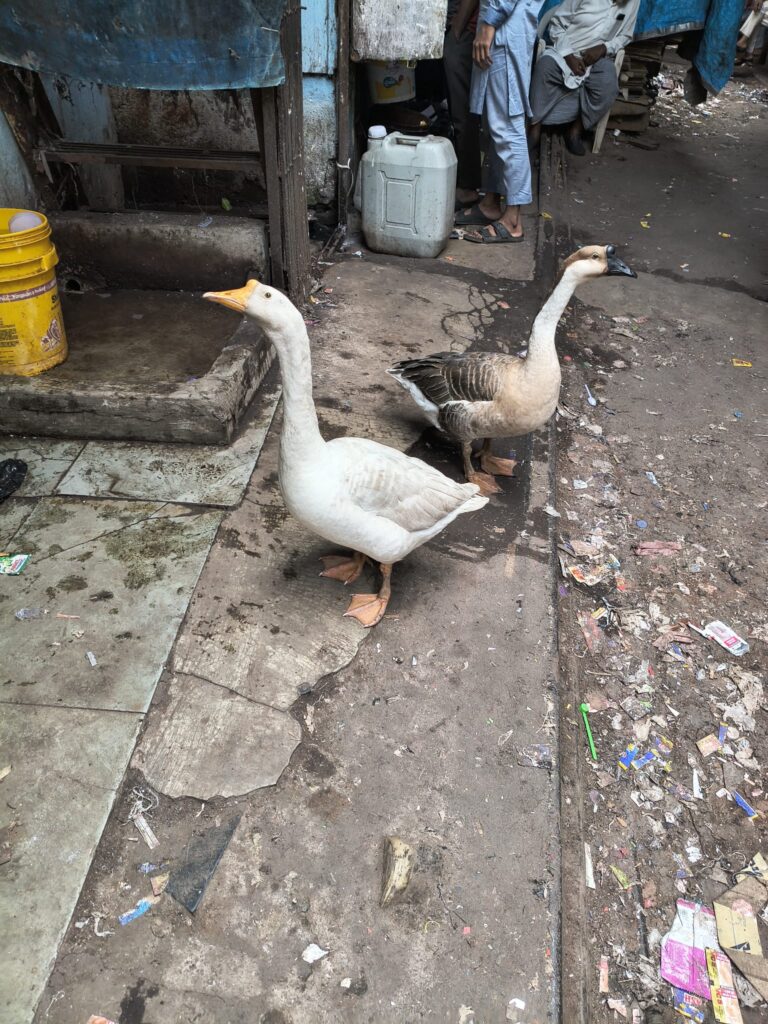
The slums are very famously known for the movie, ‘Slumdog millionaire’, where the actor, Jamal Malik, comes from and the movie was filmed. In fact, several locals from Dharavi have come on to make a name for themselves. Everything from Movie actors, rappers and models.
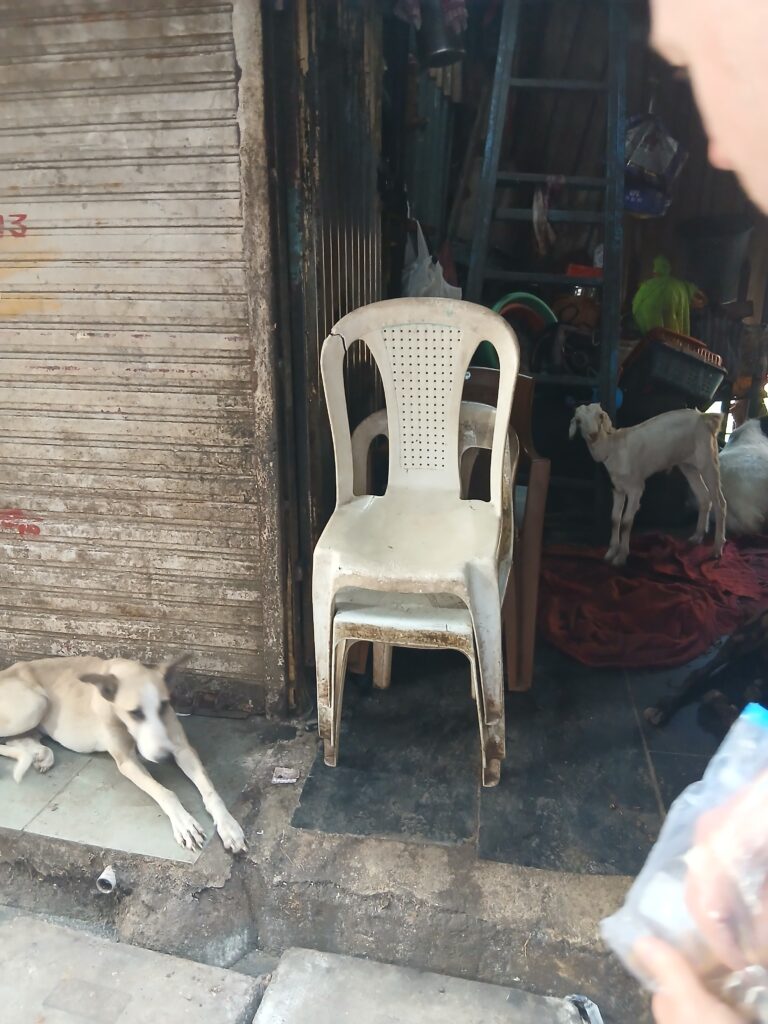
Its like a city in itself. You will find bakeries, leather stores, barbers, tailors, mechanics, recycling plants, even schools, hospitals, a market and offices.
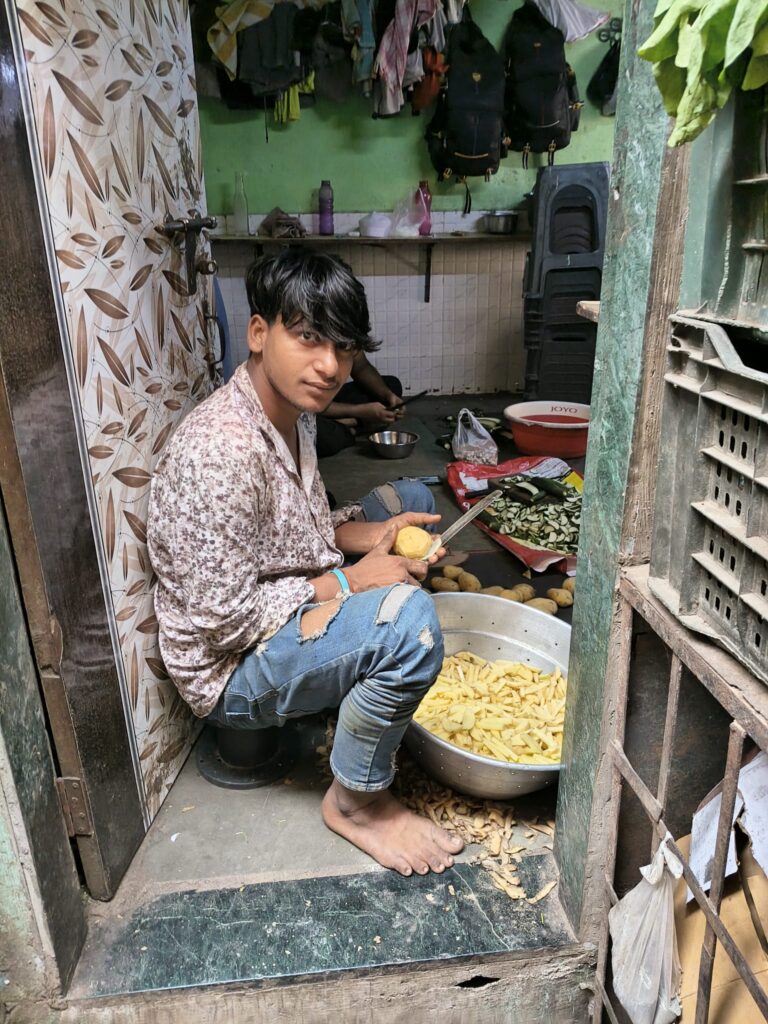
On a closest look though, i would challenge the people who call it the richest slums to spend time here.
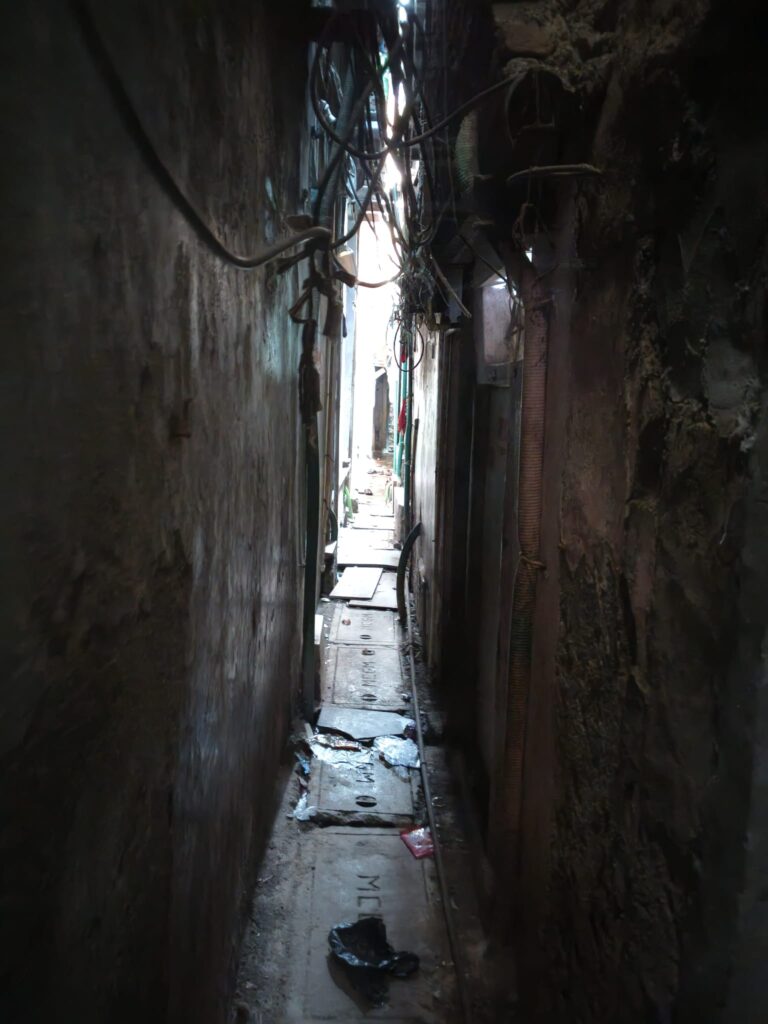
The houses and walls are so close together, dimming any sunlight, someone who isn’t claustrophobic, would even find themselves a tad closed in, especially if there were rats to avoid in the pitch black!
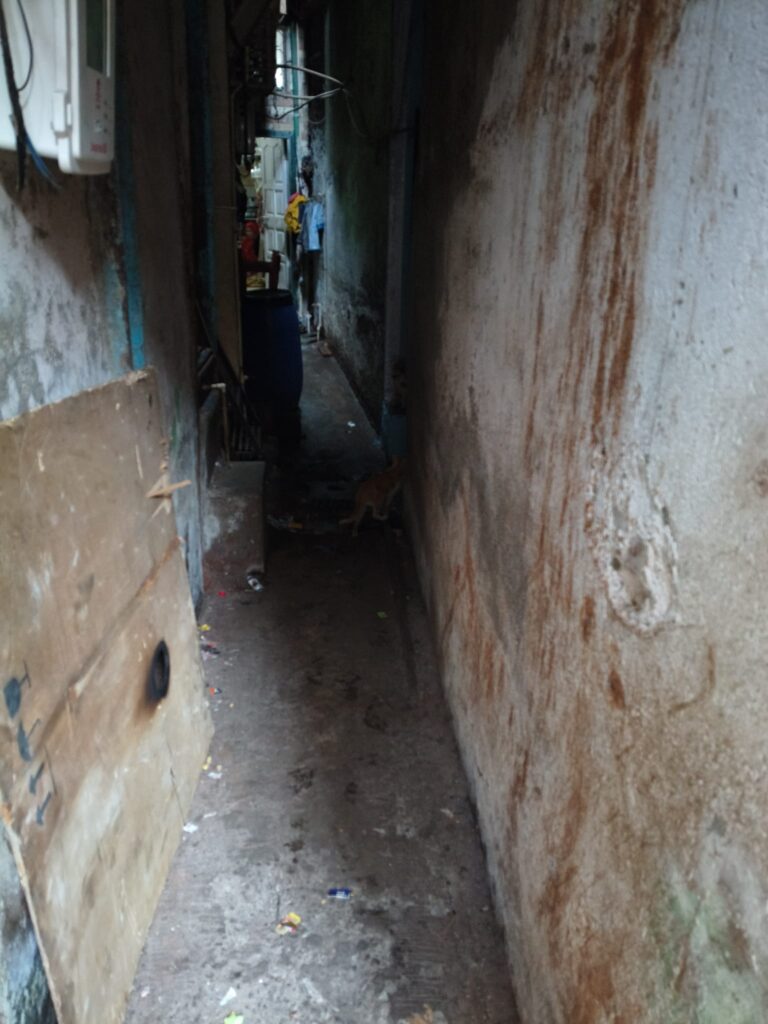
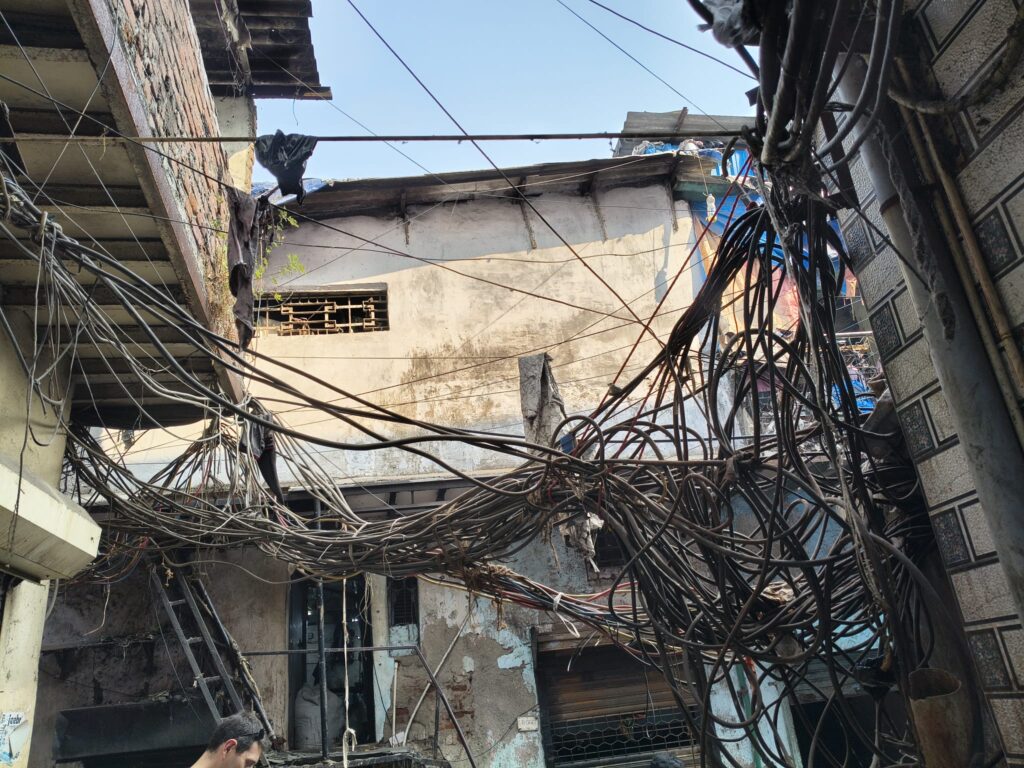
Also watch your heads with all the hanging wires! Health and safety knows no bounds!
The industrial part
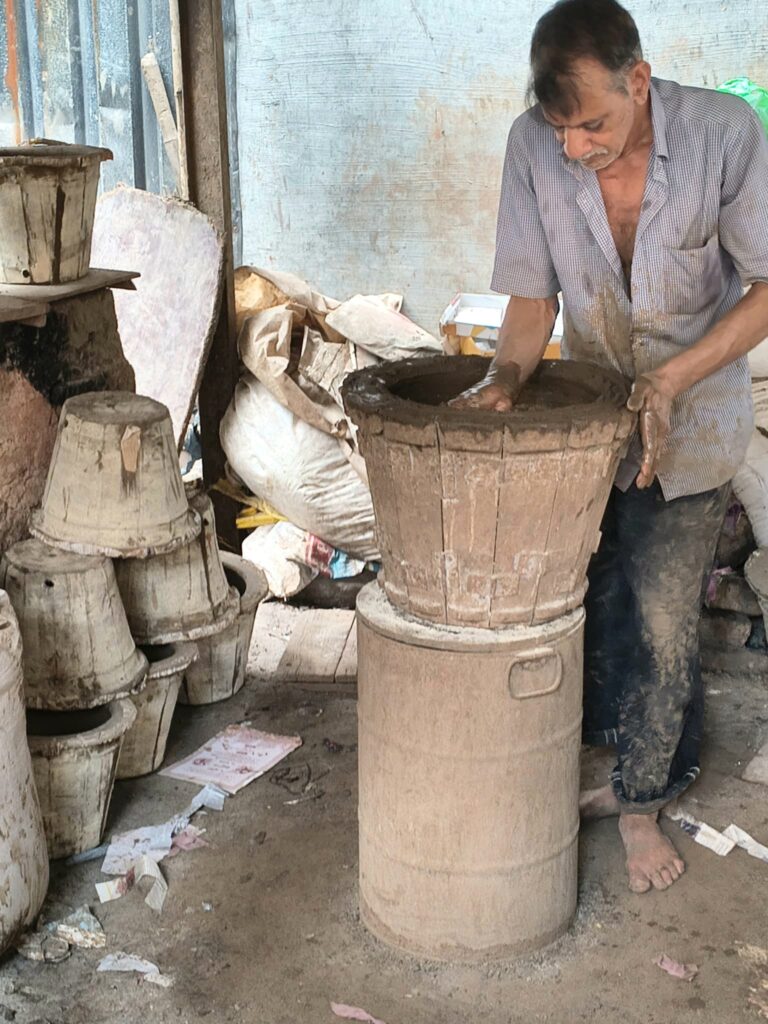
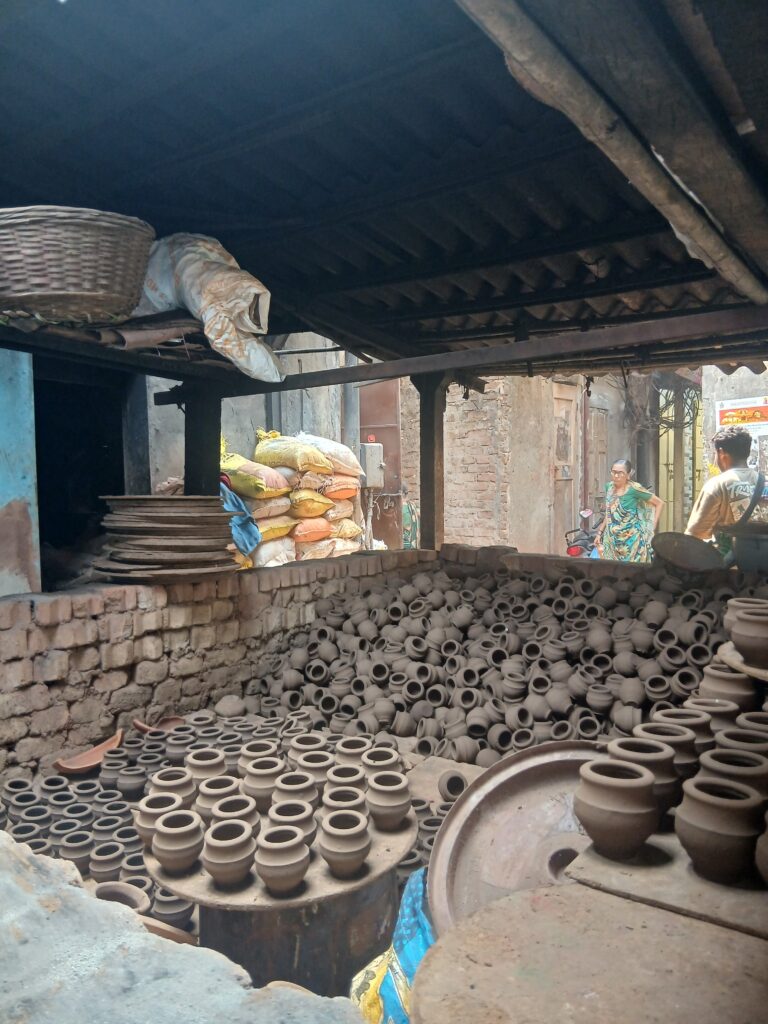
Siddesh brought us to the industrial part of Dharavi first.
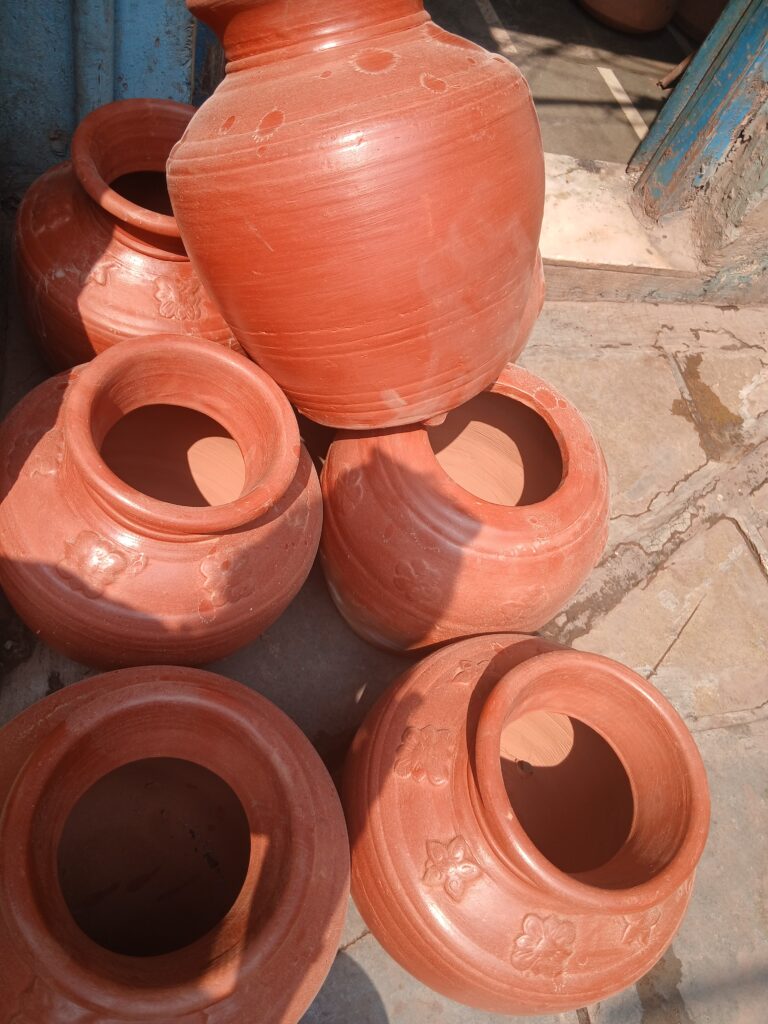
The clay pot making was particularly interesting as we watched a gentleman in full swing of the pottery making.
He made it look effortless. The pots were of excellent quality, even more so unique when you see them being made firsthand.
The recycling plants
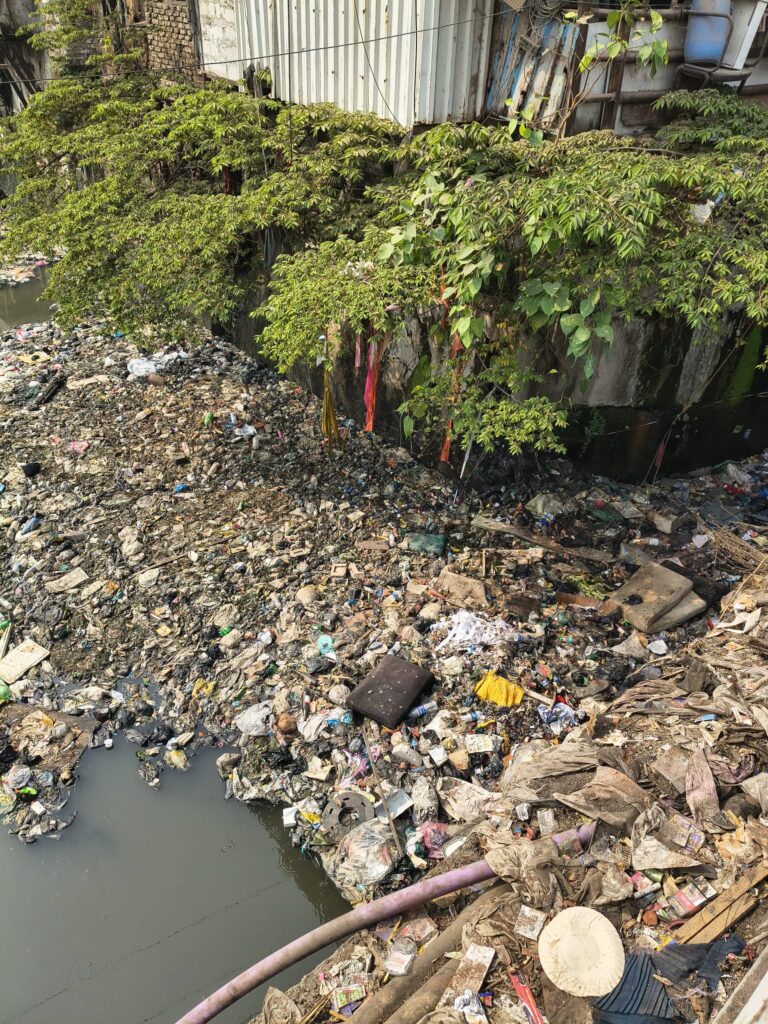
Sometimes when looking at most of India, with the amount of rubbish, you wouldn’t believe recycling goes on.
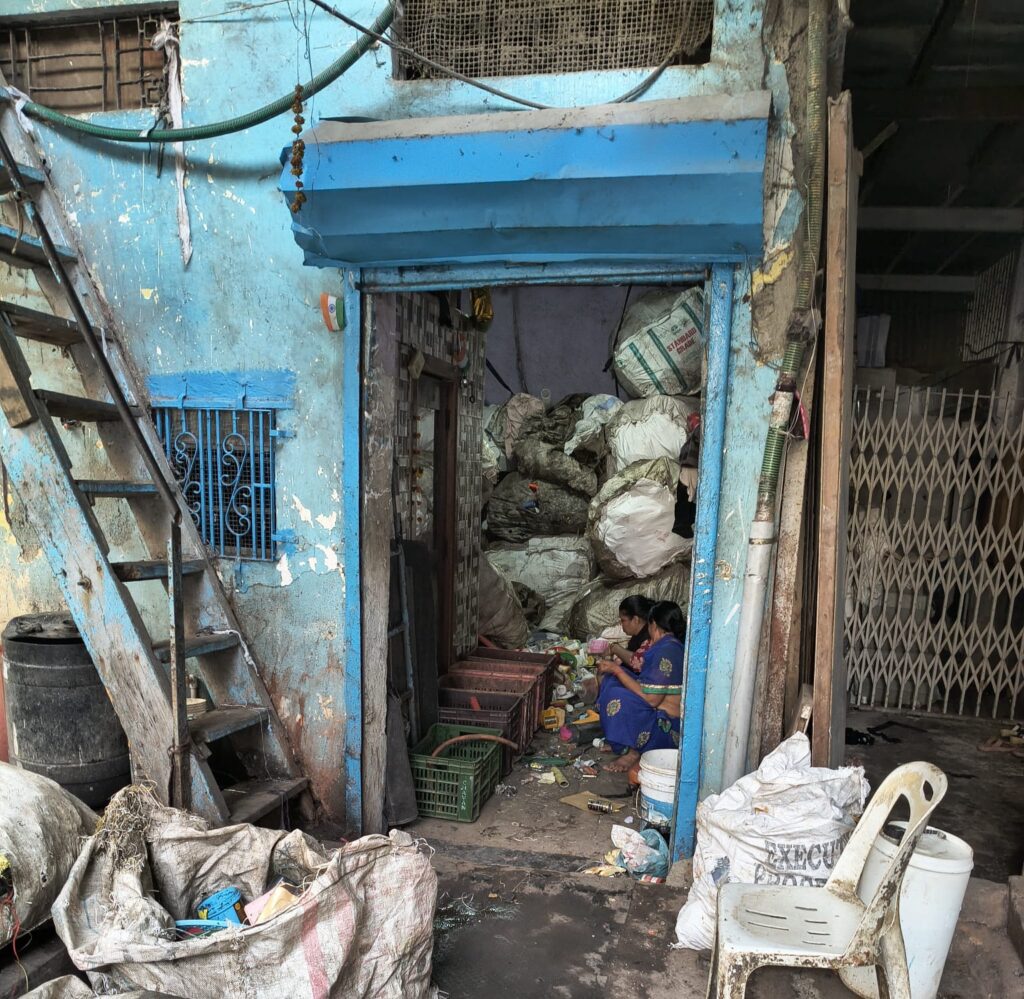
Well it does, and in Dharavi it was an industry in full swing.
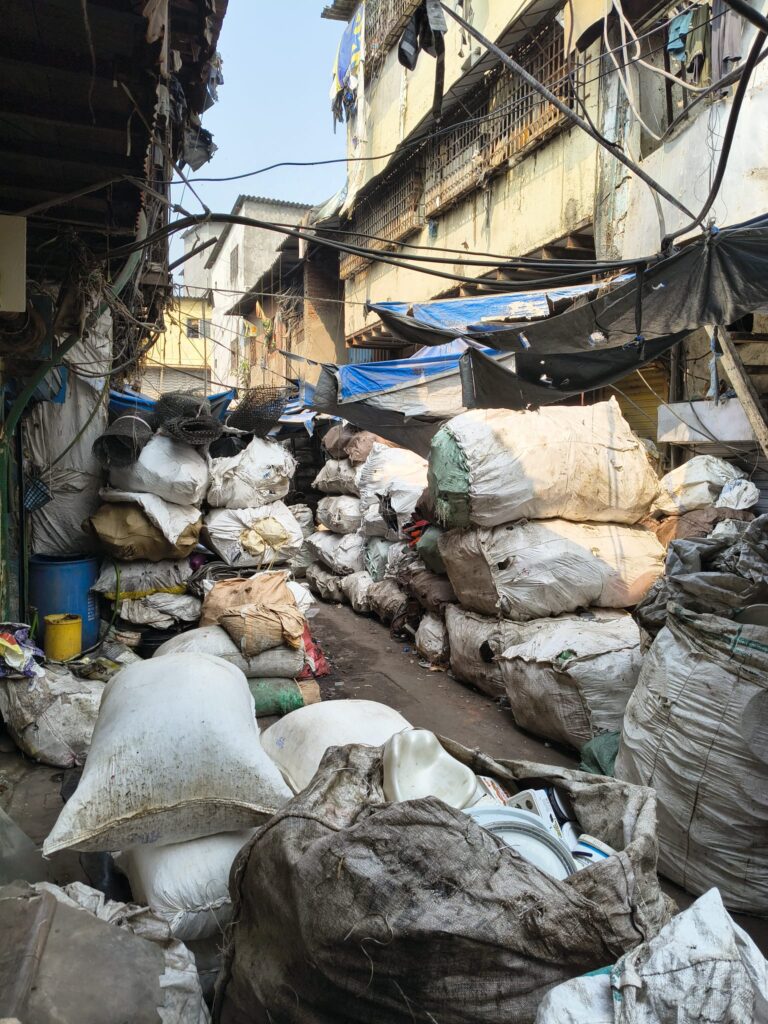
There is money in people’s garbage.
The leather industry
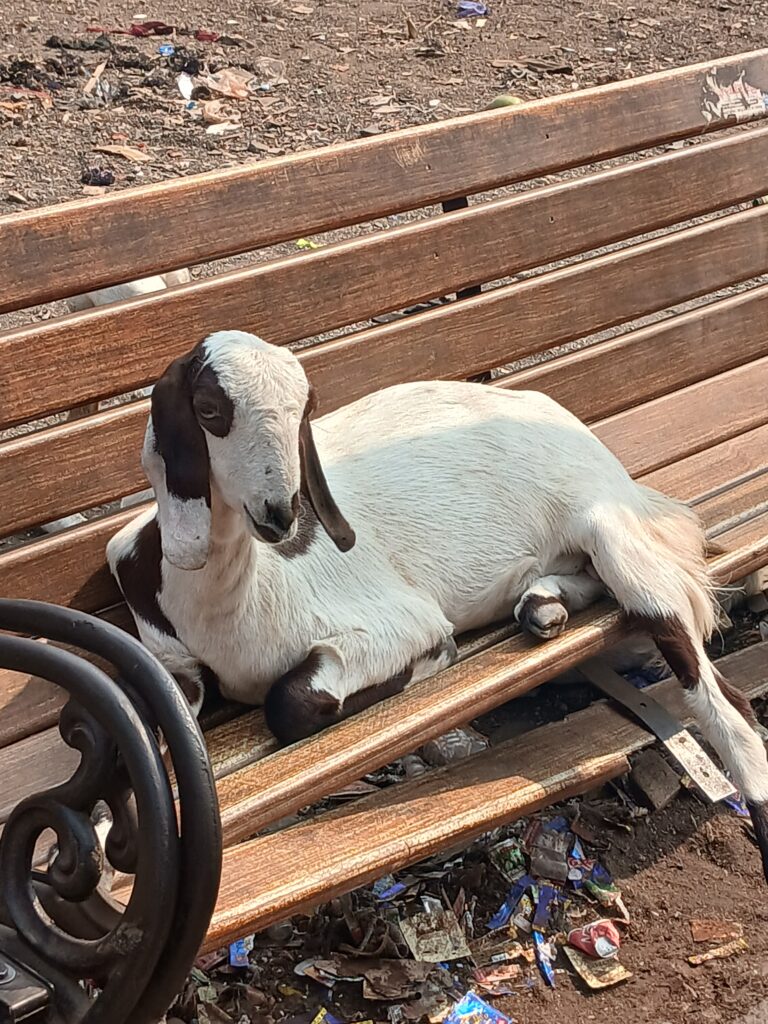
We saw many goats while wandering Dharavi slums.
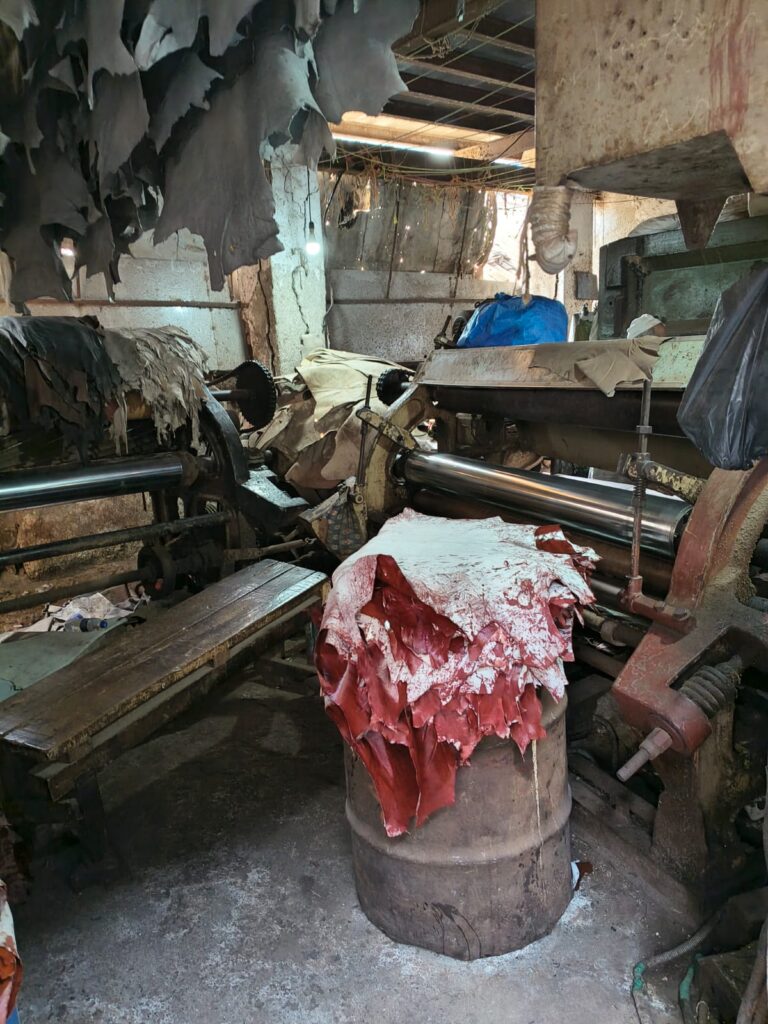
unfortunately, and sadly, some are slaughtered for the leather trade.
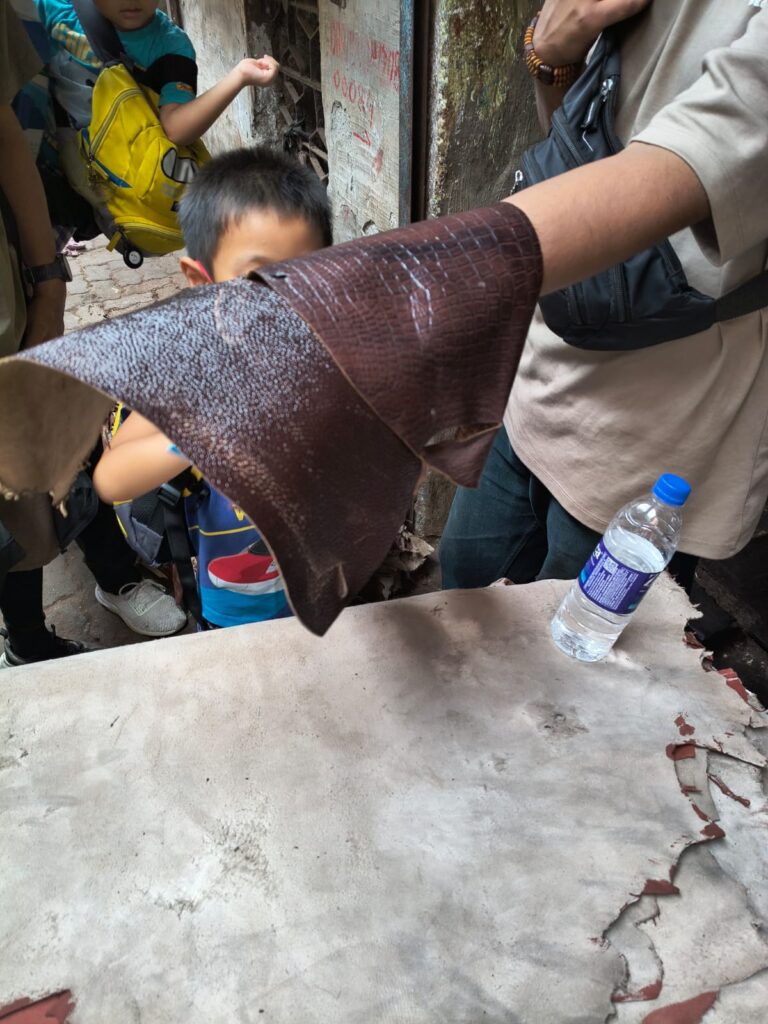
Since the Holy cow is sacred in India, its now the goats turn for commercialism.
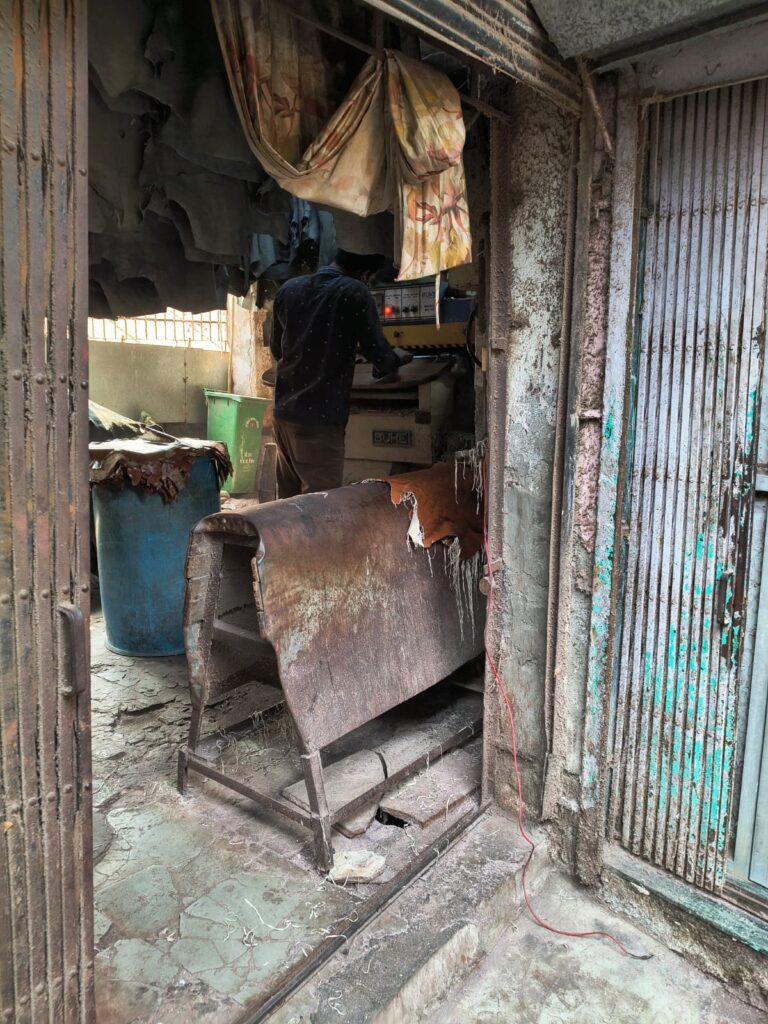
Its not just goats being killed in the name of fashion.
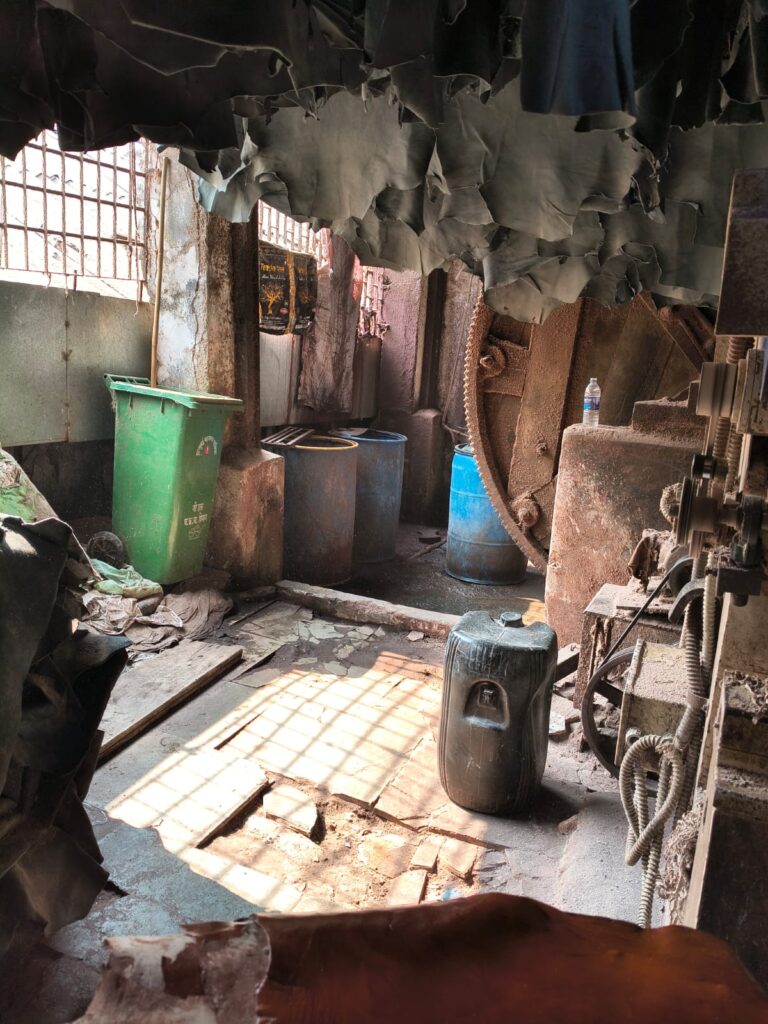
You also have sheepskin and to add to the look of the items, they press crocodile and snake patterns on them.
The dust in the air and smell is potent and we wondered how the workers breathed it in daily.
It couldn’t have been good for their lungs.
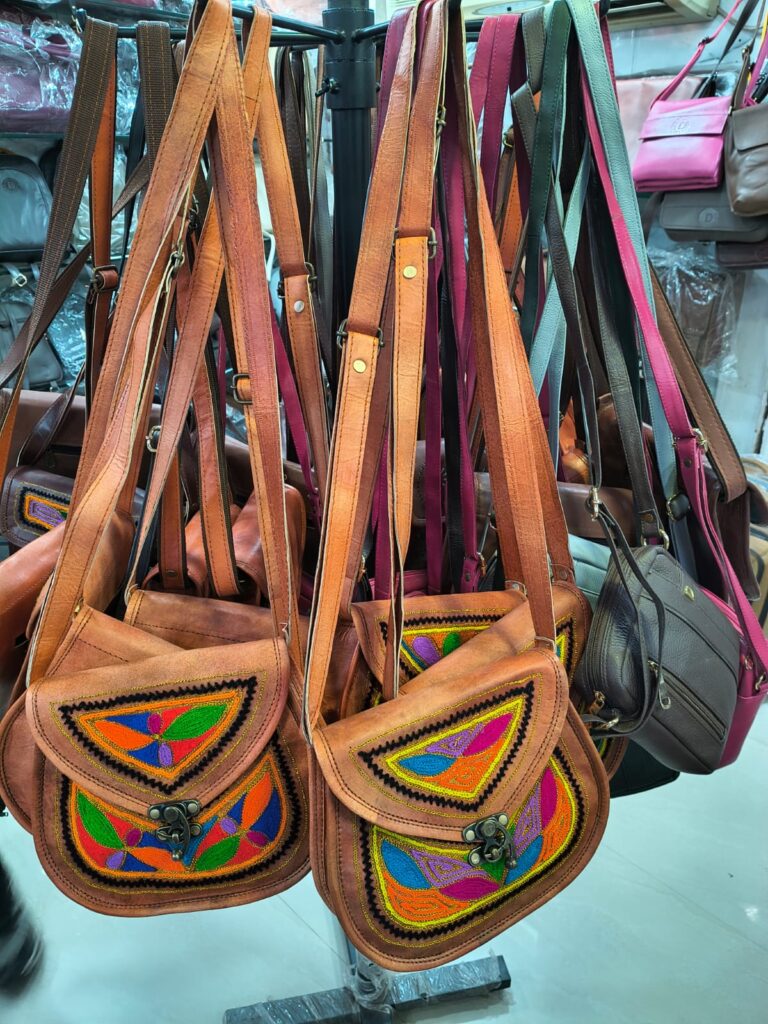
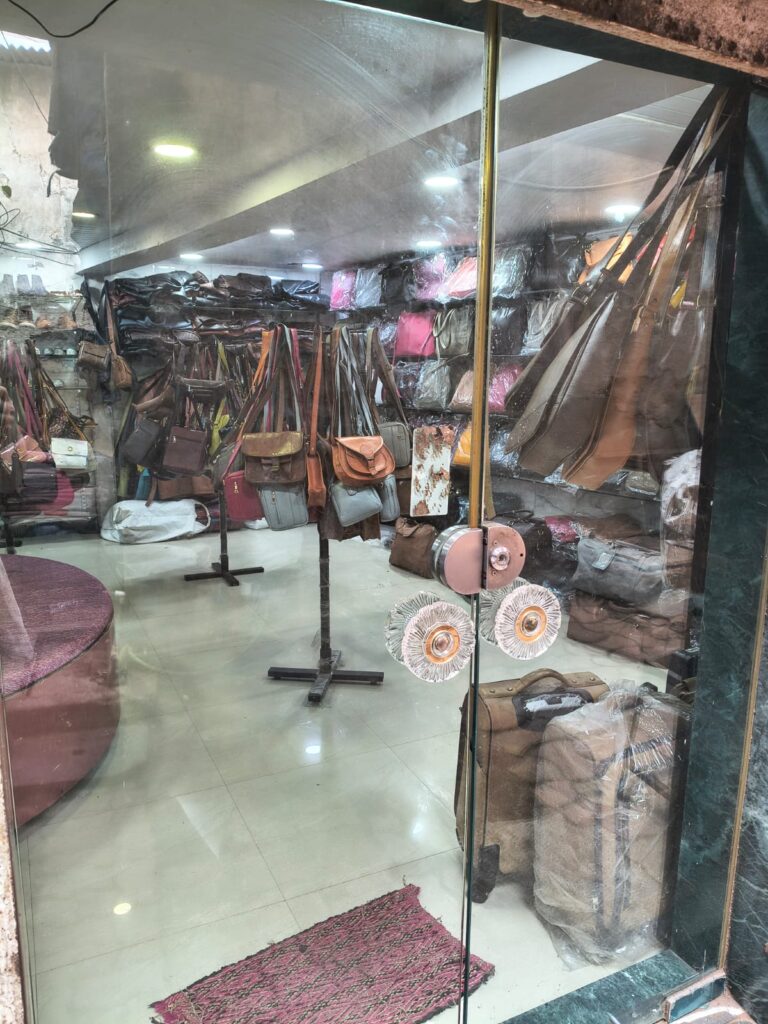
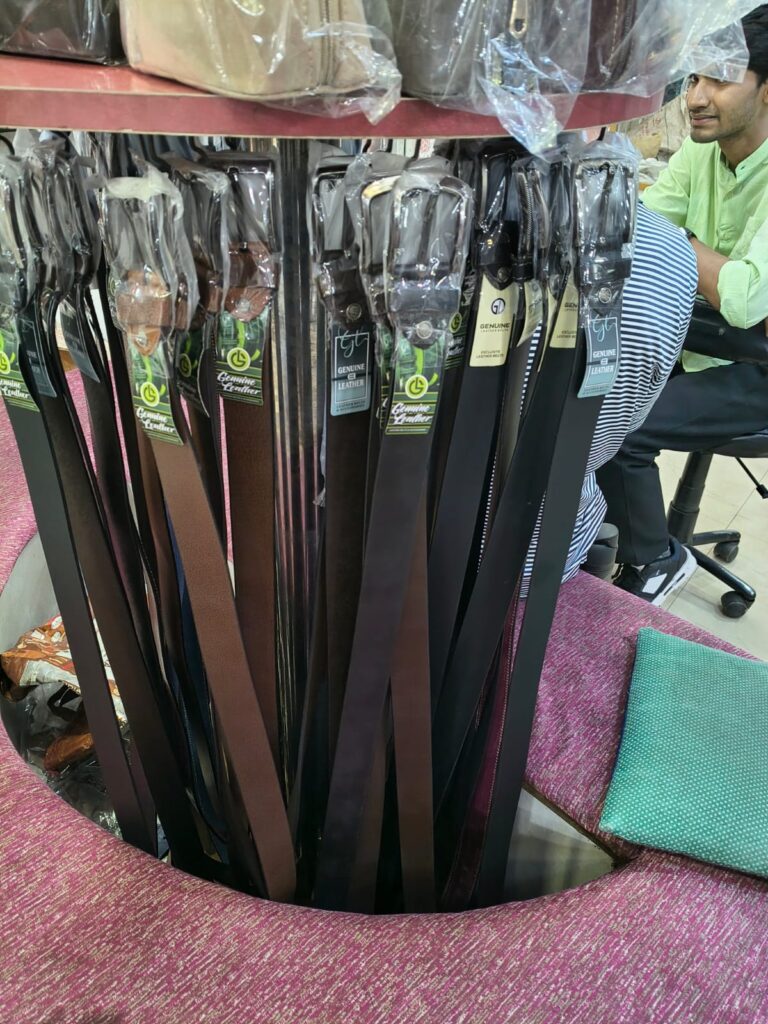
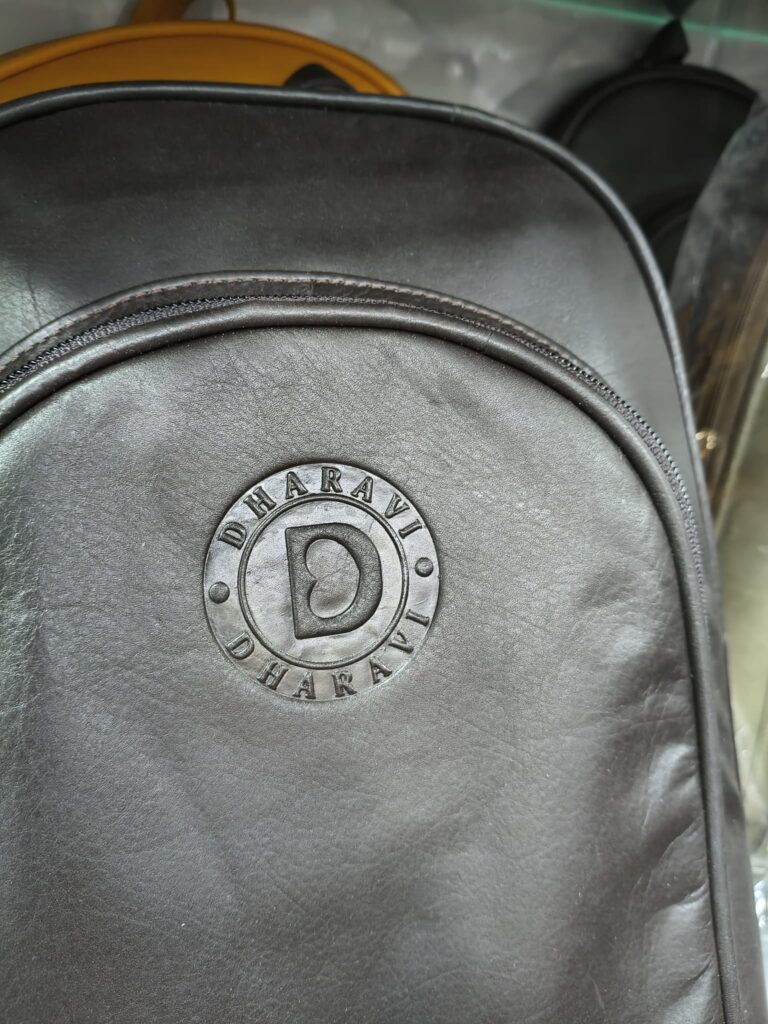
After the talk, the tour then gets brought to a glass front store, were all the leather handbags, purses, luggage and belts sits in all the glory.
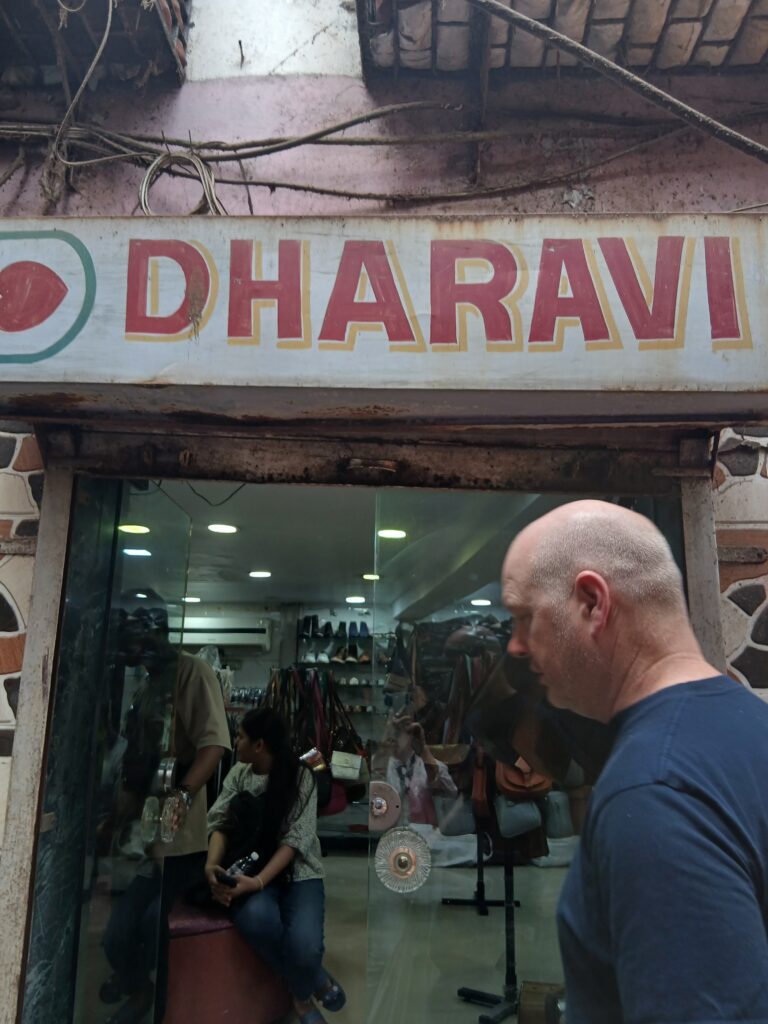
The bags and belts are all proudly stamped with Dharavi.
The tailors
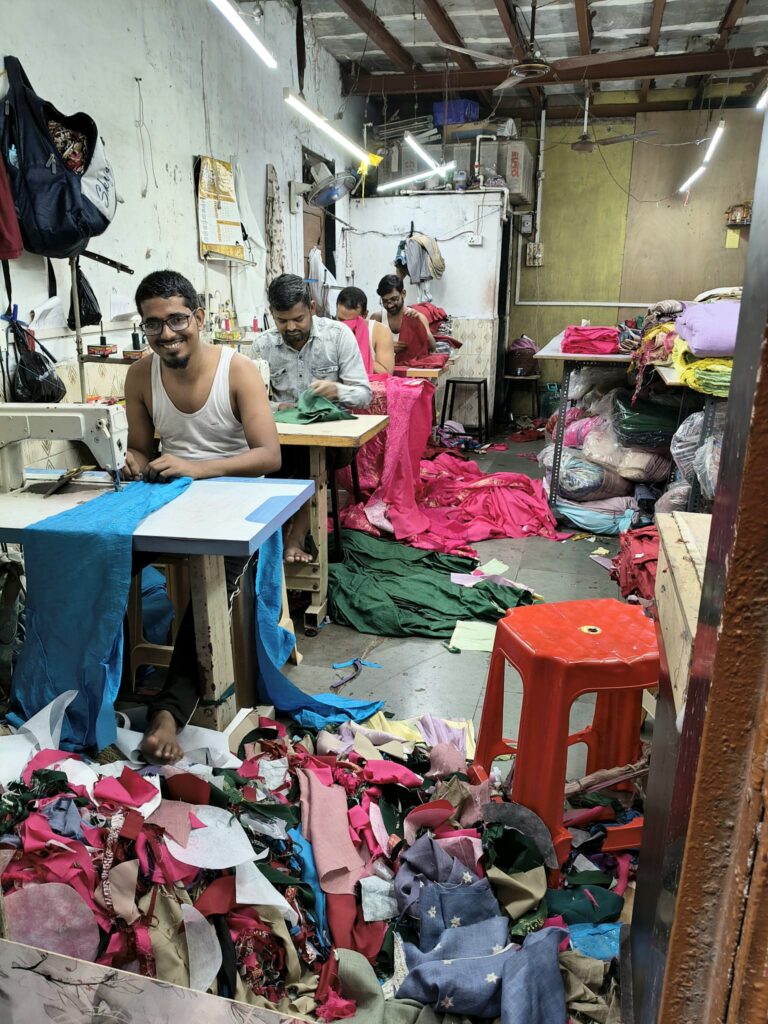
From bits of rags / material a whole lot of colourful saris, or smart shirt etc can be made by the expert hands of the tailors in Dharavi.
The residential area
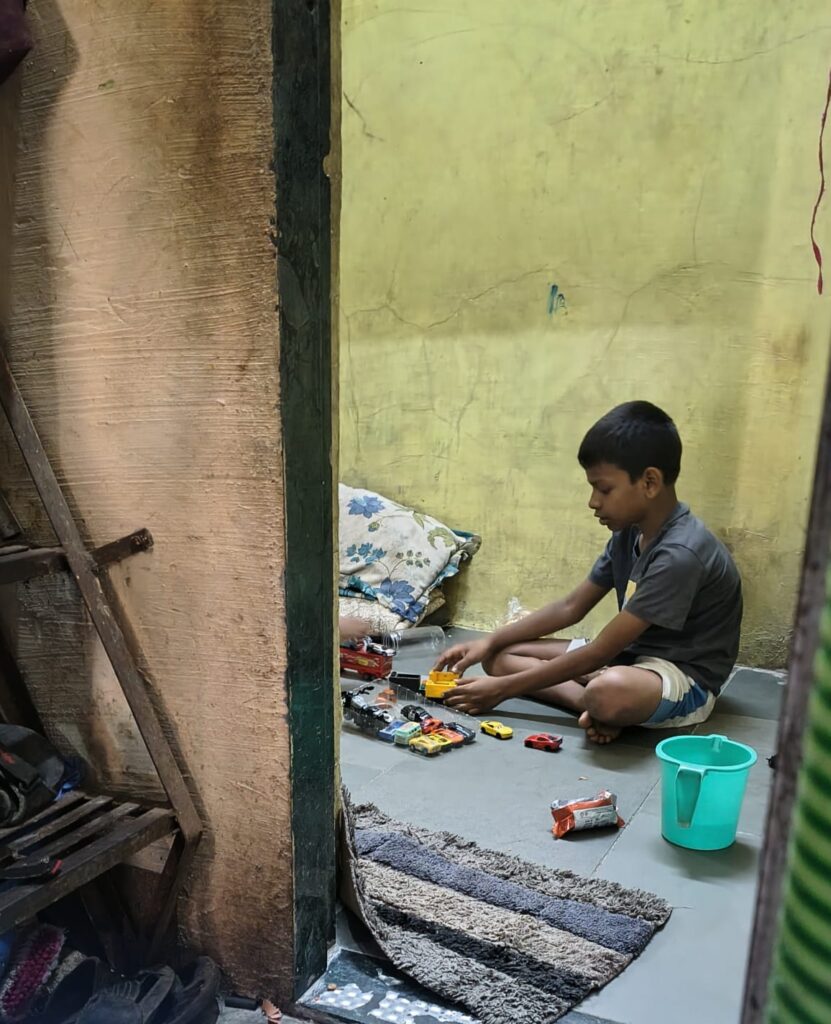
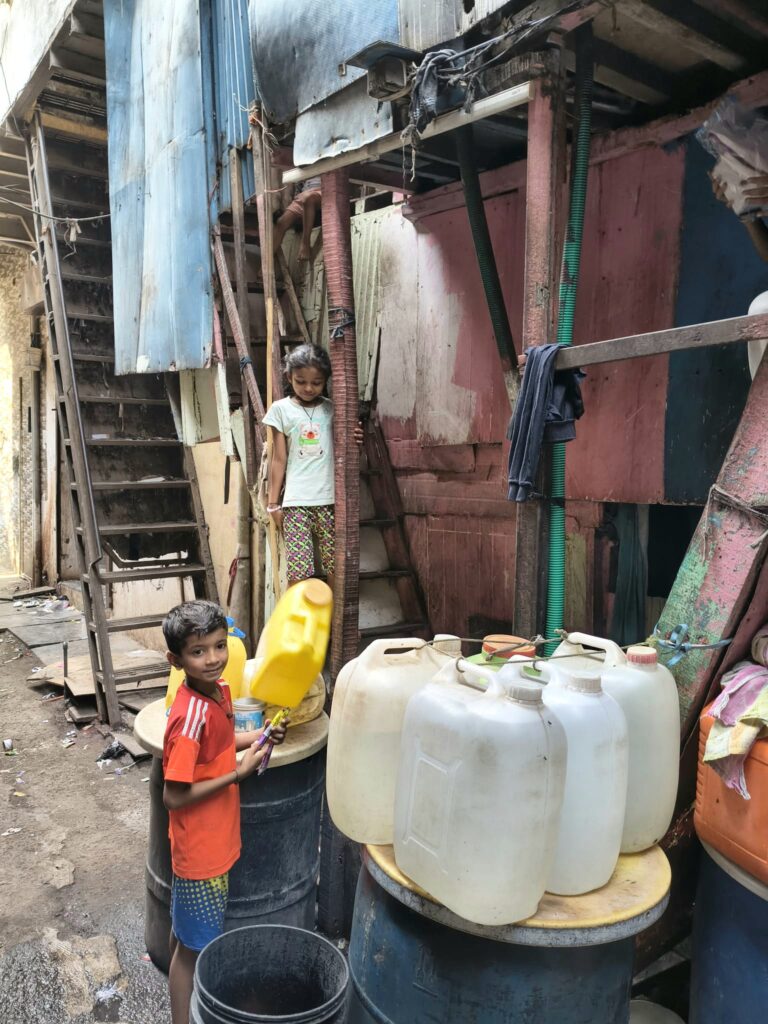
For a tiny house here it costs approximately 6,000 rupees per month. however, a basic shared room experience can cost as little as 200 rupees per month. Furthermore, many workers, up from the rural areas, will work and sleep in their workshops.
Up to 13 people can live per household and sometimes this can include walking, or laying at bed time in sewer waste.
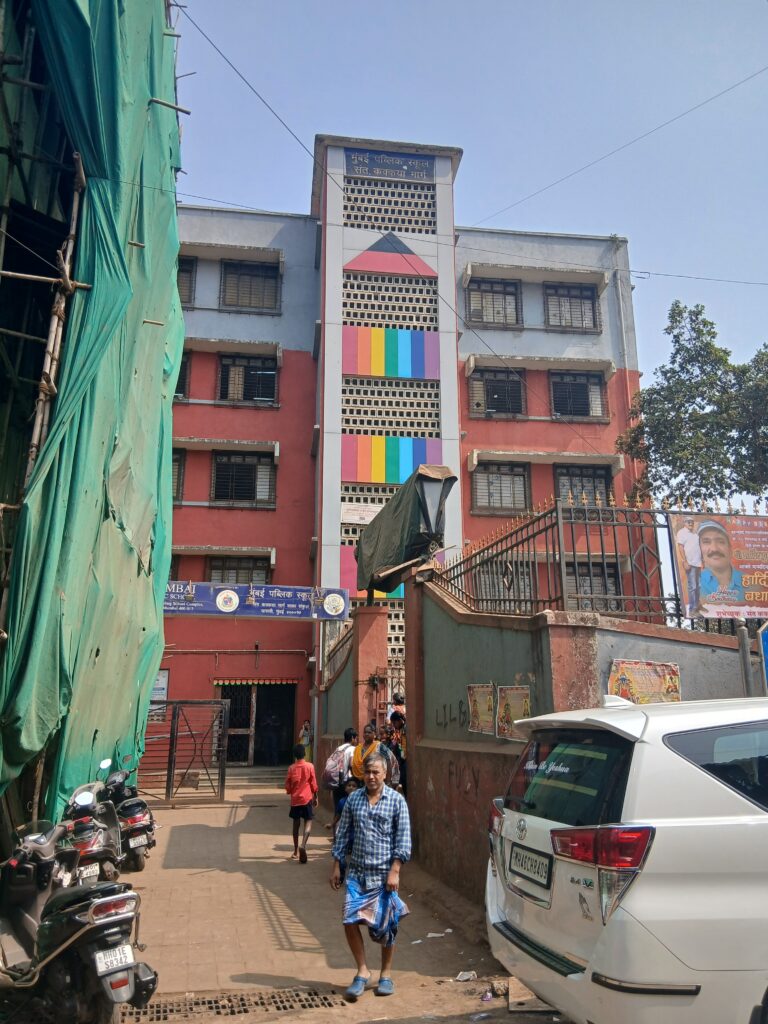
Even to go to the toilet, you will need to pay. Some residents have the luxury of going twice a day, some who cant afford it, will have to go outside.
Its said that up to a 1000 people in Dharavi can queue in the morning to use the toilet or washrooms.
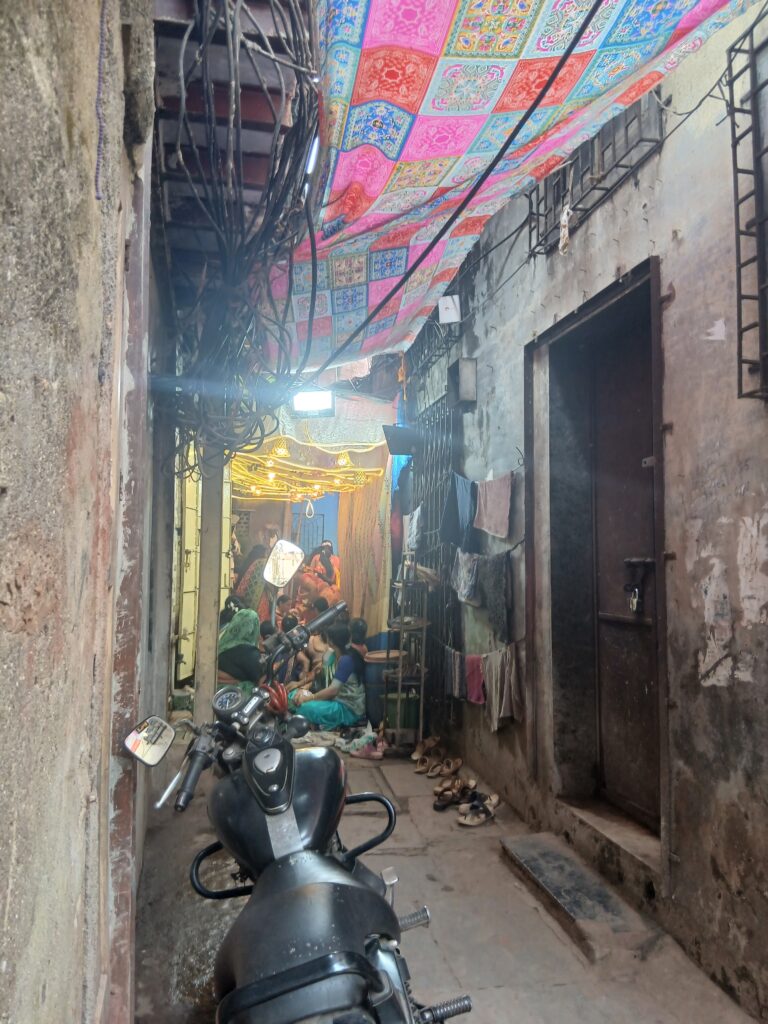
You will also need to pay for your own water. Going to the toilet can turn out to be an expensive business, putting the pressure on, when one is already poor.
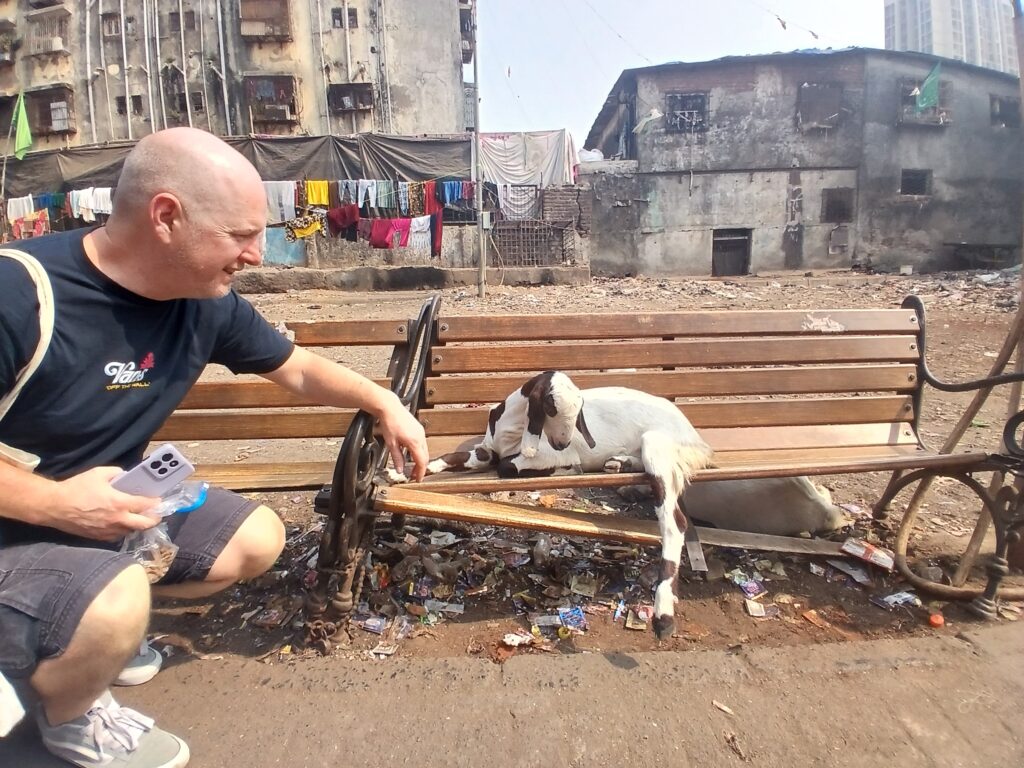
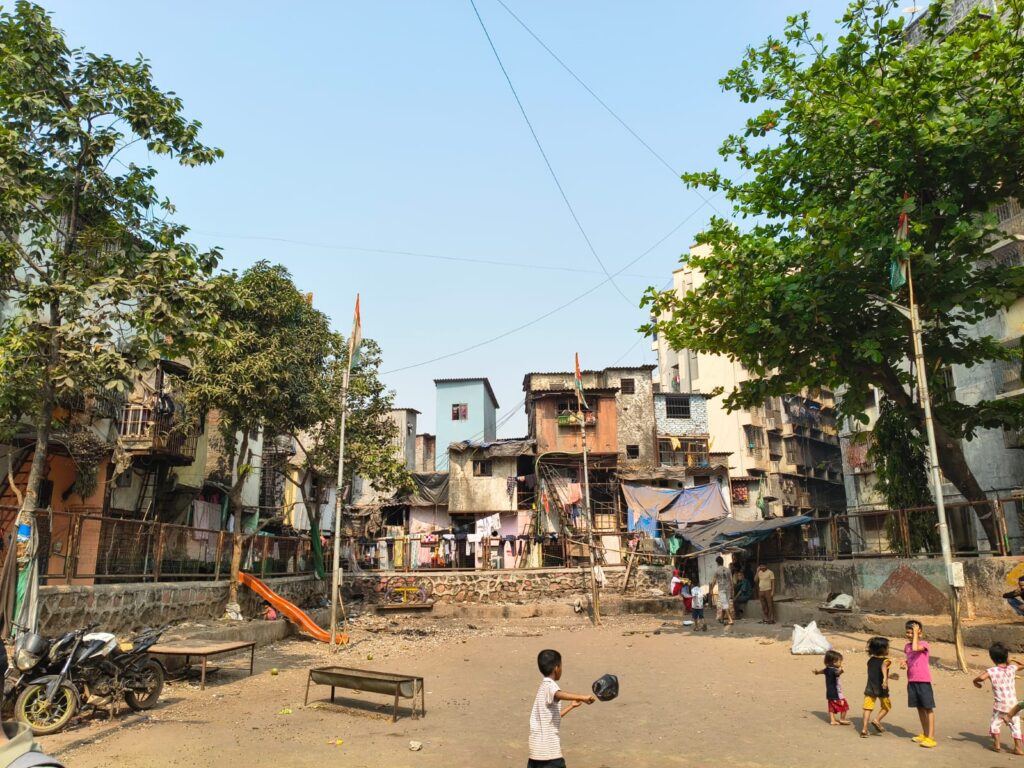
There were cute goats milling about here too as well as children playing about in a more open, dusty, hard ground space.
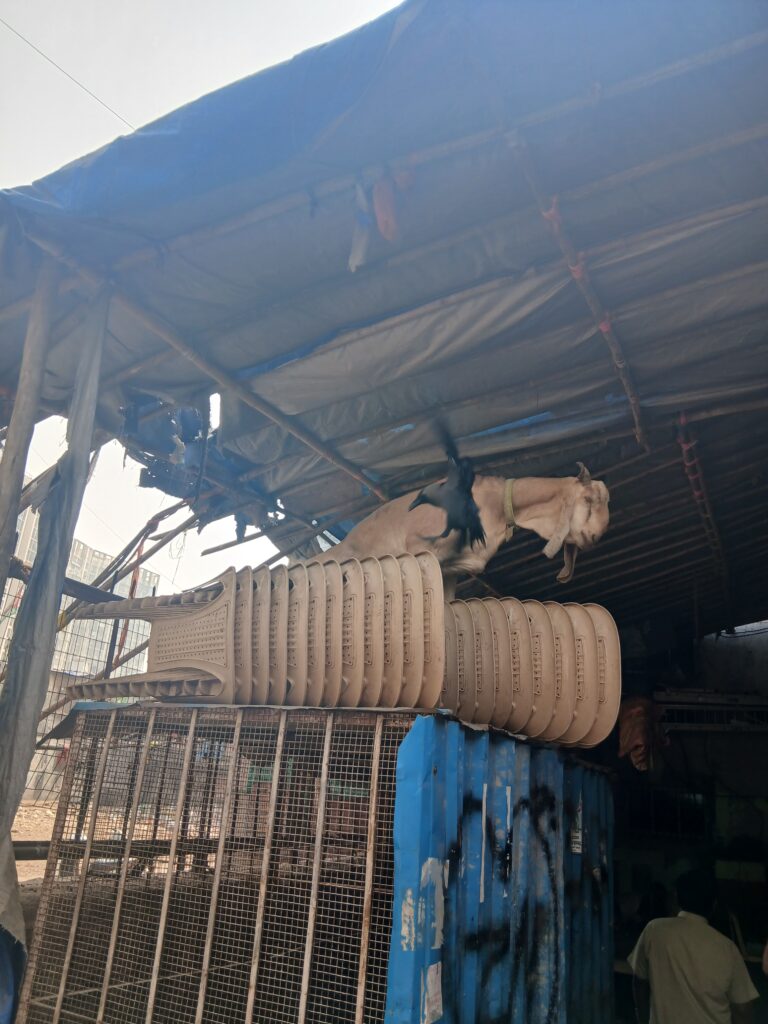
I had to say, I couldn’t help feel sorry for the goats, knowing they may be the unlucky ones going to get made as a fashion accessory!
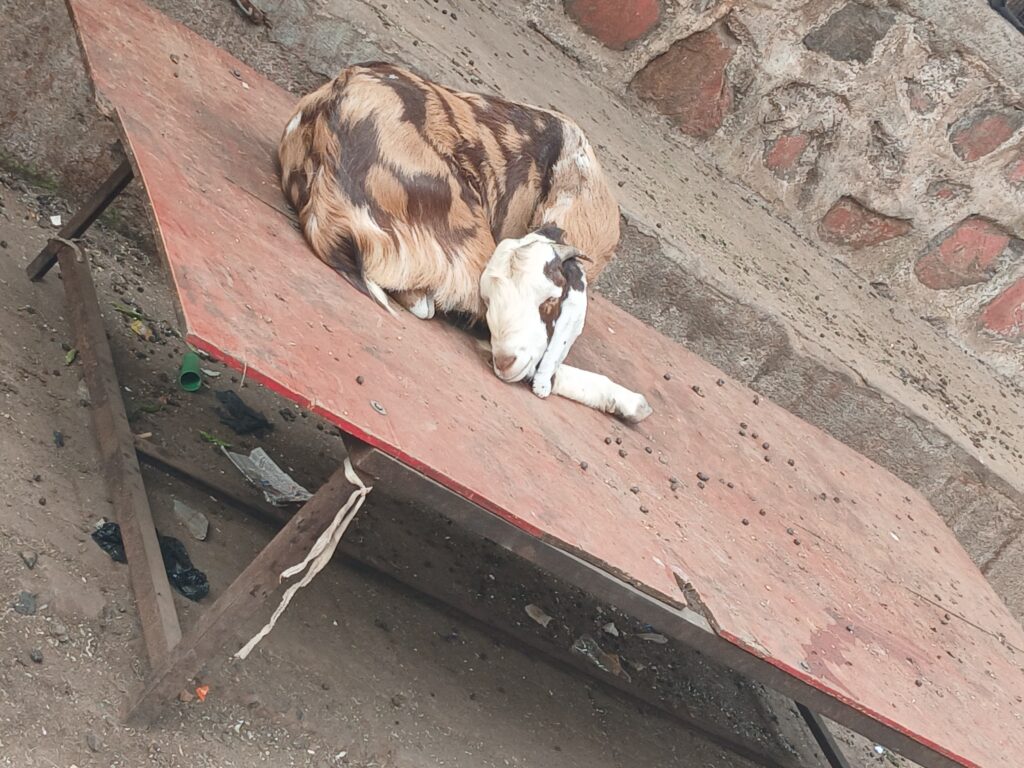
Some seemed oblivious though as they lounged on benches in the sun or on top of random objects.
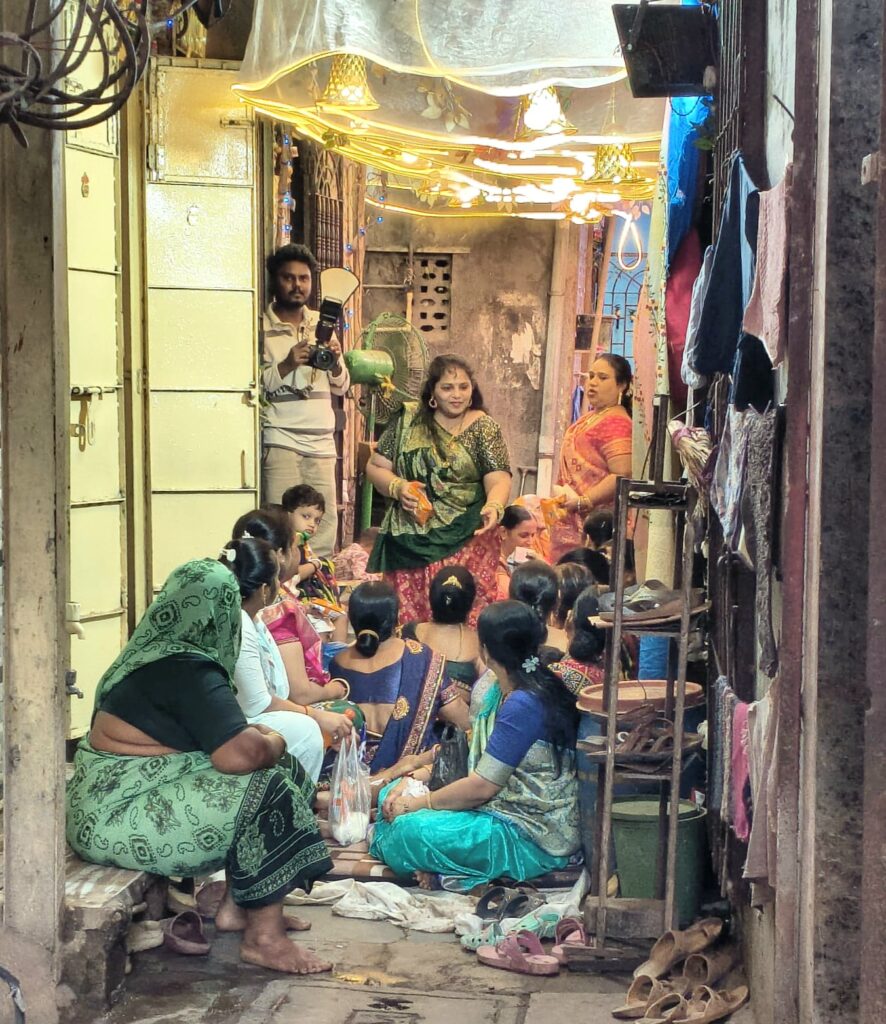
Vibrant life
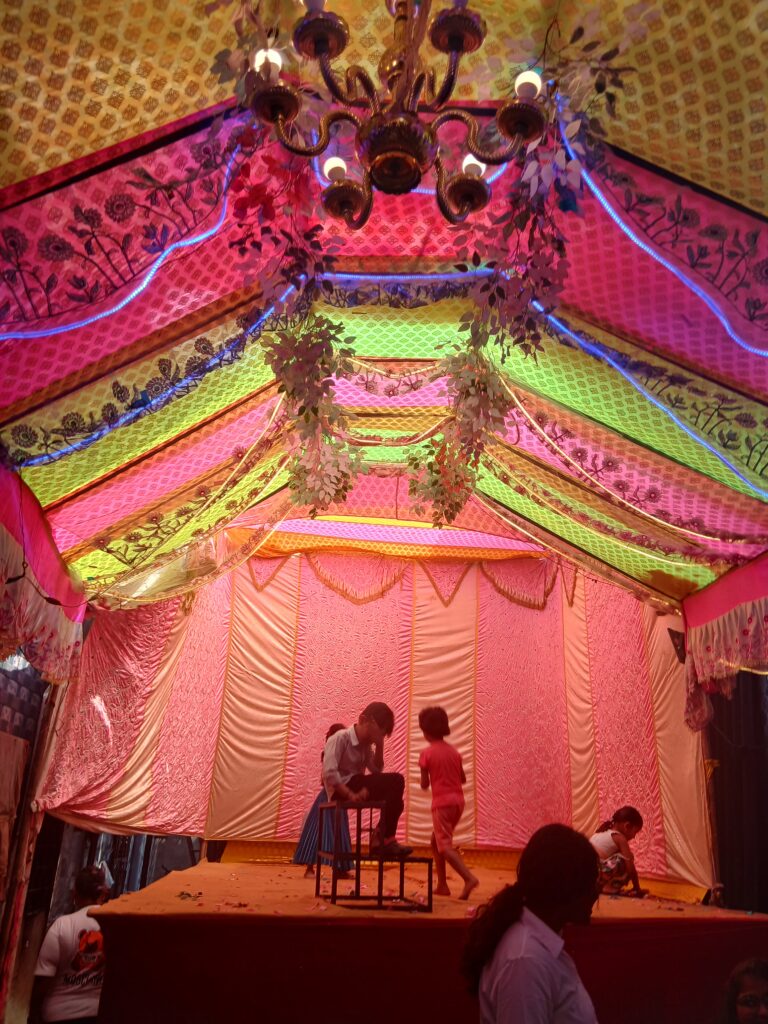
Life still continues positively, and there was even a wedding celebration going on.
The Adani question
Dharavi neighbourhood is also on the radar for development. As with anywhere is the world, greedy developers see potential to earn big, and politicians love a good back hander, which could see them clear the residents of Dharavi out.
Forget that some residents, especially the older generation have been there 60/70 years and have no desire to move out.
It is sold on the promise that the residents will get apartments in the new public blocks that will be built around the shiny private residences and offices. However, that only tells a small part of the story.
The land is not owned, and the residents have to prove they live there. There are some certificates for the Mish mash of buildings that have sprouted up on every square inch of space. However, it is only the ground floor that is recognised. This is fine for these “owners” but not so good for the many people that live in the upper floors.
At most, 10 to 20% of people will get rehoused in the blocks to be built. The rest will be homeless and have to find places to live elsewhere. Considering, over a million people live there, a lot will not be as happy with the “progress”.
Starting with the resident areas, Dharavi will be gentrified like Bhandra has been, leaving little of it’s community spirit behind.
Dharavi market
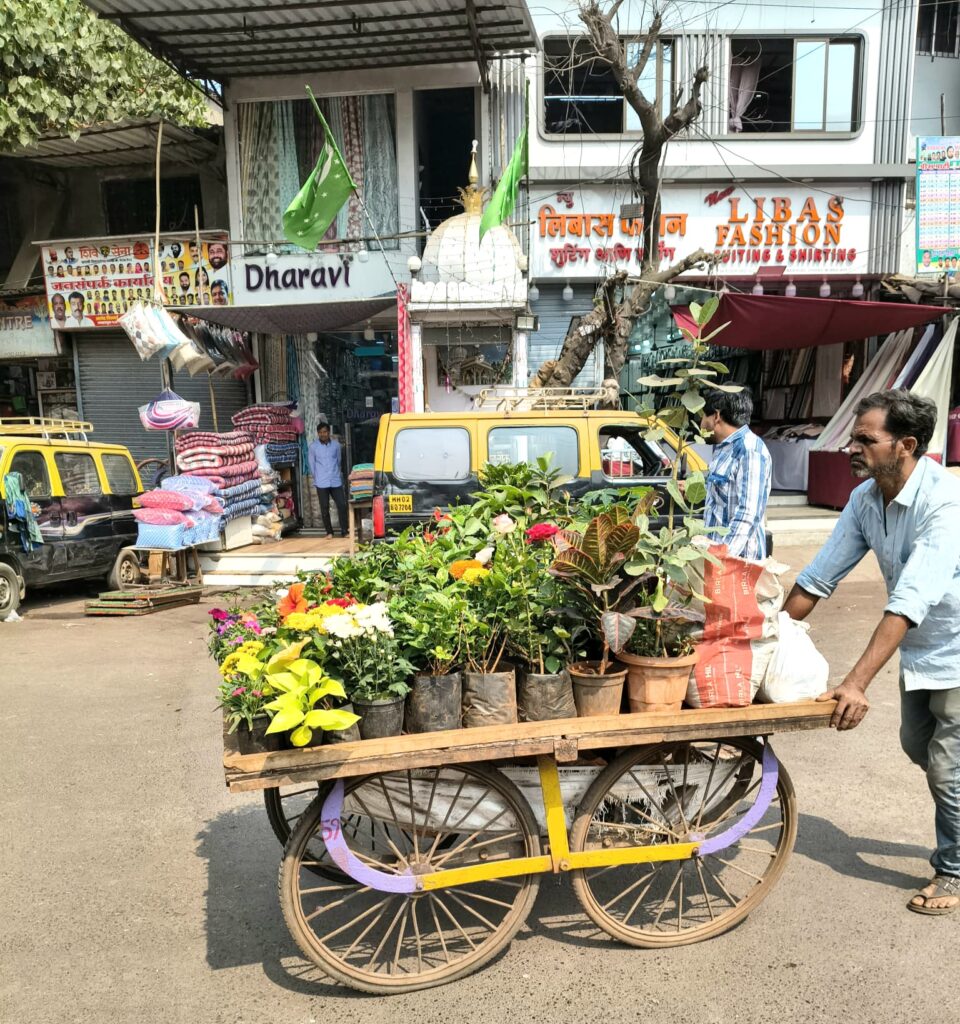
At the end of the tour, we ended up in the market.
It was a vibrant area with wider streets.
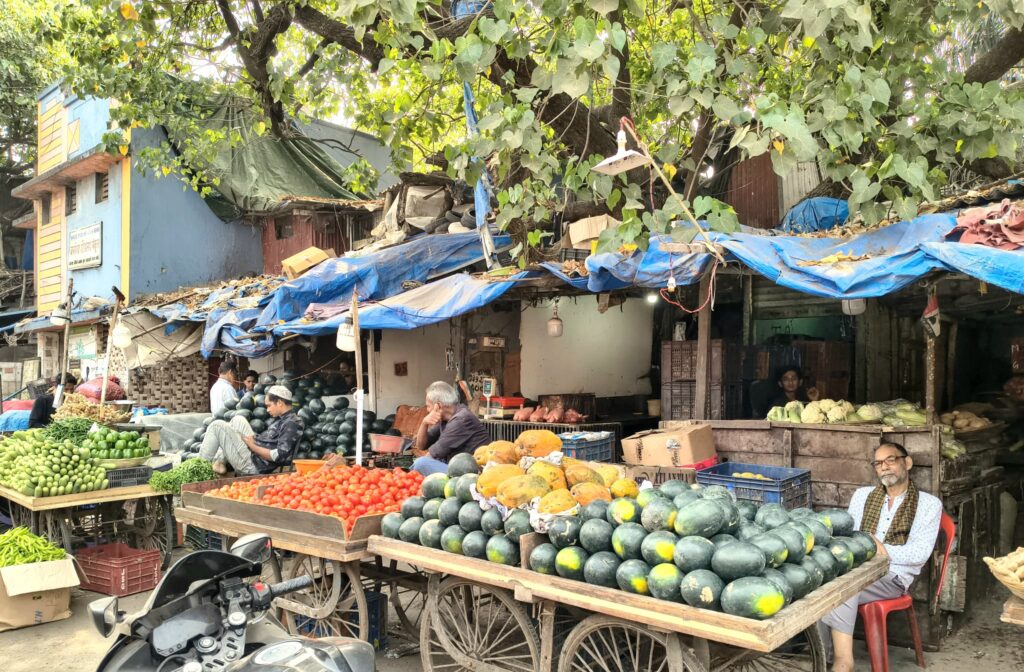
Market traders were selling lots of fresh fruit, vegetables and flowers.
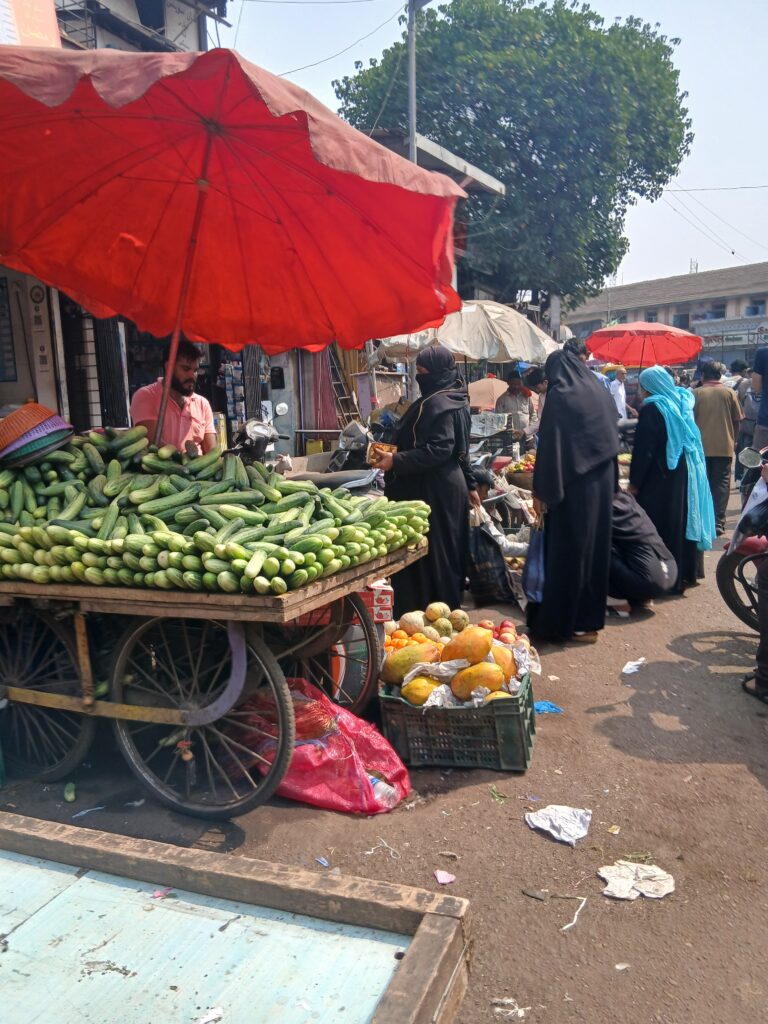
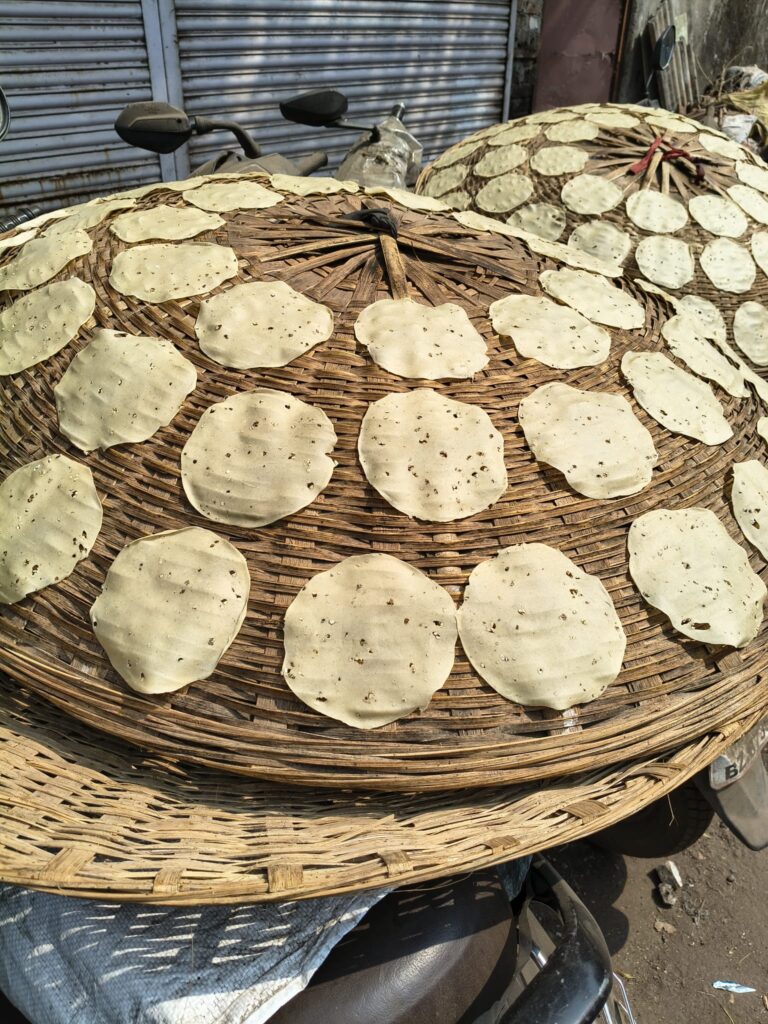
There were also sweet, savory treats and cool coconut milk.
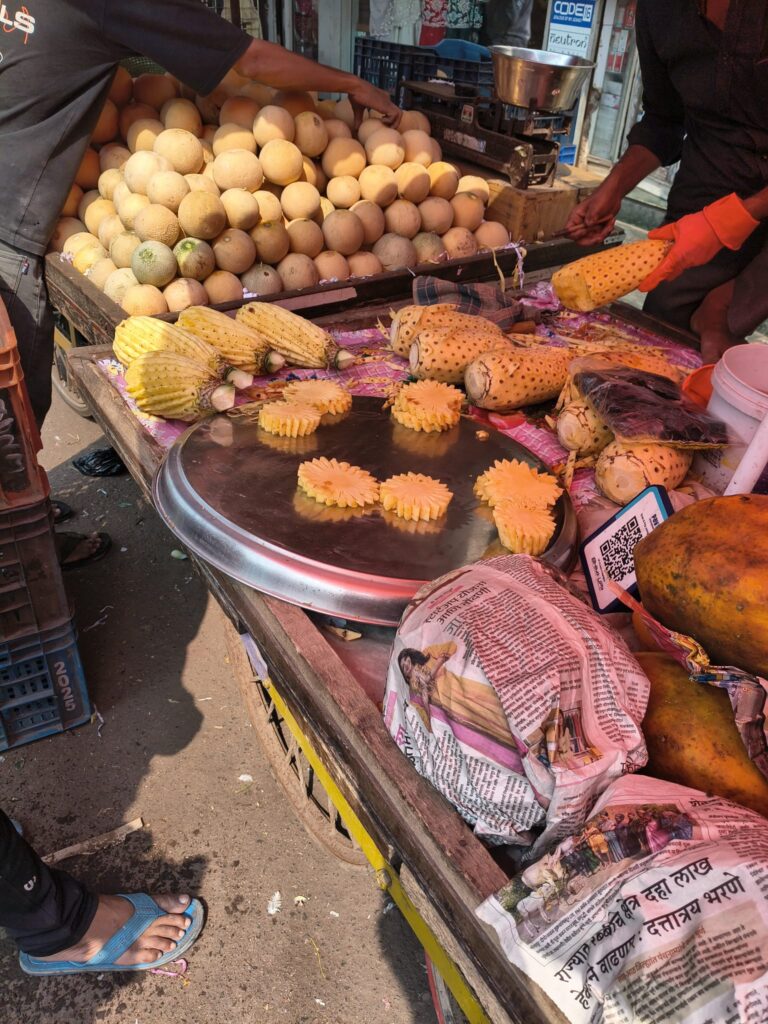
There were lots of welcoming hello’s from the locals, asking for selfies or photos.
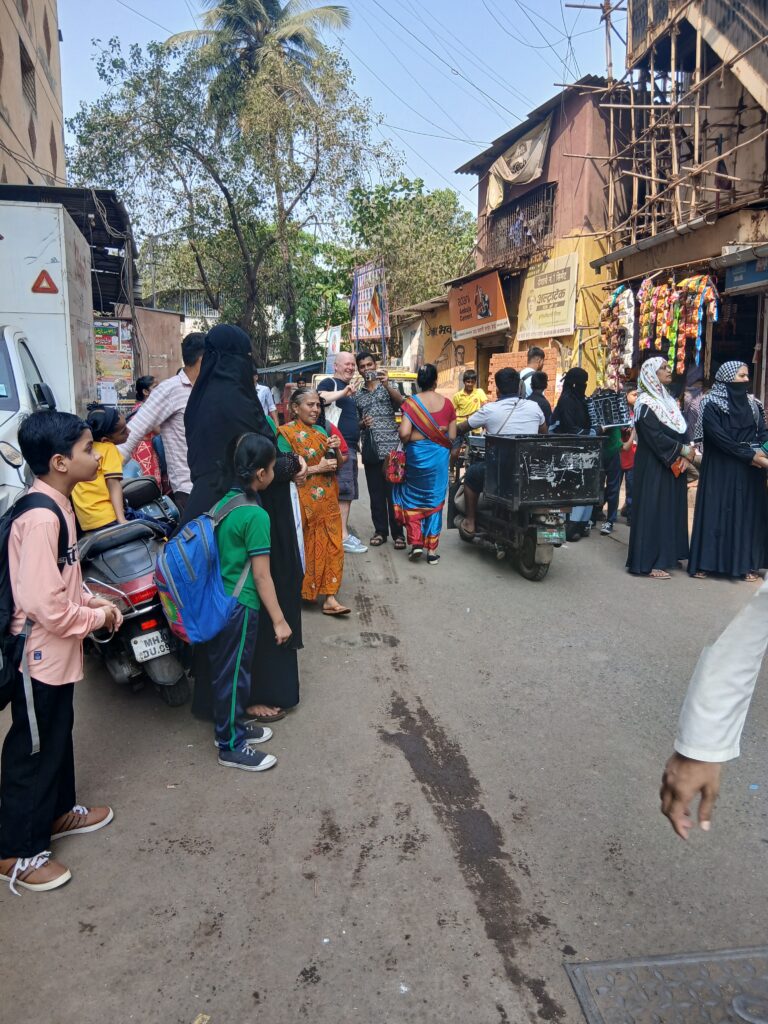
At stages during the tour, we always felt we dragged behind the tour group as we were always glad to interact.
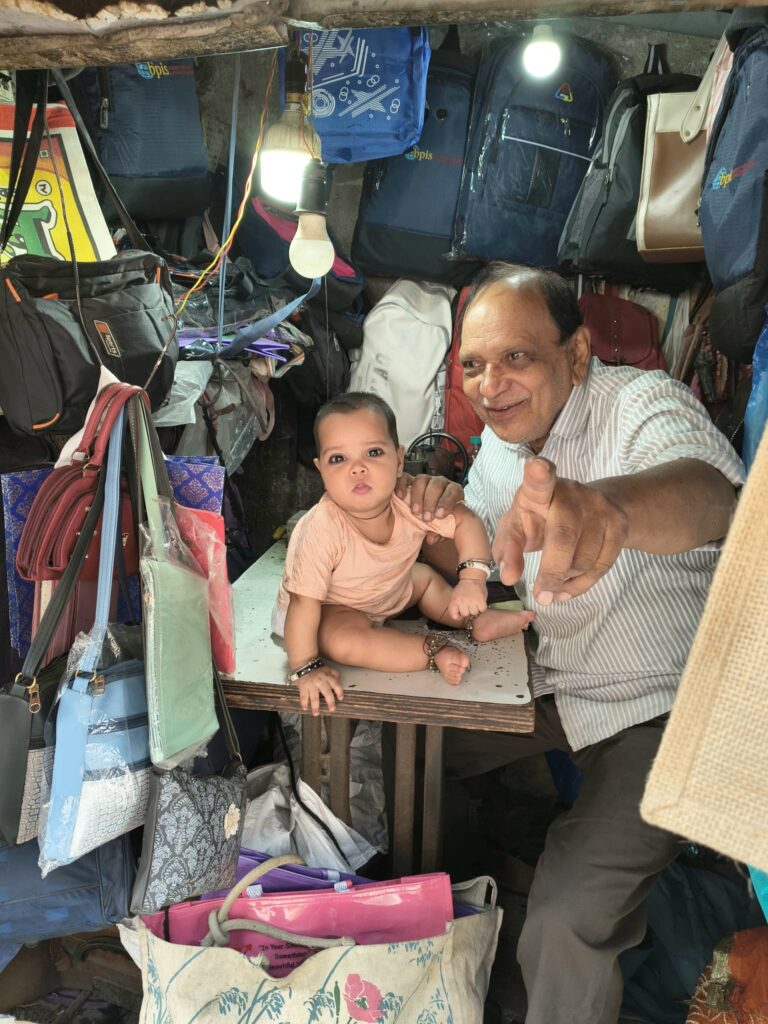
Whereas the rest of the tour stayed fearfully close the Siddesh, the guide, just observing as a tourist with no interaction, which we found quite mundane. This is why, we usually, mostly independently sightsee.
Phoenix Marketcity
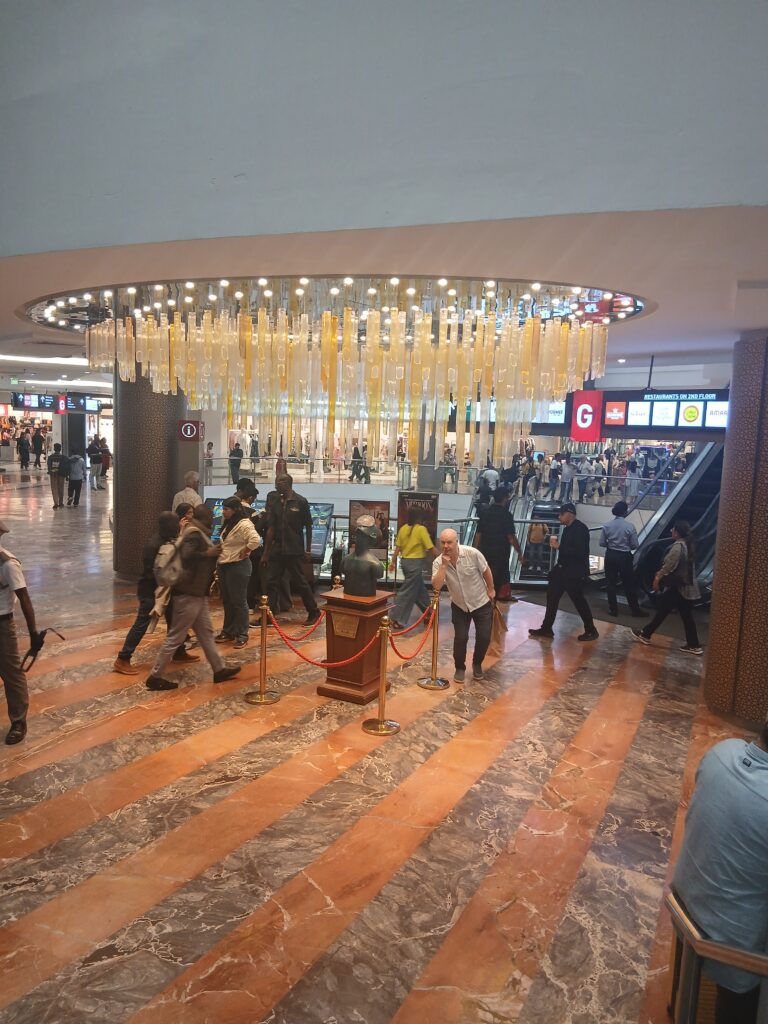
Mumbai’s largest airy mall with over 700 brands under one roof. The contrast after seeing Dharavi slums was unreal.
It certainly has that wow factor and even a whole day would be a struggle to get around all of the establishments! Talk about retail therapy.
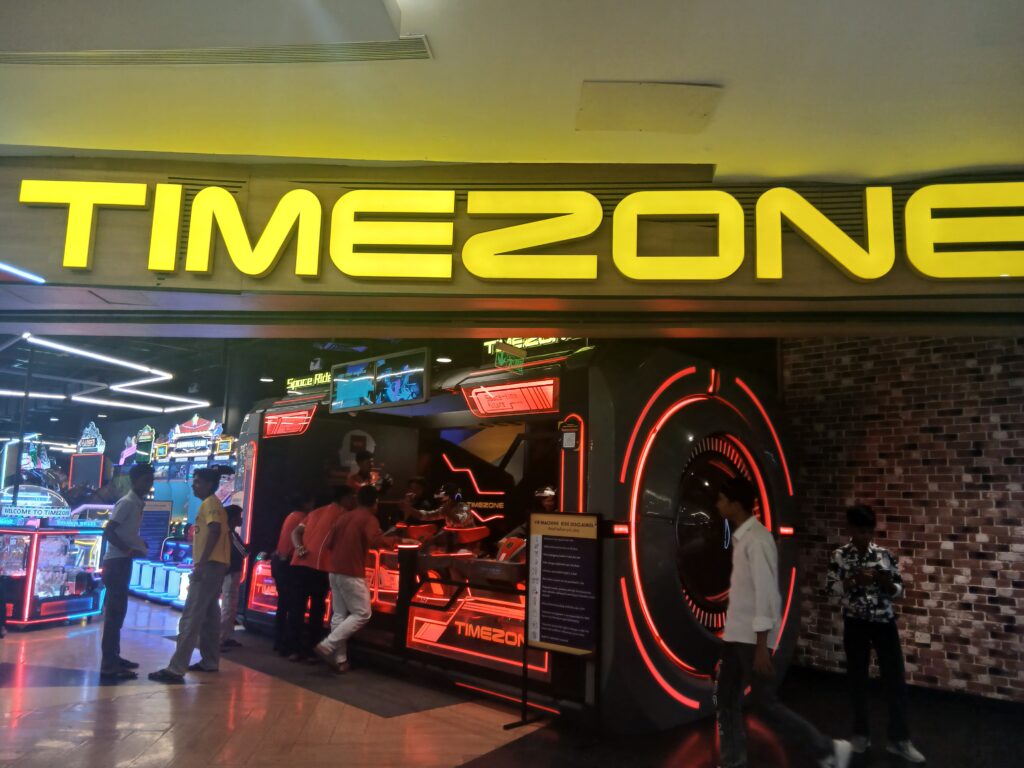
They’ve even got an H&M, Mark’s and Spencers, Superdry and Zara, among many other well known stores!
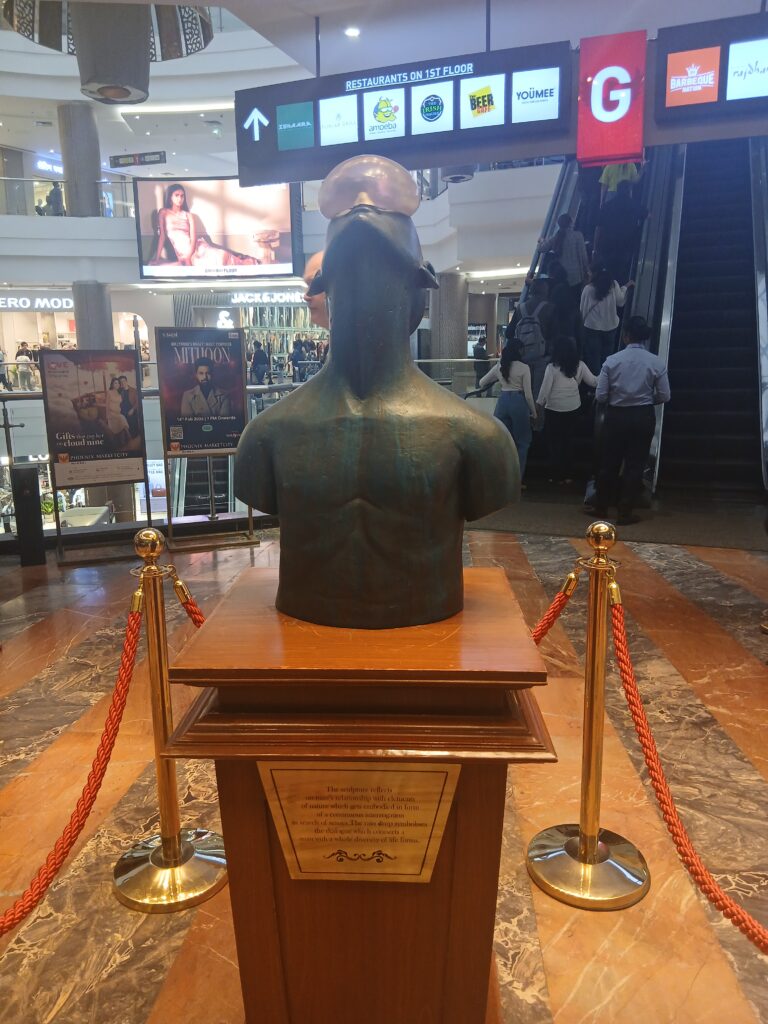
There are also plenty of branded and local restaurants, bars, cinema and gaming to keep you well fed, watered and entertained.
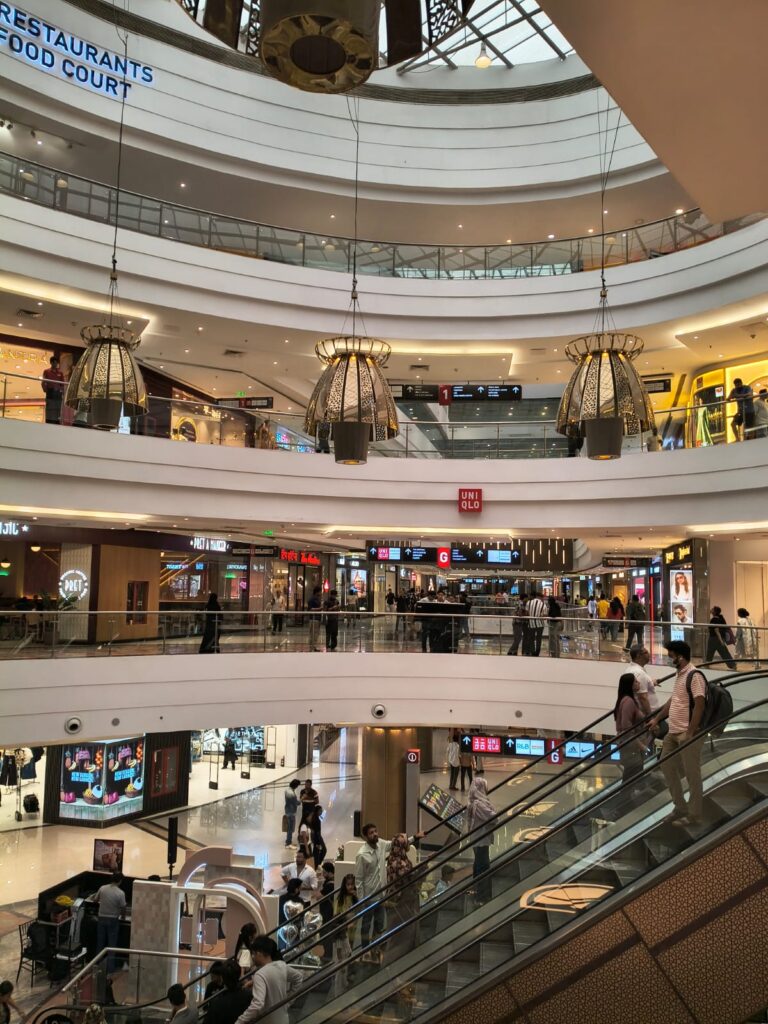
Inorbit mall
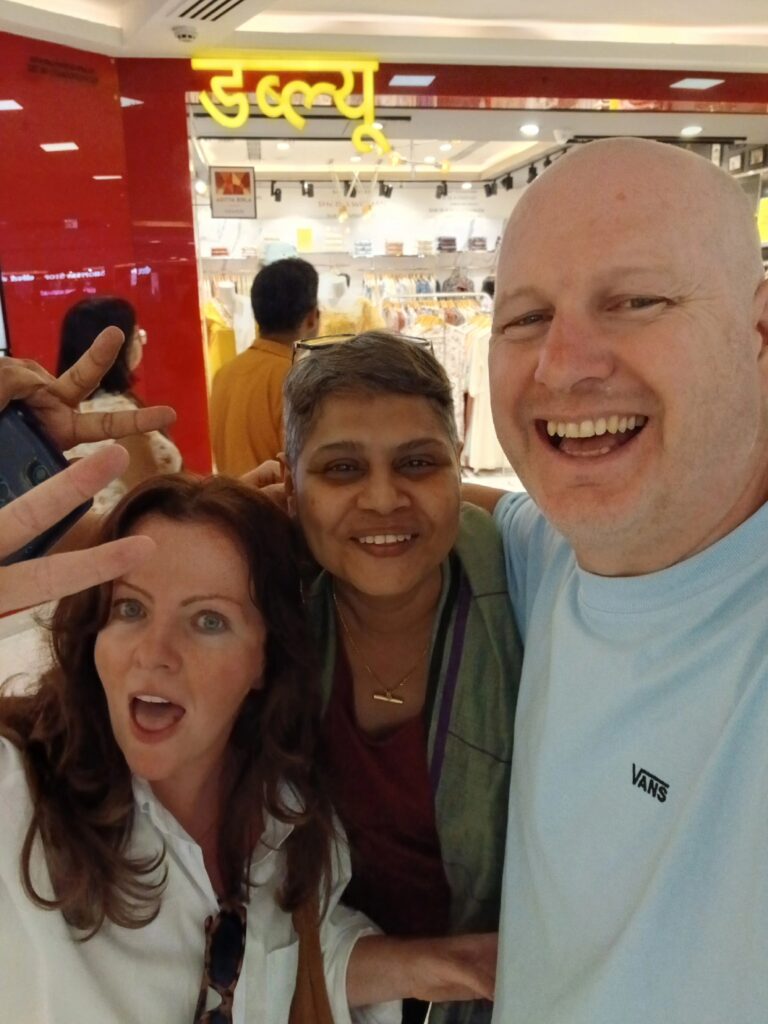
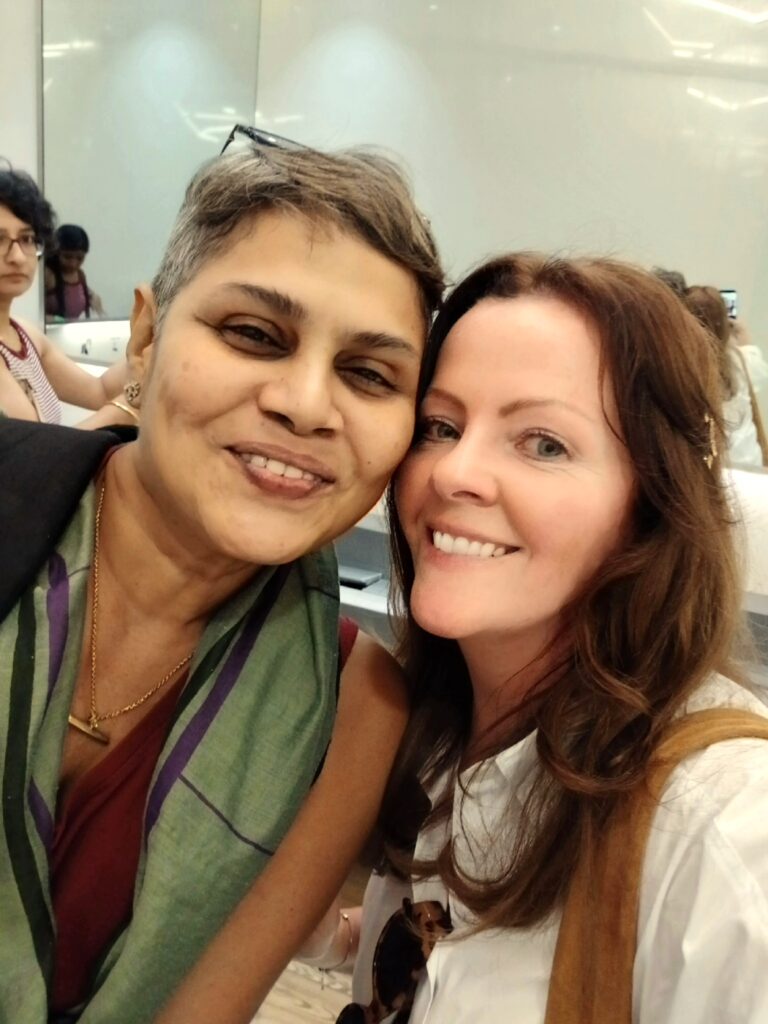
Visiting our friend Varsha at her abode in Vashi, Navi Mumbia, approximately an hour from Powai, after we took a 5 minute rickshaw to Inorbit mall.
Inorbit definitely isn’t as large as Marketcity. However, it has everything you could want under one roof.
Familiar brands are here to, such as The Body shop, Jack and Jones, Tommy Hilfiger etc and our new fave restaurant Si Nonna’s. There is also entertainment to keep you amused, such as arcades and bars!
Ganesha Temple
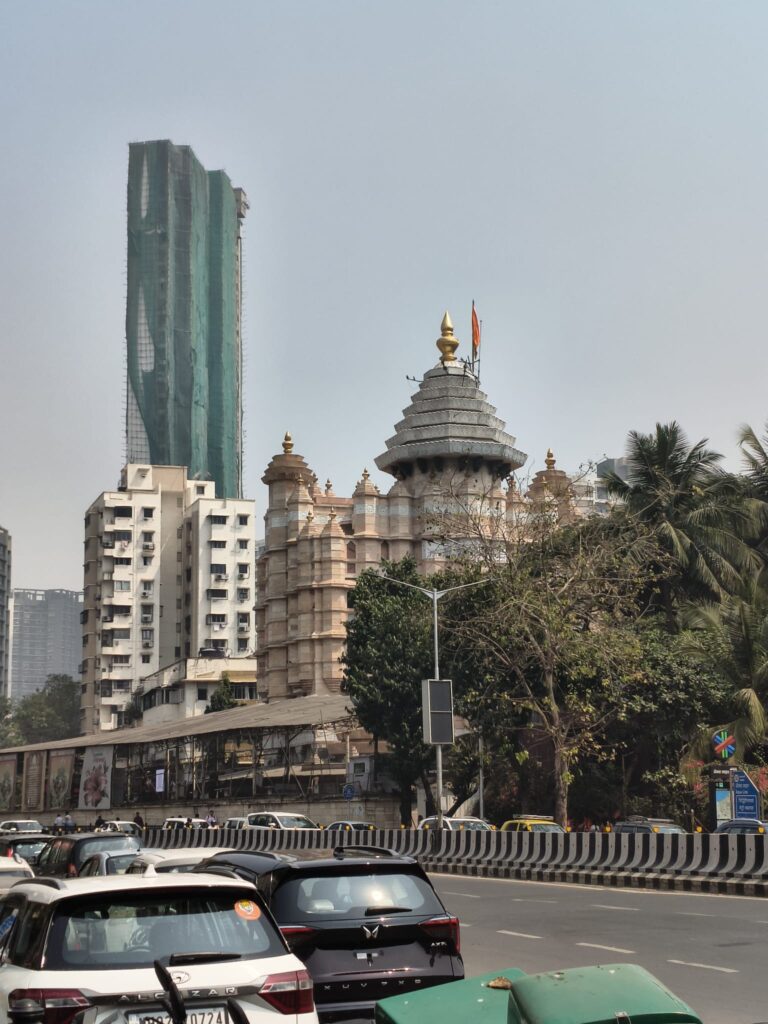
There were many devotees queued up to get inside the Ganesha temple, in hope that Ganesha will grant them a wish. We weren’t dressed appropriately, or had the desire if we’re honest to join the lengthy line in the blistering heat.
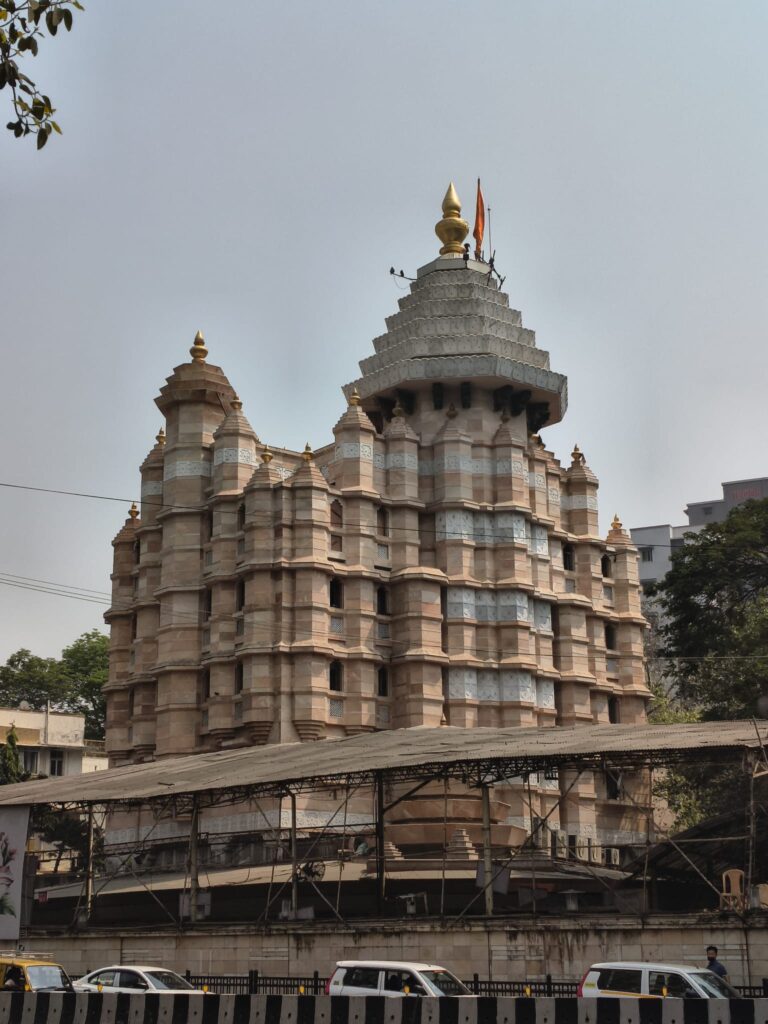
So, we took a photo from afar in the Kohinoor Park Hotel, were we made use of their garden restaurant for a quick refreshment and phone charge.
The Shri Siddhivinayak Ganapati Mandir is very popular Hindu temple. It was originally built by Laxman Vithu and Deubai Patil on 19 November 1801.
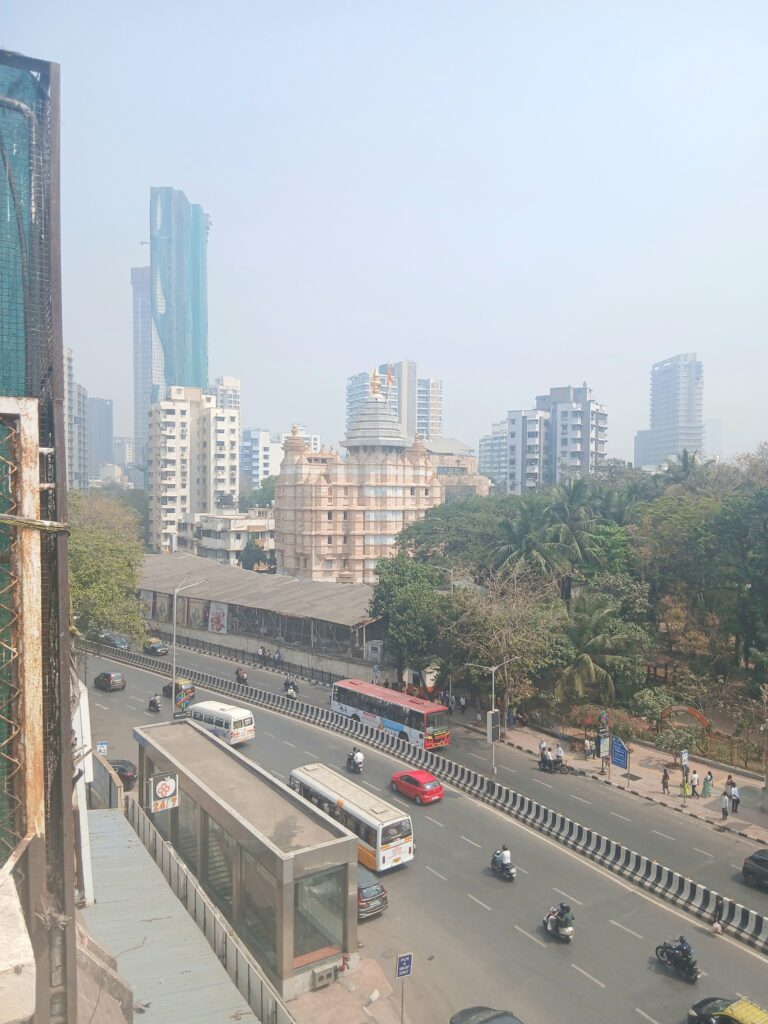
The exterior of the temple consists of a dome which is lit up with multiple colors in the evenings and they keep changing every few hours. The insides ceiling is plated with gold.
Take a tour of Bollywood
The world of ‘celebrity’ isn’t our thing, however the Bollywood tour is quite popular.
You can take a walk around the film sets, with even live shooting happening. You could even join in on the Bollywood style dance! There’s even a chance to go celebrity spotting by driving by their homes in Bandra, Juhu, and Andheri.
You will find various tours online.
Elephant Caves
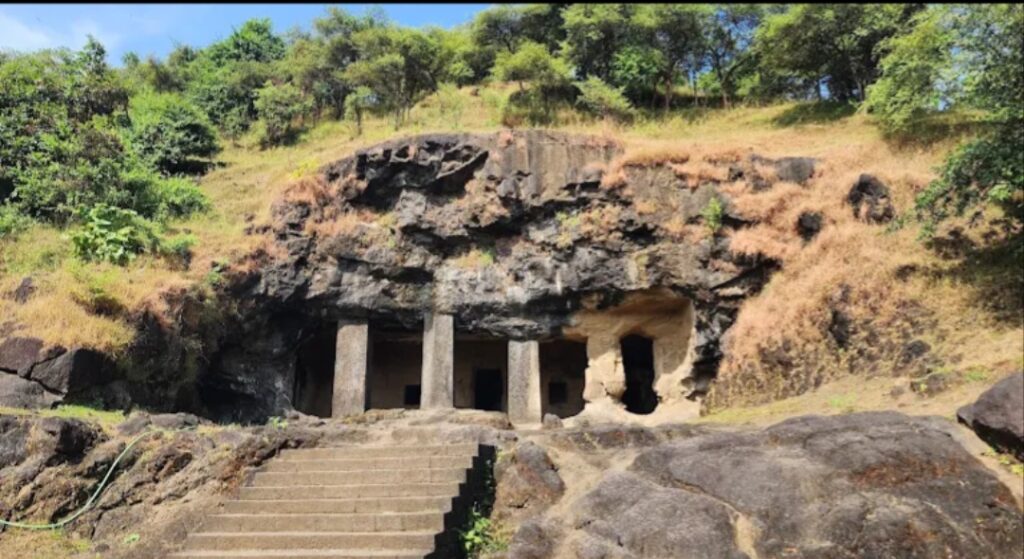
The Elephant Caves is an historic site and a popular sightseeing experience for tourists visiting Mumbai.
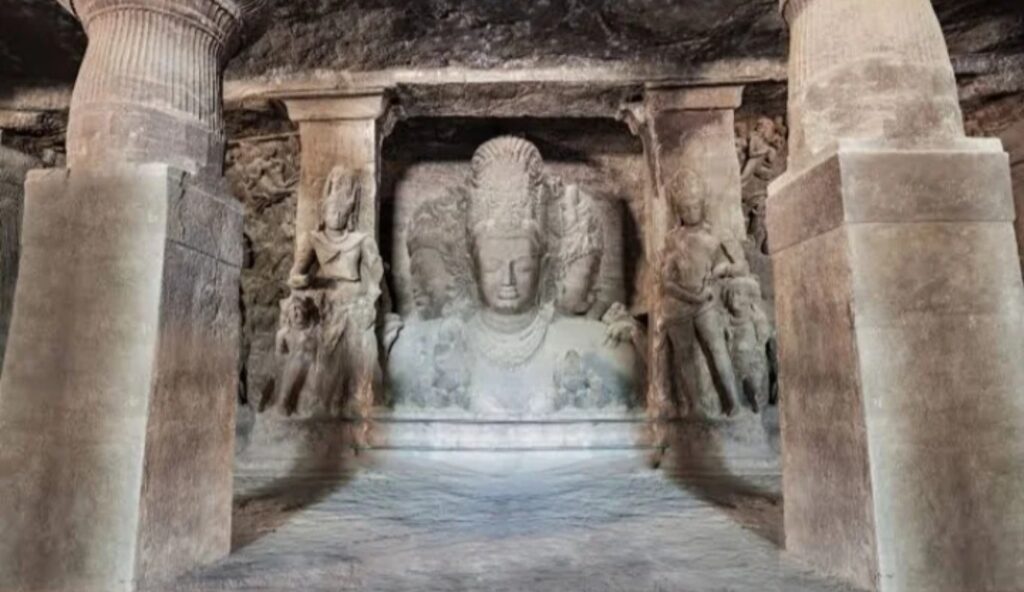
It offers rock-cut caves and sculptures dedicated to Lord Shiva.
The island is named after a colossal elephant found in the island, which is popularly known as ‘Gharapuri’.
Don’t expect to see the statue of elephant though as it is housed at Jijamata Garden (zoo).
How to get to the caves
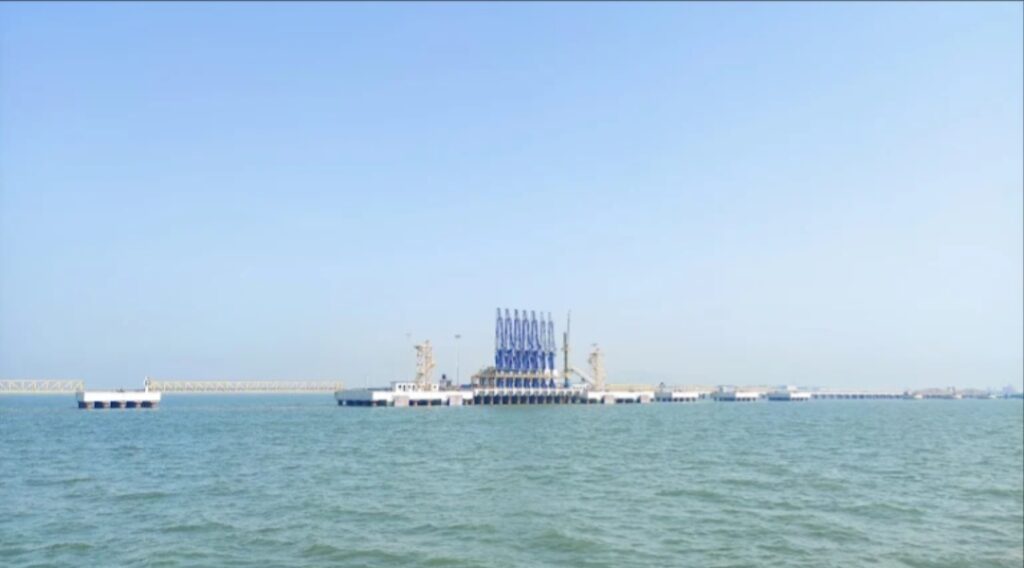
The boat will take you from the starting point at the Gateway of India. It takes approximately 1 hour to the Elephant Caves.
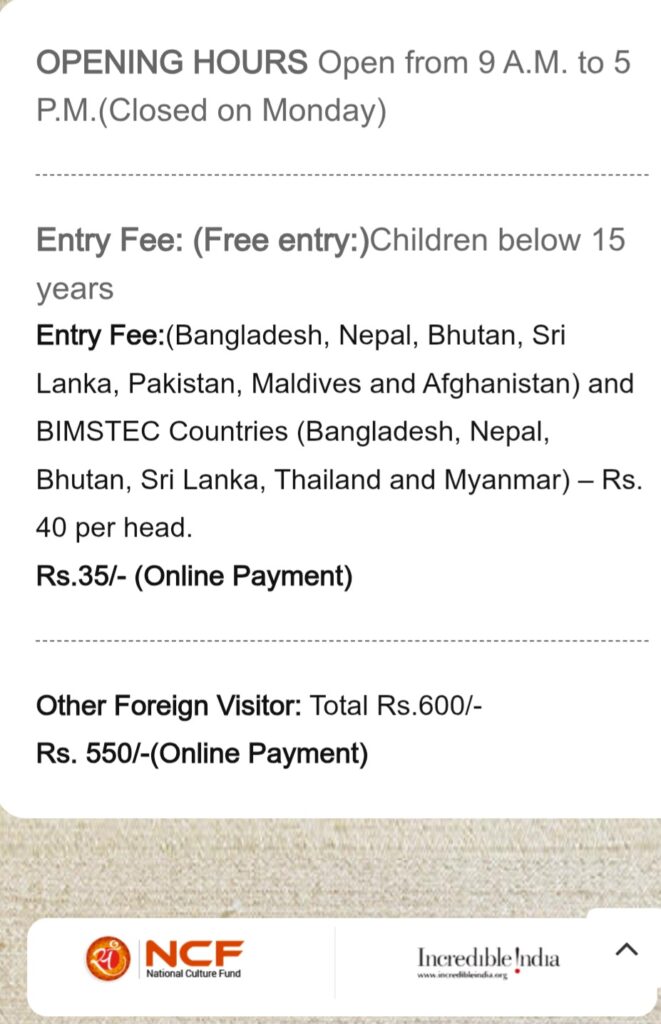
As in most of India, foreigners expect to pay more! If that was in our country, that would be called discrimination or racist.
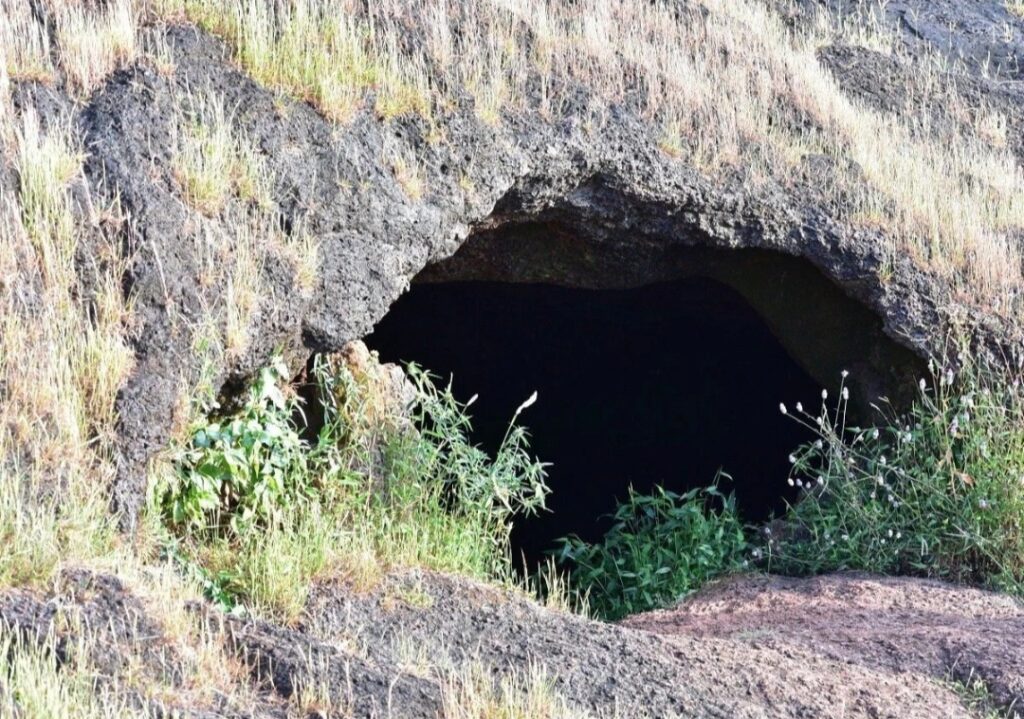
Anyway, once you arrive, you will expect to walk around 15 mins or get the train to the steps. The steps are hard going on the heat, as stalls are on each side, and if you pause you get hassled to purchase stuff you would never need.
Also you will pay extra another few times during the visit, for example for the train, if you wish to take it, and to get into the actual caves!
There are cheeky monkeys though and beautiful dogs. Bring dog biscuits as some are very skinny. Also since its basically a whole day spent at the caves, we would recommend you to bring snacks and water. At the restaurants and stalls there, they charge triple the cost.
Explore the dusty streets
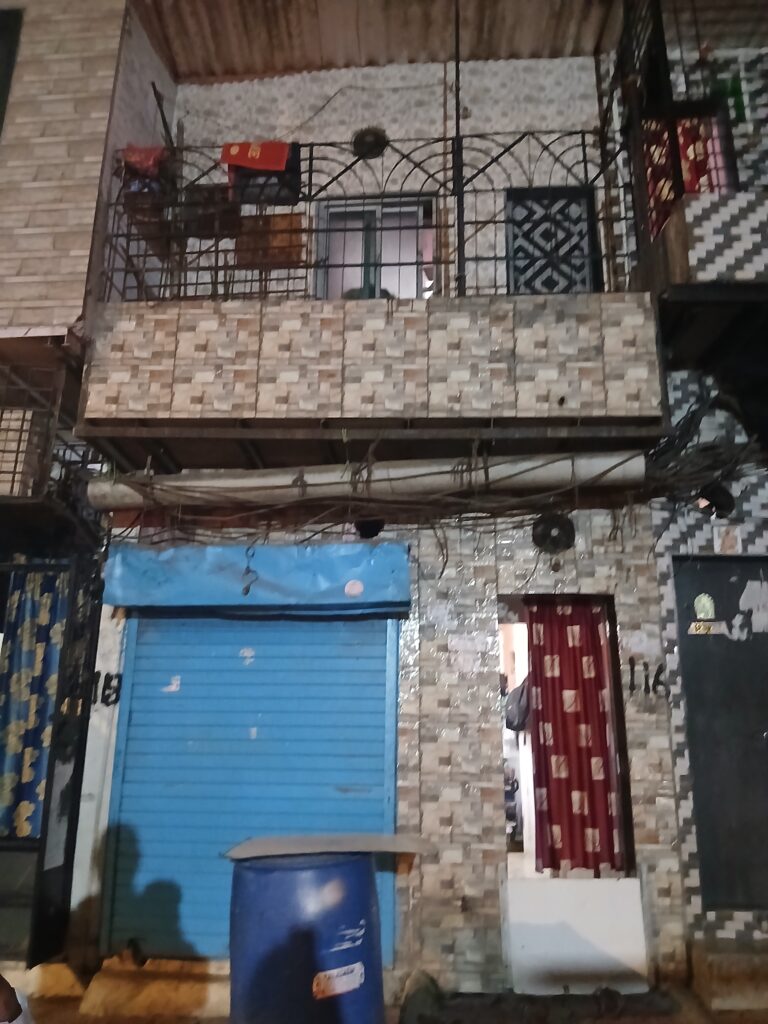
Immerse yourself in the real life of the hustle and bustle of the dusty streets.
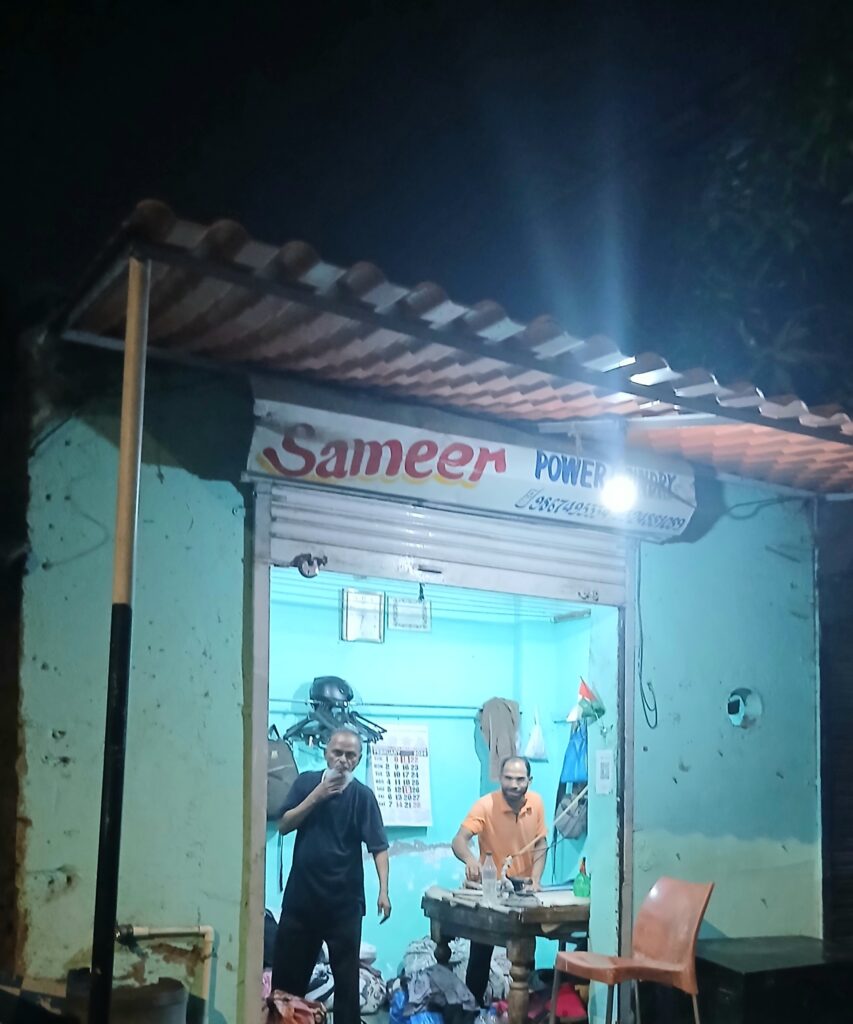
Its interesting seeing all little houses, where woman cook, clean or sit outside having a yarn, the way it would of been back in the day in Belfast.
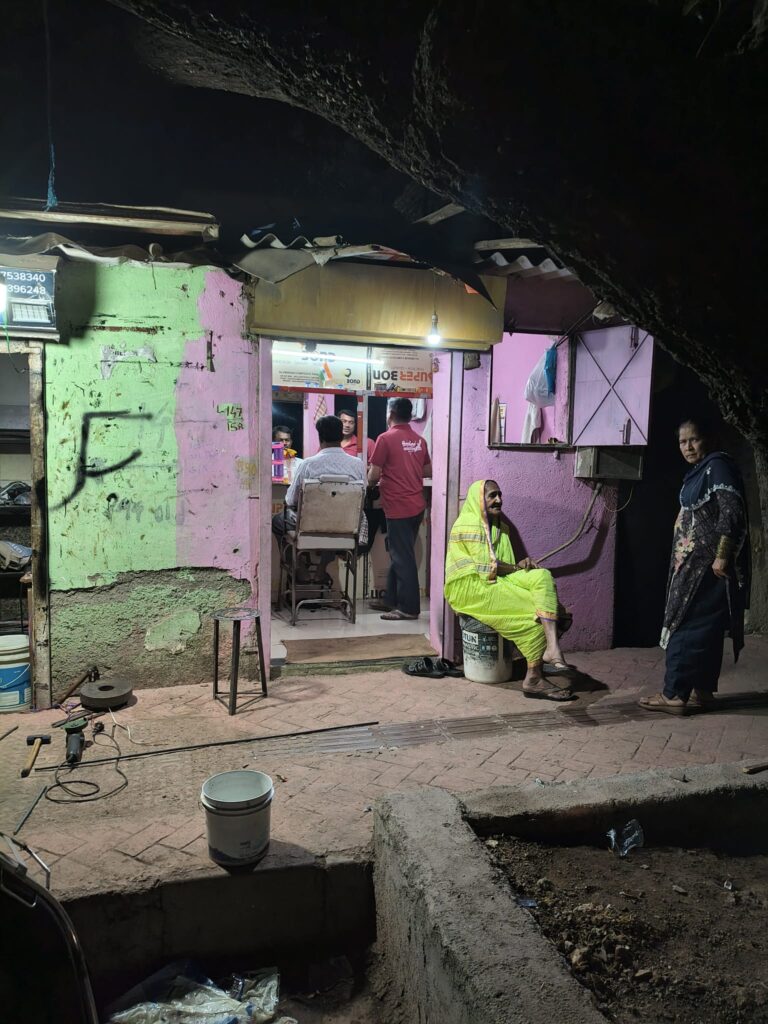
The gossiping granny’s in their curlers, and also having that community, which is now gone.
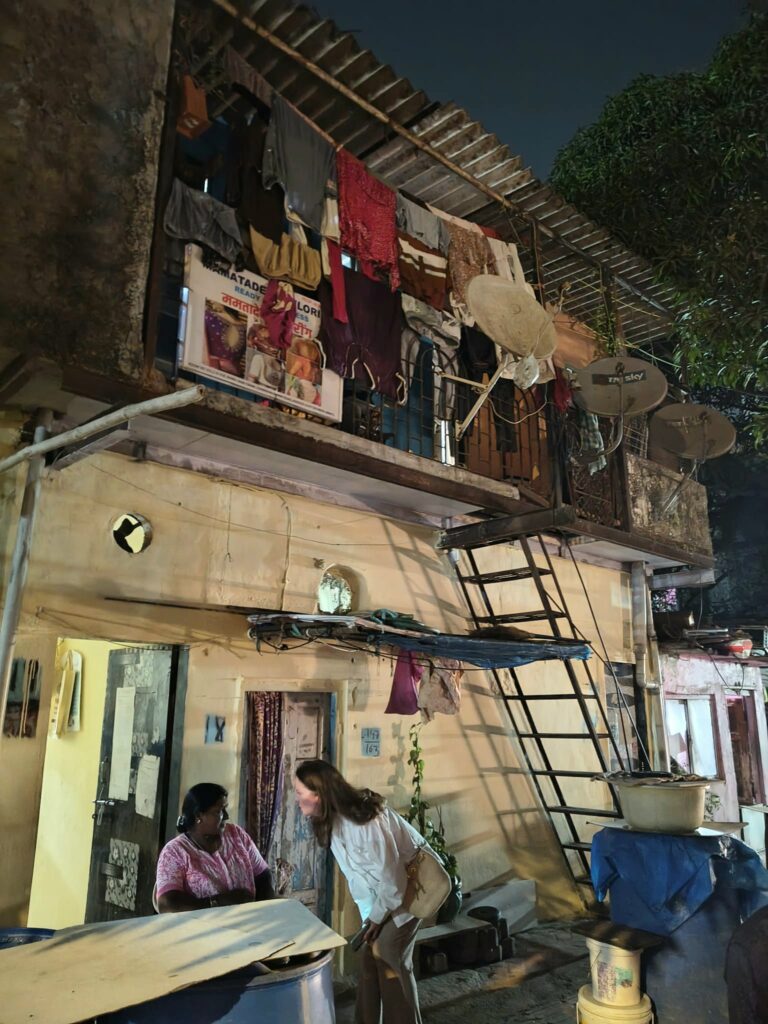
Other than the little houses, with the washing hanging to dry, there is every store you could think off.
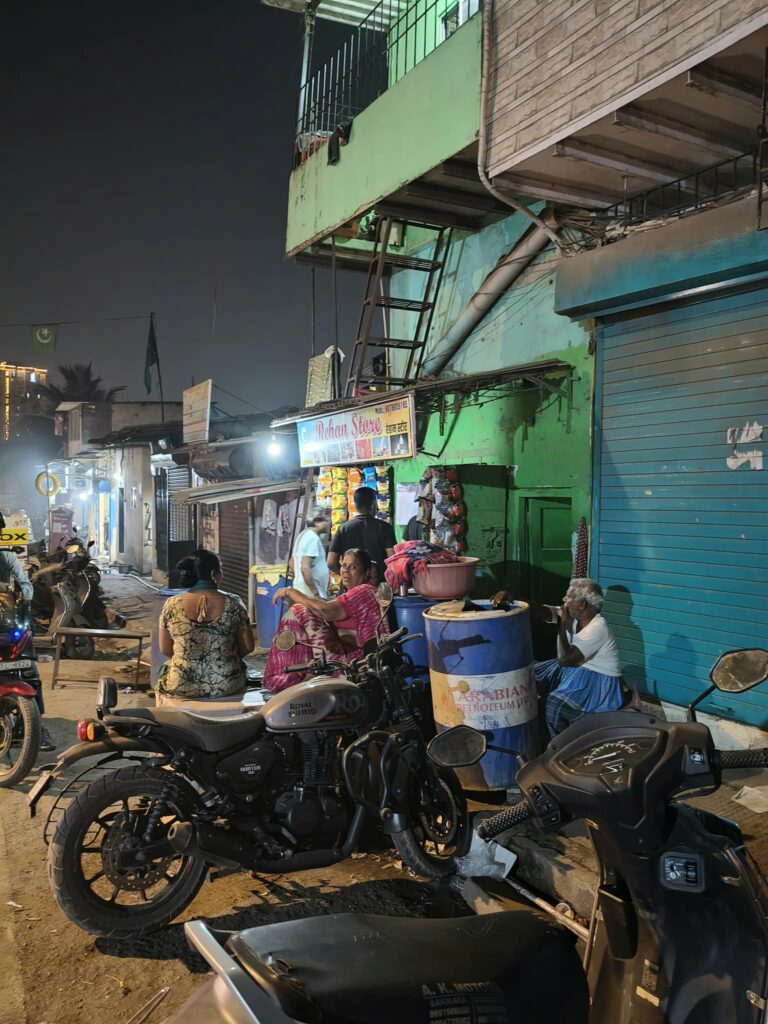
Barbers, mechanics, supermarkets, tailors, laundromat etc
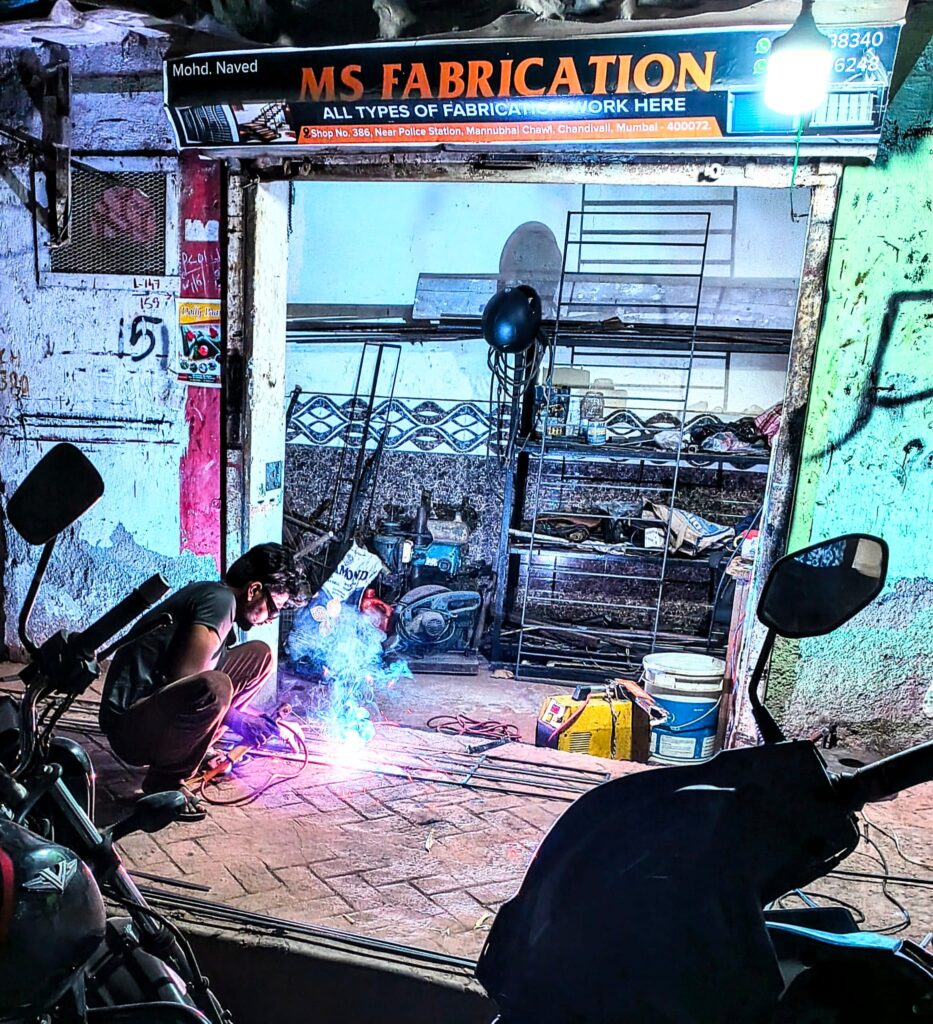
Amongst the chaos, the streets had a certain charm and order about them.
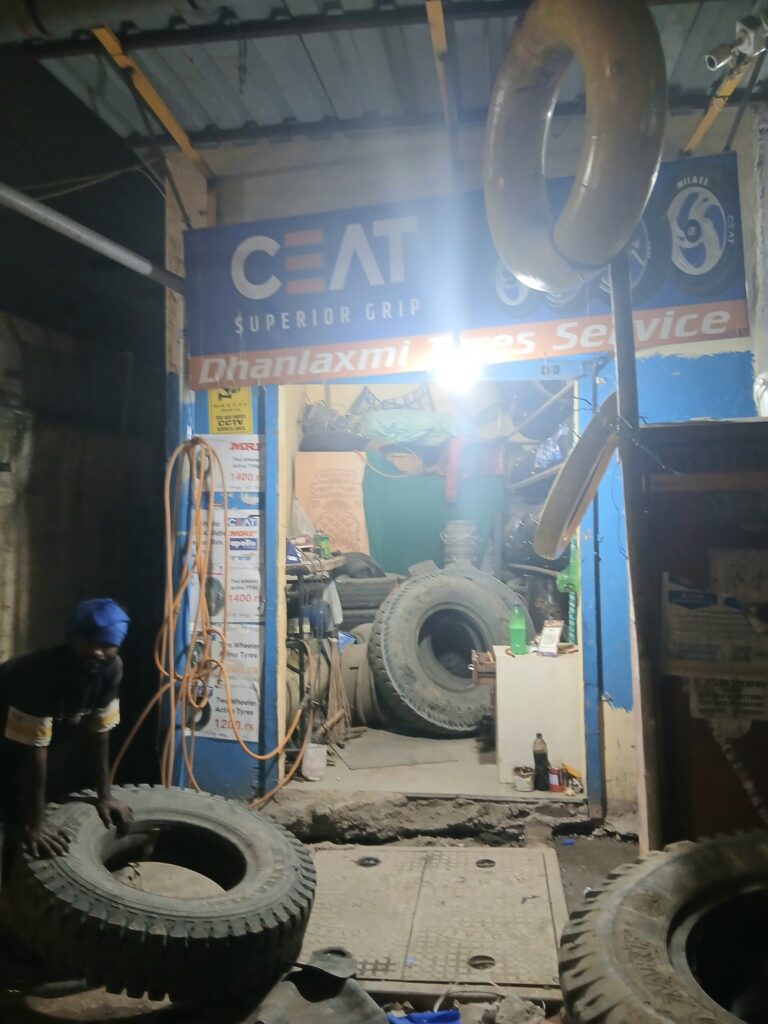
You could see every store took pride in their work.
We even had our own personal dancer! He was very funny and entertaining lol
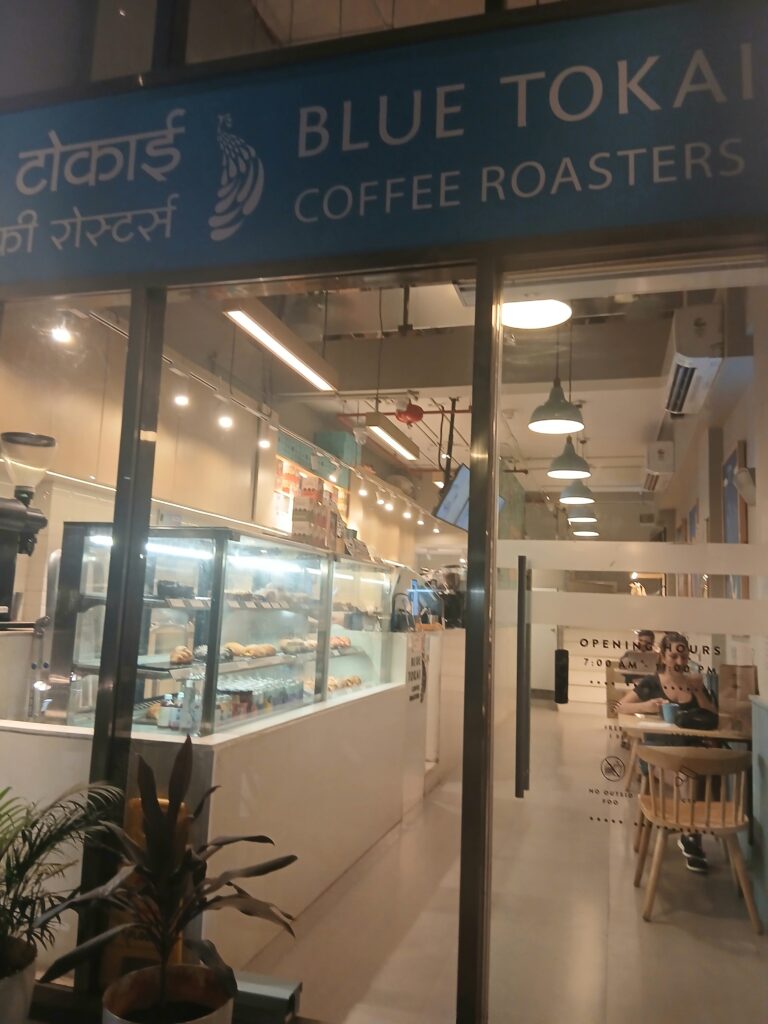
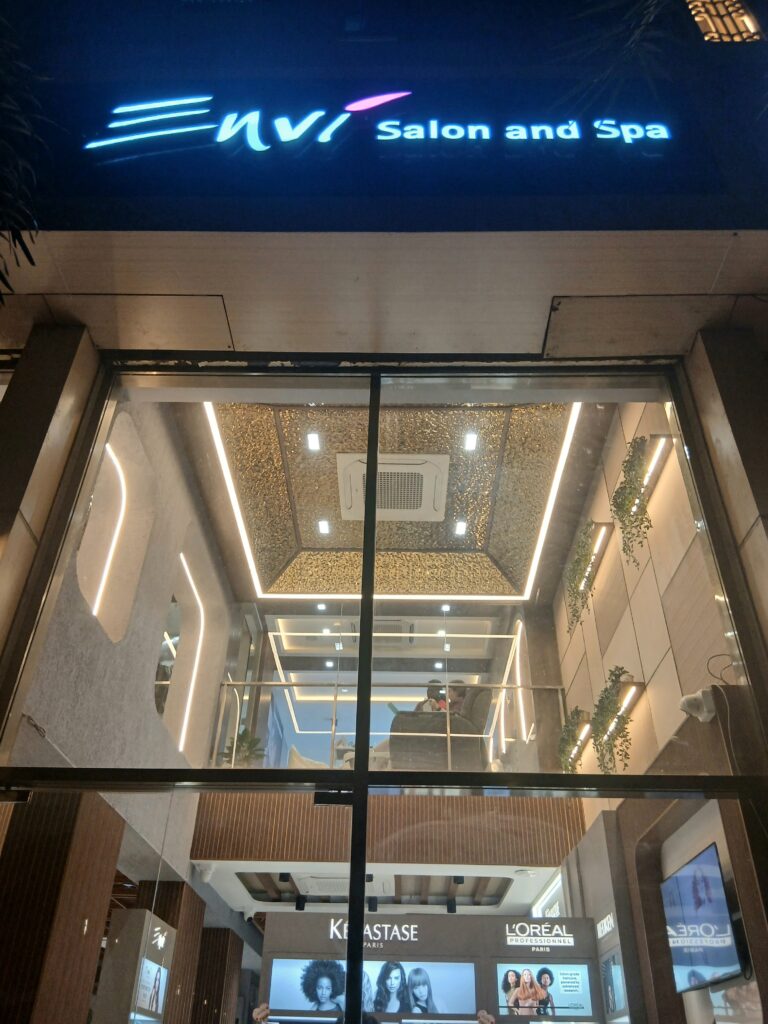
Close by, you also had the old mixed with the new, with shiney hair, beauty salons and modern cafes.
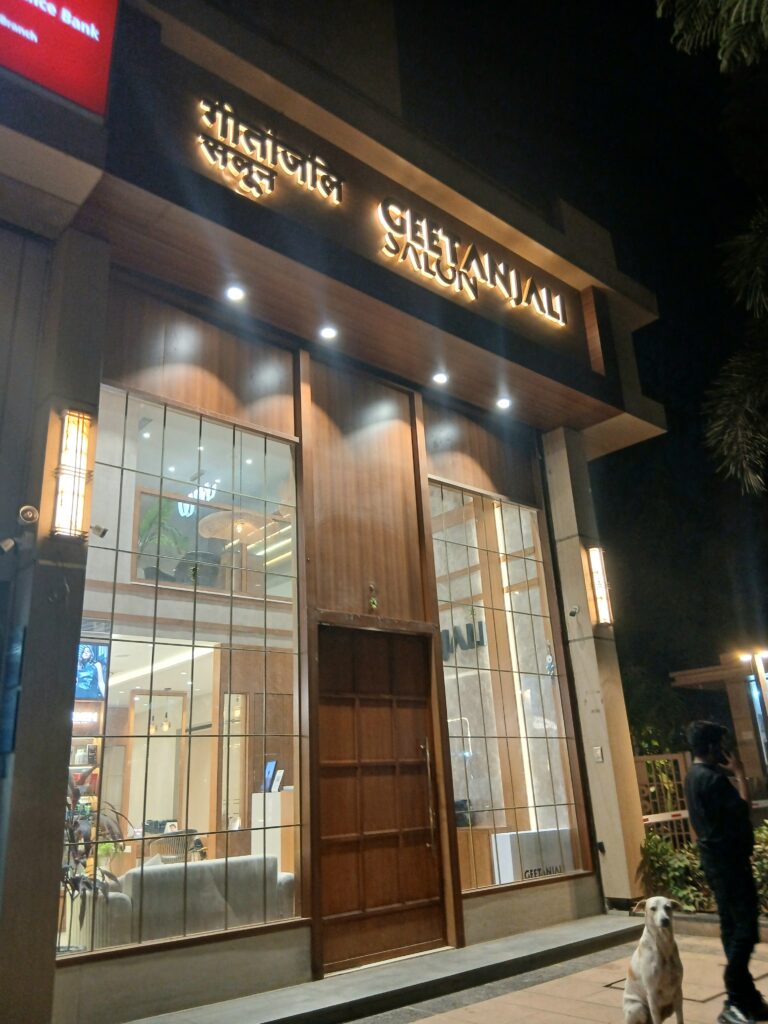
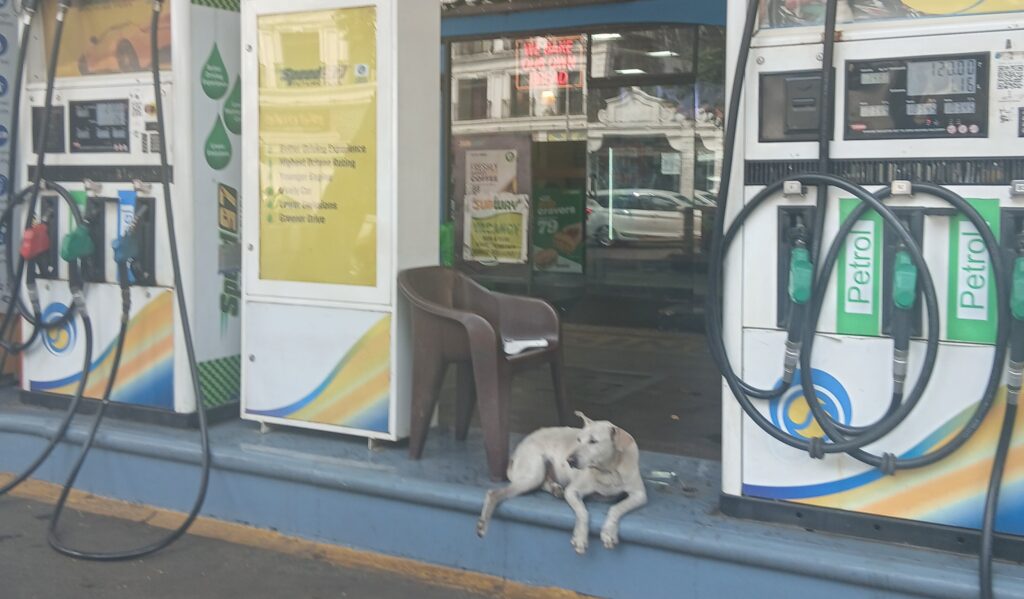
And off course, like all of India, you have the friendly street dogs and cats.
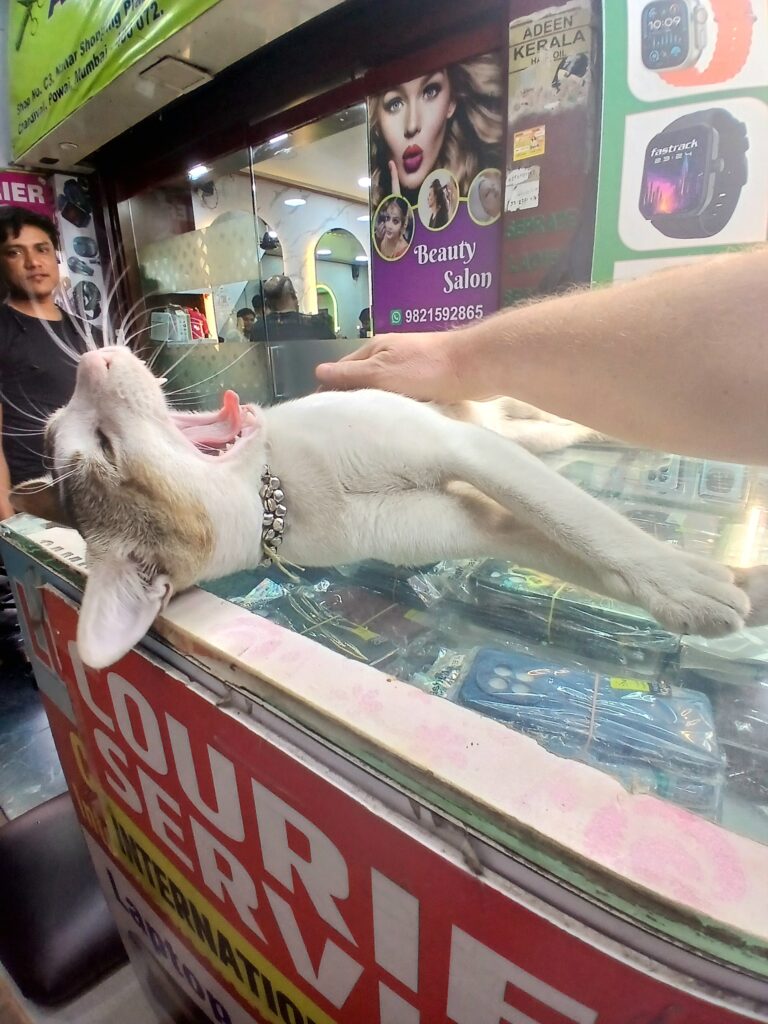
And, us as animal lovers, we couldn’t help but stop for a pet!
Take a walk to Powai Lake
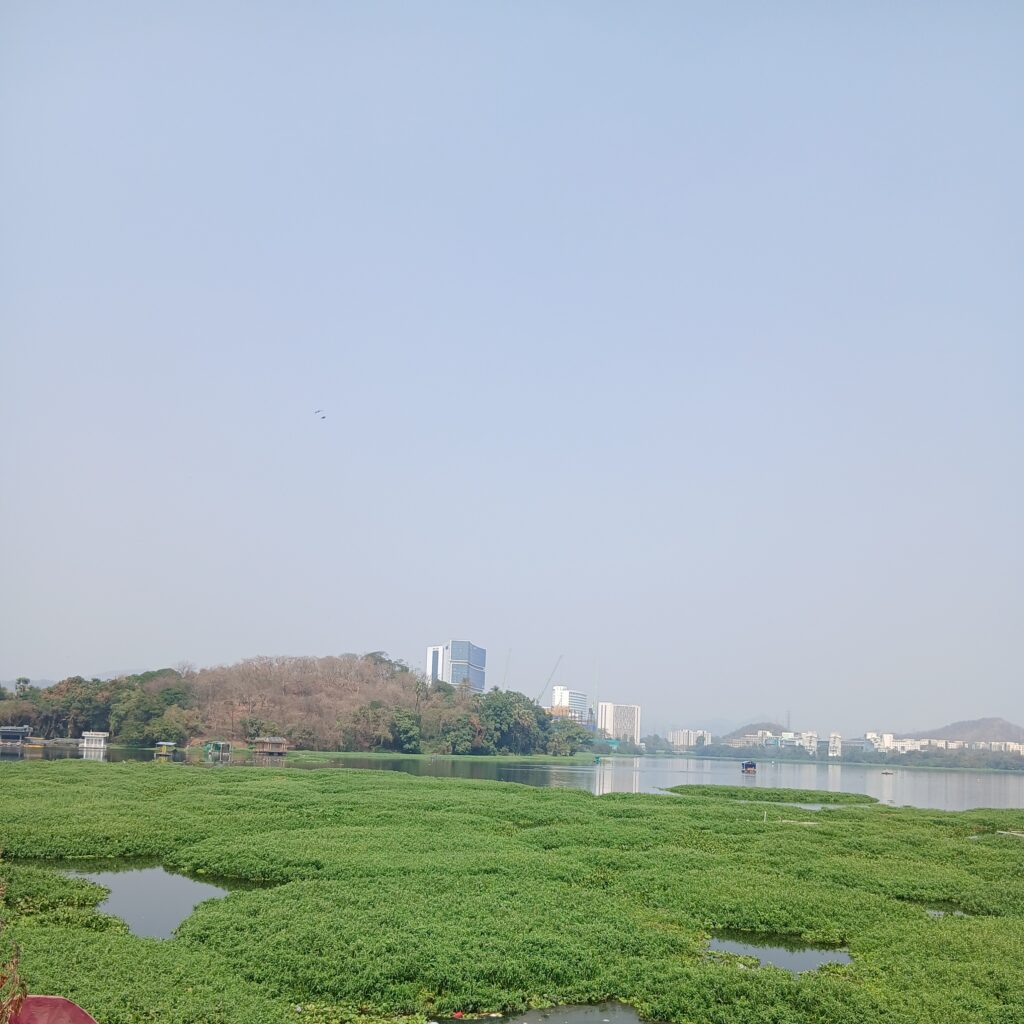
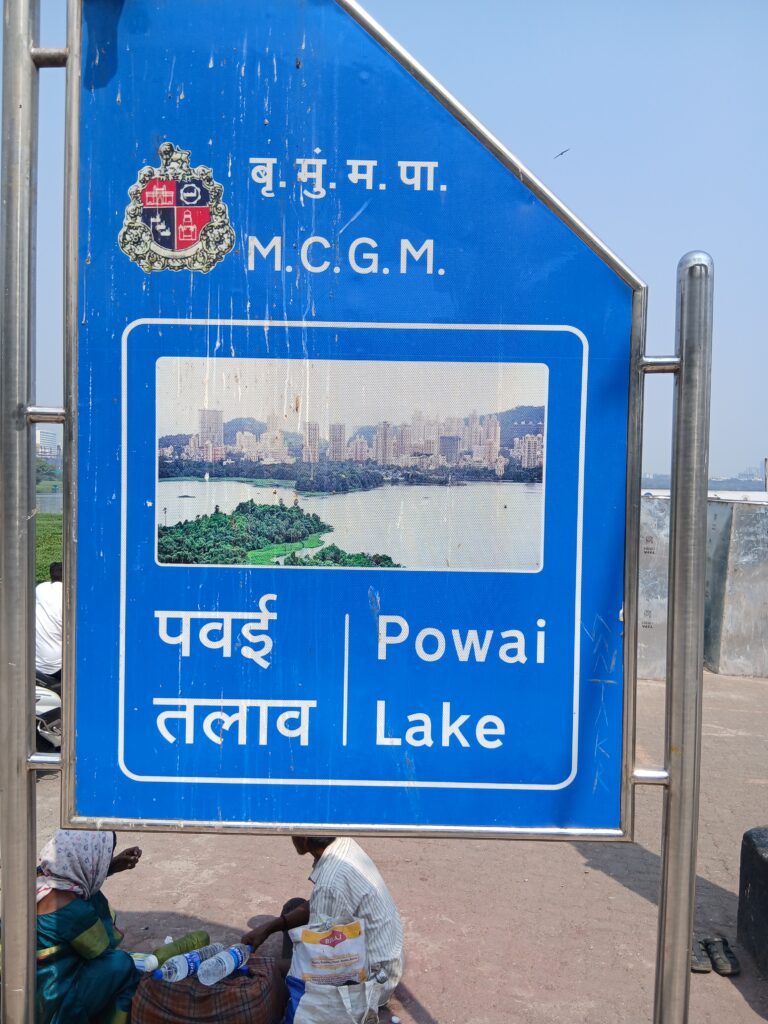
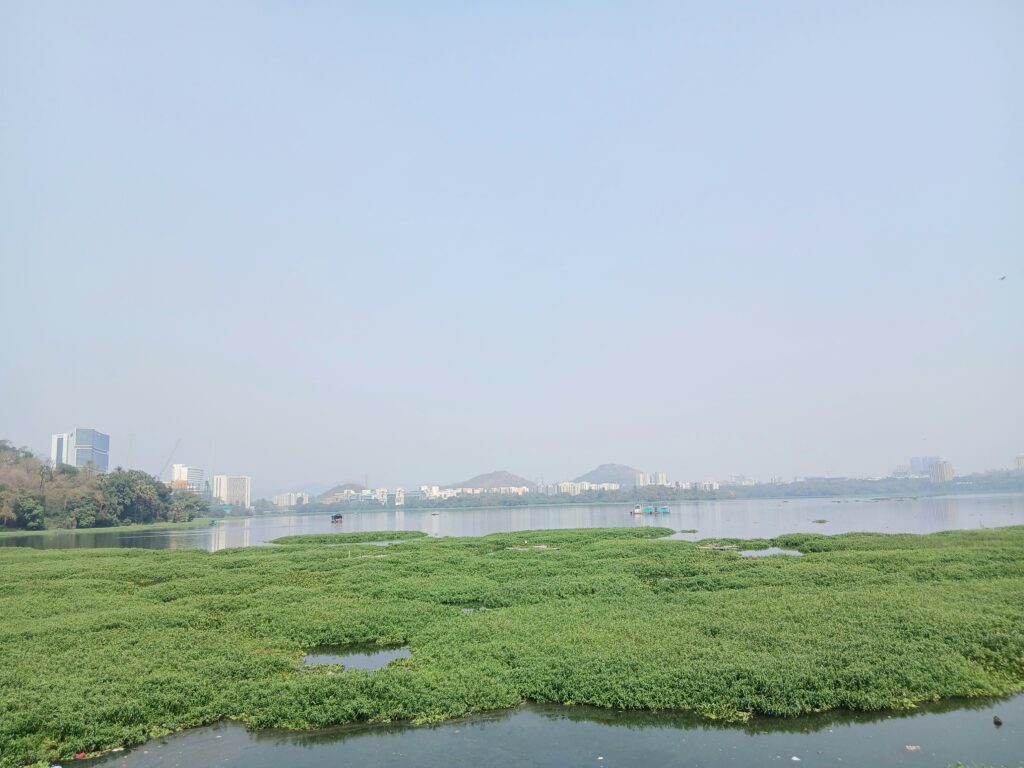
Stretch the legs and take a walk to Powai Lake.
There are many pigeons there that congregate due to people feeding them.
We brought some offerings.
At the lake there are picnics had as well as walkers, trying to get some peace away from the crazy roads.
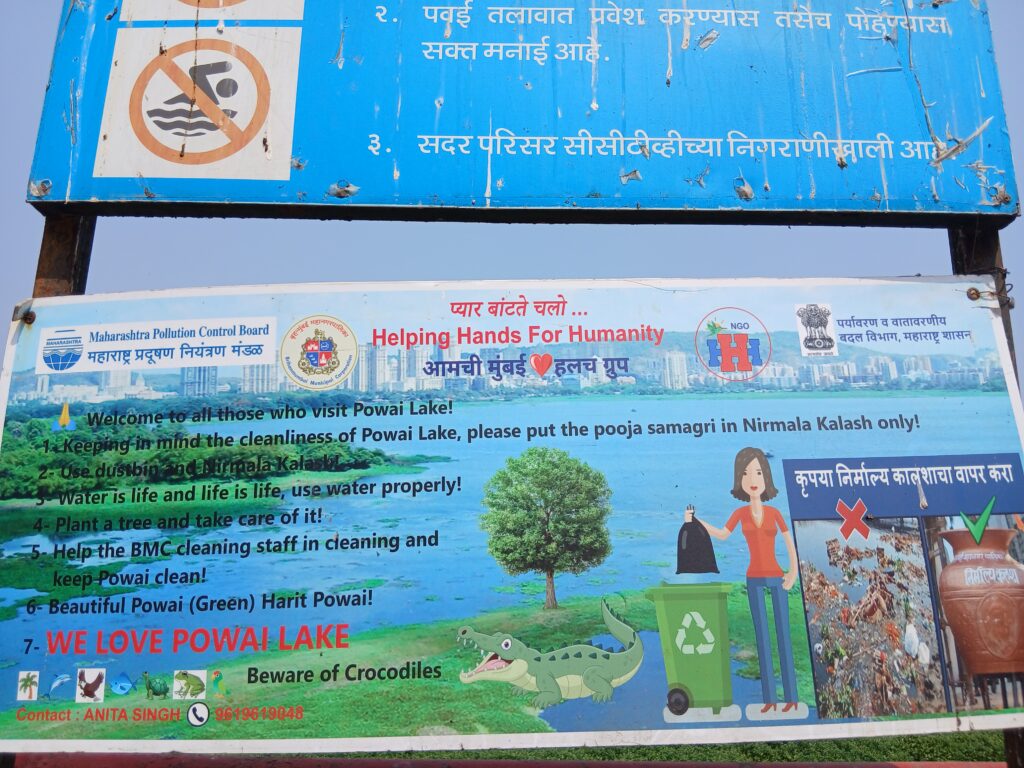
Unfortunately, like most of India, there was rubbish in the man-made lake.
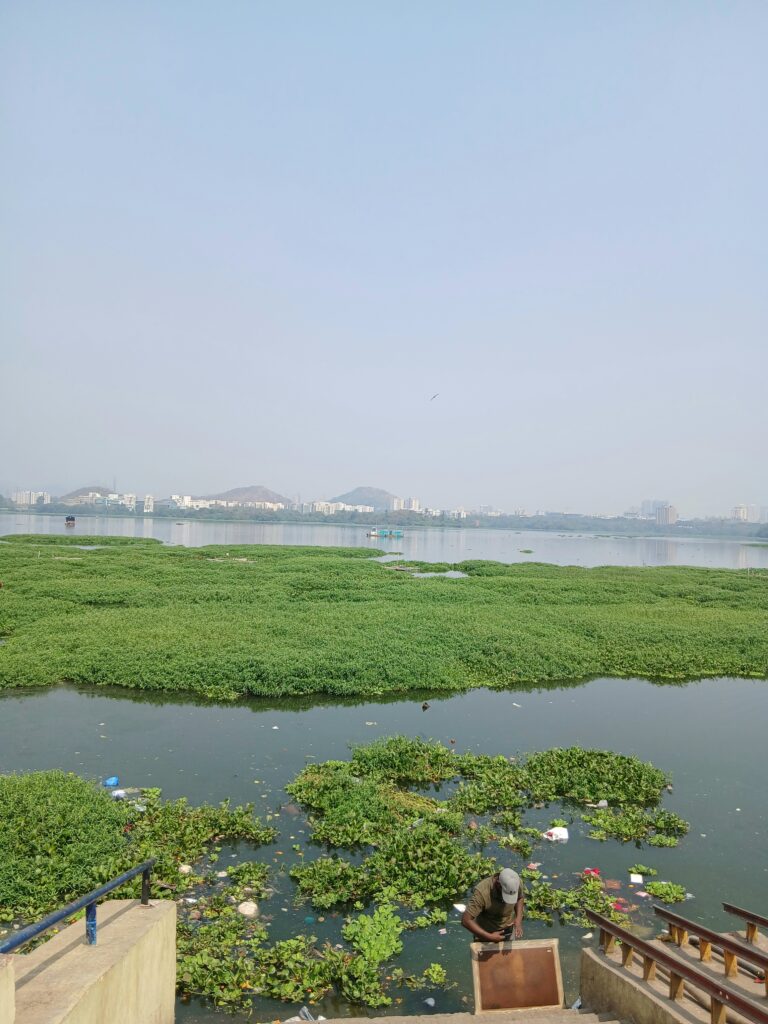
However, there was a man clearing some of it up. Brave, when there’s crocs in it!
In the distance there were houseboats. Imagine having a crocodile as your neighbour! Lol
Powai park
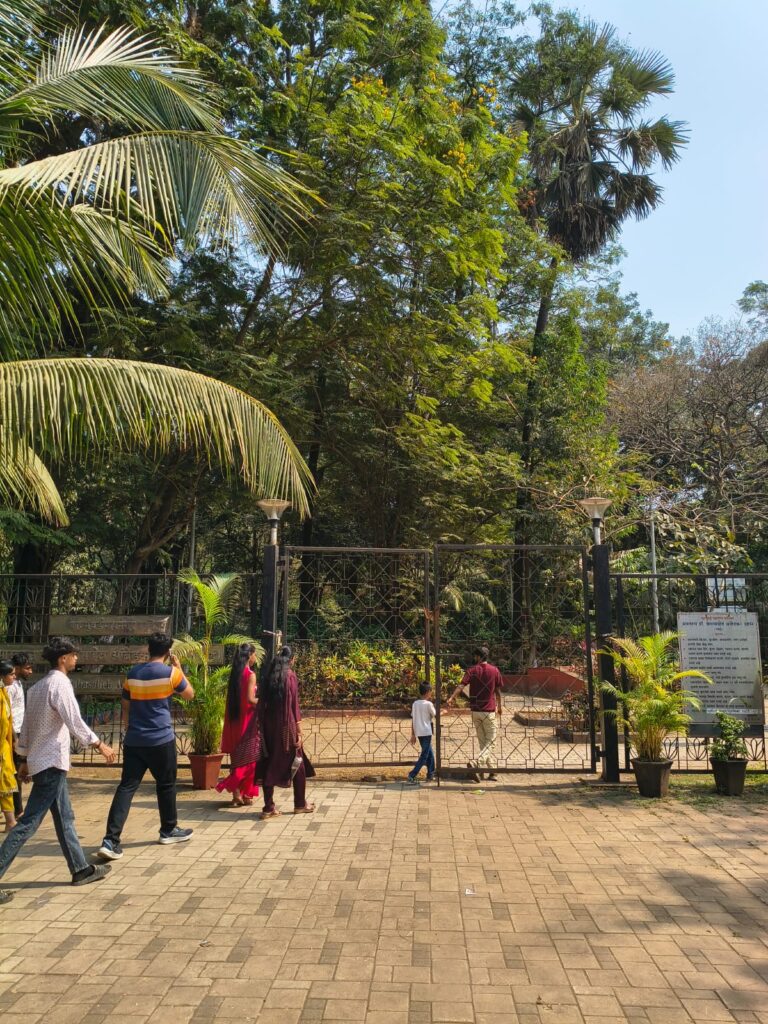
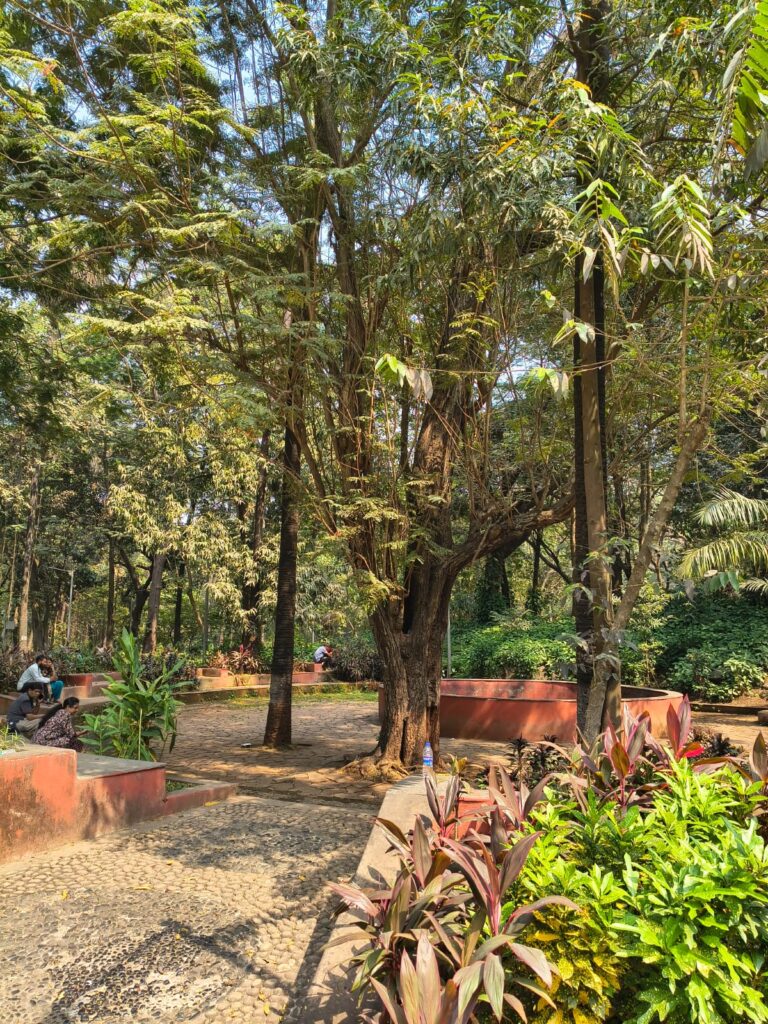
To get off the broken pavements and busy roads, the park is a great place to clear your head under the shady trees.
Attend a festival
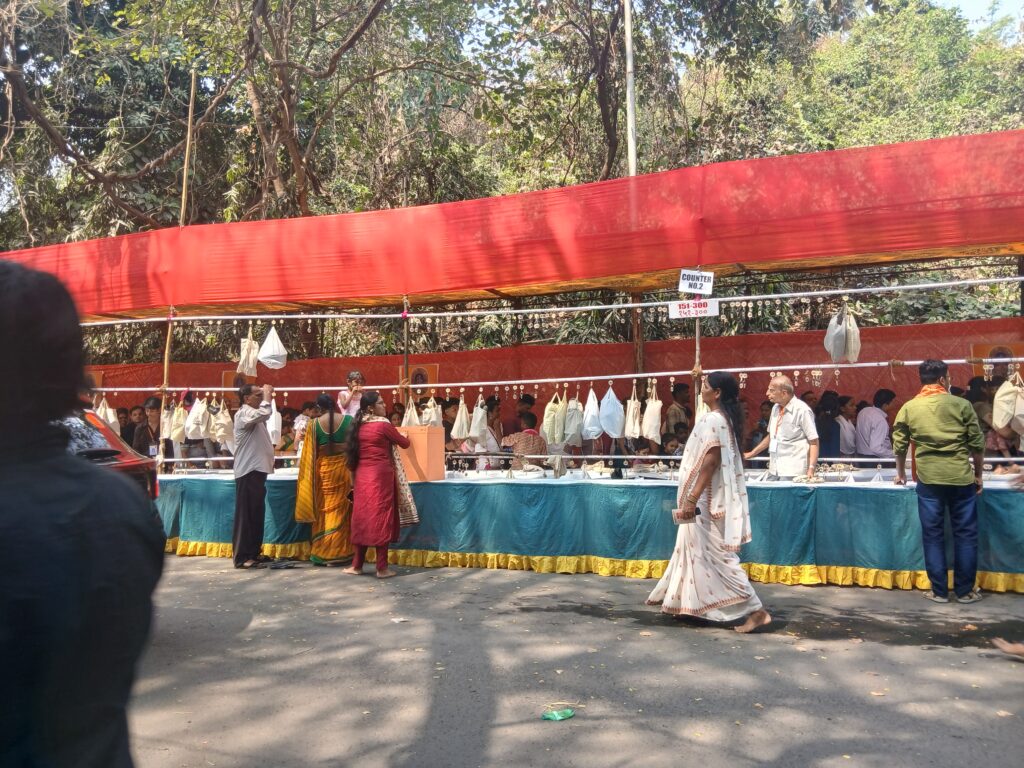
It seems India has a festival or celebration every day of the week!
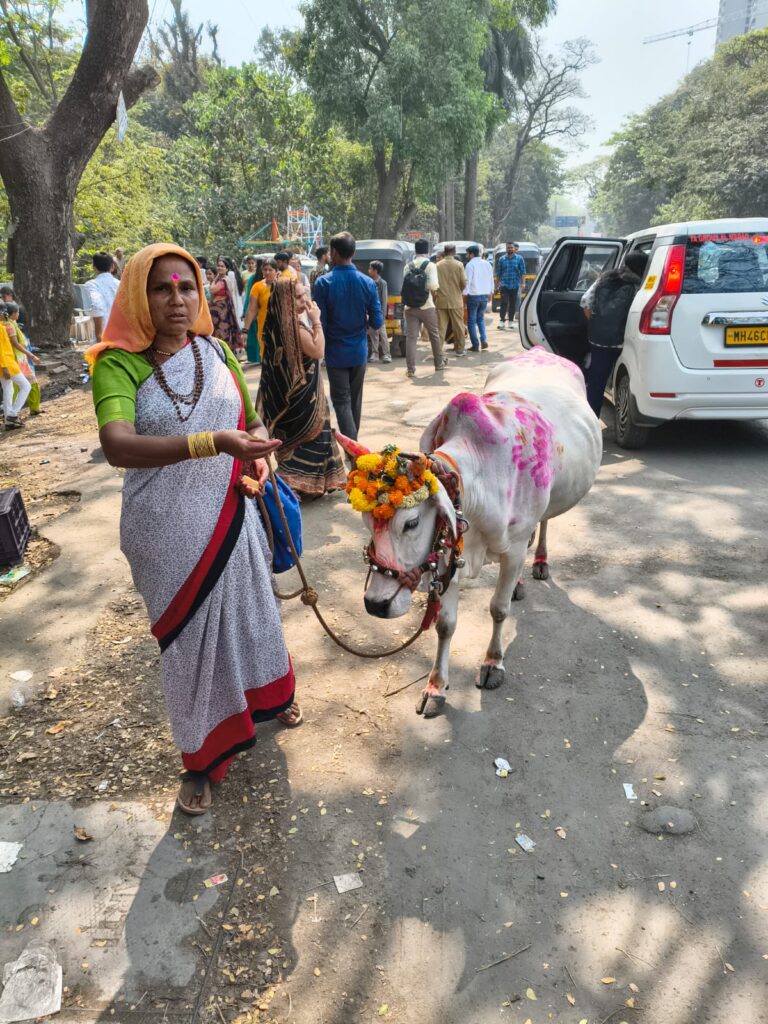
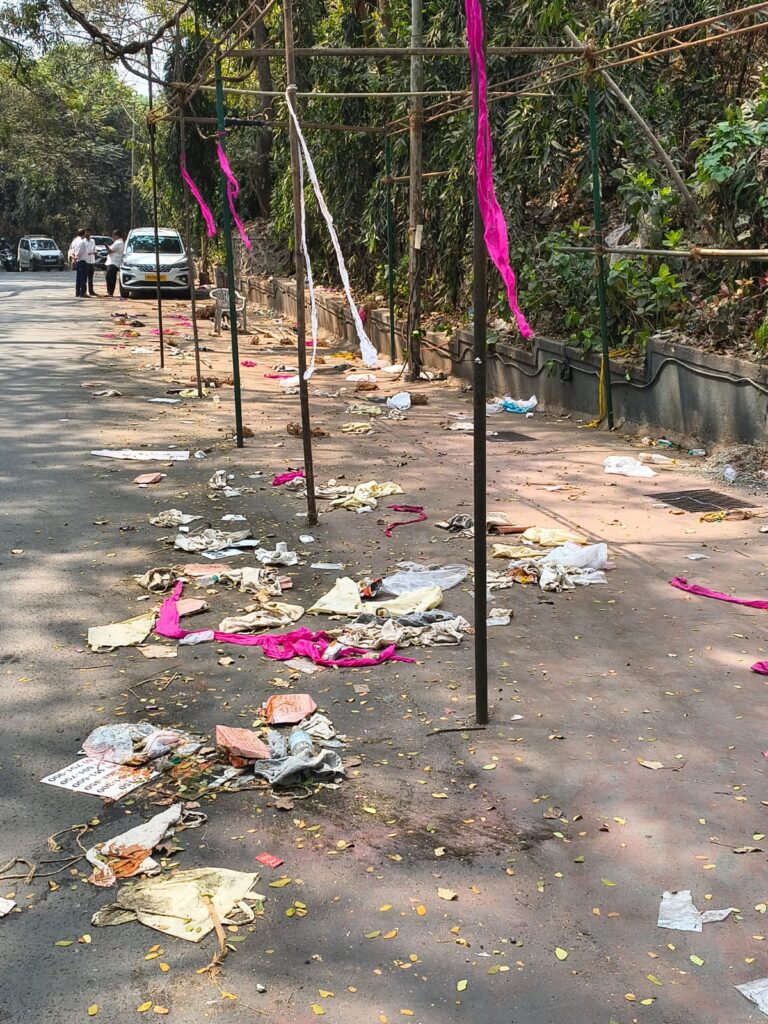
However, this one was Shiva’s birthday and many people were out in droves, dressed up in all their finery.
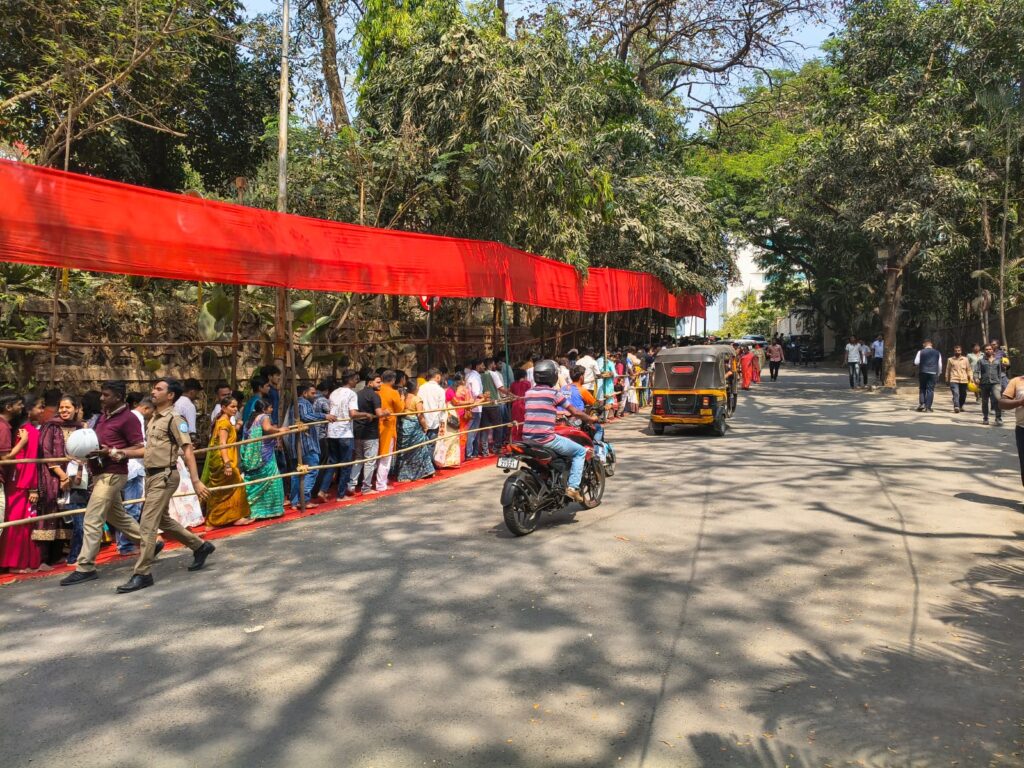
The lines were long as they queued up to get into the temple, leaving shoes beforehand as a mark of respect.
Ironic really, when unfortunately the aftermath had the streets filled with more rubbish.
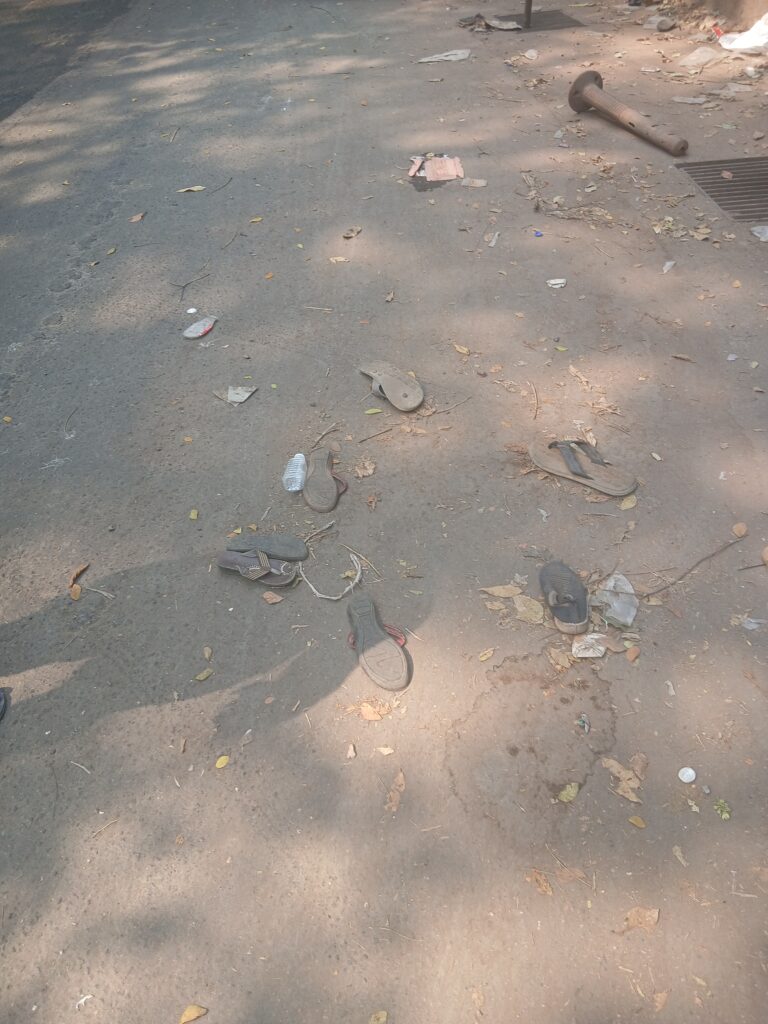
Including shoes attendees didn’t go back for.
Feed the street dogs
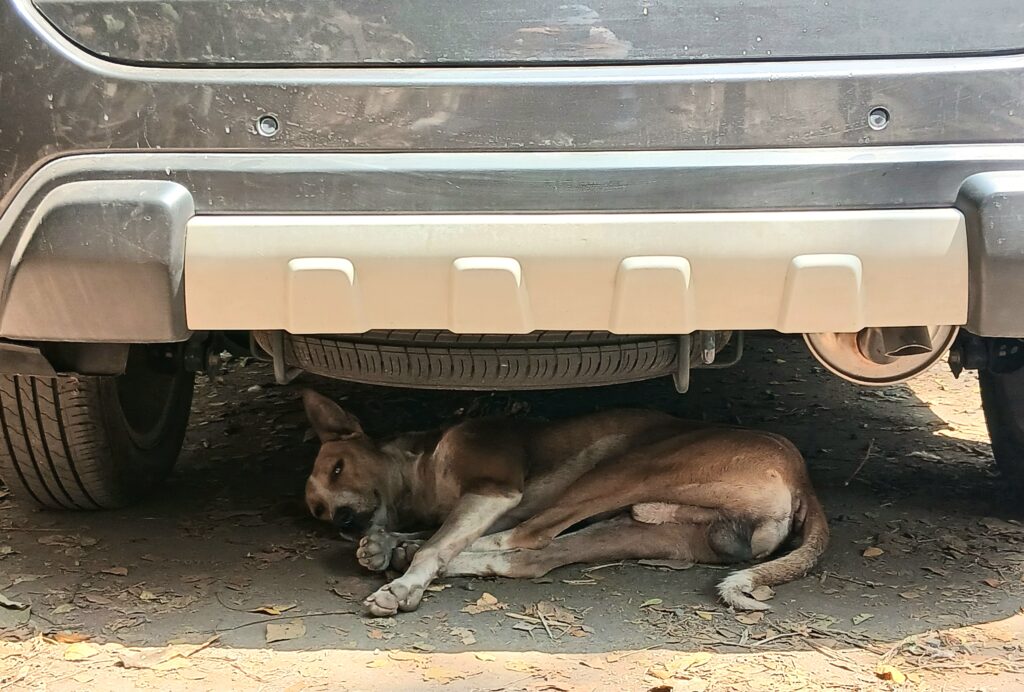
How could you not? The street dogs have a hard life as it is.
Living close to busy, noisy roads, trying to shelter under cars away from the baking sun, and wondering where their next meal will come from is rough.
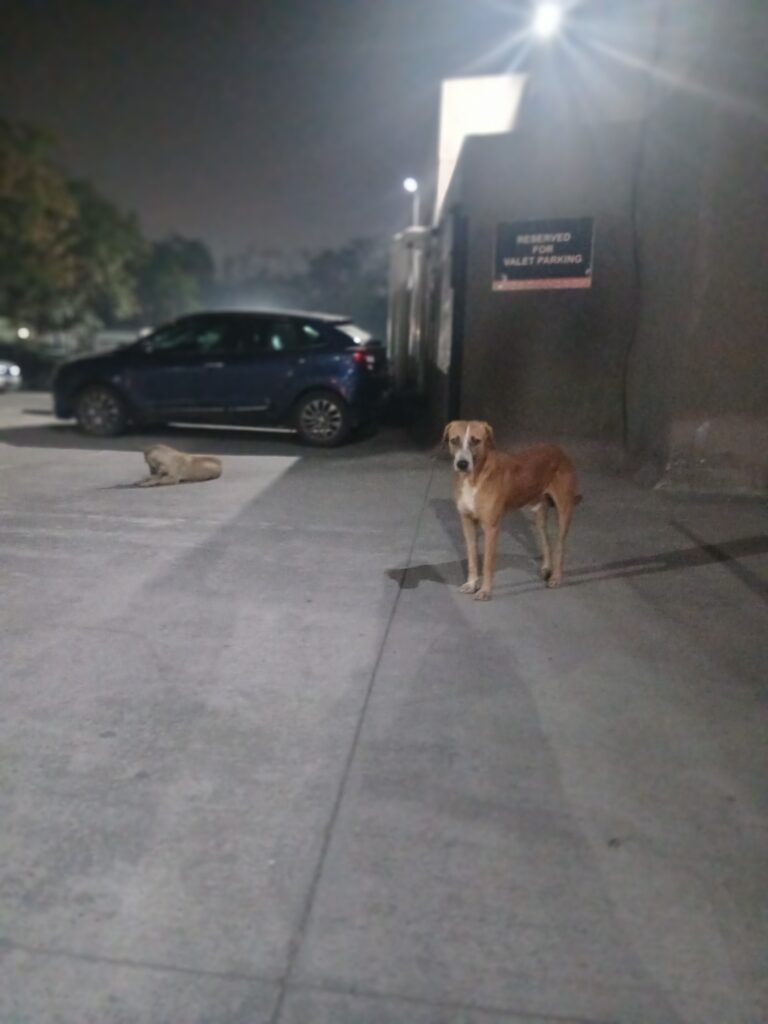
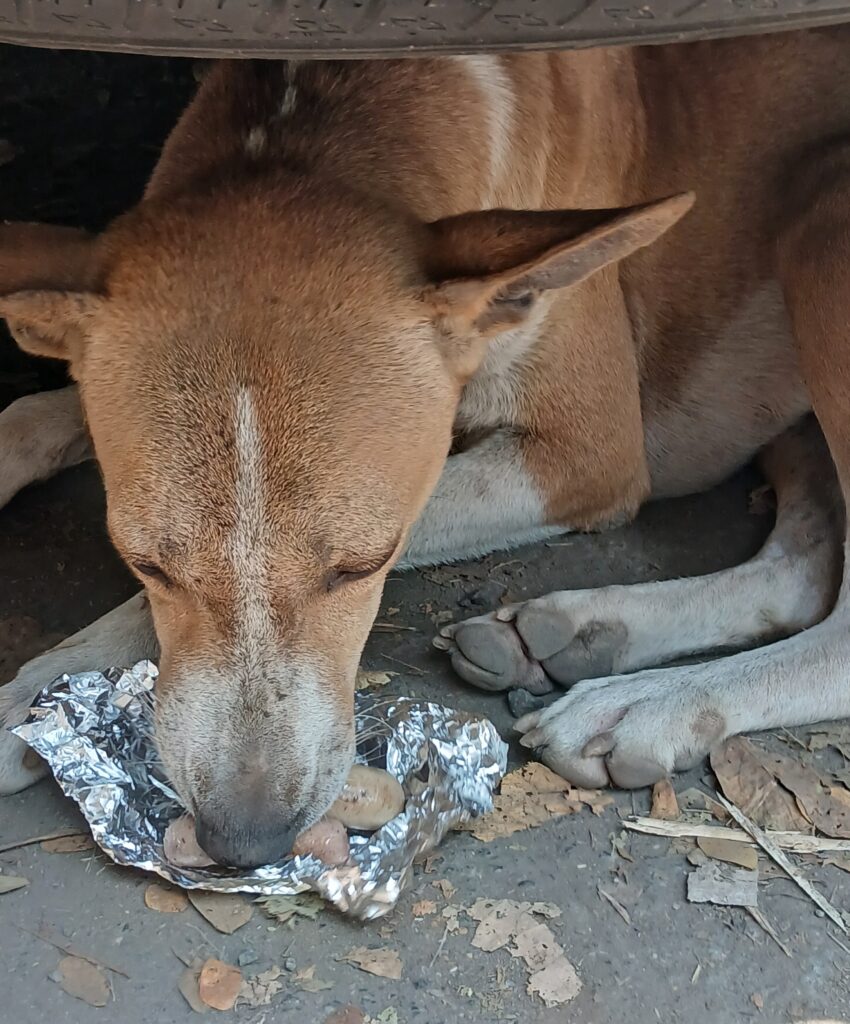
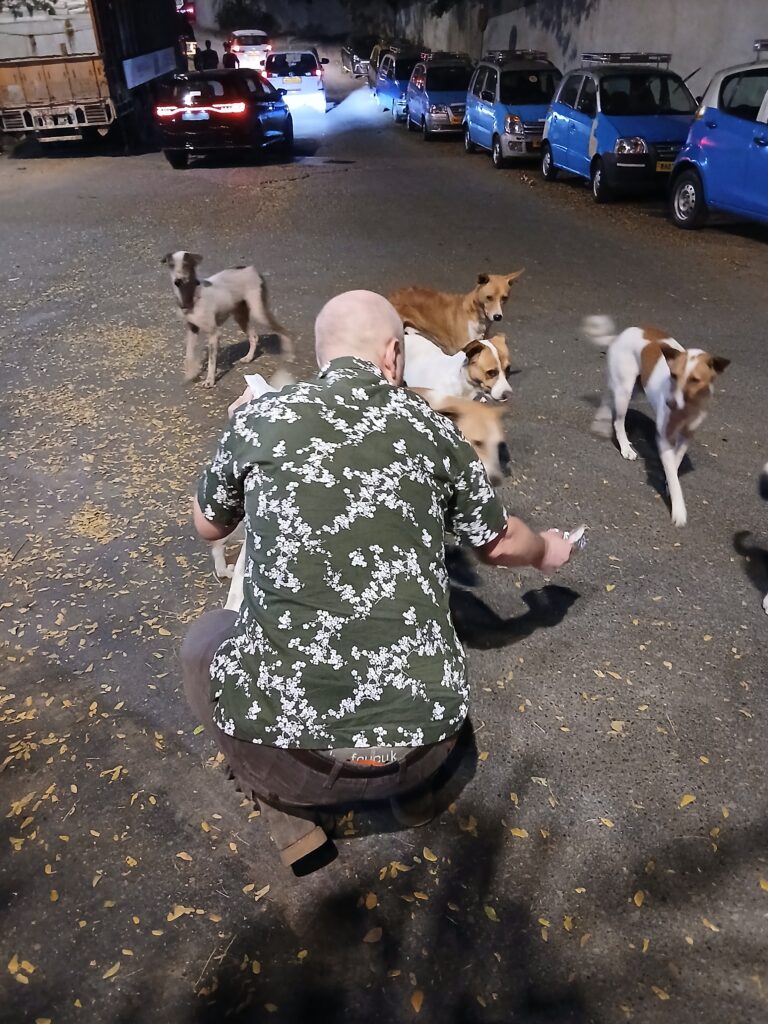
Off course you have kind people in this world, thank god, who share their meal or leftovers.
However, the dogs also have to avoid the bad people, who think nothing of giving the dogs a kick or slap.
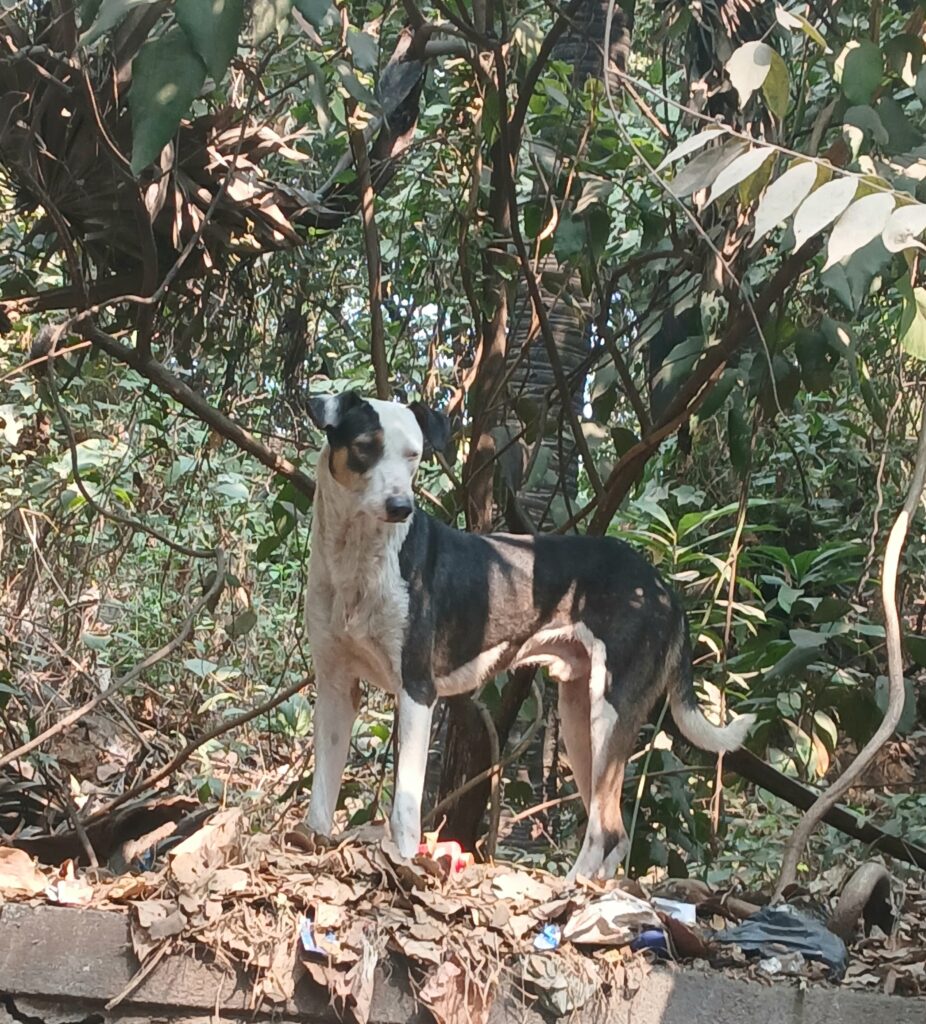
No wonder some dogs are so nervous and decide to keep away from humans altogether.
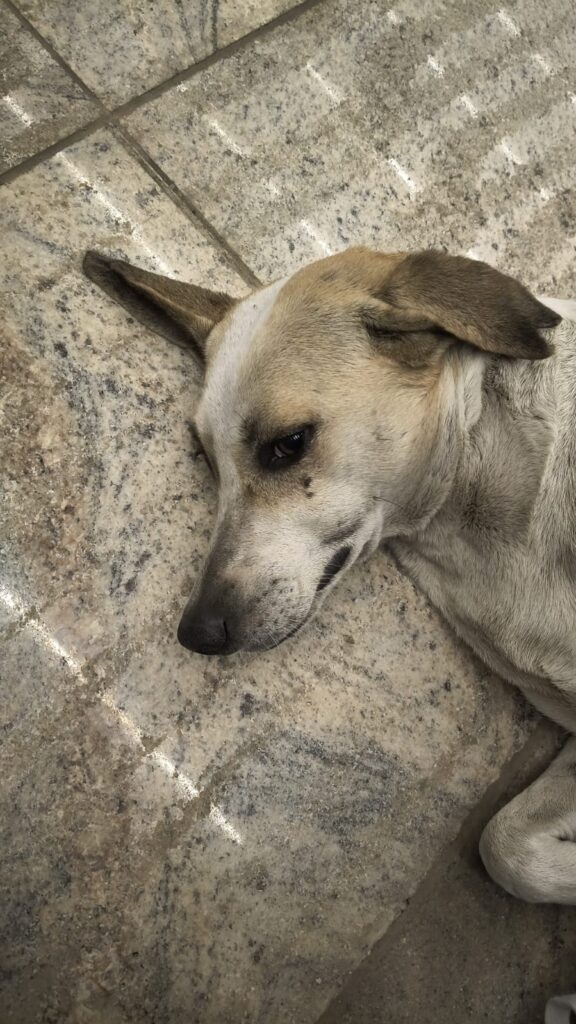
Its harder to watch, when some dogs are alone and not in packs. Brownie was one of the dogs always alone, extremely skinny and fighting for survival.
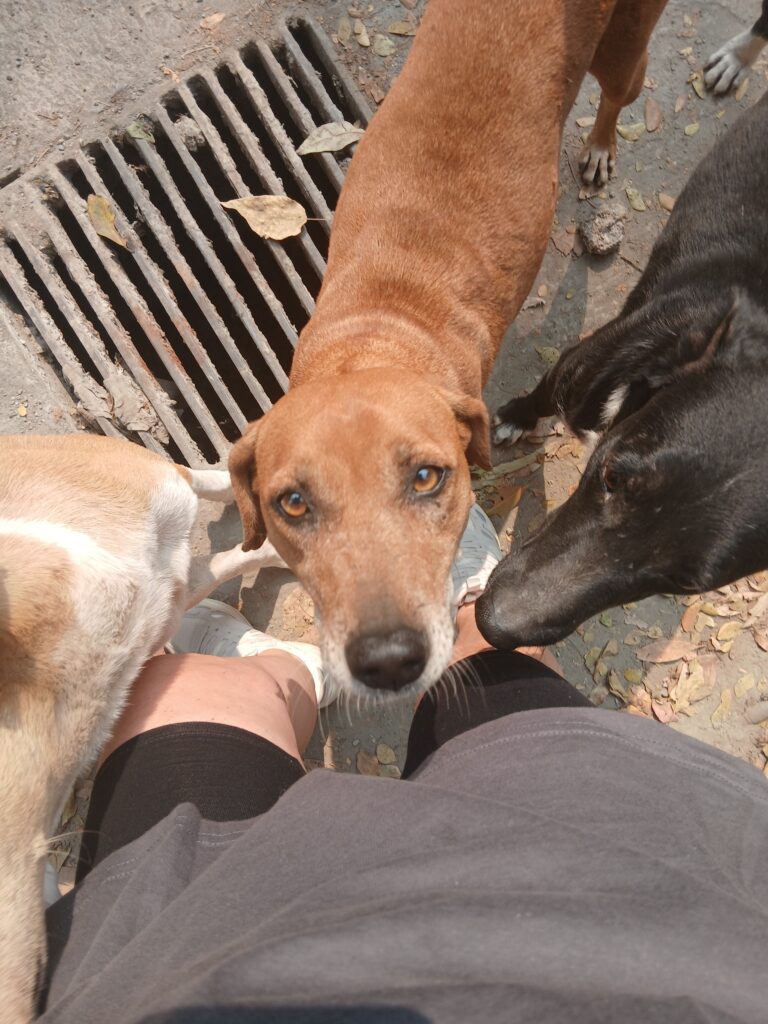
Since we get a a complimentary breakfast every morning at the hotel, we decided to gather up loads of meat bits for the dogs close by to us.
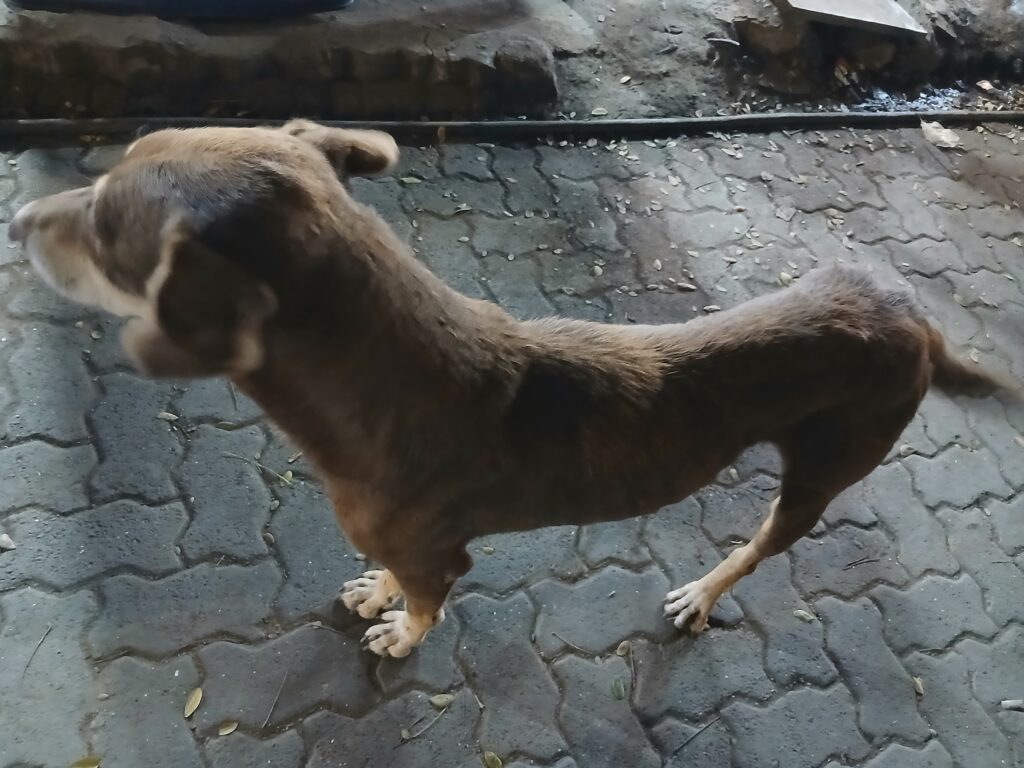
The hotel staff must be a little confused since we told them we are vegetarian lol
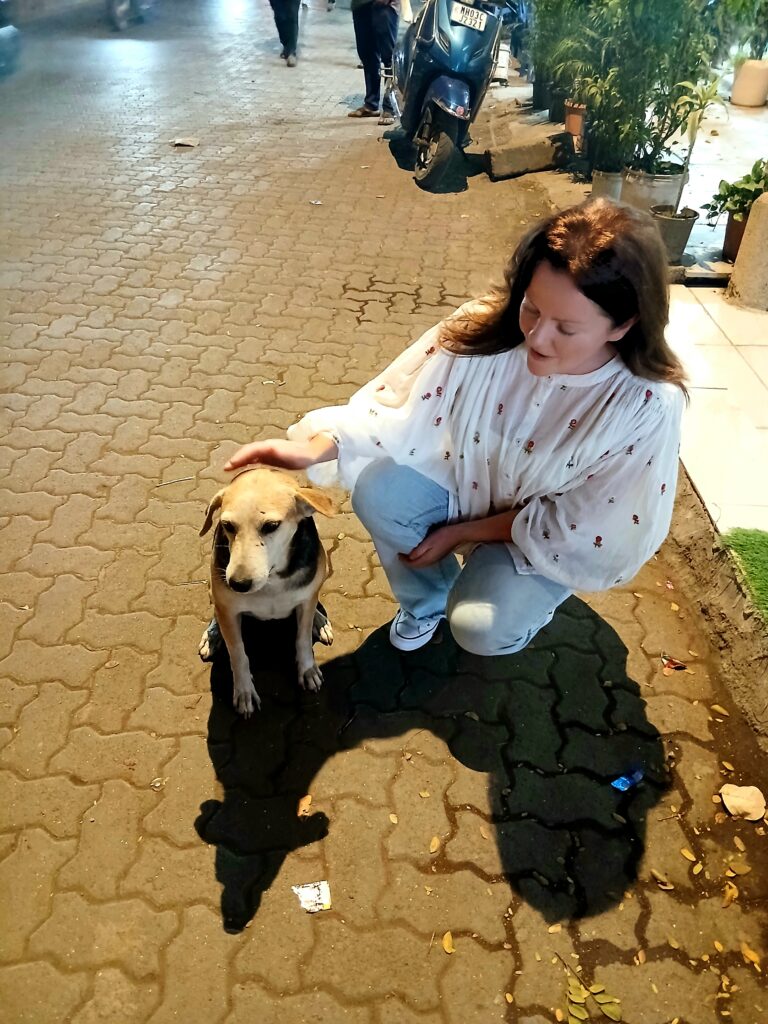
We also bring pedigree dog biscuits that they absolutely devour!
Celebrate love week!
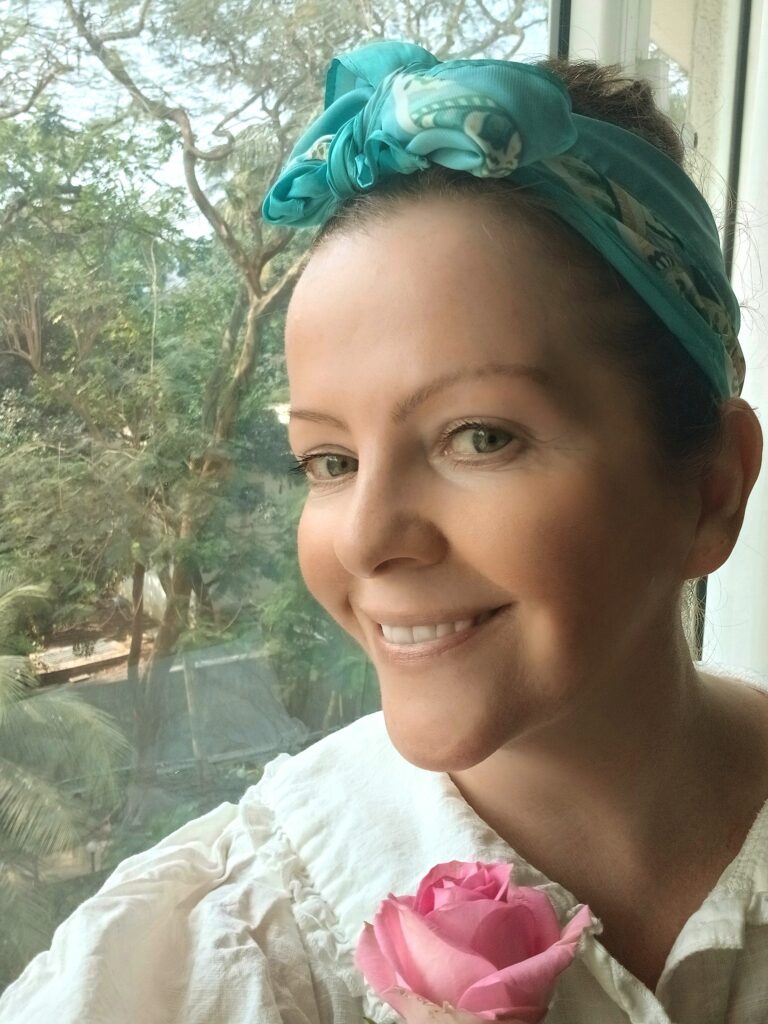
Yes, as well as the 14th February, Valentine’s Day, there is a whole week over that period, dedicated to Love! The guys in UK / Ireland would have a canary lol
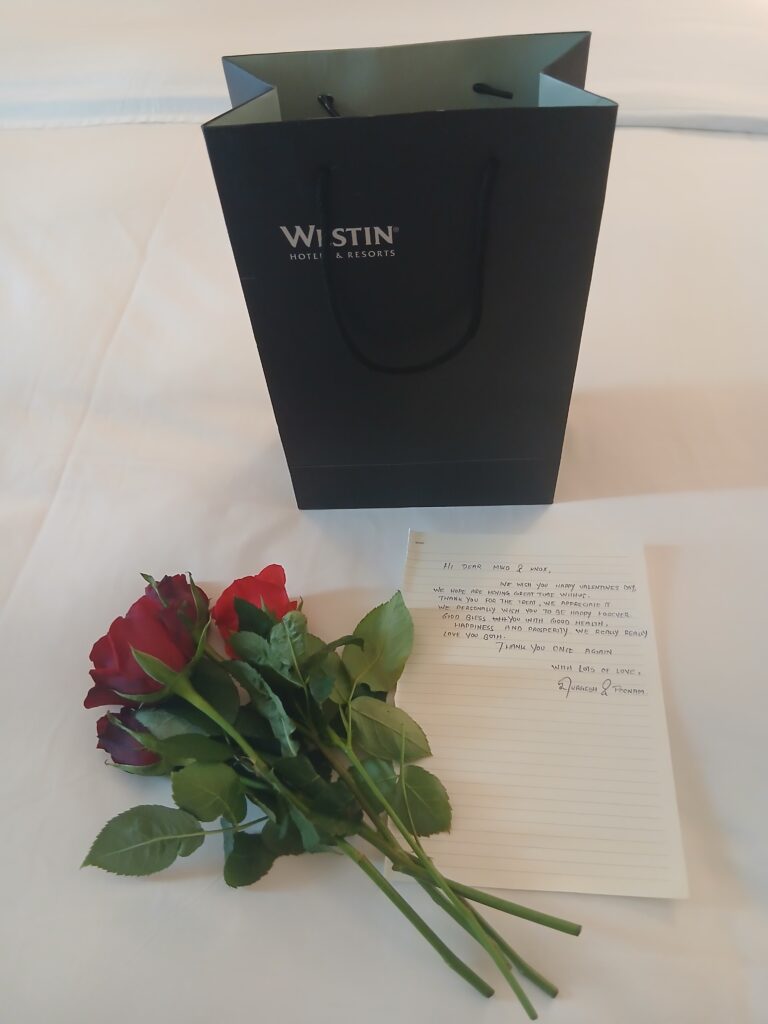
The hotel offers all the lady’s a rose which is a sweet touch.
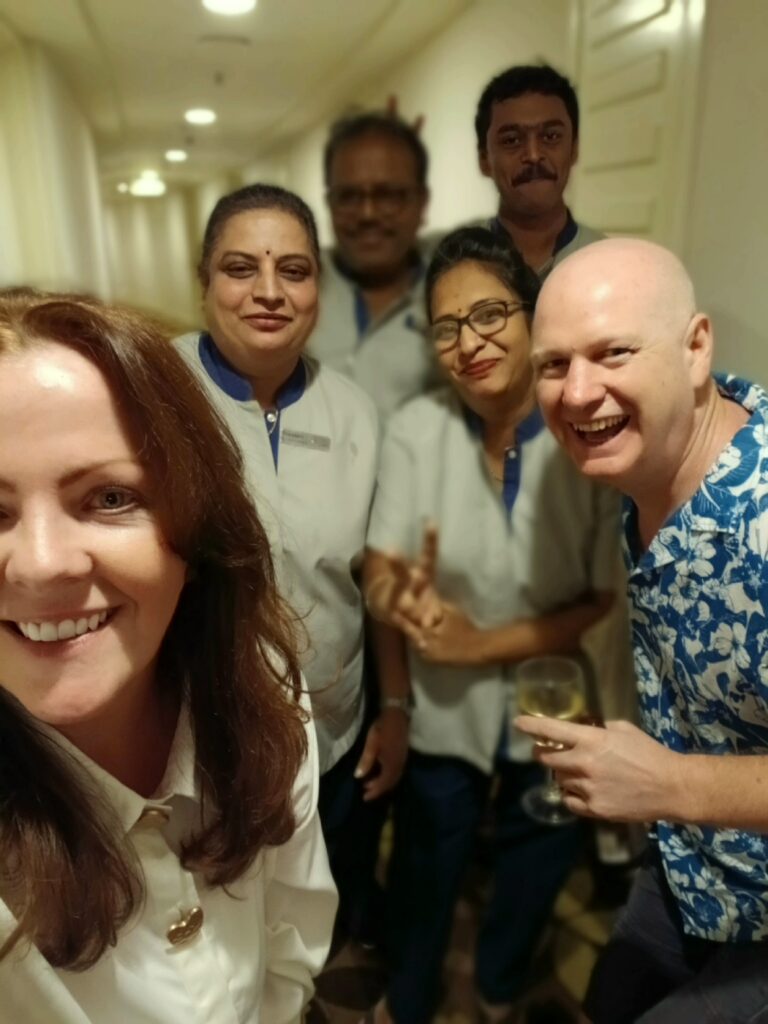
Our cleaning team are awesome. Especially Poonam and Durgesh who have looked after us like King and Queen throughout our stay.
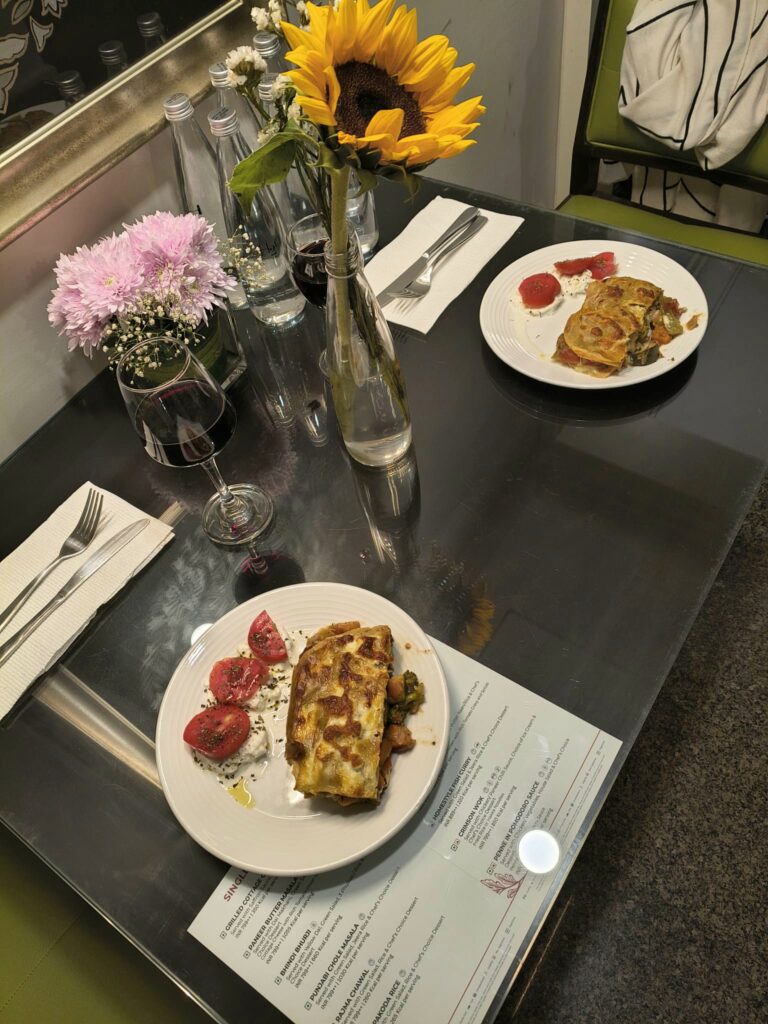
And, a very special someone got me a delivery of my favourite🌻 and made a delicious veggie lasagna and caprese salad. Everything was made from scratch, even the pasta sheets were rolled out real Italian style!

Enterain yourself at the hotel complex

If all the noisy, dusty streets are too much, and you’ve had enough of Mumbai sightseeing, then chill at home.
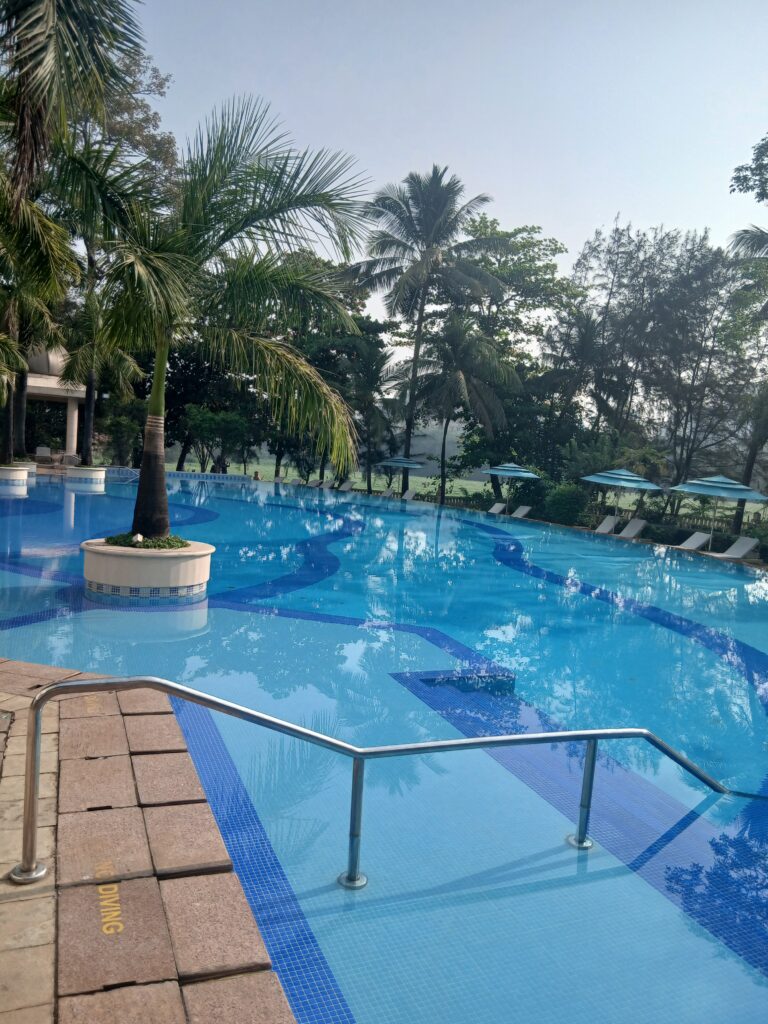
You can always make use of the hotel facilities.
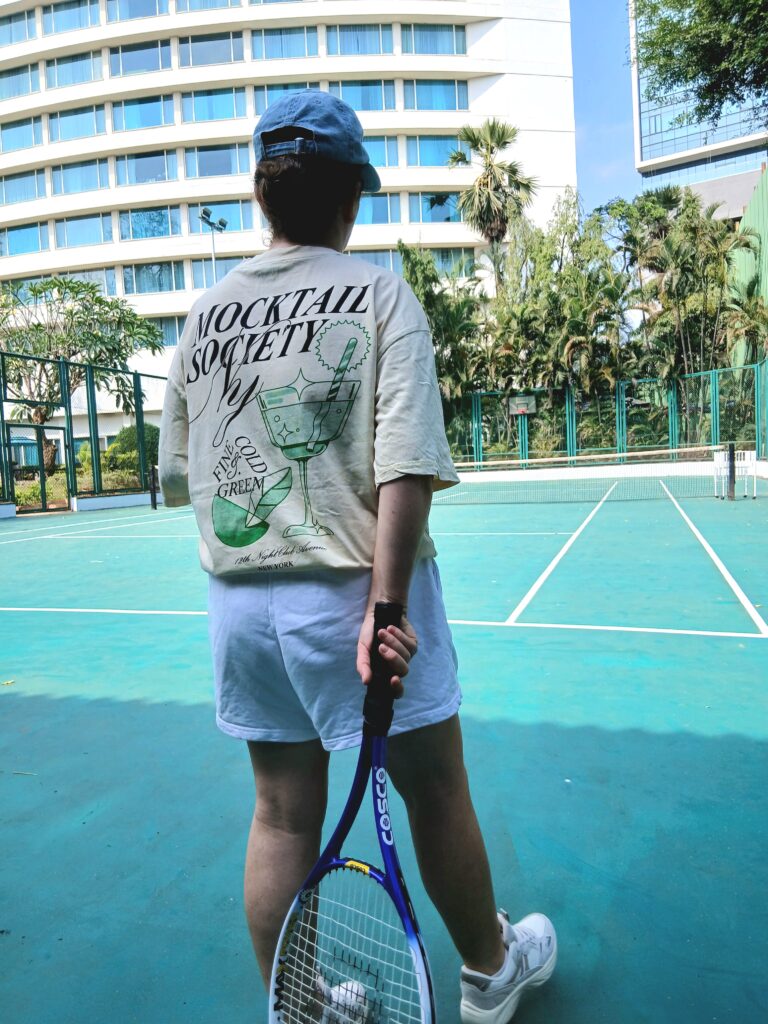
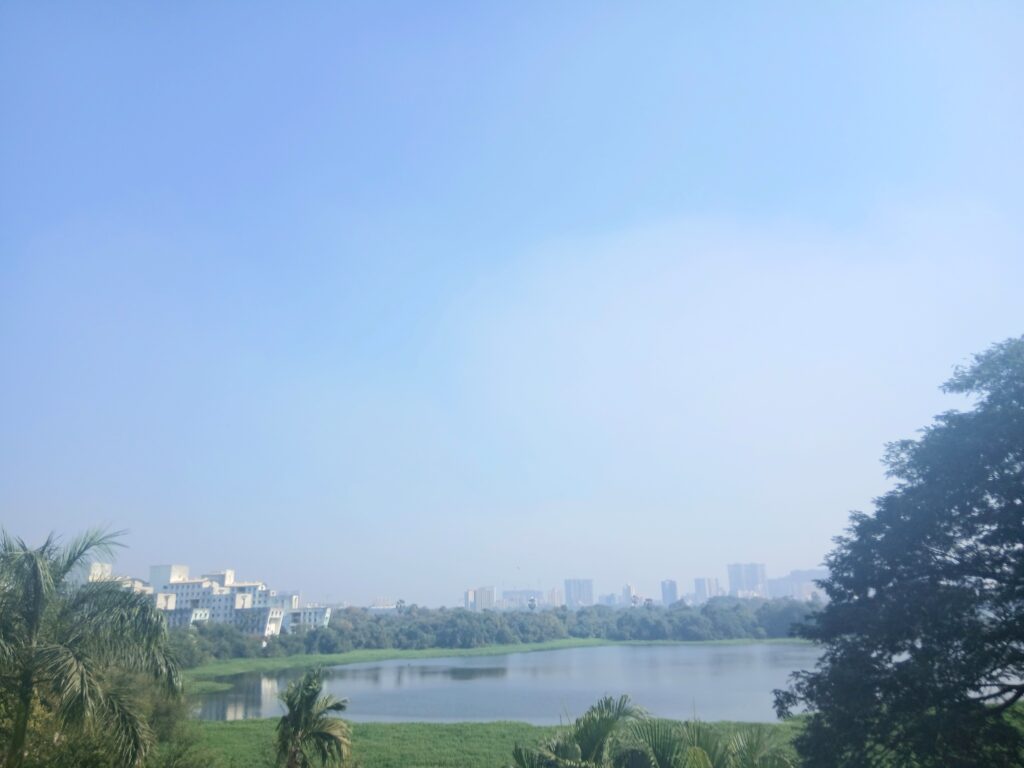
There is tennis, a gym, 2 pools, sauna, several restaurants and bars. Or how about immersing yourself in the wonderful vistas of Powai lake while sipping on a cool juice or coffee.
Eating and drinking
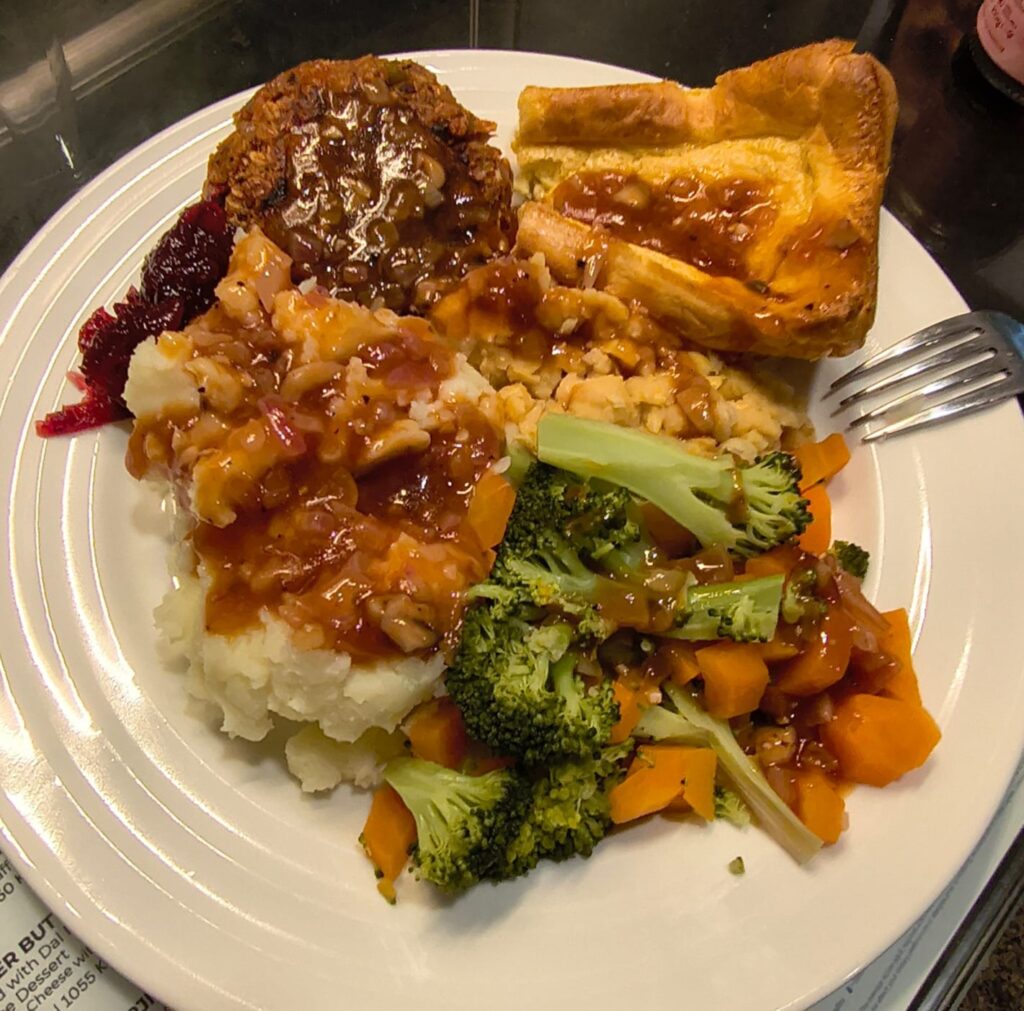
As we had our own kitchen, we cooked our own meals from scratch during the week, with the exception of eating out some Saturdays (to give Knox a break lol)
These are the places we have ate and drank in, and would recommend and also the places to avoid!
Si Nonna’s
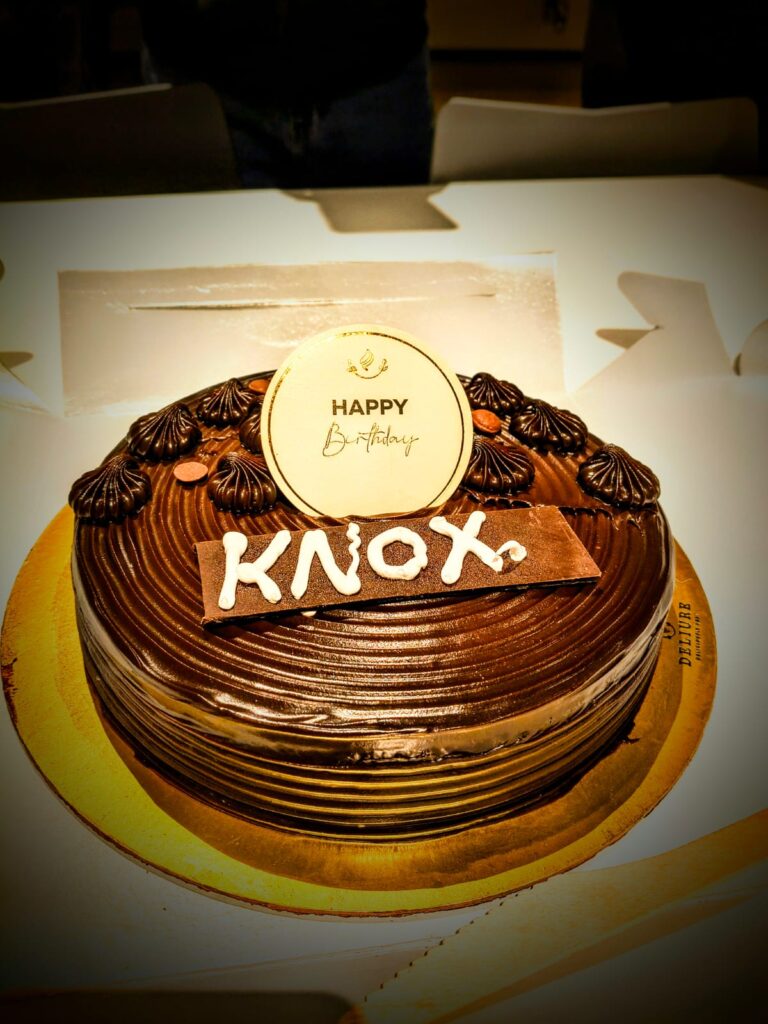
Knox’s birthday celebrations took us to Si Nonna’s which was in the Phoenix Market city mall. Although, they have plenty of locations across the city.
As pizza lovers we chose Si Nonnas after scouring the reviews for the best pizza in Mumbai.
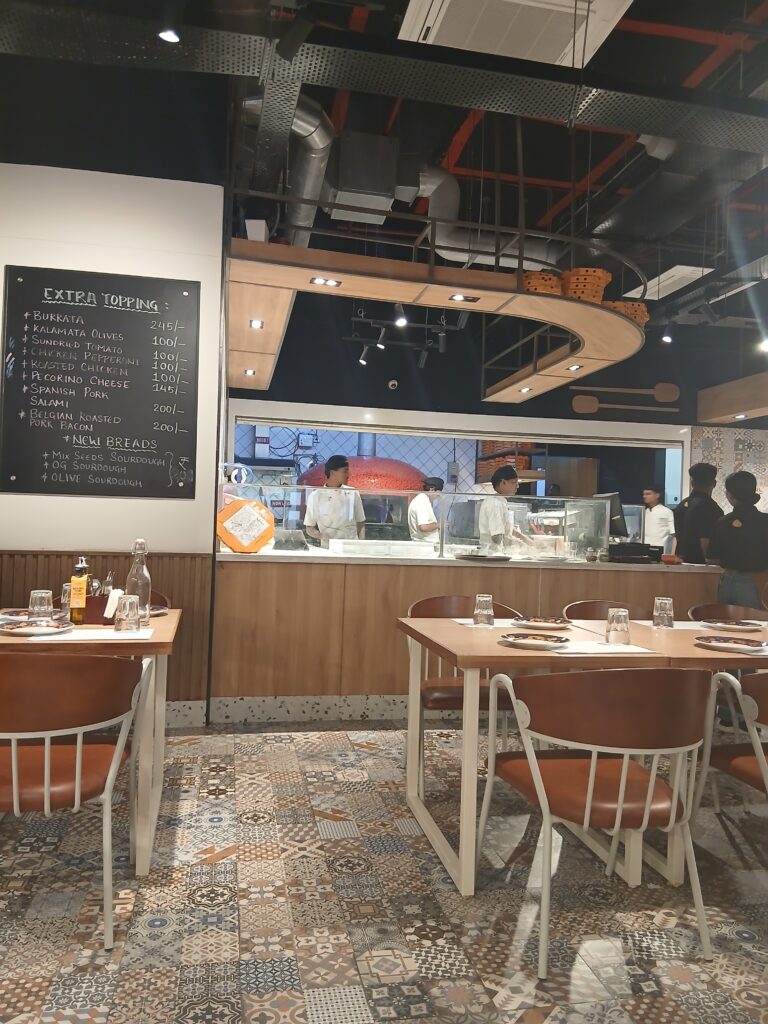
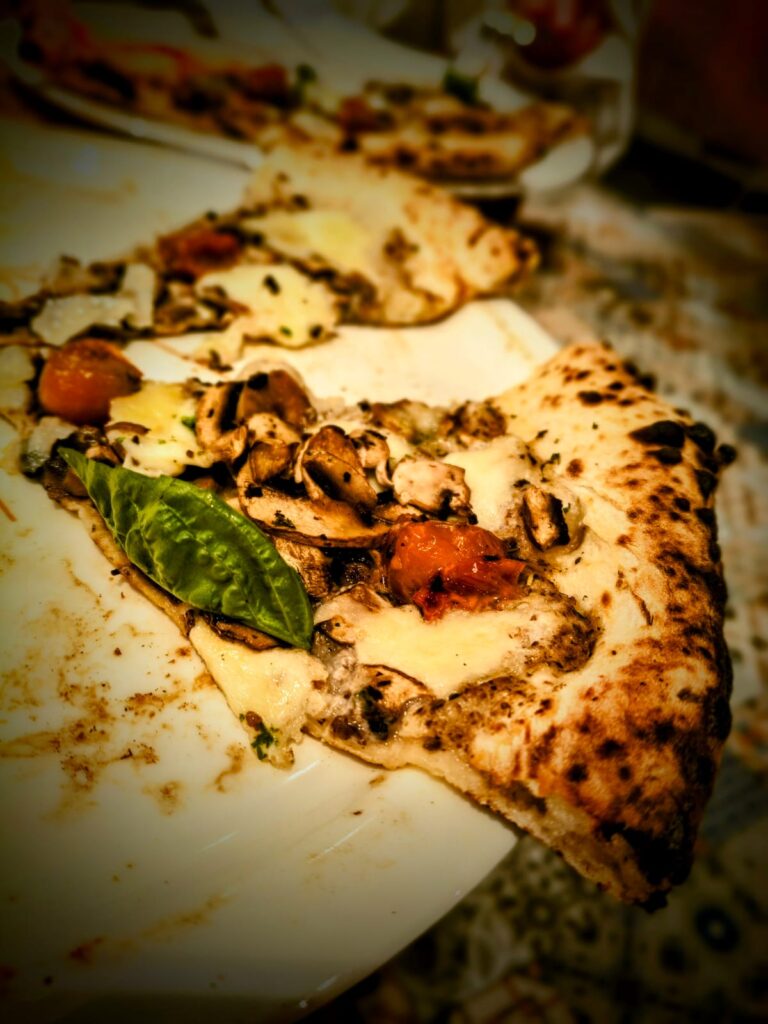
Si Nonna’s specialises in sourdough pizzas, which sounded enticing.
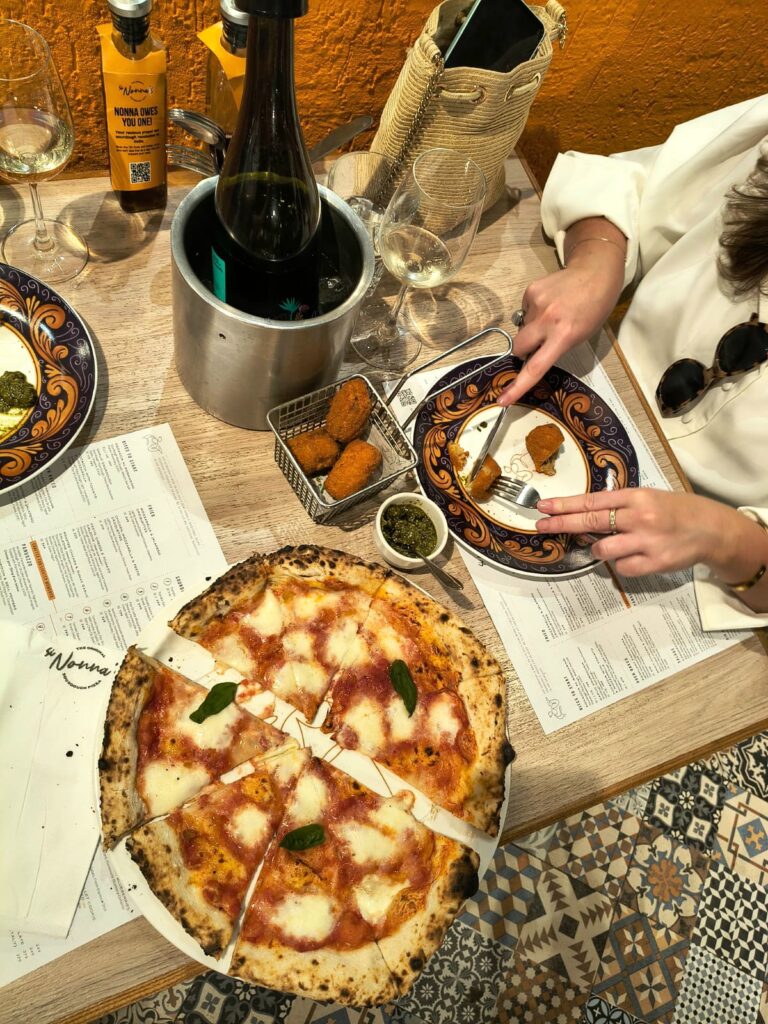
We weren’t disappointed. The pizzas, the blueberry panna cotta, as well as the service was spectacular and we washed the meal down with a bottle of local bubbly.
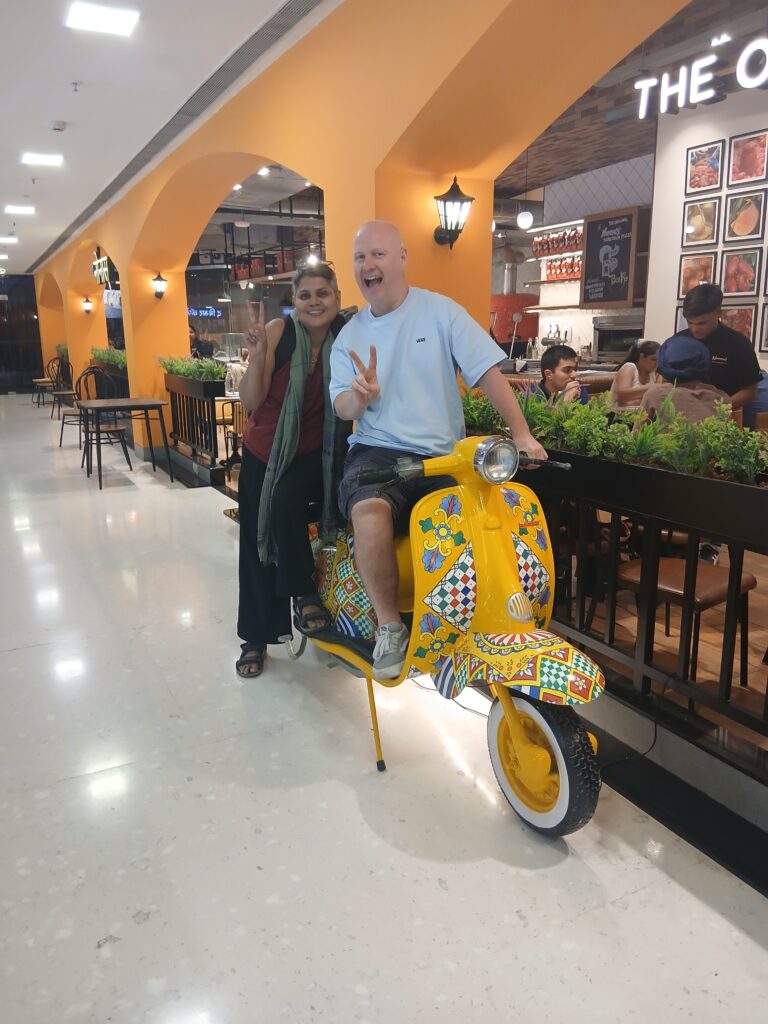
So far we’ve tried Si Nonna’s in Phoenix Market city and Inorbit Mall.
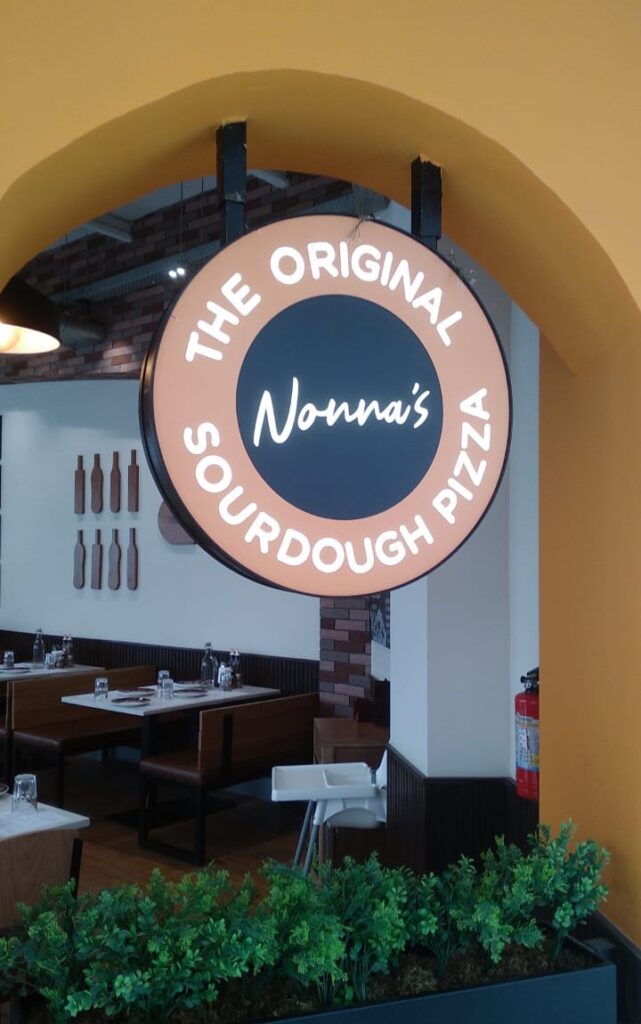
Neither disappointed.
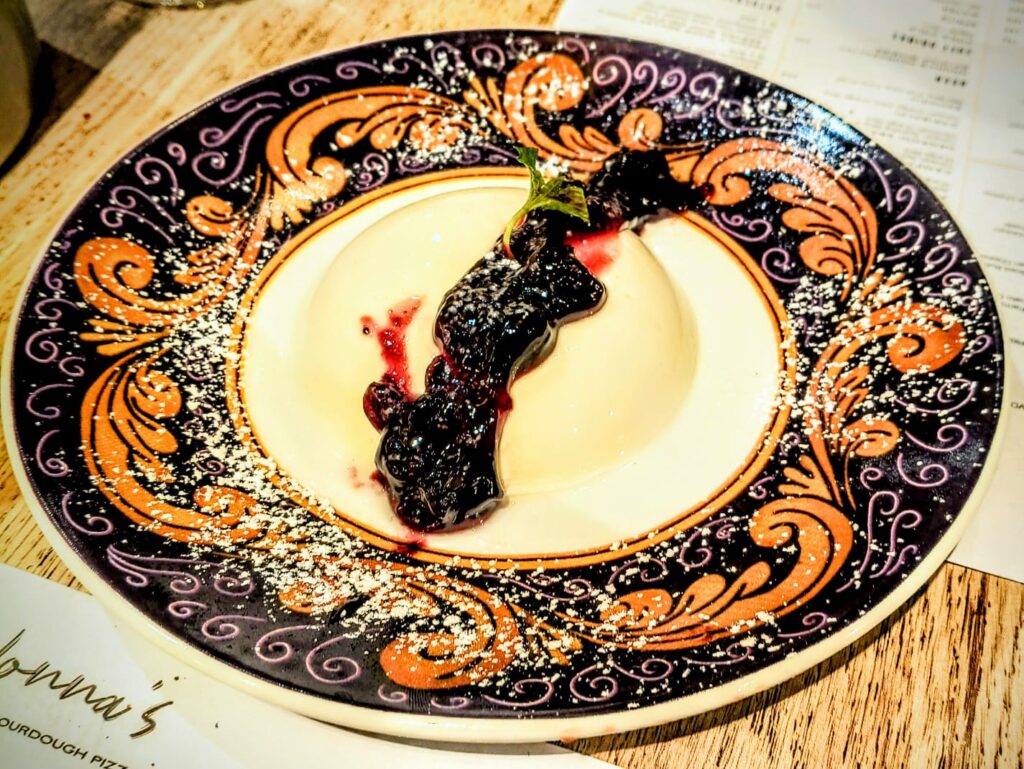
Highly recommend.
The Irish House
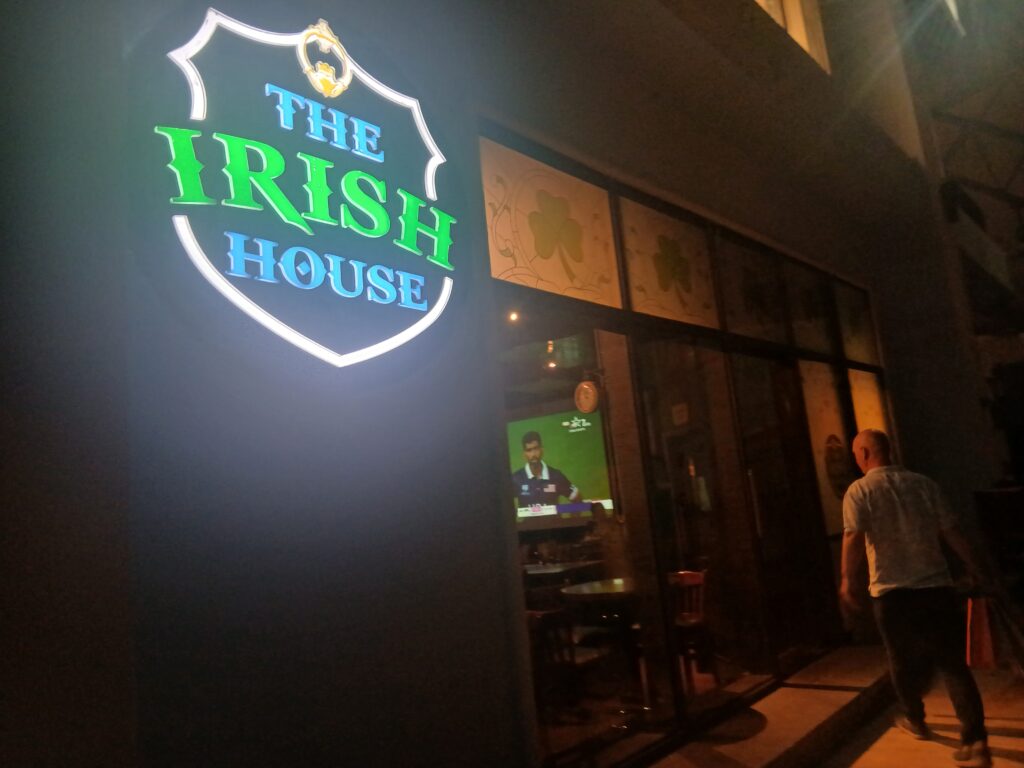
The Irish House is a chain. When looking at reviews online many stated it was overpriced, commercial with rude staff. Bare in mind, there are many all over Mumbai in different areas. However, as we like to make our own mind up, we give the Irish house in Phoenix Market city mall a go.
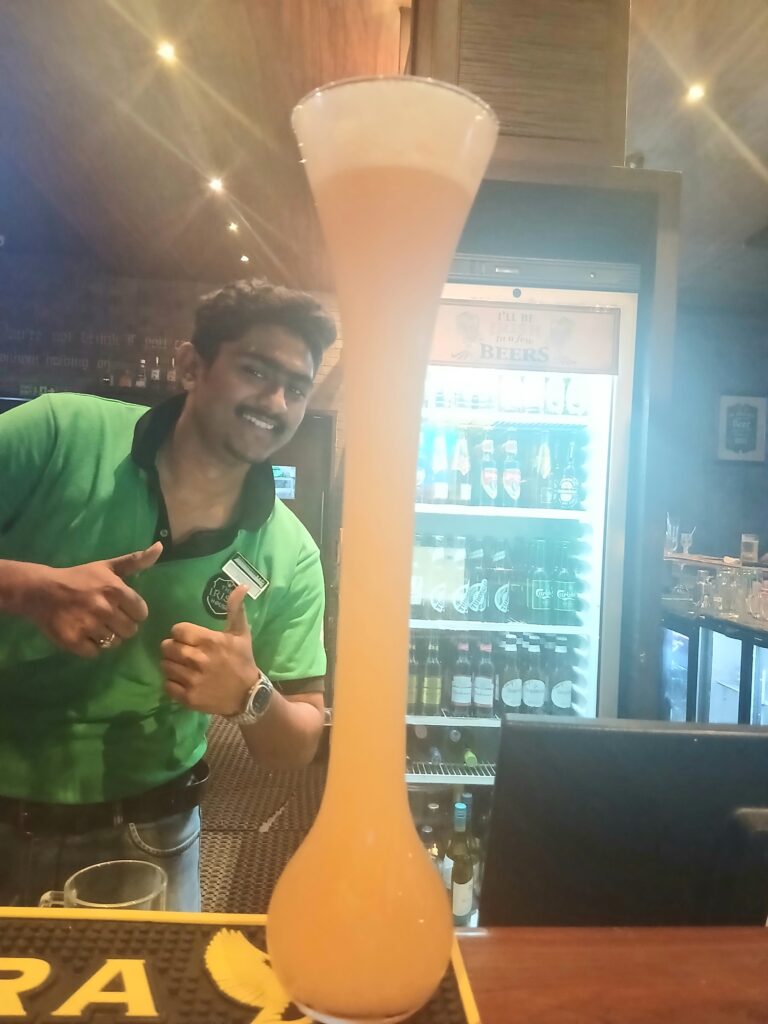
It was a good enough attempt re decor of an Irish pub, but laughable there was no Guinness, not even a can. There was no Irish music either, just a dance DJ. but fair play, when asked he did play a few Irish jigs we requested.
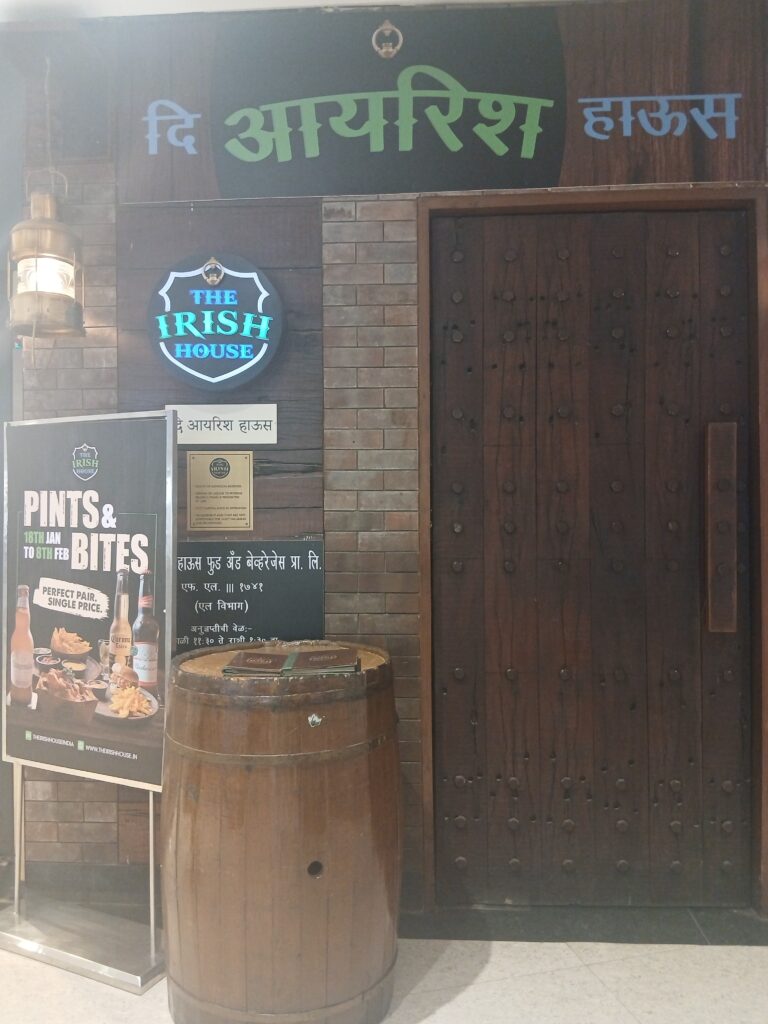
It was okay for a couple and we found the staff friendly.
They do pint and bites deals too!
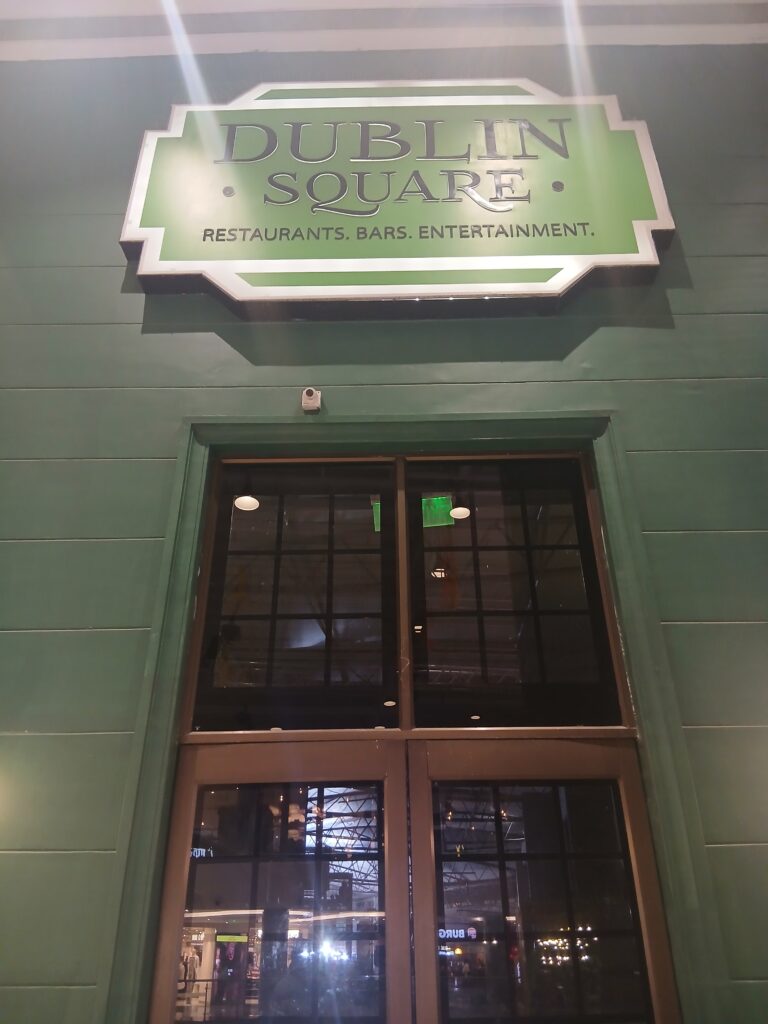
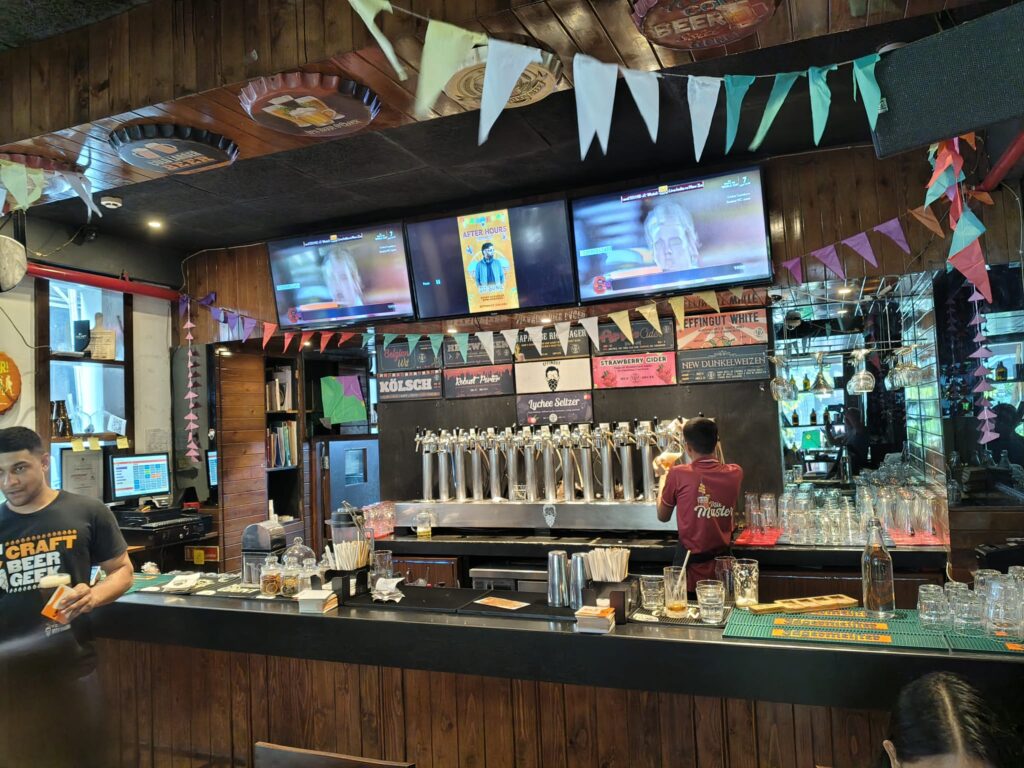
Effingut bar
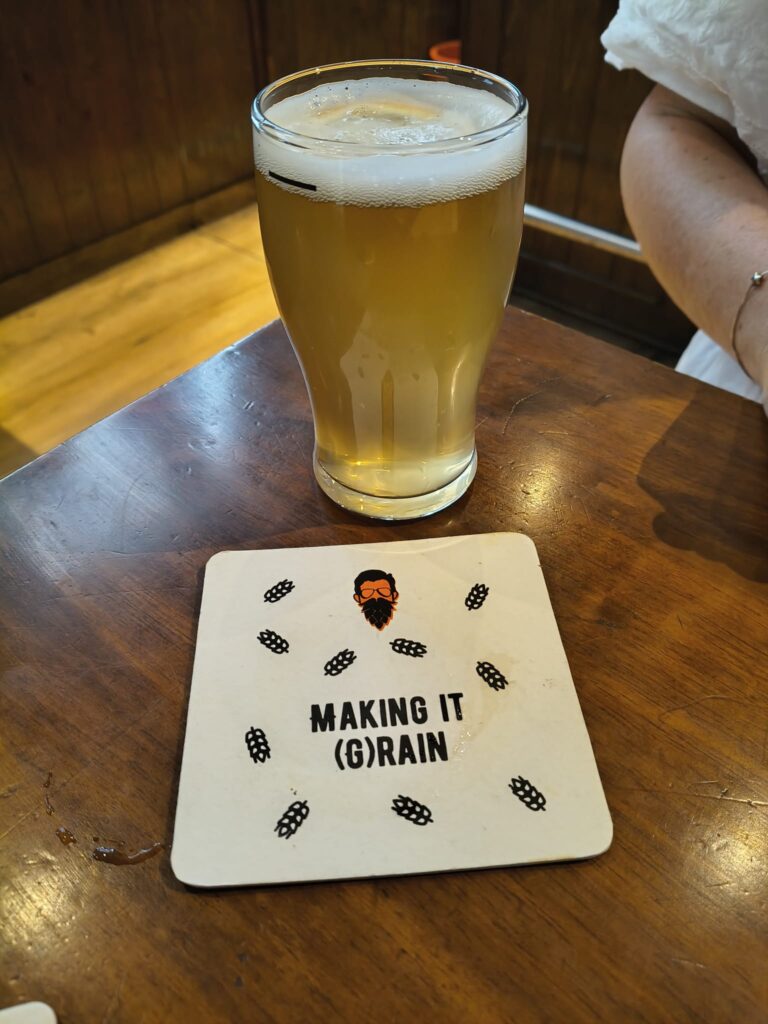
As we mentioned above, its a ‘proper’ bar offering a selection of their own beers. Food is also on the menu as is a very nice Sula wine. The atmosphere is relaxed with friendly staff.
There is also a small beer garden.
Mondegar cafe/bar
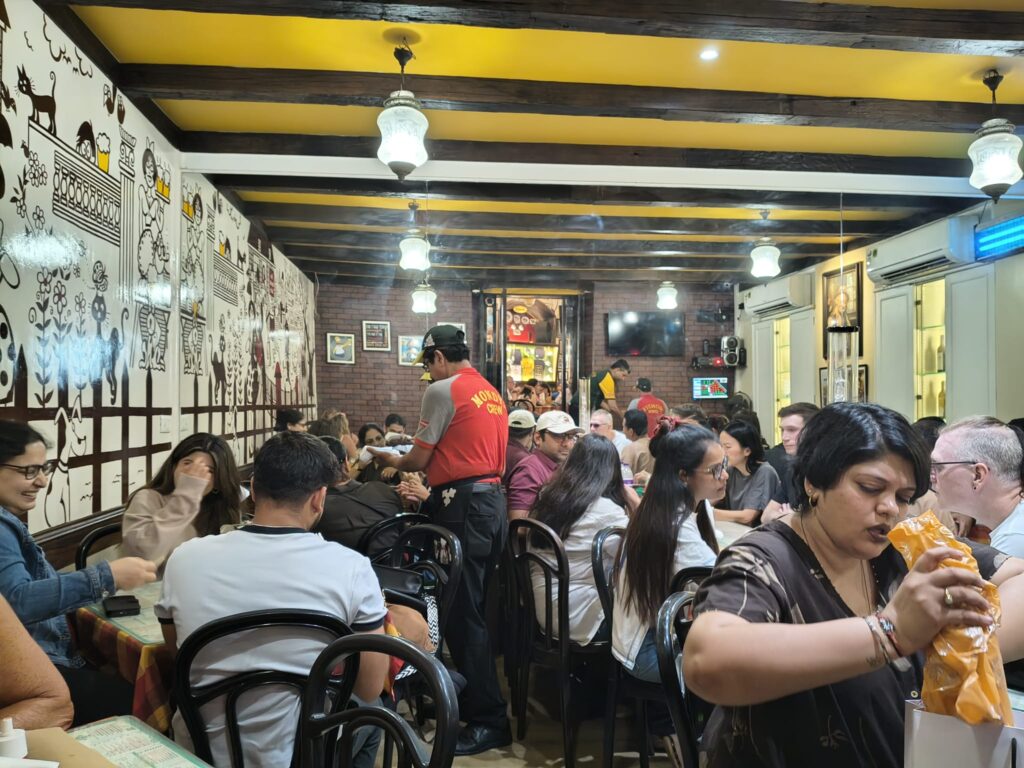
A must see, I guess for first timers in Mumbai. Great cartoon paintings and its been serving locals and tourists from away back in 1932.
Disappointedly though, it served no local beers, only foreign beers at expensive prices. A bit of a tourist trap, but worth the visit once.
Leopold
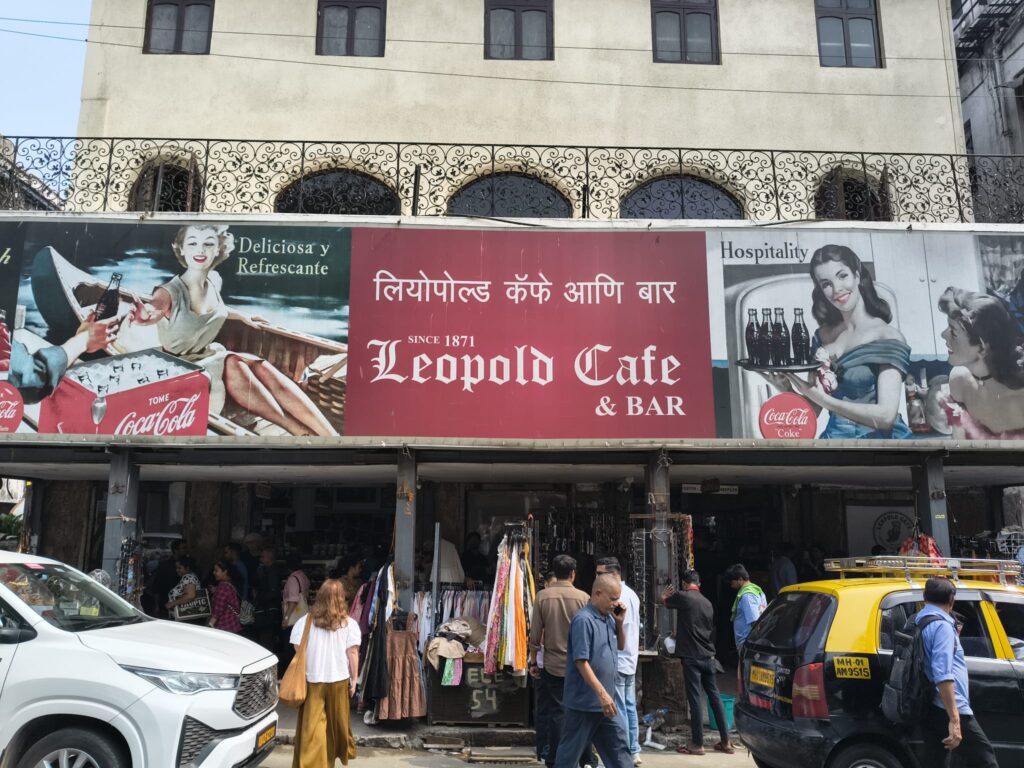
Leopold is another tourist trap serving non local beers and again only western beers at expensive prices. Tourist flock to Leopold to access the bullet holes and queue to get inside to the bar.
Nawab Saheb
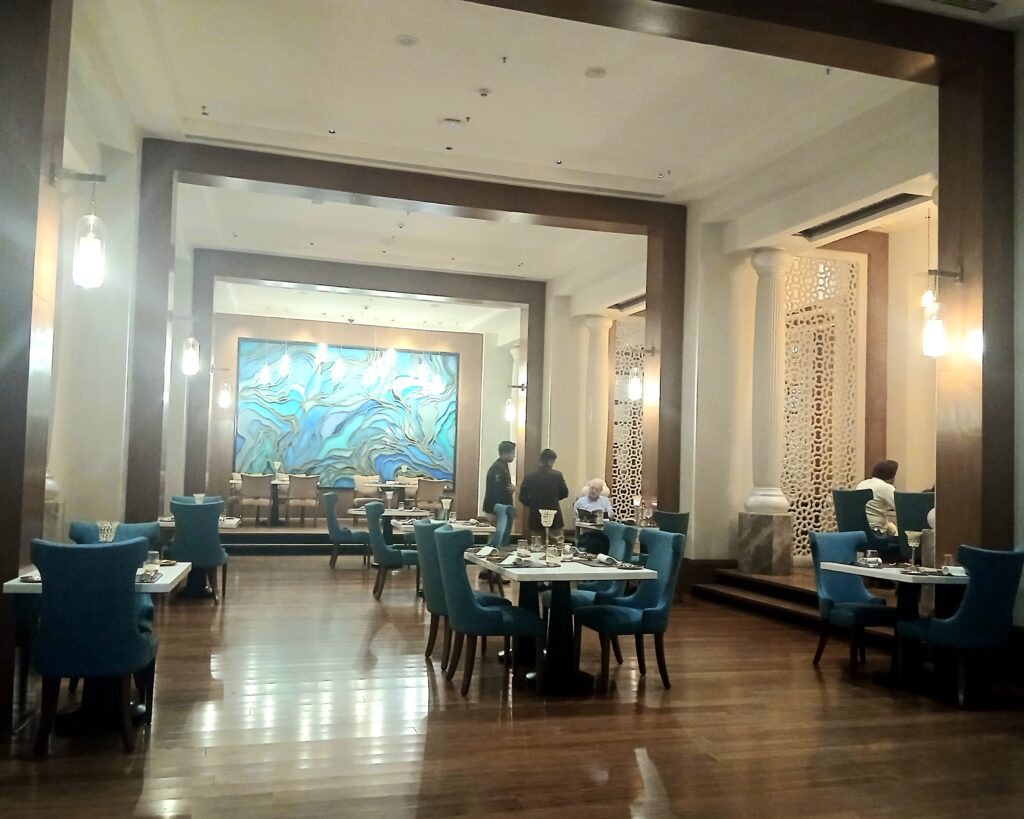
The food, hospitality, and beautiful surroundings at Nawab Saheb, in the Westin was divine, although expensive for Indian standards.
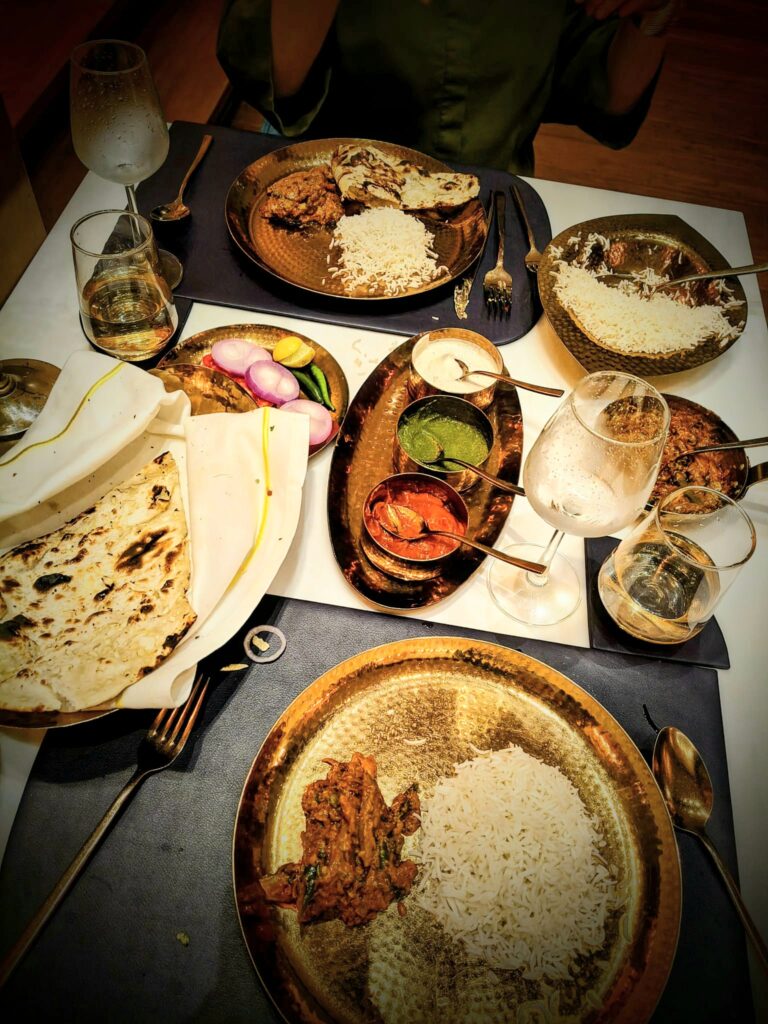
It seems Mumbai, in certain areas, are on a par with Europe.
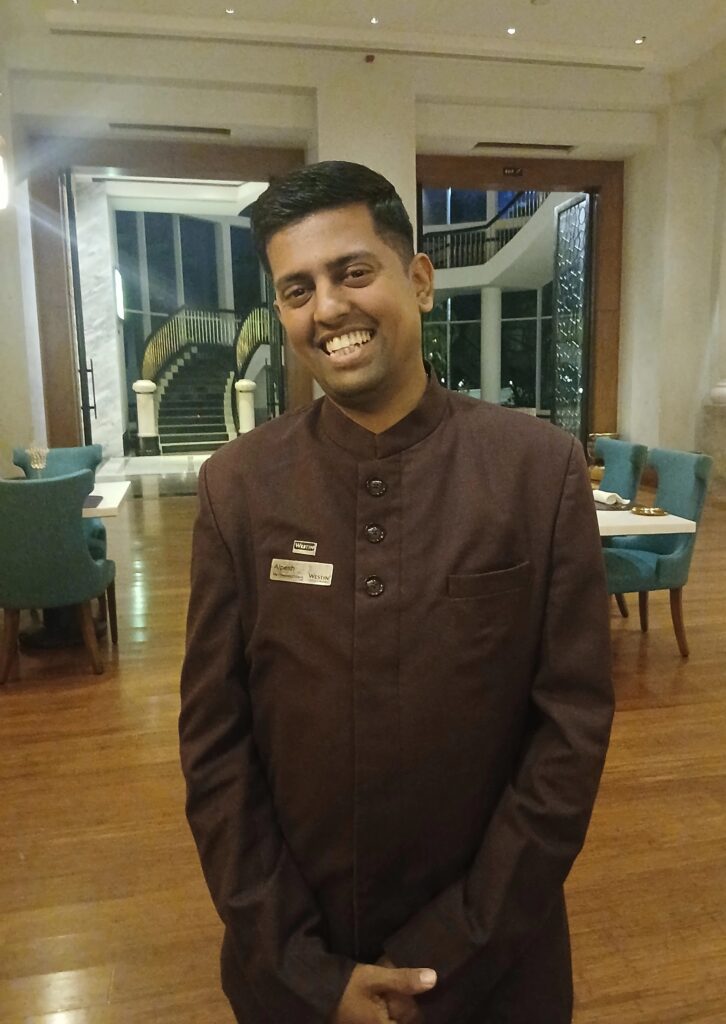
We would definitely go back though, for a treat, and to see again the lovely genuine smiles of the staff!
Pizza by the bay
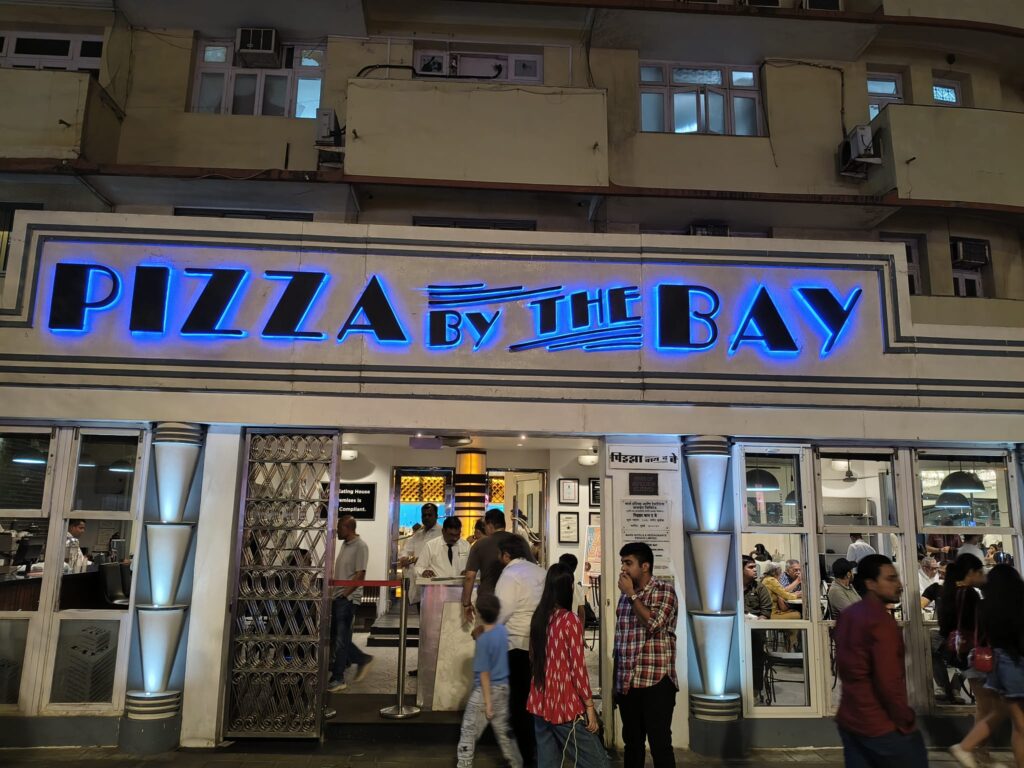
One to avoid. First of all you’d except a view of the bay as states in name, but this so called view is obscured by a bus stop, a busy road, and construction.
Secondly the pizzas weren’t great. Mediocre at best.
Thirdly, when the bill came, or should we say bills, as they confused matters by separating the meal and drinks. The first bill had items on it that was unreadable and we noticed it was not adding up. In fact, it was way over what it should have been. After asking for a bill we could actually read, the waiter, brought more ‘bills’. On these we noticed items we hadn’t ordered were on this! After a lot more commotion and toing and froing, the manager finally arrived and in the end we didn’t pay anything. Likely, that is because the drama was attracting attention from other customers. There was definitely a cheat going on. Was it because we were westerners?
Tight bar
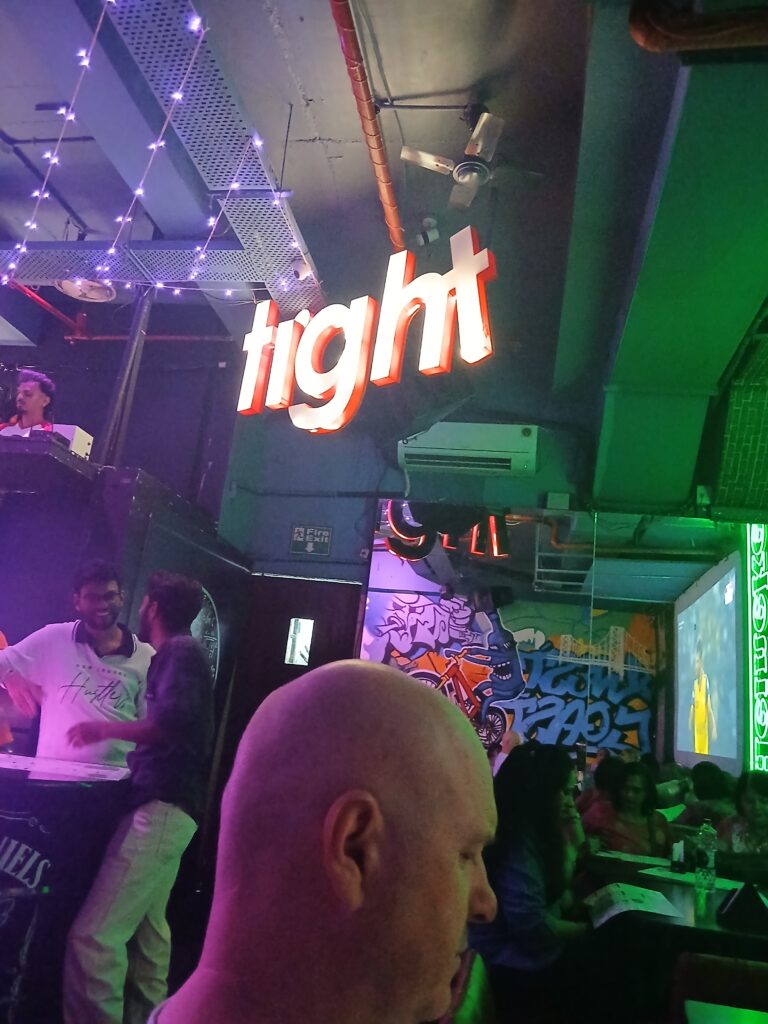
Tight, was located in Inorbit mall. We had one drink and left.
The dance music playing was brash, with no requests allowed to the pretentious DJ and the clientele were iffy. Not our style.
Finch Bar
A great find, only approximately a 15 minute auto drive from our hotel.
We liked that it offers live music. We had some Punjab rock / Bollywood mix on our visit, which was lively and entertaining.
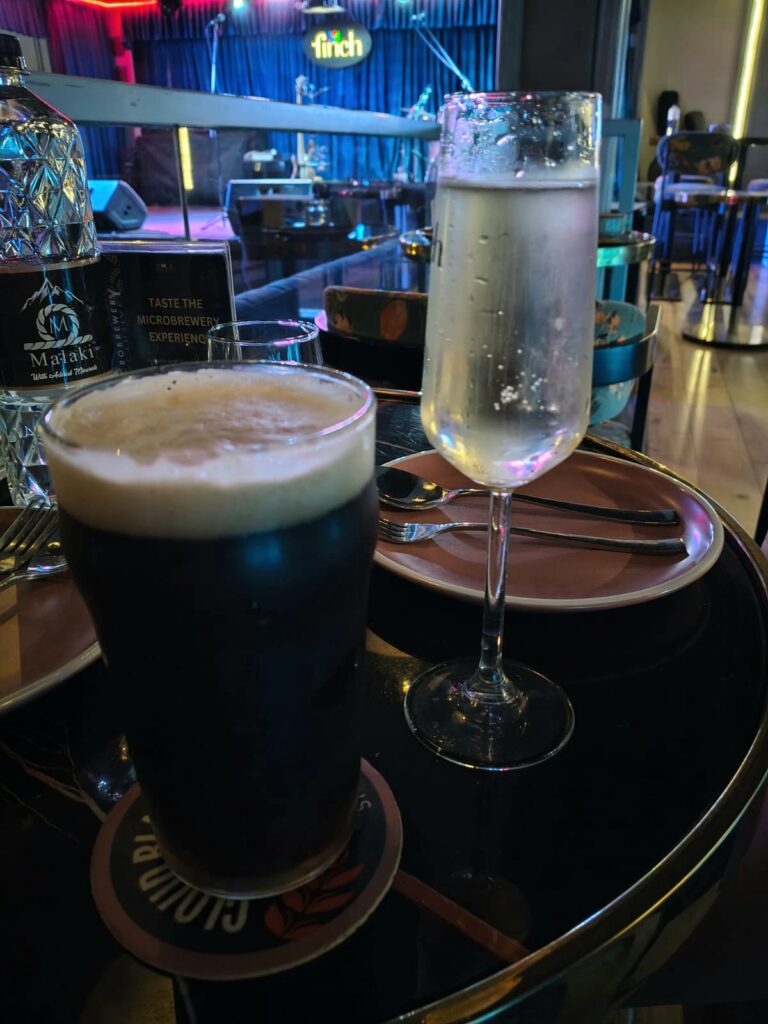
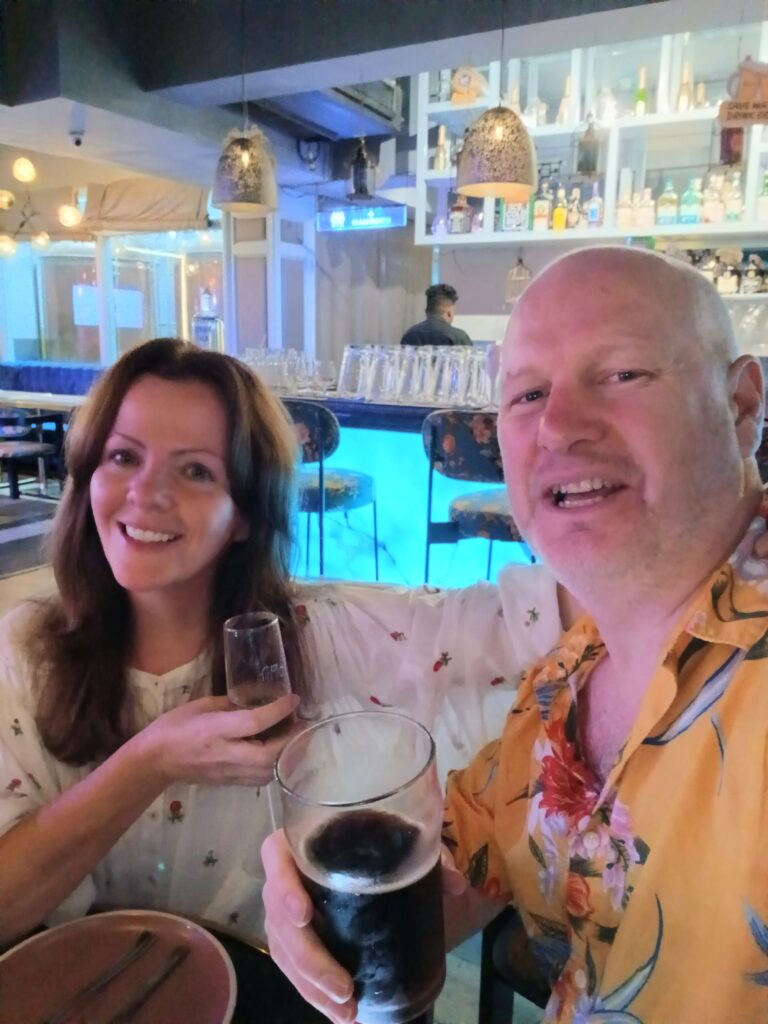
The bar is expensive, so you will pay western high prices. However, the atmosphere is very friendly and relaxed.
Would we recommend a visit to Mumbai?
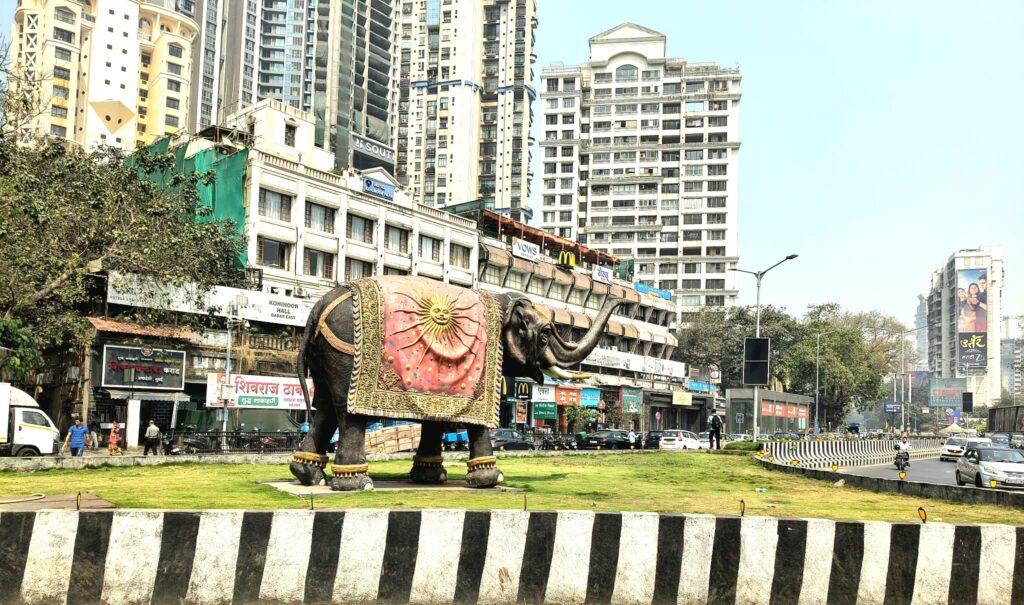
Absolutely! There’s lots to keep you occupied in Mumbai and everyone should make a point to see it even once in a lifetime.